Caldera, AltLayer, and Conduit sit in the same RaaS category, but the decision turns on product focus—not brand volume. Caldera fits teams that need custom rollup launch and multi-chain interop in one path. AltLayer fits elastic or ephemeral capacity and modular assembly. Conduit fits OP Stack or Orbit production hosting as the primary job.
That split mirrors how Caldera (ERA) frames Rollup Engine plus Metalayer. Teams already leaning Caldera can walk Testnet-to-Mainnet steps in Deploy a custom rollup on Caldera. The comparison below maps public positioning only; it does not rank which vendor is better.
| Dimension |
Caldera |
AltLayer |
Conduit |
| Product focus |
Rollup Engine + Metalayer |
RaaS + elastic / ephemeral rollups |
Deploy + production hosting |
| Common stacks |
Arbitrum Nitro, Optimism Bedrock, zkSync ZK Stack |
Multi-SDK (OP Stack, Orbit, ZK-class, and more) |
OP Stack, Arbitrum Orbit as primary paths |
| Interop |
Metalayer: aggregation + Metatoken |
Modular external sequencing, DA, and bridges |
Often stack-native bridges first |
| Go-live |
Self-serve Testnet; Mainnet often engaged |
Fast spin-up; elastic options |
Console deploy; self-serve or hosted Mainnet |
| Best-fit signal |
Multi-rollup liquidity entry |
Event-driven elastic capacity |
Managed nodes, RPC, in-stack launch |
All three help teams ship an application chain. Caldera productizes interop; AltLayer productizes elasticity; Conduit productizes hosting. Compare stacks, bridges, and ops boundaries—not slogans.
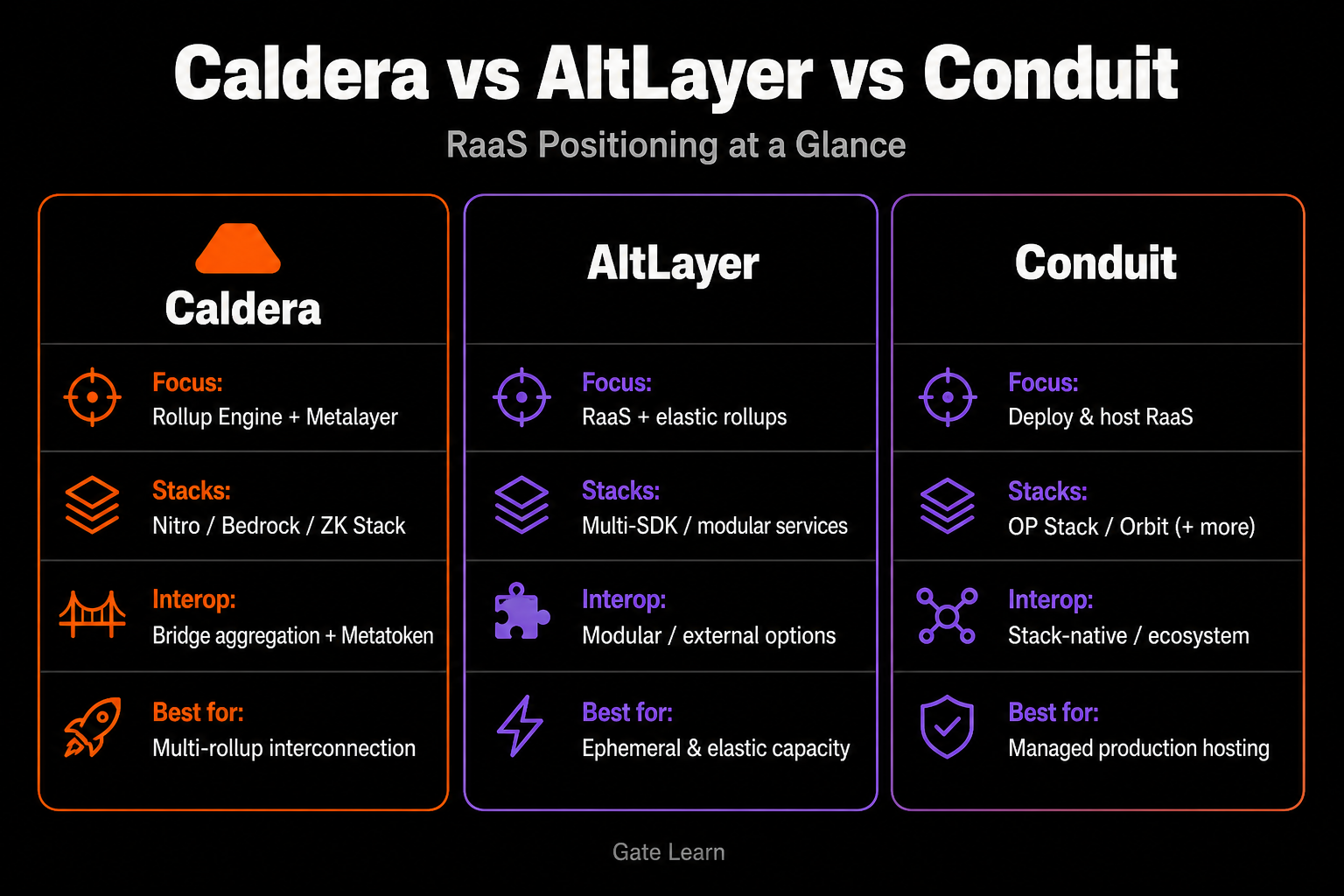 Figure 1. Side-by-side RaaS positioning for Caldera, AltLayer, and Conduit.
What Is Caldera?
Caldera is an Ethereum-settling interconnected rollup network and RaaS platform. Rollup Engine launches custom chains from framework and parameter choices. Metalayer connects those chains with bridge aggregation and Metatoken. Public docs often cite Arbitrum Nitro, Optimism Bedrock, and zkSync ZK Stack, with custom gas tokens where supported. Separate single-chain params from cross-chain trust assumptions when evaluating Caldera.
What Is AltLayer?
AltLayer is a RaaS platform for application-specific rollups. The public story stresses multi-SDK support, modular sequencing and data-availability components, and elastic capacity. Differentiation often lands on ephemeral or Flash Layer–style rollups: spin up dedicated execution for a peak, then settle and release capacity afterward. Treat “always-on app chain” and “event capacity” as different requirements.
What Is Conduit?
Conduit is a deploy-and-host RaaS. Positioning centers on launching L2s or L3s on mainstream frameworks with production-grade nodes and RPC. Narratives commonly feature OP Stack and Arbitrum Orbit, with settlement and DA knobs. Cross-chain usually starts with the stack’s native bridge and ecosystem tools, then adds external interop. The comparison value is launch speed plus managed infrastructure.
Stack Differences: Which Framework Paths Matter?
Stack choice locks tooling, native bridges, and ecosystem fit.
- Caldera — Nitro, Bedrock, and ZK Stack as Rollup Engine entry points, with gas-token flexibility under one surface.
- AltLayer — multi-SDK factory with swappable sequencing, DA, and proving pieces.
- Conduit — OP Stack / Orbit–first deploy paths with hosting attached.
Prefer managed OP or Orbit production? Conduit lands on more checklists. Prefer multi-framework entry and custom gas? Caldera lands on more checklists. Prefer elastic scale and modular assembly? AltLayer lands on more checklists. Always re-check each vendor’s current support matrix.
Interop depth is the sharpest Caldera vs AltLayer (and Conduit) wedge. Metalayer ships bridge aggregation and Metatoken as a first-class layer, with public diagrams for Execution, bridge providers, and Settlement.
AltLayer more often leaves interop to modular external components. Conduit more often follows OP Stack or Orbit native bridges, with hosting focused on chain and node uptime. In short: Caldera treats multi-rollup connectivity as a product module; the others more often compose stack-native or third-party paths. Need unified routing and same-address assets on day one? Review Metalayer first. Need only a single live chain? External bridges can wait.
Customization vs Hosting: What Are You Outsourcing?
Customization and hosting set the freedom-versus-ops trade-off.
- Caldera — name, Chain ID, subdomain, and gas token under supported stacks; self-serve Testnet; Mainnet often requires engagement.
- AltLayer — fast spin-up, with elastic vs always-on capacity as a separate design choice.
- Conduit — console deploy plus production hosting (nodes, RPC, availability).
All three reduce DIY infrastructure. Outsourcing boundaries differ: Caldera includes interop, AltLayer includes elastic lifecycle options, Conduit includes production hosting. Fees and SLAs are commercial—compare vendor materials; this piece does not price them.
Which RaaS Fits Which Scenario?
| Demand signal |
Review first |
Why (public positioning) |
| Multi-rollup interop + same-address assets |
Caldera |
Metalayer is built-in |
| Event-peak elastic / ephemeral capacity |
AltLayer |
Elastic and Flash Layer–style narrative |
| Fast OP Stack / Orbit production hosting |
Conduit |
Deploy + hosting as the main path |
| Multi-framework gas token + Ethereum settlement |
Caldera (and other supporters) |
Rollup Engine multi-stack + gas options |
Signals map to review order, not a ranking. Teams can also launch one chain first and add interop later—write down security assumptions and ops ownership either way.
Which Should You Choose?
There is no context-free winner.
Choose Caldera when custom rollup deployment and Metalayer-class interop must align early, Mainnet engagement cadence is acceptable, and bridge trust models are reviewed on their own.
Choose AltLayer when multi-SDK modularity or elastic / ephemeral capacity for peaks is the primary need—and persistent vs ephemeral paths are designed separately.
Choose Conduit when OP Stack or Orbit is already locked and production hosting (nodes, RPC, uptime) is the priority—start with stack-native bridges, then extend.
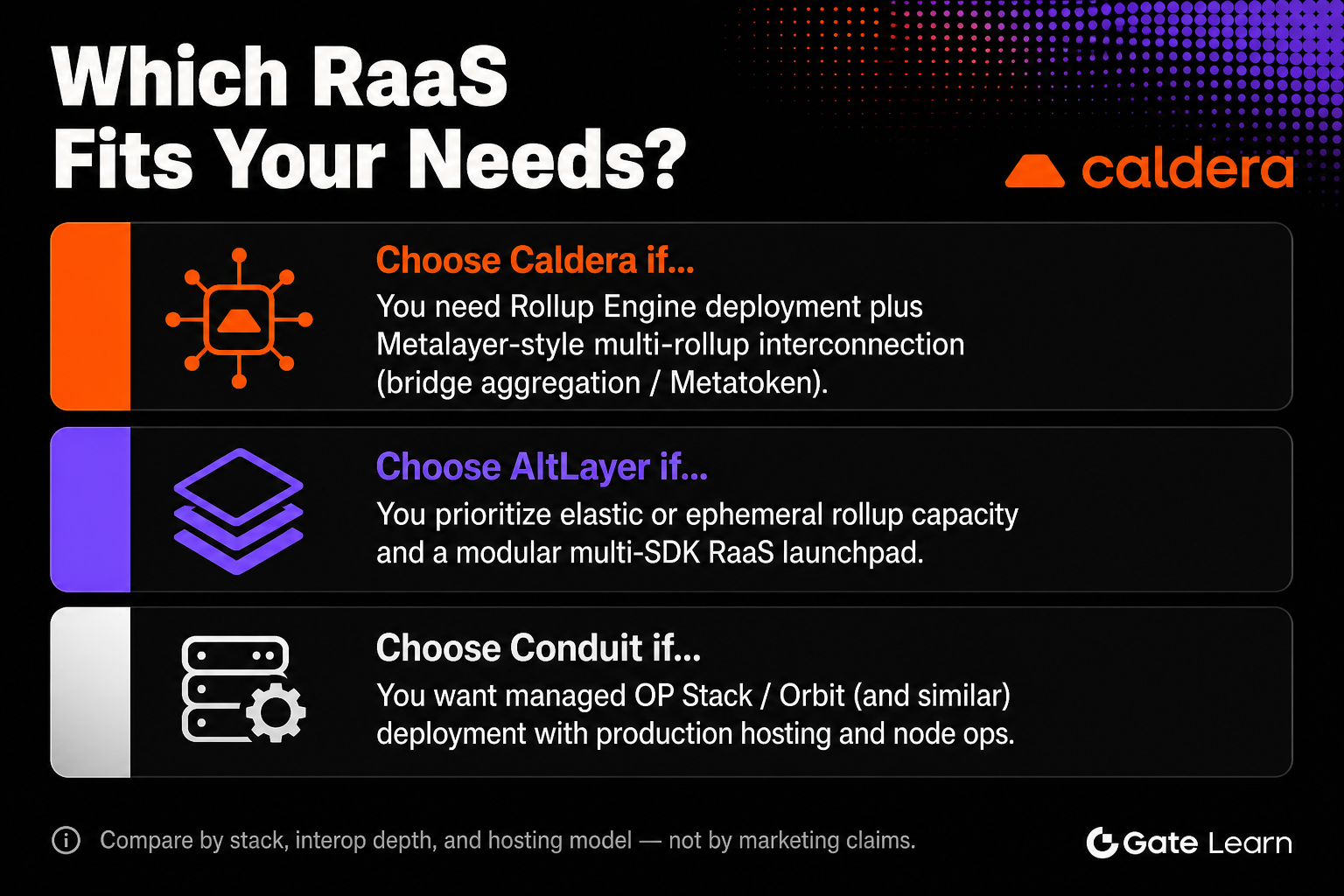 Figure 2. Demand-signal guide for Caldera vs AltLayer vs Conduit.
A practical loop: lock framework and settlement/DA → decide if built-in interop is required → set Testnet/Mainnet and ops boundaries → verify bridges, upgrade keys, and anti-phishing entry points.
Summary
Caldera vs AltLayer and Conduit is a RaaS comparison of three product bets: Metalayer interop, elastic capacity, and hosted OP/Orbit launch. Metalayer is the clearest Caldera differentiator—not a universal quality score. Pick from stack fit, interop depth, and hosting boundary against each vendor’s docs and security assumptions.
FAQ
How do Caldera, AltLayer, and Conduit differ?
Caldera combines Rollup Engine with Metalayer. AltLayer emphasizes multi-SDK RaaS and elastic or ephemeral rollups. Conduit emphasizes deployment and production hosting on OP Stack, Orbit, and similar frameworks. Interop depth and hosting boundaries diverge even though all three are RaaS.
How should you choose a RaaS?
Compare stack and settlement/DA, whether interop is productized, Testnet vs Mainnet process, and toolchain fit. Map real needs for connectivity and elasticity—do not compare brand volume alone.
Metalayer aggregates many bridge types and adds Metatoken. AltLayer and Conduit more often rely on modular externals or stack-native bridges. Review Metalayer when unified routing and same-address assets matter on day one.
Is Caldera better than AltLayer or Conduit?
Not in the abstract. Caldera fits deploy-plus-Metalayer needs; AltLayer fits elastic modular capacity; Conduit fits OP/Orbit production hosting.
Which frameworks does each support?
Caldera commonly lists Nitro, Bedrock, and ZK Stack. AltLayer stresses multi-SDK coverage including OP Stack, Orbit, and ZK-class stacks. Conduit centers on OP Stack and Arbitrum Orbit. Confirm live docs before locking.
What risks apply to every RaaS choice?
Smart-contract and upgrade risk, sequencer and DA assumptions, bridge trust models, and spoofed consoles or tokens. Verify contracts, networks, and bridge paths independently for any vendor.