The Hong Kong stock market has long been one of Asia’s most influential capital markets and serves as an important gateway for international capital seeking exposure to China-related assets. As digital financial infrastructure continues to mature, more investors are exploring how to participate in traditional stock markets through digital asset accounts. The development of stablecoins has made connections between digital assets and global capital markets more efficient, creating new ways to invest in Hong Kong stocks.
Amid the global trend toward asset digitization, Real World Assets (RWA) have become an important area of development within the digital finance industry. Traditional assets such as stocks, ETFs, bonds, and commodities are gaining broader liquidity through digital infrastructure. By adding access to the Hong Kong stock market on top of its global stock trading framework, Gate Stocks provides users with a unified entry point to the Hong Kong equity market through USDT while further expanding global asset allocation opportunities.
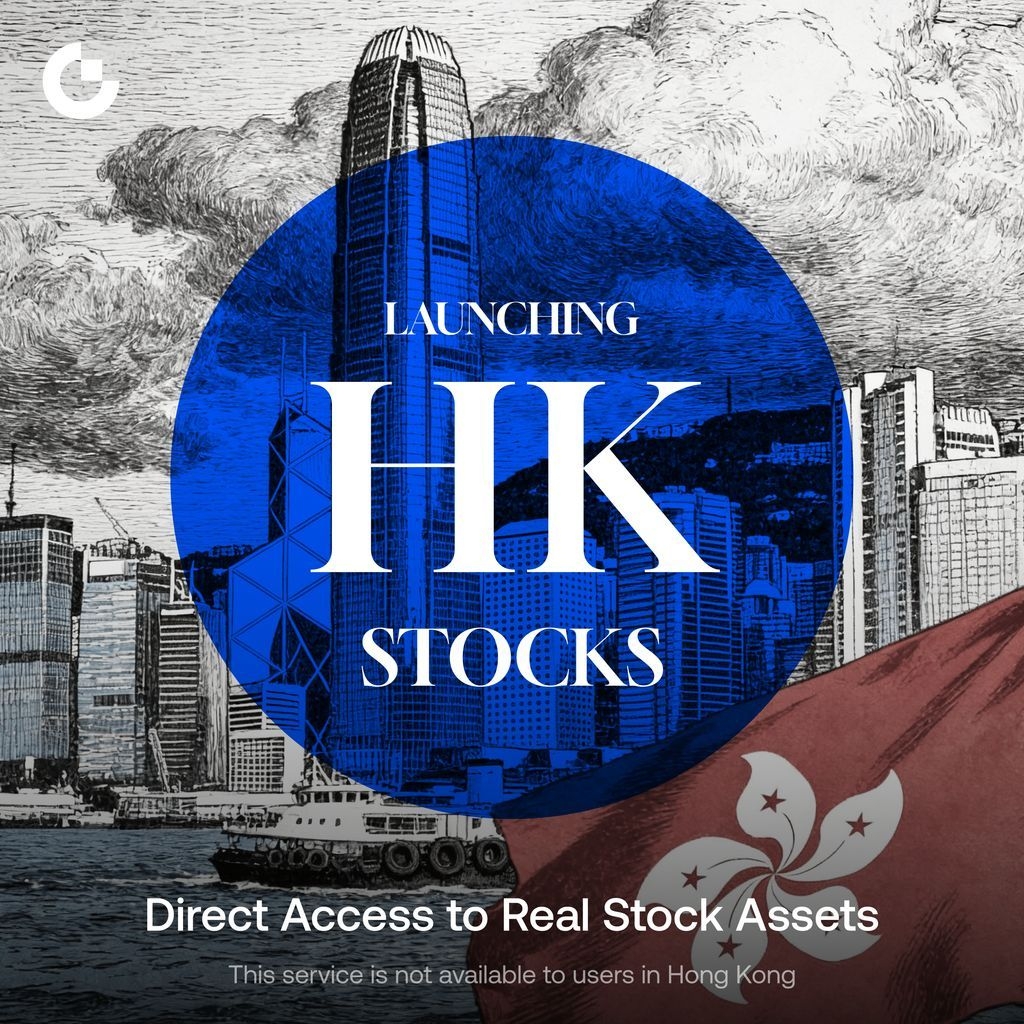
What Is Gate Hong Kong Stock Trading?
As a Hong Kong stock trading service offered through Gate Stocks, Gate Hong Kong Stocks allows users to participate in the Hong Kong stock market through digital asset accounts.
According to the official announcement, the initial launch of the Gate Hong Kong Stocks section includes more than 1,000 Hong Kong-listed stocks, covering leading companies from both the Main Board and GEM of the Hong Kong Stock Exchange with strong market capitalization and liquidity. This includes representative listed companies such as Tencent Holdings, HSBC Holdings, CATL, China Mobile, Xiaomi Corporation, Meituan, BYD Company, Ping An Insurance, AIA Group, and Hong Kong Exchanges and Clearing. Gate will continue to expand the list of tradable assets based on market demand and compliance requirements.
After the launch of Hong Kong stock trading, users can share the same stock account system as US stocks, enabling unified fund management, position management, and trading experience. Users only need to transfer USDT from their Spot Account or Unified Account into the Stock Account to start trading Hong Kong stocks. Compared with US stocks, Hong Kong stocks are priced in Hong Kong dollars (HKD), and prices, portfolio value, and profit and loss are all displayed in HKD. Trading is only available during regular market hours, with no pre-market or after-hours sessions. In addition, Hong Kong stock trading supports the same core functions as US stocks, including buy/sell execution, position management, order inquiry, and asset management.
Together, Hong Kong stock trading and U.S. stock trading form the global equity market ecosystem of Gate Stocks, providing users with cross-market asset allocation capabilities.
How to Buy Hong Kong Stocks with USDT: Complete Gate Hong Kong Stocks Guide
Buying Hong Kong stocks with USDT generally involves several key steps.
First, complete Gate account registration and identity verification. Once verification is approved, open a Gate Stocks account and enter the Hong Kong stock trading section.
Next, transfer USDT from your spot account to your stock account. In the Hong Kong stocks section, search for the target stock by ticker symbol or company name. Enter the desired purchase quantity on the trading page and submit the order.
Once the order is executed, the corresponding stock position will appear in your holdings page, where you can monitor assets and conduct subsequent trading activities at any time.
What Is Gate Hong Kong Stocks? How Does Buying Hong Kong Stocks with USDT Differ from Traditional Methods?
Traditional Hong Kong stock investing primarily relies on bank accounts and brokerage accounts, whereas Gate Hong Kong Stocks is built on digital asset accounts.
Traditional methods typically involve brokerage account applications, bank deposits, cross-border remittances, and currency exchange procedures. Gate Hong Kong Stocks uses stablecoins for funding, reducing the number of cross-platform operational steps.
Both approaches ultimately provide access to the Hong Kong stock market, but the fund flow process and account management structure differ significantly.
| Comparison Dimension |
Gate HK Stocks |
Traditional HK Stock Brokerages |
| Account Architecture |
Digital Asset Account |
Bank Account + Securities Account |
| Funding Method (Deposit) |
USDT |
Bank Transfer |
| Asset Management |
Unified Platform |
Multi-Platform Management |
| Global Asset Allocation |
Supports co-management with digital assets |
Primarily manages securities assets |
Gate Hong Kong Stocks vs. Traditional Hong Kong Brokers: Comparing Fees and User Experience
Fee structures and trading experience are among the most important considerations for investors.
Traditional brokers often charge commissions, platform fees, custody fees, remittance fees, and foreign exchange costs. Fee structures may vary between brokers.
Gate Hong Kong Stocks leverages a digital asset account system to integrate stock trading and digital asset management into a unified platform. Users do not need to frequently transfer funds between multiple accounts, improving overall asset management efficiency.
Actual fee standards are subject to the rules published on the Gate Stocks platform.
How to Buy Tencent Stock with USDT: Gate Hong Kong Stocks Tutorial
Tencent Holdings is one of the most representative technology companies in the Hong Kong stock market and remains a popular investment target among global investors.
After entering the Hong Kong stocks section, users can search for Tencent Holdings using its stock code or company name. On the stock details page, users can view market quotes, trading data, and the trading interface.
After confirming the purchase quantity, submit the order. Once executed, Tencent stock holdings can be viewed on the portfolio page.
The process is generally the same as purchasing other Hong Kong-listed stocks.
How to Buy Alibaba Hong Kong Shares with USDT: Complete Purchase Guide
Alibaba is one of the most important internet companies listed in Hong Kong and a major participant in the global digital economy.
Users can search for Alibaba’s stock within the Gate Hong Kong Stocks section to access related market information and the trading interface. After preparing funds, simply enter the desired trading quantity and confirm the order according to system instructions.
Once the transaction is completed, the stock position will be recorded in the stock account and can be viewed and managed at any time.
How to Buy Xiaomi Stock with USDT: Gate Hong Kong Stocks Tutorial
Xiaomi Group is a major technology company listed in Hong Kong, with businesses spanning smartphones, smart hardware, and IoT ecosystems.
Through the Gate Hong Kong Stocks trading system, users can directly search for Xiaomi stock and access the corresponding trading page.
After completing fund transfers and confirming the order, the system executes the transaction according to market rules, and completed stock positions will appear in the account holdings section.
What Are the Differences Between Buying Hong Kong Stocks and U.S. Stocks on Gate? A Complete Comparison of Trading Rules
Both the Hong Kong and U.S. stock markets are major global equity markets, but they differ in market structure and trading rules.
The Hong Kong stock market is centered around the Hong Kong Stock Exchange and includes many Asia-related enterprises and international investors. The U.S. stock market hosts the world’s largest technology companies and a broader range of internationally listed firms.
Within Gate Stocks, both markets can be managed through a unified account system, although trading hours, market structures, and sector representation differ.
| Comparison Dimension |
HK Stocks |
US Stocks |
| Major Exchanges |
Hong Kong Exchanges and Clearing (HKEX) |
NASDAQ, New York Stock Exchange (NYSE) |
| Market Attributes |
Asian Capital Market |
Global Capital Market |
| Representative Industries |
Finance, Consumer, Technology |
Technology, Healthcare, Consumer |
| Currency |
Hong Kong Dollar (HKD) |
US Dollar (USD) |
| Core Company Types |
Chinese and Asian enterprises |
Global mega-cap corporations |
Conclusion
Gate Hong Kong Stocks connects users to the Hong Kong stock market through stablecoins such as USDT, enabling digital asset holders to invest in Hong Kong equities within a unified account system. Compared with traditional Hong Kong brokerage models, Gate Hong Kong Stocks offers a more digitalized experience in terms of funding access, account management, and global asset allocation.
As Real World Assets (RWA) and digital financial infrastructure continue to evolve, Hong Kong stocks, U.S. stocks, and other traditional financial assets are becoming increasingly connected to digital asset markets. The Hong Kong stock trading service provided by Gate Stocks is a notable example of this trend, offering global users a new way to access Hong Kong capital markets.
FAQs
Do I need Hong Kong dollars (HKD) to buy Hong Kong stocks with USDT?
Users can generally access the Hong Kong stock trading system using USDT without having to complete HKD conversion themselves. Specific settlement mechanisms are subject to platform rules.
What is the difference between Gate Hong Kong Stocks and traditional Hong Kong brokers?
Traditional brokers primarily rely on bank accounts and securities accounts, while Gate Hong Kong Stocks is built on digital asset accounts and uses stablecoins to connect users with the stock market.
Can I buy Tencent, Alibaba, and Xiaomi stocks through Gate?
Once available in the Gate Hong Kong Stocks section, users can search for supported Hong Kong-listed stocks and complete purchases according to the platform’s trading procedures.
Do Gate Hong Kong Stocks and U.S. stock trading use the same account?
Gate Stocks uses a unified stock account system, allowing users to manage Hong Kong stocks, U.S. stocks, and other supported equity assets on the same platform.