Khi thị trường tiền điện tử ngày càng phát triển, nhu cầu của nhà giao dịch mở rộng vượt khỏi các giải pháp đơn sản phẩm. Người dùng ngày càng tập trung vào phân bổ Giao ngay, phòng ngừa rủi ro Phái sinh, giao dịch theo xu hướng và luồng vốn xuyên thị trường. Cấu trúc thị trường đang chuyển từ “nền tảng giao dịch đơn sản phẩm” sang hệ thống giao dịch tài sản toàn diện.
Trong bối cảnh mới này, hợp đồng CFD cho phép tiếp cận Đòn bẩy và giao dịch chủ động dựa trên Biến động giá, Hợp đồng tương lai vĩnh cửu phục vụ chiến lược xu hướng tiền điện tử, còn token Giao ngay dành cho người nắm giữ dài hạn và thành viên hệ sinh thái. Vì thế, Gate TradFi đang chuyển đổi từ điểm truy cập Phái sinh đơn lẻ thành nền tảng giao dịch tích hợp đa tài sản.
Gate TradFi là gì?
Gate TradFi là Khu vực giao dịch toàn diện của Gate, hợp nhất các sản phẩm giao dịch khác nhau trong một hệ thống duy nhất — bao gồm Giao ngay, Phái sinh và công cụ giao dịch giá để tạo ra cấu trúc thị trường đa tài sản. Khác với các mô hình TradFi trước đây chỉ tập trung vào Hợp đồng chênh lệch giá, khung nâng cấp hiện nay cung cấp cổng truy cập trọn vẹn cho hợp đồng CFD, Hợp đồng tương lai vĩnh cửu và token Giao ngay.
Việc nâng cấp này phản ánh sự thay đổi logic thị trường. Khi tiền điện tử và tài chính truyền thống hội tụ, nhà giao dịch ngày càng triển khai nhiều sản phẩm để thực hiện các chiến lược đa dạng. Ví dụ, một phần quỹ có thể phân bổ cho nắm giữ Giao ngay dài hạn, phần còn lại dùng cho giao dịch xu hướng hoặc phòng ngừa rủi ro bằng Phái sinh.
Về cấu trúc, Gate TradFi giống như “mô hình nhà môi giới tích hợp”, cho phép người dùng giao dịch trên nhiều thị trường trong một hệ sinh thái duy nhất — không cần đổi nền tảng. Điều này nâng cao hiệu quả giao dịch và củng cố liên kết giữa các loại tài sản.
Tóm lại, định vị Gate TradFi đã phát triển từ sản phẩm giao dịch đơn lẻ thành hệ thống thị trường toàn diện tích hợp giao dịch giá, chiến lược xu hướng và phân bổ tài sản.
Hợp đồng CFD: Tìm hiểu cơ chế thanh toán chênh lệch giá
CFD (Hợp đồng chênh lệch giá) là Phái sinh tài chính được thanh toán dựa trên chênh lệch giá. Người dùng có thể đầu cơ Biến động giá mà không cần sở hữu tài sản cơ sở. Bản chất của CFD là giao dịch Biến động giá, không phải sở hữu tài sản.
Với CFD, nhà giao dịch sử dụng Ký quỹ và Đòn bẩy để tăng mức tiếp cận thị trường. Lợi nhuận thuộc về Hướng long khi thị trường tăng và Hướng short khi giá giảm. Tính linh hoạt “Hai chiều” này là điểm khác biệt chính so với thị trường Giao ngay truyền thống.
CFD được sử dụng rộng rãi trên cổ phiếu, Chỉ số, Ngoại hối, Hàng hóa và tiền điện tử. Trong lĩnh vực tiền điện tử, CFD chủ yếu là “công cụ giao dịch giá”, cho phép người dùng giao dịch Biến động mà không cần quản lý tài sản trên chuỗi hoặc sở hữu token.
CFD cũng bao gồm Chênh lệch giá, phí qua đêm và cơ chế Thanh lý. Cấu trúc của chúng vốn dĩ có Biến động cao và Đòn bẩy lớn — khác biệt với việc nắm giữ tài sản dài hạn.
Cách hoạt động của hợp đồng CFD trên Gate
Hợp đồng CFD của Gate thanh toán Lãi/Lỗ (PnL) dựa trên chênh lệch giá. Người dùng không mua tài sản cơ sở mà giao dịch theo hướng giá. Hệ thống tính toán Lãi/Lỗ cuối cùng dựa trên sự khác biệt giữa vị thế mở và vị thế đóng.
Ký quỹ là yếu tố cốt lõi của cấu trúc này. Chỉ cần cam kết một phần vốn, người dùng có thể tăng mức tiếp cận thị trường. Điều này làm tăng Lợi nhuận tiềm năng nhưng cũng gia tăng rủi ro từ Biến động thị trường. Các yếu tố quan trọng trong giao dịch CFD gồm tỷ lệ Đòn bẩy, Tỷ lệ ký quỹ và Kiểm soát rủi ro.
So với Futures truyền thống, CFD linh hoạt hơn. Nhiều loại không có cấu trúc thanh toán cố định, tập trung vào Biến động giá ngắn hạn. Điều này khiến CFD phù hợp với chiến lược đa thị trường và Giao dịch ngắn hạn.
Cuối cùng, hợp đồng CFD của Gate là công cụ giao dịch Biến động giá — cung cấp khả năng tiếp cận thị trường nhanh, linh hoạt và Hai chiều.
Cấu trúc thị trường Phái sinh tiền điện tử
Hợp đồng tương lai vĩnh cửu là công cụ Phái sinh dựa trên tài sản tiền điện tử, nổi bật với đặc điểm “không có Ngày đáo hạn”. Khác với Futures truyền thống, Hợp đồng tương lai vĩnh cửu sử dụng cơ chế Tỷ lệ funding để duy trì giá hợp đồng bám sát Giá giao ngay.
Nhà giao dịch có thể mở vị thế long hoặc short với Đòn bẩy, tăng mức tiếp cận thị trường. Hợp đồng tương lai vĩnh cửu đã trở thành công cụ cốt lõi cho giao dịch theo xu hướng trên thị trường tiền điện tử.
Cơ chế Tỷ lệ funding giữ cho giá hợp đồng sát với Giá giao ngay. Khi hợp đồng giao dịch cao hơn Giao ngay, bên long trả Tỷ lệ funding; khi thấp hơn, bên short có thể trả. Sự vận động này thu hẹp khoảng cách giữa giá hợp đồng và Giá giao ngay.
So với CFD, Hợp đồng tương lai vĩnh cửu nhấn mạnh cấu trúc thị trường bản địa tiền điện tử và giao dịch theo xu hướng Tần suất cao. Đây là nền tảng của hệ sinh thái Phái sinh tiền điện tử.
Vai trò của giao dịch token Giao ngay trong Gate TradFi
Giao dịch Giao ngay là nền tảng của thị trường tiền điện tử. Người dùng mua và nắm giữ Tài sản, trực tiếp tham gia Biến động giá và giữ quyền sở hữu.
So với CFD và Hợp đồng tương lai vĩnh cửu, Giao ngay phù hợp nhất cho phân bổ dài hạn và đầu tư giá trị. Người nắm giữ cũng có thể tham gia các hoạt động trên chuỗi như Stake, quản trị hoặc DeFi.
Trong Gate TradFi, thị trường Giao ngay tạo thành “lớp tài sản cơ sở”. Nhiều người dùng duy trì vị thế Giao ngay dài hạn đồng thời sử dụng Phái sinh để quản lý rủi ro hoặc phòng ngừa rủi ro.
Giao ngay, CFD và Hợp đồng tương lai vĩnh cửu bổ trợ lẫn nhau — không thay thế — phục vụ các khẩu vị rủi ro và thời hạn giao dịch khác nhau.
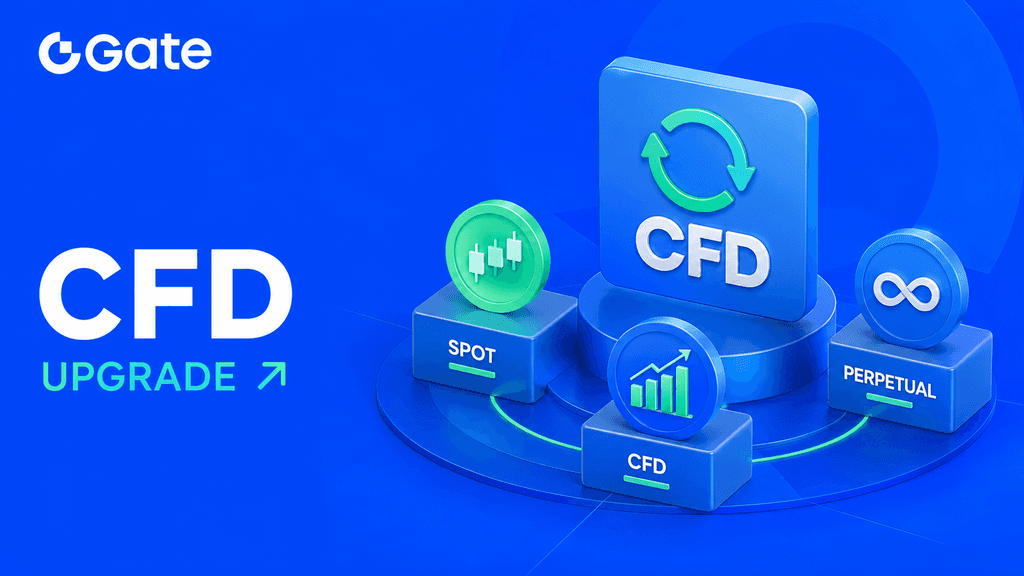
Khác biệt chính: Hợp đồng CFD, Hợp đồng tương lai vĩnh cửu và token Giao ngay
CFD, Hợp đồng tương lai vĩnh cửu và token Giao ngay khác biệt căn bản về cấu trúc tài sản và mục tiêu giao dịch. Giao dịch Giao ngay hướng tới sở hữu tài sản thực; CFD và Hợp đồng tương lai vĩnh cửu tập trung vào Biến động giá.
CFD phản chiếu Phái sinh tài chính truyền thống, cho phép tiếp cận mà không cần sở hữu tài sản. Hợp đồng tương lai vĩnh cửu là bản địa tiền điện tử, được neo vào Giao ngay qua Tỷ lệ funding.
Về chiến lược, Giao ngay phù hợp với nắm giữ dài hạn và phân bổ tài sản; Hợp đồng tương lai vĩnh cửu dành cho giao dịch theo xu hướng và Tần suất cao; CFD cho phép chiến lược đa thị trường, linh hoạt với Đòn bẩy.
Các sản phẩm này cùng đáp ứng nhu cầu thị trường đa dạng, tạo nên khung giao dịch đa tài sản của Gate TradFi.
Vì sao Gate TradFi tập trung vào “giao dịch mọi kịch bản”
Khi thanh khoản dịch chuyển giữa Giao ngay, ETF, Stablecoin và Phái sinh, nhà giao dịch ưu tiên “chiến lược danh mục đầu tư” thay vì dựa vào sản phẩm Đòn bẩy đơn lẻ. Tiếp cận đa tài sản thống nhất trở thành yếu tố thiết yếu cho nền tảng giao dịch.
“Giao dịch mọi kịch bản” của Gate TradFi cho phép người dùng phân bổ vốn linh hoạt trên các thị trường trong một hệ thống duy nhất. Một người dùng có thể nắm giữ Giao ngay dài hạn, giao dịch xu hướng bằng Hợp đồng tương lai vĩnh cửu và phòng ngừa Biến động bằng CFD — cùng lúc.
Cấu trúc này tăng tính liên tục và liên kết xuyên thị trường cho giao dịch. Cạnh tranh nền tảng đang chuyển từ thế mạnh đơn sản phẩm sang năng lực giao dịch toàn diện.
Cách tiếp cận này phản chiếu mô hình nhà môi giới tích hợp của TradFi — phục vụ nhu cầu đa tài sản, đa chiến lược trên một nền tảng.
Gate TradFi: Nâng cấp sản phẩm và thay đổi tên gọi
Năm 2026, Gate chính thức nâng cấp TradFi, tích hợp hợp đồng CFD, Hợp đồng tương lai vĩnh cửu và token Giao ngay vào hệ thống giao dịch thống nhất. Sản phẩm Hợp đồng chênh lệch giá trước đây hiện được gọi chính thức là “hợp đồng CFD”.
Tên gọi này phù hợp với tiêu chuẩn ngành và nâng cao sự rõ ràng cho người dùng. “Hợp đồng CFD” thể hiện trực tiếp bản chất giao dịch của sản phẩm, khác với “TradFi” mang nghĩa rộng hơn.
Gate đảm bảo với người dùng rằng các vị thế, lệnh lịch sử và dữ liệu giao dịch hiện tại không bị ảnh hưởng, quy tắc và phí không đổi. Việc nâng cấp chỉ tái cấu trúc hệ thống sản phẩm và khung thị trường, không thay đổi logic giao dịch cơ bản.
Trên toàn ngành, sự chuyển đổi này đánh dấu việc tiền điện tử tiếp cận các phân loại sản phẩm chuyên nghiệp, tiêu chuẩn hóa hơn.
Gate TradFi: Ưu điểm, hạn chế và rủi ro tiềm ẩn
Ưu điểm chính của Gate TradFi là bao phủ Giao ngay, CFD và Hợp đồng tương lai vĩnh cửu, cho phép người dùng chuyển đổi chiến lược theo chu kỳ thị trường, khẩu vị rủi ro và mục tiêu giao dịch.
Tiếp cận đa tài sản thống nhất giảm ma sát khi chuyển đổi giữa các thị trường. Khác với nền tảng đơn sản phẩm, hệ thống toàn diện này hỗ trợ luồng vốn mạnh và liên kết chiến lược.
Tuy nhiên, CFD và Hợp đồng tương lai vĩnh cửu vốn dĩ là Phái sinh có Biến động cao. Đòn bẩy có thể khuếch đại Lợi nhuận — cũng như rủi ro, bao gồm Thanh lý. Kiểm soát rủi ro là yếu tố then chốt khi giao dịch đa tài sản.
Khi hệ thống sản phẩm trở nên phức tạp, người dùng cần hiểu logic giao dịch và hồ sơ rủi ro của từng thị trường. Giao dịch toàn diện tăng tính linh hoạt nhưng cũng đòi hỏi kỹ năng quản lý chiến lược cao hơn.
Tóm tắt
Gate TradFi đã phát triển từ sản phẩm Hợp đồng chênh lệch giá đơn lẻ thành hệ thống giao dịch thống nhất bao gồm hợp đồng CFD, Hợp đồng tương lai vĩnh cửu và token Giao ngay.
CFD tập trung vào Biến động giá và Đòn bẩy, Hợp đồng tương lai vĩnh cửu phục vụ giao dịch theo xu hướng, còn thị trường Giao ngay tạo điều kiện phân bổ tài sản dài hạn. Cấu trúc đa tài sản này giúp Gate TradFi đáp ứng nhiều khẩu vị rủi ro và thời hạn giao dịch.
Khi tiền điện tử hướng tới mô hình tài chính toàn diện, cạnh tranh nền tảng đang chuyển từ sản phẩm đơn lẻ sang xây dựng hệ sinh thái giao dịch tích hợp. Việc nâng cấp Gate TradFi là minh chứng cho xu hướng này của ngành.
Câu hỏi thường gặp
Gate TradFi là gì?
Gate TradFi là Khu vực giao dịch toàn diện của Gate, tích hợp hợp đồng CFD, Hợp đồng tương lai vĩnh cửu và token Giao ngay vào hệ thống giao dịch đa tài sản thống nhất.
Hợp đồng CFD có nghĩa là gì?
CFD (Hợp đồng chênh lệch giá) là Phái sinh tài chính được thanh toán dựa trên chênh lệch giá, cho phép người dùng giao dịch Biến động giá mà không cần sở hữu tài sản cơ sở.
Khác biệt giữa hợp đồng CFD và Hợp đồng tương lai vĩnh cửu là gì?
CFD hoạt động như công cụ giao dịch giá tài chính truyền thống, còn Hợp đồng tương lai vĩnh cửu là Phái sinh bản địa tiền điện tử được neo vào Giao ngay qua Tỷ lệ funding.
Vì sao Hợp đồng tương lai vĩnh cửu không có Ngày đáo hạn?
Hợp đồng tương lai vĩnh cửu sử dụng cơ chế Tỷ lệ funding để giữ giá ổn định, loại bỏ nhu cầu về ngày thanh toán cố định.
Khác biệt giữa Giao dịch Giao ngay và giao dịch CFD là gì?
Giao dịch Giao ngay yêu cầu sở hữu tài sản thực; CFD chỉ thanh toán dựa trên Biến động giá và không liên quan đến chuyển giao tài sản.
Vì sao Gate đổi tên TradFi thành hợp đồng CFD?
Để tiêu chuẩn hóa thuật ngữ ngành và tăng sự rõ ràng cho người dùng, giúp định vị sản phẩm chính xác hơn.
Hợp đồng CFD có yêu cầu sở hữu tài sản không?
Không. CFD là Phái sinh giá — người dùng giao dịch Biến động giá, không phải sở hữu tài sản.
Gate TradFi phù hợp với loại nhà giao dịch nào?
Gate TradFi lý tưởng cho người dùng muốn phân bổ Giao ngay, giao dịch xu hướng, giao dịch Đòn bẩy và triển khai chiến lược đa thị trường.