Stablecoins have become one of the most essential infrastructure pillars in the blockchain ecosystem. Whether in DeFi, RWA, cross-border payments, or institutional-grade finance, stablecoins serve as a critical medium for value transfer and settlement.
With the rapid growth of the Canton Network, a growing number of users are encountering a new asset: USDCx.
For newcomers to the Canton Network, the most common questions are:
Getting USDCx is not complicated. All you need is USDC, an Ethereum wallet, and a wallet that supports the Canton Network to complete the conversion.
This guide walks you through everything from the basics to step-by-step execution.
What is USDCx?
 Figure 1: Canton Network
USDCx is a stablecoin native to the Canton Network. Value-wise, USDCx is pegged 1:1 to USDC, both tied to the US dollar, so no exchange rate risk is introduced during conversion.
Think of it this way:
-
USDC primarily lives on public chains like Ethereum.
-
USDCx lives on the Canton Network.
-
They hold the same value.
-
USDCx can directly interact with Canton Network ecosystem applications.
When you bridge USDC from Ethereum to the Canton Network via the official bridge, the system automatically converts it to USDCx.
This is essentially an asset cross-chain mapping.
No manual swapping or trading pair hunting is needed.
Why is USDCx Gaining So Much Attention?
In recent years, traditional financial institutions have been shifting their focus on blockchain technology.
The conversation is no longer just about crypto trading, but about how blockchain can improve the issuance, settlement, and transfer of real-world financial assets.
The Canton Network was built precisely for this purpose.
Its core positioning: a privacy-focused blockchain infrastructure for institutional finance.
Within this ecosystem, USDCx plays a pivotal role.
-
It is the primary stable value medium across the network.
-
It enables on-chain settlement for Real World Assets (RWA).
-
It may become a key payment asset in future digital bonds, fund shares, money market instruments, and institutional payment flows.
As more financial applications migrate to the Canton Network, demand for USDCx is naturally rising.
What Do You Need to Prepare Before Getting USDCx?
Before you start, make sure you have the following ready.
First, a Gate account. You need to hold USDC and be able to withdraw from the exchange.
Second, an Ethereum wallet—MetaMask works fine. Besides USDC, keep a small amount of ETH for Gas fees.
Third, a wallet that supports the Canton Network. Common options include:
Both wallets allow you to convert Ethereum-based USDC into Canton Network USDCx.
How to Get and Convert USDCx from Gate?
The whole process can be broken down into four stages:
-
Hold USDC on Gate.
-
Withdraw USDC to your Ethereum wallet.
-
Use the built-in bridge in your Canton Network wallet to convert.
-
Receive USDCx on the Canton Network.
The entire flow typically takes under 30 minutes. Important: When withdrawing, always select the Ethereum network—otherwise your funds may not convert properly.
Loop Wallet: Step-by-Step Guide to Getting USDCx
Loop Wallet is one of the most popular options for acquiring USDCx.
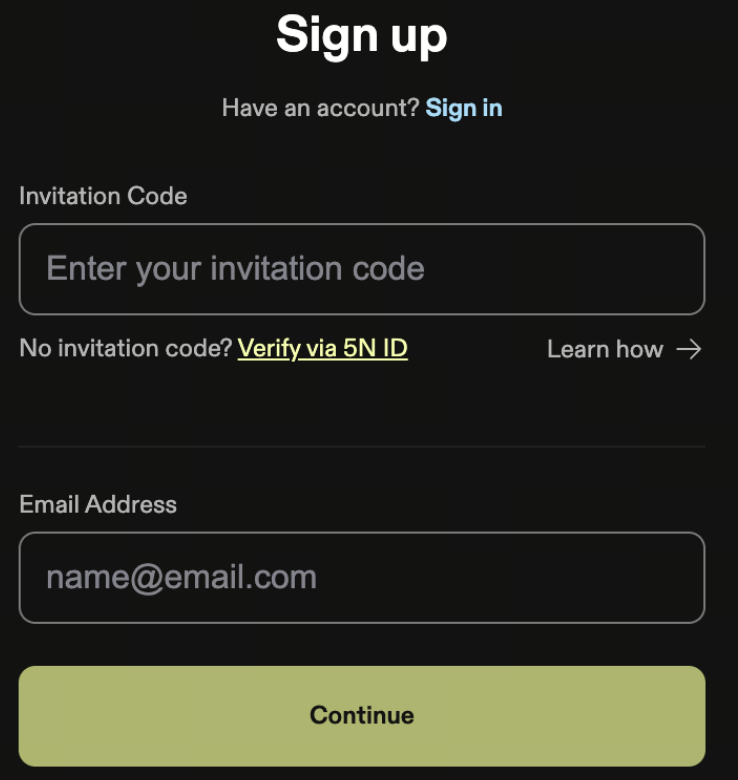
Before converting, you need to register for Loop Wallet.
There are two ways to gain access:
-
Request an exclusive invite code from Loop's official support (Gate users can request a Gate/Loop Invite Code).
-
Verify your identity through 5N ID Service and achieve a Human Score of 60 or higher.
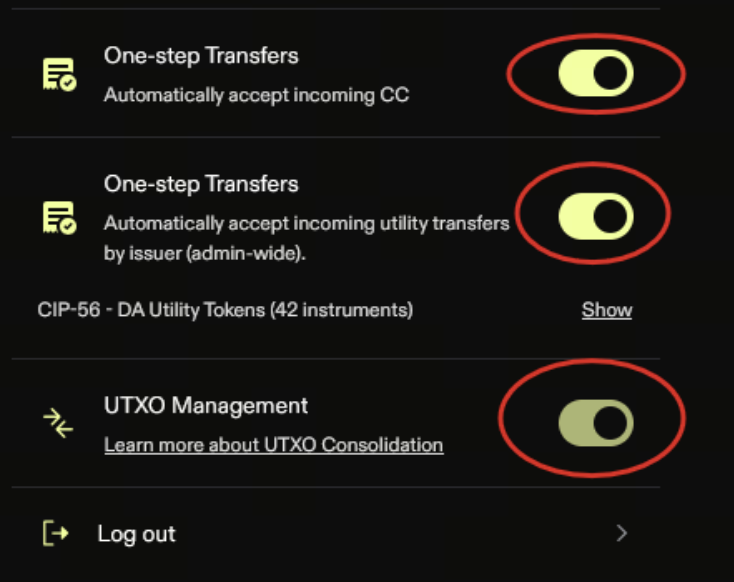
Once you have access, go to the Wallet settings page and enable One-Step Transfers, Utility Transfers, and UTXO Management.
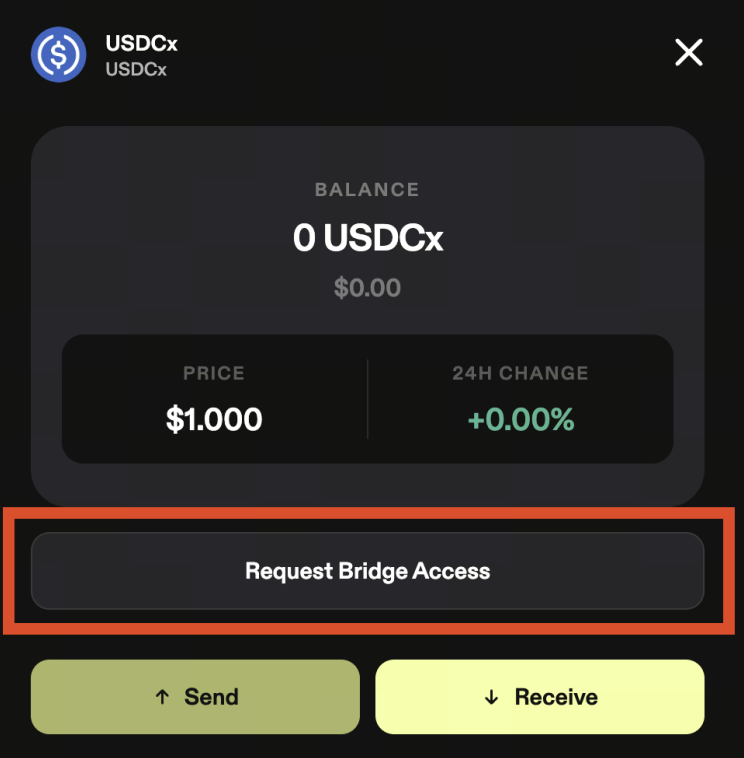
After setup, go to the USDCx page and apply for Bridge Access. Approval usually comes within 24 hours, often in just minutes.
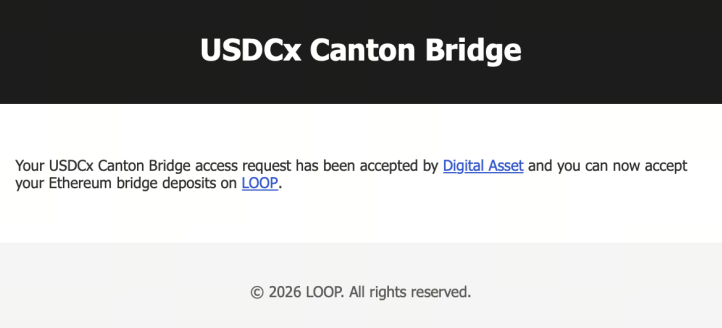 Figure: Approval confirmation email
Once approved, go back to the USDCx page. You'll see a "Move USDC" button.
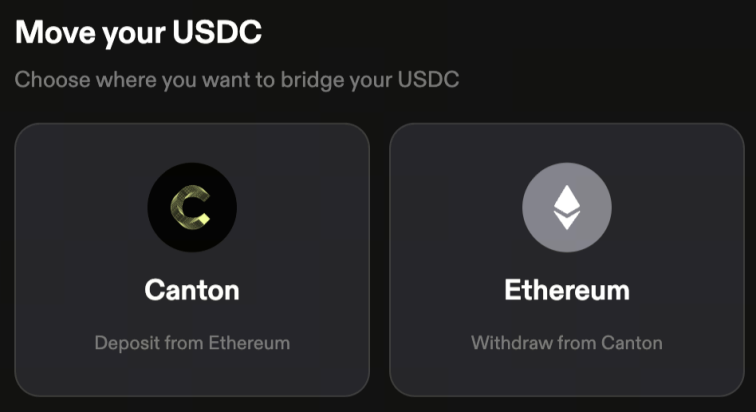
Then select: Canton Deposit from Ethereum.
The system opens the official USDC Bridge page.
Follow these steps:
-
Connect your Ethereum wallet.
-
Enter the USDC amount to convert.
-
Confirm the transaction.
-
Sign in your wallet.
-
Wait for the cross-chain conversion to complete.
Once done, your USDC is automatically converted to USDCx and deposited into Loop Wallet. It typically arrives in about 20 minutes.
Send Canton Wallet: Step-by-Step Guide to Getting USDCx
Besides Loop Wallet, Send Canton Wallet also supports USDCx acquisition. After registering, go to the Bridge page in the wallet.
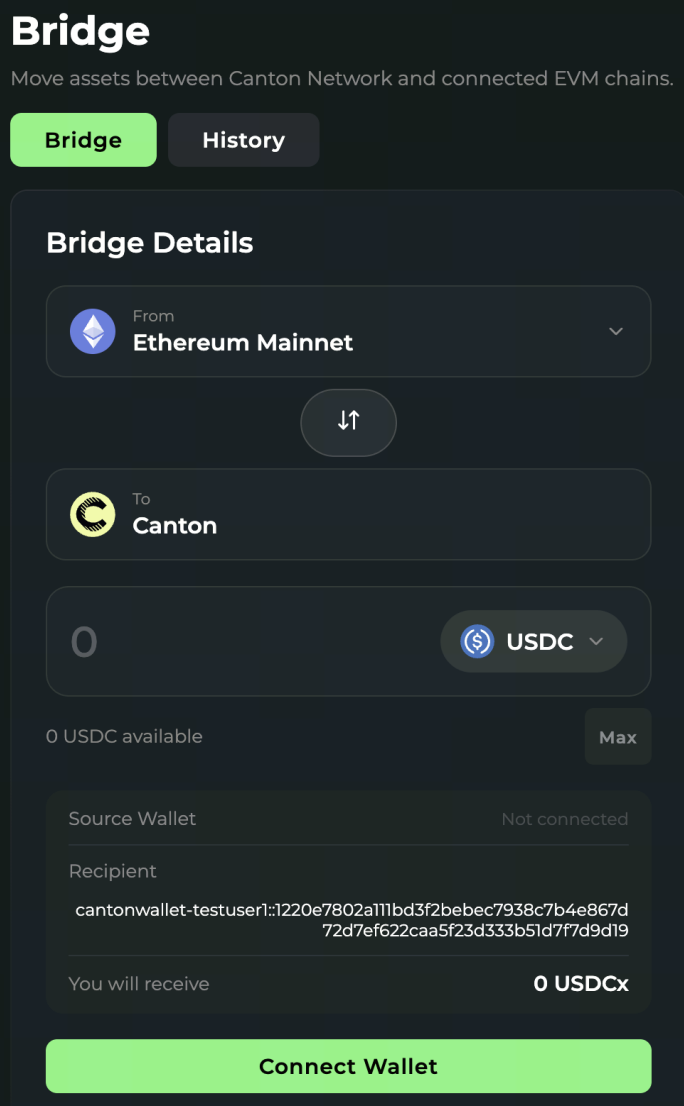
Then select: From: Ethereum Mainnet.
Connect your Ethereum wallet.
On first use, you'll need to authorize USDC for bridging and create a Bridge Agreement.
After authorization:
-
Enter the amount to convert.
-
Confirm the bridge.
-
Sign the transaction.
-
Wait for system processing.
Once processed, USDCx appears in Send Canton Wallet. The whole process takes about 20 minutes.
What Risks Should You Watch Out for When Getting USDCx?
While the process is straightforward, there are some important details to keep in mind.
-
Network selection: When withdrawing from an exchange, always choose the Ethereum network and ensure you're withdrawing native USDC. Using the wrong network could freeze your funds or make them unrecoverable.
-
Address verification: Before each transfer, double-check the first four and last four characters of the target address.
-
Gas fees: Your Ethereum wallet must have enough ETH to cover Gas fees, otherwise the bridge won't work.
For first-time users, we recommend starting with a small test transfer. Once you confirm everything works, proceed with larger amounts.
What Are the Use Cases for USDCx?
As the Canton Network ecosystem grows, USDCx's use cases are expanding. Currently, they focus on:
Institutional-grade on-chain settlement, RWA asset trading, digital bond issuance and clearing, on-chain payments, and future financial infrastructure applications.
In particular, the rapid rise of the RWA space means more traditional financial assets are being issued on-chain. Whether it's fund shares, treasuries, corporate bonds, or money market products, they all need a stable and trusted settlement asset. USDCx fits that role. As more institutions connect to the Canton Network, USDCx's applications will likely broaden further.
Conclusion
For anyone looking to get involved in the Canton Network ecosystem, USDCx is one of the most fundamental assets. From a practical standpoint, obtaining USDCx is simple. Just hold USDC on Gate, withdraw it to an Ethereum wallet, then use Loop Wallet or Send Canton Wallet's bridge to convert into USDCx.
As demand for RWA, institutional blockchain finance, and digital asset settlement continues to rise, USDCx's importance within the Canton Network is set to grow. For those tracking the evolution of next-generation financial infrastructure, understanding how to get and use USDCx can give you an early edge in this emerging ecosystem.
FAQs
1. What's the difference between USDC and USDCx?
Both are pegged 1:1 to the US dollar. The difference is the network: USDC is primarily on public chains like Ethereum, while USDCx runs on the Canton Network.
2. Do I need to buy new tokens to get USDCx?
No. Just hold USDC and use the official bridge—it automatically converts to USDCx.
3. How long does it take to get USDCx?
According to official sources, the whole process usually takes 20 to 30 minutes, depending on network conditions.
4. What fees are involved in converting to USDCx?
Mainly Ethereum network Gas fees, so keep a small amount of ETH in your wallet.
5. What should I watch out for on my first attempt?
Start with a small test amount to confirm the address, network, and bridge process are correct before transferring larger sums.