SKHYON is Ondo Finance’s SK Hynix Ondo Tokenized equity asset. The ticker is SKHYON. It represents economic exposure to SK Hynix stock on-chain and trades on Gate Spot via SKHYON/USDT. Some price pages label the same Ondo product as SK Hynix (Ondo Tokenized)—match ticker SKHYON and the Ethereum contract, not unrelated “Skyon” names. SKHYON links to SK hynix equity, but holding the token differs from holding shares in a traditional brokerage account: settlement, custody, and legal rights follow separate paths.
What Is SKHYON, and How Does It Relate to SK Hynix Stock?
SKHYON, issued by Ondo Finance, is the SK Hynix Ondo Tokenized asset: an on-chain token on Ethereum with ticker SKHYON that maps economic exposure to SK Hynix equity, but it does not represent direct stock ownership and does not give the legal shareholder rights attached to KRX shares or Nasdaq ADRs. SK Hynix is a memory-chip manufacturer primarily listed on the Korea Exchange (KRX). On July 10, 2026, SK Hynix completed a Nasdaq American Depositary Receipt (ADR) listing, raising about US$26.5 billion from 177.9 million ADRs priced at US$149 each.
For sophisticated retail and institutional investors researching tokenized stocks—and for Gate.com users comparing tokenized equity products on Gate Spot—the practical question is how SKHYON’s Ondo structure creates SK Hynix exposure, how it differs from other SK Hynix-linked tokens such as SKHYNIXG, how it trades on Gate Spot, and which rights, advantages, and risks come with holding the token instead of brokerage shares or ADRs. SK Hynix’s role in the AI memory semiconductor market makes that distinction worth understanding, because SKHYON offers a decentralized, on-chain route to that equity exposure with potential accessibility, liquidity, and trading benefits that differ from traditional brokerage access.
Readers should separate three layers: the operating company (SK Hynix), listed equity instruments (KRX stock / Nasdaq ADR), and the on-chain token (SKHYON). Direct shareholders and ADR holders receive rights under securities-market rules; SKHYON holders receive only what Ondo’s token terms and smart-contract design expressly provide—typically economic exposure mapping, not automatic voting or corporate-action rights of KRX shares. The comparison below frames the rest of this page: what SKHYON is, how Ondo tokenizes SK Hynix exposure, how trading works on Gate Spot, where SKHYNIXG differs, and where the product fits within the broader tokenized-equity landscape.
| Dimension |
SK Hynix shares / ADRs |
SKHYON token |
| Instrument |
Securities in brokerage / ADR program |
On-chain SK Hynix Ondo Tokenized asset |
| Legal rights |
Shareholder / depositary rights per market rules |
Token terms under Ondo documentation |
| Settlement |
Exchange / broker cycles |
Blockchain + Gate Spot rules |
| Identification |
KRX ticker / ADR codes |
Ticker SKHYON + contract 0xc0fE36F4FFBDf1B38E192215073590a68f9A2Af7 |
How Does Ondo Tokenize SK Hynix Equity, and How Does SKHYON Work?
Ondo Finance converts SK Hynix exposure into an on-chain token by maintaining a mapping between the underlying assets and token supply: off-chain holdings or tracking of the equity exposure, and on-chain issuance of SKHYON under defined rules for trading and settlement. The system uses regulated custodians for security and compliance, and Ondo acquired an SEC-licensed broker-dealer to support that framework. The SEC closed its investigation into Ondo last year.
SKHYON is deployed on Ethereum at contract address 0xc0fE36F4FFBDf1B38E192215073590a68f9A2Af7, verifiable on Etherscan. That on-chain identifier distinguishes the legitimate SK Hynix Ondo Tokenized token from look-alike assets. Before trading, compare the contract address with Ondo Finance and Etherscan disclosures rather than relying on the ticker alone. Wallet price pages (for example, MetaMask views labeled “SK Hynix (Ondo Tokenized)”) are secondary references—confirm the Ethereum contract before any transfer or trade. Users may also encounter crypto wallet interfaces here, and MetaMask supports DeFi composability for tokenized real-world assets. Tokenized equities may also be used as collateral in decentralized finance where product terms permit.
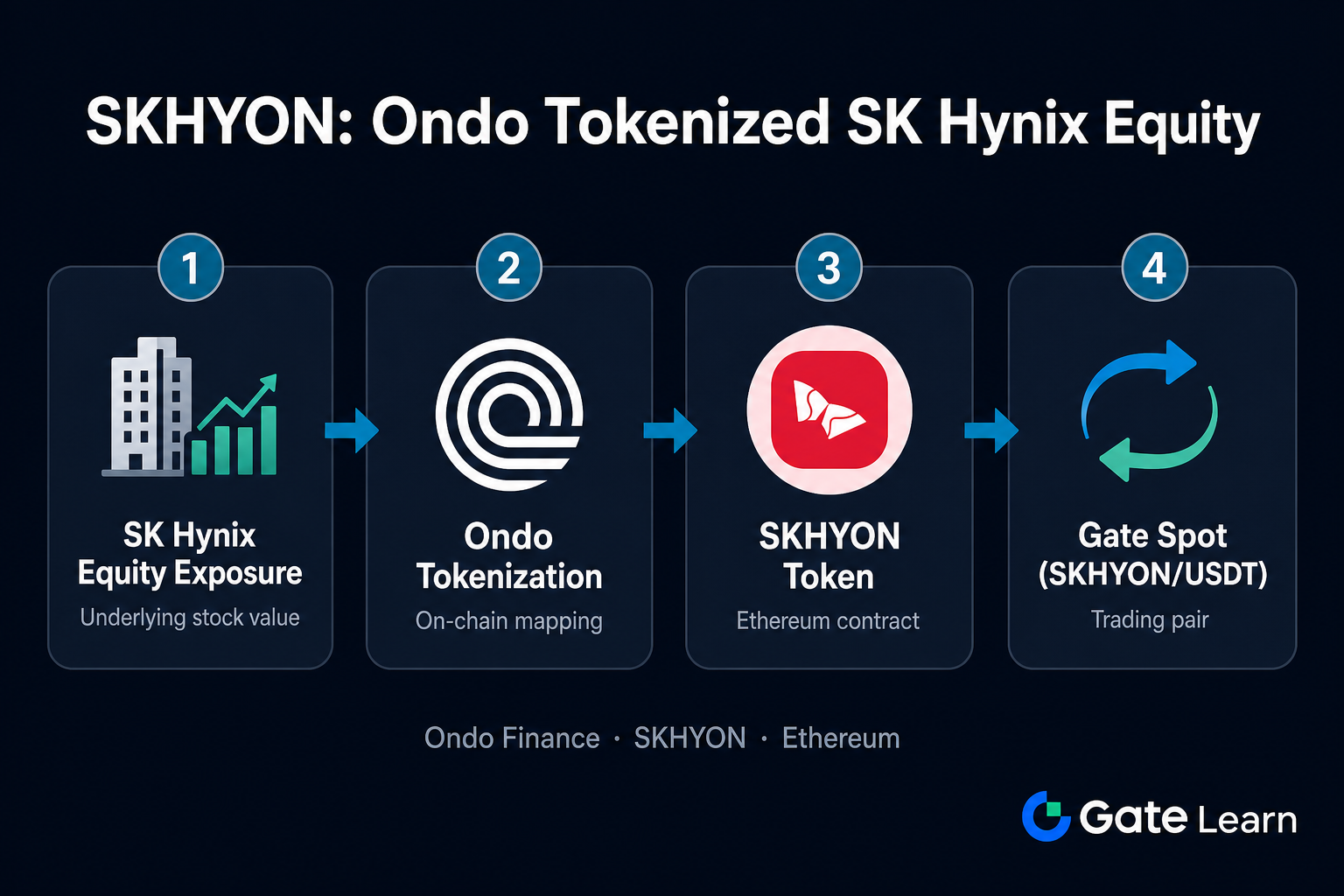
Figure 1. How Ondo maps SK Hynix equity exposure into the on-chain SKHYON token.
At the mechanism level, token supply and underlying exposure adjustments follow the issuer’s operating process. Ondo Chain is a purpose-built Layer 1 for institutions, and redemptions may be available into actual shares or fiat currency under issuer rules. On Gate Spot, users see quotes and order-book depth for SKHYON/USDT; custody and mapping rules are read from issuer disclosures, not fully from the trading screen.
How Is SKHYON Different from SKHYNIXG?
SKHYON and SKHYNIXG both relate to SK Hynix exposure, but they are not the same product: SKHYON is Ondo Finance’s SK Hynix Ondo Tokenized asset on Gate Spot (SKHYON/USDT), while SKHYNIXG sits in Gate’s tokenized-stock product context with a different venue and path, and tokenized stocks may let users invest through fractional ownership that lowers barriers to SK Hynix stock exposure.
| Dimension |
SKHYON |
SKHYNIXG |
| Issuer / product party |
Ondo Finance |
Gate tokenized-stock framework (confirm on product page) |
| Trading venue |
Gate Spot SKHYON/USDT |
Gate tokenized-stock trading path |
| Underlying mapping |
SK Hynix Ondo Tokenized equity exposure |
Tokenized SK Hynix stock; anchoring per existing Learn coverage |
| How to identify |
Ticker SKHYON + Etherscan contract |
Ticker SKHYNIXG |
Different issuers mean different compliance frameworks, supply management, and disclosure channels, with competitors often pointing to Franklin Templeton as the more institutional tokenized-ETF model rather than an Ondo-issued structure. This structure can also help asset managers with portfolio management, though product-specific verification still matters for investors. Orders must be placed on the correct product page so similar names do not cause the wrong instrument to be selected.
Other “SK Hynix tokenized” labels also appear in search and wallet apps. They are not automatically SKHYON:
| Label / surface |
Typical meaning |
Verify vs SKHYON |
| SK Hynix (Ondo Tokenized) |
Display name on Ondo / wallet pages |
Same contract 0xc0fE36F4FFBDf1B38E192215073590a68f9A2Af7 |
| xStock / SKHYx-style tickers |
Parallel naming on other apps |
Compare contract and issuer |
| Other CEX Ondo SK Hynix pairs |
Venue-specific listings |
Does not replace Gate Spot identity checks |
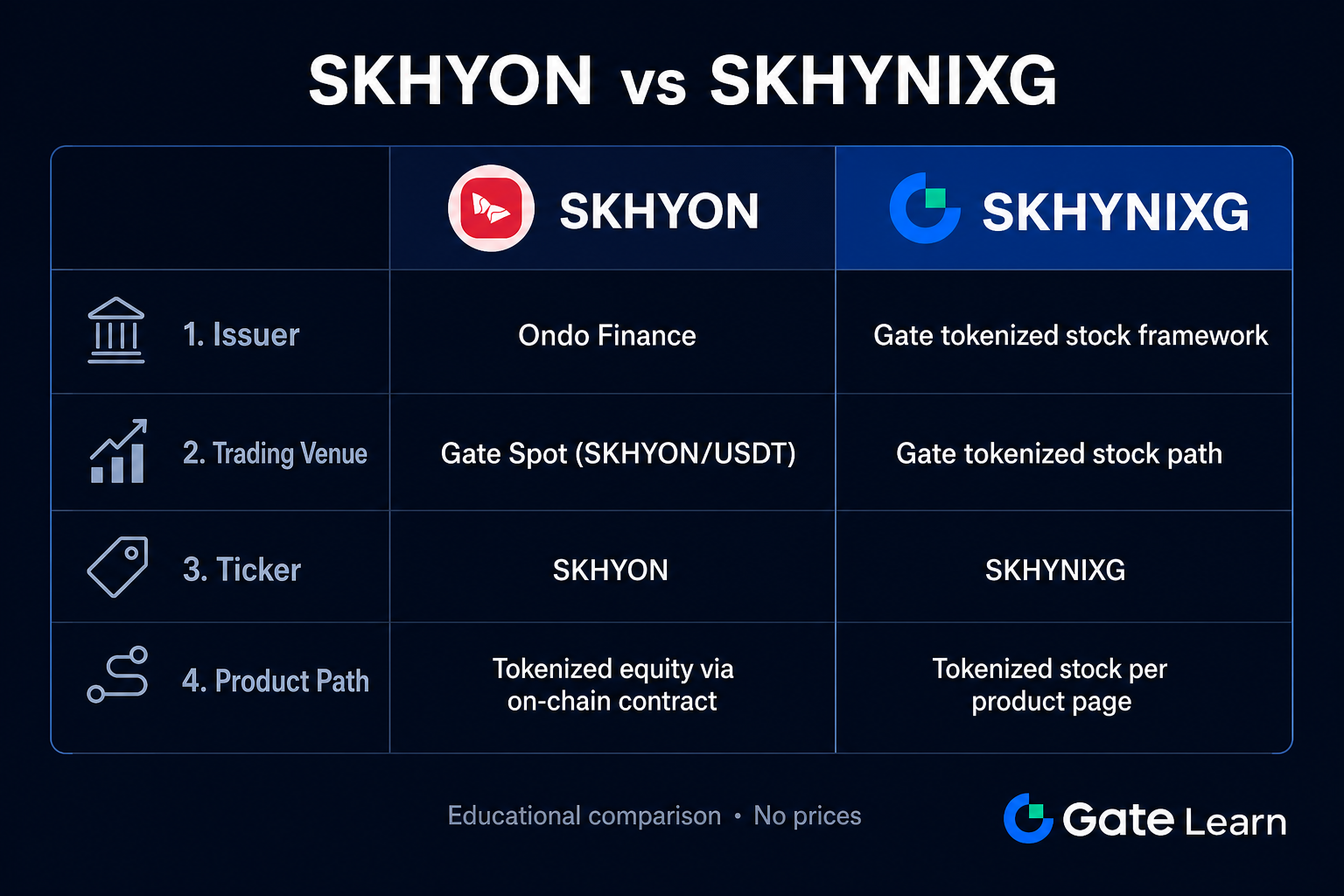
Figure 2. SKHYON vs SKHYNIXG across issuer, trading venue, and product path.
What Equity Exposure Does SKHYON Track, and Why Does AI Memory Matter?
SKHYON tracks the equity value of SK Hynix. The company operates in the broader semiconductor industry, with core business lines in memory-chip R&D and manufacturing, including DRAM and NAND. High Bandwidth Memory (HBM) is a widely discussed product line used with AI accelerators for large-scale parallel compute.
SK Hynix has long held a leading position in the global HBM supply landscape, with customers across AI chip and cloud providers. How HBM works at SK hynix covers stack structure, bandwidth, and manufacturing in more depth. Tokenized stocks can broaden access to capital tied to AI infrastructure buildout, including financing for semiconductor fabs. Peers such as Micron Technology Inc. compete in memory; SKHYON tracks SK Hynix exposure specifically—not a basket of memory stocks.
SKHYON’s value therefore moves with SK Hynix’s overall business performance, not only with short-term swings in a single product line, and market expectations around AI memory demand can influence how users assess its future value.
How Can Users View and Trade SKHYON on Gate Spot?
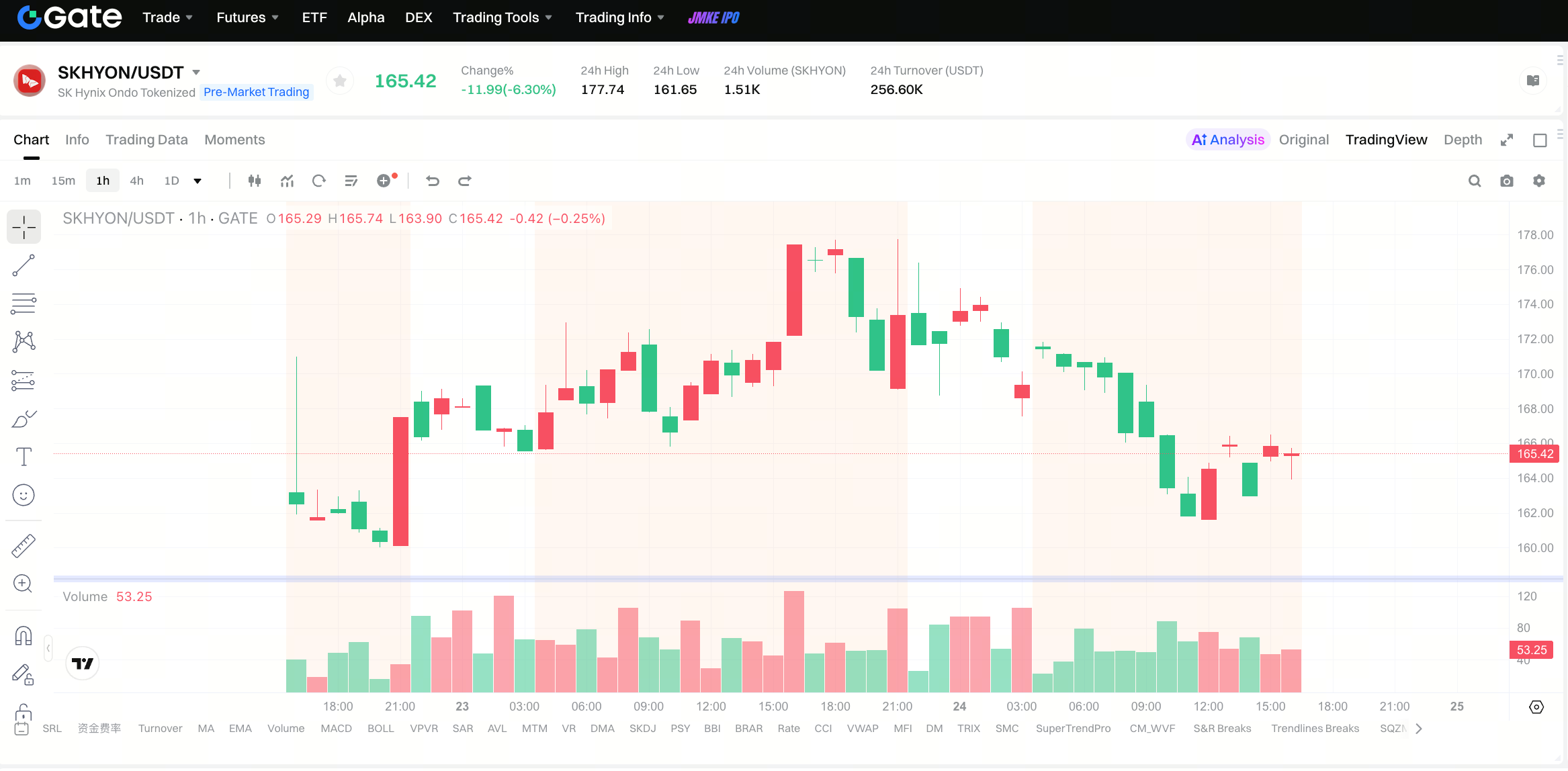
The primary entry is the Gate Spot SKHYON/USDT pair page, where users review order-book depth and trade history. Where supported, users can also trade SK Hynix tokens in real time through MetaMask, directly in-app, on a 24/5 basis. That trading window runs through Friday, while peer-to-peer transfers remain available 24/7.
| Step |
Action |
Verification tip |
| Find the pair |
Search SKHYON on Spot |
Confirm ticker and contract address |
| Review quote and depth |
Open SKHYON/USDT book |
Note spread and available depth |
| Prepare funds |
Hold USDT in the account |
Follow Spot funding rules |
| Recheck before order |
Confirm pair name and order type |
Avoid SKHYNIXG or similar tickers |
The checklist follows Gate Spot’s usual flow: confirm pair and instrument, then depth and funding, then a final check before the order. Ondo Global Markets has processed over 6 billion Dollars in cumulative trading volume and holds a 58% share of tokenized equities across global markets. SKHYON Spot trading on Gate started at 08:00 UTC on 2026-07-22 (16:00 UTC+8), per the Gate listing announcement. For reference context only, published market-data pages have cited a market cap near 1,203,732 dallars and trading volume near $1,170,757 for SK Hynix (Ondo Tokenized); treat figures as snapshots, not live quotes. Deposit and convert paths may appear in platform UI; treat them as optional routing after Spot pair identity is confirmed.
What Are the Advantages and Risks of Holding or Trading SKHYON?
Advantages and risks should be read separately. On the advantage side, SKHYON brings SK Hynix equity exposure into an on-chain environment, with trading hours and settlement paths that differ from traditional securities accounts, and tokenized equities can be more liquid across digital venues. On the risk side, tokenized-asset compliance, issuer operations, and mapping transparency add considerations beyond direct shareholding.
Four main risk types: issuer risk (Ondo Finance’s operating status can affect mapping continuity); smart-contract risk (verify contract via Etherscan); liquidity risk (SKHYON/USDT depth may be thinner than traditional equity markets); and instrument-confusion risk (mix-ups with SKHYNIXG, xStock-style labels, or “SK Hynix (Ondo Tokenized)” display names on other apps). As market context only, public trackers have cited an all-time high near $193.66 for SK Hynix (Ondo Tokenized), a CoinGecko rank around #2533, and SKHYON/USDON pair volume near $117,948—again snapshots, not trading advice.
These descriptions are structural only and are not advice to buy, hold, or sell, and past performance is not an indication of future results.
Summary
SKHYON is Ondo Finance’s SK Hynix Ondo Tokenized equity asset. An on-chain contract maps exposure into a token that trades on Gate Spot as SKHYON/USDT. SKHYON differs from SKHYNIXG and from other tokenized labels—verify ticker, contract, and venue. Token holding differs from KRX shares or ADRs in legal rights and settlement. SK Hynix’s HBM line relates to AI compute demand, useful background for SKHYON’s exposure source. Before trading or holding SKHYON, review issuer, contract, and liquidity risks.
FAQ
What is SKHYON?
SKHYON is Ondo Finance’s SK Hynix Ondo Tokenized asset that maps SK Hynix equity exposure into an on-chain token. The ticker is SKHYON, deployed on Ethereum. Users trade it on Gate Spot via SKHYON/USDT. Identify by ticker and contract, not the company name alone.
How does SKHYON relate to SK Hynix stock?
SKHYON is an on-chain mapping of economic exposure to SK Hynix equity, not a security issued by the company. Legal rights, settlement, and custody differ from direct shareholding. Token holders should read Ondo product terms before assuming shareholder rights.
How is SKHYON different from SKHYNIXG?
SKHYON comes from Ondo Finance and trades on Gate Spot as SKHYON/USDT; SKHYNIXG belongs to Gate’s tokenized-stock framework on a separate path. Institutional tokenization models may also involve regulated firms with formal legal structures, often set up as limited companies, so both relate to SK Hynix exposure—check ticker and contract before an order.
Is SKHYON the same as “SK Hynix (Ondo Tokenized)” or other tokenized stocks like xStock labels?
Not automatically. SK Hynix (Ondo Tokenized) is often a display name on Ondo or wallet pages; xStock-style tickers on other apps may refer to parallel products. SKHYON on Gate Spot is identified by ticker SKHYON plus contract 0xc0fE36F4FFBDf1B38E192215073590a68f9A2Af7.
Do SKHYON holders get the same rights as SK Hynix shareholders?
No. SKHYON maps economic exposure under Ondo product terms; it does not automatically confer voting, dividend, or corporate-action rights of KRX shares or Nasdaq ADRs.
How do you trade SKHYON on Gate?
Search SKHYON on Gate Spot to open SKHYON/USDT, review depth and history, then place orders under Spot rules. Where the 24/5 schedule applies, the trading week runs until Friday, but verify current venue hours before placing orders. Confirm contract address and pair name before submitting.
What are the main risks of trading or holding SKHYON?
Main risks include issuer risk, smart-contract security risk, liquidity risk, and operational mix-ups with similar tickers or labels. Tokenized real-world assets can also extend beyond equities to bonds, ETFs, and treasuries, which matters when comparing platform and issuer risk. Liquidity and settlement risk can also vary across trading pairs and currencies. These are mechanism-level factors, not investment advice.