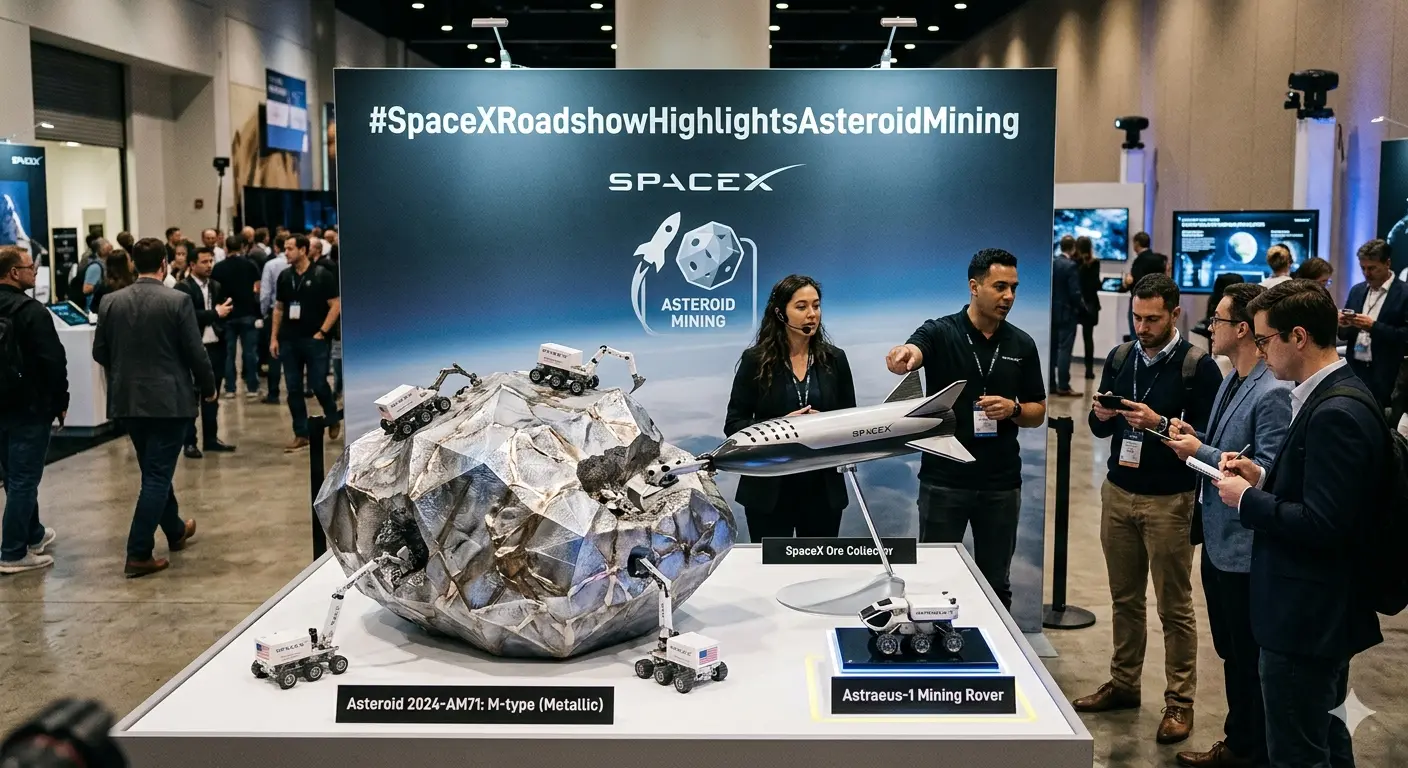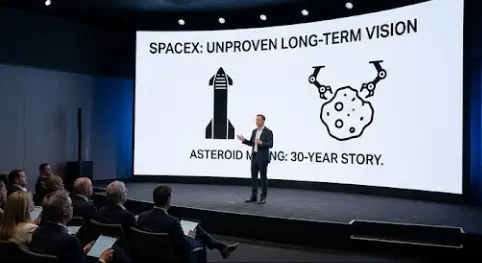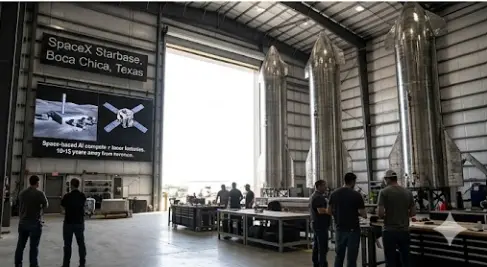
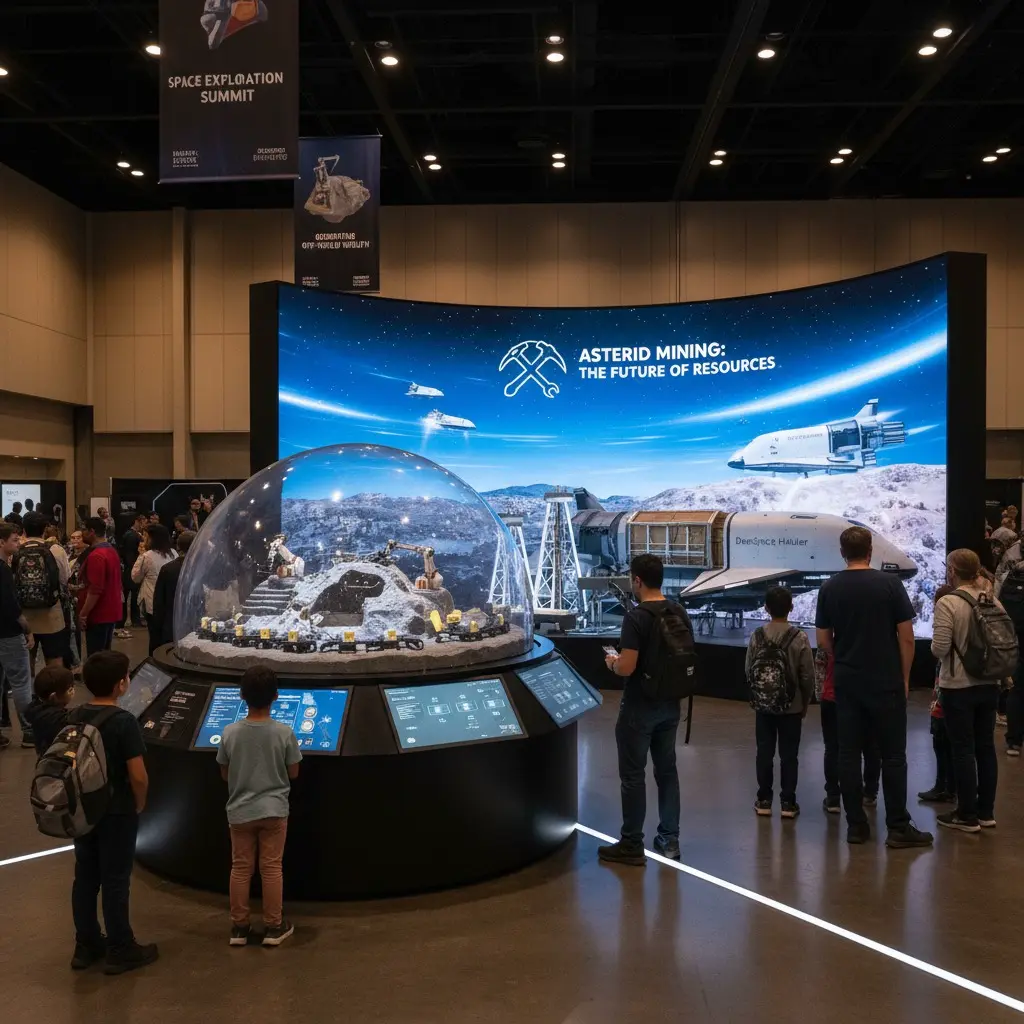



#SpaceXRoadshowHighlightsAsteroidMining
🚀 SpaceX IPO: The $1.78 Trillion Reality Check — History’s Most Aggressive Market Bet
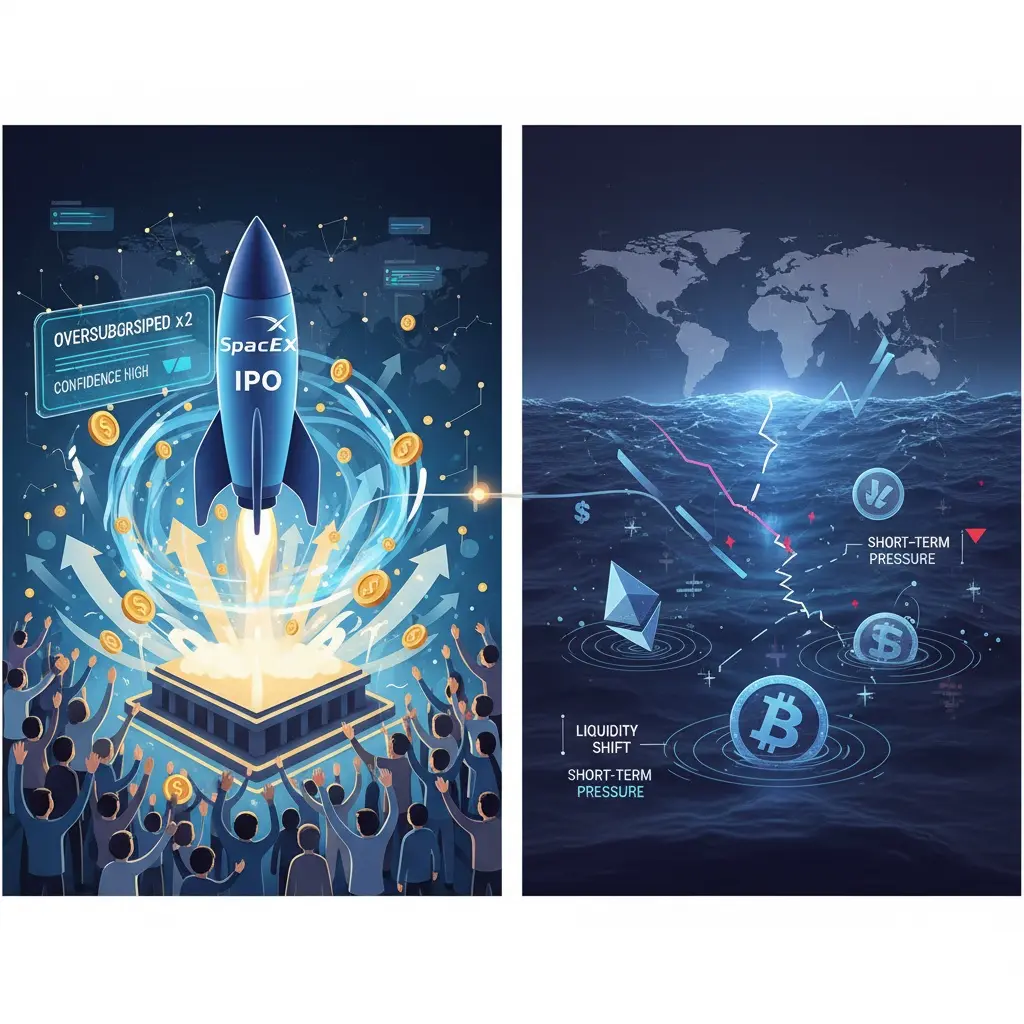
🔥 The Biggest IPO in History (If It Holds)
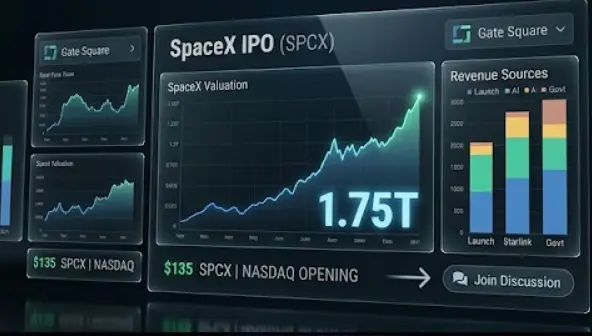
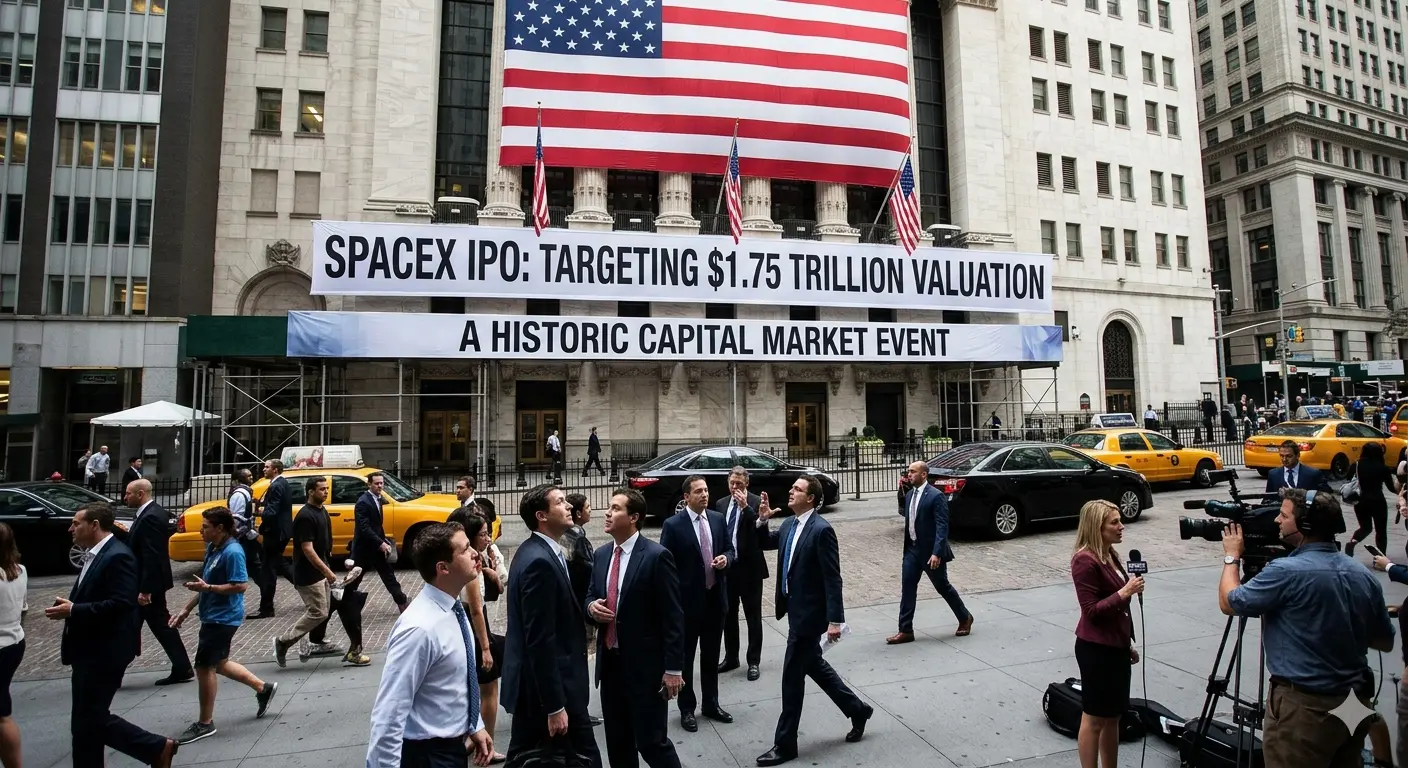
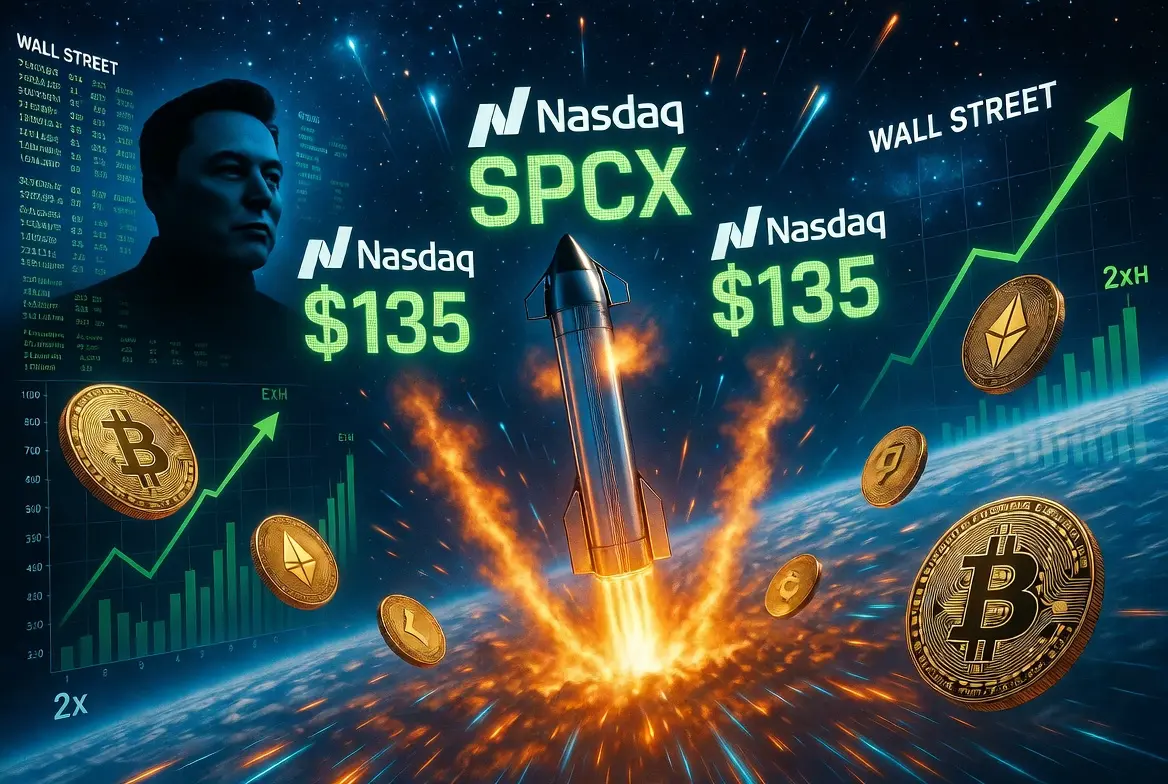
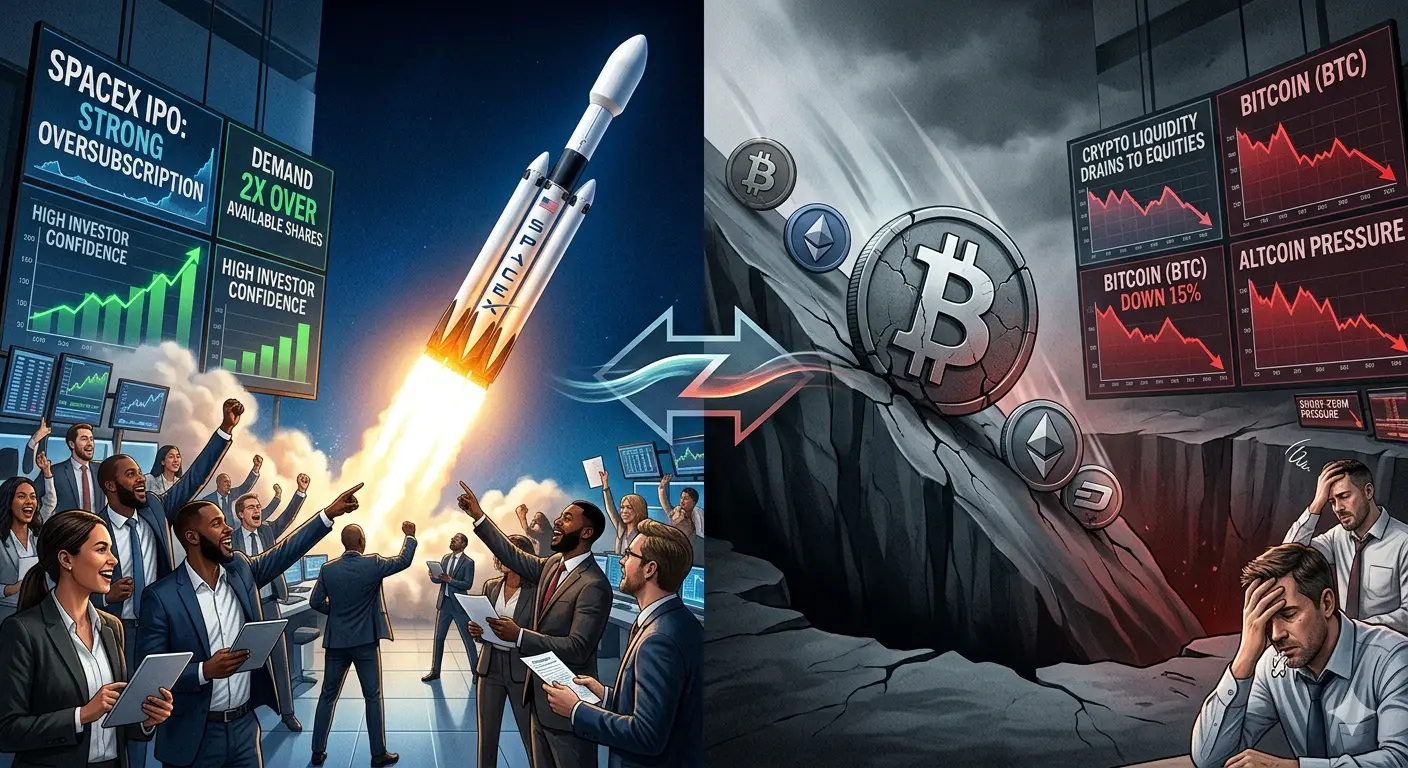
The market is preparing for a potential record-breaking event: the IPO of SpaceX at a targeted valuation of $1.75–$1.78 trillion, listing under the ticker SPCX on Nasdaq.
If priced at $135 per share, this would immediately surpass Saudi Aramco’s historic $1.7T listing and place SpaceX among the world’s most valuable public companies — alongside Apple, Microsoft, Meta, and Tesla.
But behind the hype lies a far more complex reality:
This is not a stable cash-generating giant. It is a high-burn, high-vision, high-risk expansion machine.
📅 Timeline: Fast-Tracked Market Entry
June 4, 2026 → IPO roadshow begins
June 11 → Pricing decision
June 12 → Expected trading debut
This compressed timeline is unusual for a trillion-dollar offering and signals strong institutional demand pressure — or aggressive capital timing needs.
📊 Financial Reality: Growth vs Burn
📈 Revenue Growth (Strong Top Line)
2024: $14.1B
2025: $18.7B (+33%)
Q1 2026: $4.7B
Growth is solid — but profitability tells a different story.
❌ Profitability Breakdown (Core Concern)
2025 Net Loss: $4.94B
Q1 2026 Net Loss: $4.3B
Monthly cash burn: ~$1B
Accumulated deficit: $41.3B
👉 Interpretation:
SpaceX is effectively scaling revenue while scaling losses at nearly the same speed.
This is not yet a self-sustaining enterprise.
🧠 Segment Analysis: What Actually Works
🛰️ Starlink — The Only Profit Engine
Subscribers: ~10.3M
Q1 Revenue: $3.26B (69% share)
Operating Profit: $1.19B
Annualized profit run-rate: ~$5B
👉 This is the only structurally profitable division and the core valuation anchor.
🚀 Rocket Launch Business — Structural Drag
Q1 Operating Loss: -$619M
Despite dominance, launch operations remain:
Capital intensive
Highly cyclical
Dependent on government pricing dynamics
🤖 AI + Infrastructure Unit — Major Burn Center
Q1 Operating Loss: -$2.5B
R&D surge: +300% ($5.06B annualized)
GPU depreciation: $1.67B
👉 This segment is currently a cash incinerator, not a profit driver.
🌍 The $28.5 Trillion TAM Narrative
SpaceX’s roadshow presents a massive opportunity map:
Starlink Broadband: $870B
Starlink Mobile: $740B
Digital Ads: $600B
AI Infrastructure: $2.4T
Enterprise AI Applications: $22.7T
⚠️ Reality Check:
These projections assume:
orbital data centers by 2028
massive satellite scaling (up to 1M units approved)
point-to-point space transport commercialization
👉 Most of this is theoretical or pre-commercial, not validated revenue.
⚠️ Key Risk Factors Investors Are Ignoring
1. 💸 Cash Burn Dependency
At current burn rate, even a $75B IPO raise may only provide 18–24 months of runway.
2. 🧑🚀 Elon Musk Concentration Risk
42% ownership
$688B option exposure
Performance vesting tied to Mars colony with 1M people
👉 Incentive structure is visionary — but not financially grounded in near-term profitability.
3. 🏛️ Customer Concentration Risk
U.S. Government (NASA/DoD)
Anthropic contract: $1.25B/month (terminable in 90 days)
👉 Revenue stability is not guaranteed.
4. 🔗 Related Party Transactions
$131M Tesla Cybertruck purchases
$697M Tesla Megapack deals
👉 Governance complexity is unusually high for a public entity.
📈 Investment Scenarios Post-IPO
🟢 Bull Case (Momentum Breakout)
If SPCX trades above IPO:
$162 → Take partial profits
$175 → Reduce exposure
$200+ → Exit majority position
📌 Trigger confirmation:
Sustained volume + analyst upgrades + strong institutional inflow
🔴 Bear Case (Weak Demand)
If price holds or drops:
$135 → Hold cautiously
$120 → Accumulate selectively
$100 → Risk-off evaluation
$80 → Long-term speculative entry zone
📌 Warning signals:
insider selling
secondary share issuance
accelerating quarterly losses (> $5B)
📊 Technical Psychology Levels
Resistance:
$162 → IPO hype zone
$175 → institutional ceiling
$200 → sentiment reversal extreme
Support:
$135 → IPO anchor
$120 → accumulation zone
$100 → retail panic threshold
$80 → deep value speculation
⚖️ Gross Margin Target: 70% — Realistic or Marketing?
Current Situation:
~49% gross margin baseline
Key Drivers Needed for 70%:
1. Starlink scaling efficiency
Must reduce:
satellite cost per unit
customer acquisition cost
launch cost per deployed unit
2. AI business stabilization
Currently:
heavy losses
rising R&D burden
infrastructure overbuild risk
3. Launch business restructuring
Requires:
Starship full reusability success
high cadence launches
reduced marginal cost per flight
📉 Probability Outlook for 70% Margin
🟡 Base Case (40%): 60–65% by 2028
🟢 Bull Case (25%): 70% achieved via Starship + AI turnaround
🔴 Bear Case (35%): 45–55% ceiling due to structural costs
👉 Conclusion:
70% margin is aspirational, not forecastable certainty.
🧠 Final Verdict: Investment or Speculation?
SpaceX IPO is not a traditional equity story.
It is a hybrid of:
infrastructure buildout
deep-tech speculation
government dependency
long-horizon AI bet
✔️ Bull Case
Starlink profitability is real
network effects are strong
index inclusion forces passive inflows
❌ Bear Case
massive cash burn
execution risk across multiple frontier technologies
governance concentration
valuation assumes near-perfect execution
🧭 Investor Takeaway
This IPO is not about current earnings.
It is about whether SpaceX can transform from:
“a rocket + satellite infrastructure company burning billions”
into
“a multi-sector space + AI + communications monopoly”
That transition is not guaranteed — and not priced for error.
🎯 Risk Warning
This analysis is for informational and educational purposes only. High volatility and capital loss risk exist due to speculative valuation, execution uncertainty, and early-stage technology dependency.
🚀 SpaceX IPO: The $1.78 Trillion Reality Check — History’s Most Aggressive Market Bet
🔥 The Biggest IPO in History (If It Holds)
The market is preparing for a potential record-breaking event: the IPO of SpaceX at a targeted valuation of $1.75–$1.78 trillion, listing under the ticker SPCX on Nasdaq.
If priced at $135 per share, this would immediately surpass Saudi Aramco’s historic $1.7T listing and place SpaceX among the world’s most valuable public companies — alongside Apple, Microsoft, Meta, and Tesla.
But behind the hype lies a far more complex reality:
This is not a stable cash-generating giant. It is a high-burn, high-vision, high-risk expansion machine.
📅 Timeline: Fast-Tracked Market Entry
June 4, 2026 → IPO roadshow begins
June 11 → Pricing decision
June 12 → Expected trading debut
This compressed timeline is unusual for a trillion-dollar offering and signals strong institutional demand pressure — or aggressive capital timing needs.
📊 Financial Reality: Growth vs Burn
📈 Revenue Growth (Strong Top Line)
2024: $14.1B
2025: $18.7B (+33%)
Q1 2026: $4.7B
Growth is solid — but profitability tells a different story.
❌ Profitability Breakdown (Core Concern)
2025 Net Loss: $4.94B
Q1 2026 Net Loss: $4.3B
Monthly cash burn: ~$1B
Accumulated deficit: $41.3B
👉 Interpretation:
SpaceX is effectively scaling revenue while scaling losses at nearly the same speed.
This is not yet a self-sustaining enterprise.
🧠 Segment Analysis: What Actually Works
🛰️ Starlink — The Only Profit Engine
Subscribers: ~10.3M
Q1 Revenue: $3.26B (69% share)
Operating Profit: $1.19B
Annualized profit run-rate: ~$5B
👉 This is the only structurally profitable division and the core valuation anchor.
🚀 Rocket Launch Business — Structural Drag
Q1 Operating Loss: -$619M
Despite dominance, launch operations remain:
Capital intensive
Highly cyclical
Dependent on government pricing dynamics
🤖 AI + Infrastructure Unit — Major Burn Center
Q1 Operating Loss: -$2.5B
R&D surge: +300% ($5.06B annualized)
GPU depreciation: $1.67B
👉 This segment is currently a cash incinerator, not a profit driver.
🌍 The $28.5 Trillion TAM Narrative
SpaceX’s roadshow presents a massive opportunity map:
Starlink Broadband: $870B
Starlink Mobile: $740B
Digital Ads: $600B
AI Infrastructure: $2.4T
Enterprise AI Applications: $22.7T
⚠️ Reality Check:
These projections assume:
orbital data centers by 2028
massive satellite scaling (up to 1M units approved)
point-to-point space transport commercialization
👉 Most of this is theoretical or pre-commercial, not validated revenue.
⚠️ Key Risk Factors Investors Are Ignoring
1. 💸 Cash Burn Dependency
At current burn rate, even a $75B IPO raise may only provide 18–24 months of runway.
2. 🧑🚀 Elon Musk Concentration Risk
42% ownership
$688B option exposure
Performance vesting tied to Mars colony with 1M people
👉 Incentive structure is visionary — but not financially grounded in near-term profitability.
3. 🏛️ Customer Concentration Risk
U.S. Government (NASA/DoD)
Anthropic contract: $1.25B/month (terminable in 90 days)
👉 Revenue stability is not guaranteed.
4. 🔗 Related Party Transactions
$131M Tesla Cybertruck purchases
$697M Tesla Megapack deals
👉 Governance complexity is unusually high for a public entity.
📈 Investment Scenarios Post-IPO
🟢 Bull Case (Momentum Breakout)
If SPCX trades above IPO:
$162 → Take partial profits
$175 → Reduce exposure
$200+ → Exit majority position
📌 Trigger confirmation:
Sustained volume + analyst upgrades + strong institutional inflow
🔴 Bear Case (Weak Demand)
If price holds or drops:
$135 → Hold cautiously
$120 → Accumulate selectively
$100 → Risk-off evaluation
$80 → Long-term speculative entry zone
📌 Warning signals:
insider selling
secondary share issuance
accelerating quarterly losses (> $5B)
📊 Technical Psychology Levels
Resistance:
$162 → IPO hype zone
$175 → institutional ceiling
$200 → sentiment reversal extreme
Support:
$135 → IPO anchor
$120 → accumulation zone
$100 → retail panic threshold
$80 → deep value speculation
⚖️ Gross Margin Target: 70% — Realistic or Marketing?
Current Situation:
~49% gross margin baseline
Key Drivers Needed for 70%:
1. Starlink scaling efficiency
Must reduce:
satellite cost per unit
customer acquisition cost
launch cost per deployed unit
2. AI business stabilization
Currently:
heavy losses
rising R&D burden
infrastructure overbuild risk
3. Launch business restructuring
Requires:
Starship full reusability success
high cadence launches
reduced marginal cost per flight
📉 Probability Outlook for 70% Margin
🟡 Base Case (40%): 60–65% by 2028
🟢 Bull Case (25%): 70% achieved via Starship + AI turnaround
🔴 Bear Case (35%): 45–55% ceiling due to structural costs
👉 Conclusion:
70% margin is aspirational, not forecastable certainty.
🧠 Final Verdict: Investment or Speculation?
SpaceX IPO is not a traditional equity story.
It is a hybrid of:
infrastructure buildout
deep-tech speculation
government dependency
long-horizon AI bet
✔️ Bull Case
Starlink profitability is real
network effects are strong
index inclusion forces passive inflows
❌ Bear Case
massive cash burn
execution risk across multiple frontier technologies
governance concentration
valuation assumes near-perfect execution
🧭 Investor Takeaway
This IPO is not about current earnings.
It is about whether SpaceX can transform from:
“a rocket + satellite infrastructure company burning billions”
into
“a multi-sector space + AI + communications monopoly”
That transition is not guaranteed — and not priced for error.
🎯 Risk Warning
This analysis is for informational and educational purposes only. High volatility and capital loss risk exist due to speculative valuation, execution uncertainty, and early-stage technology dependency.