The importance of HSY’s business model mainly comes from the stable demand within the consumer food industry. Food consumption is usually frequent by nature, allowing Hershey to maintain long term cash flow through large scale product sales.
HSY’s revenue mechanism involves chocolate production, snack expansion, global channel coverage, raw material procurement, and brand licensing. These different modules work together to influence HSY’s profit margins, market share, and long term operating capacity.
What Is HSY’s Business Model?
HSY’s business model is essentially driven by consumer brands. The Hershey Company continuously reaches the everyday snack market and seasonal consumption market through branded products, creating a stable source of revenue.
Structurally, HSY’s business model includes three core parts:
-
Product sales
-
Brand operations
-
Channel distribution
HSY’s revenue mainly comes from end market food sales. Hershey produces chocolate, candy, and snack products, then sells them to consumers through supermarkets, convenience stores, ecommerce platforms, and other retail channels.
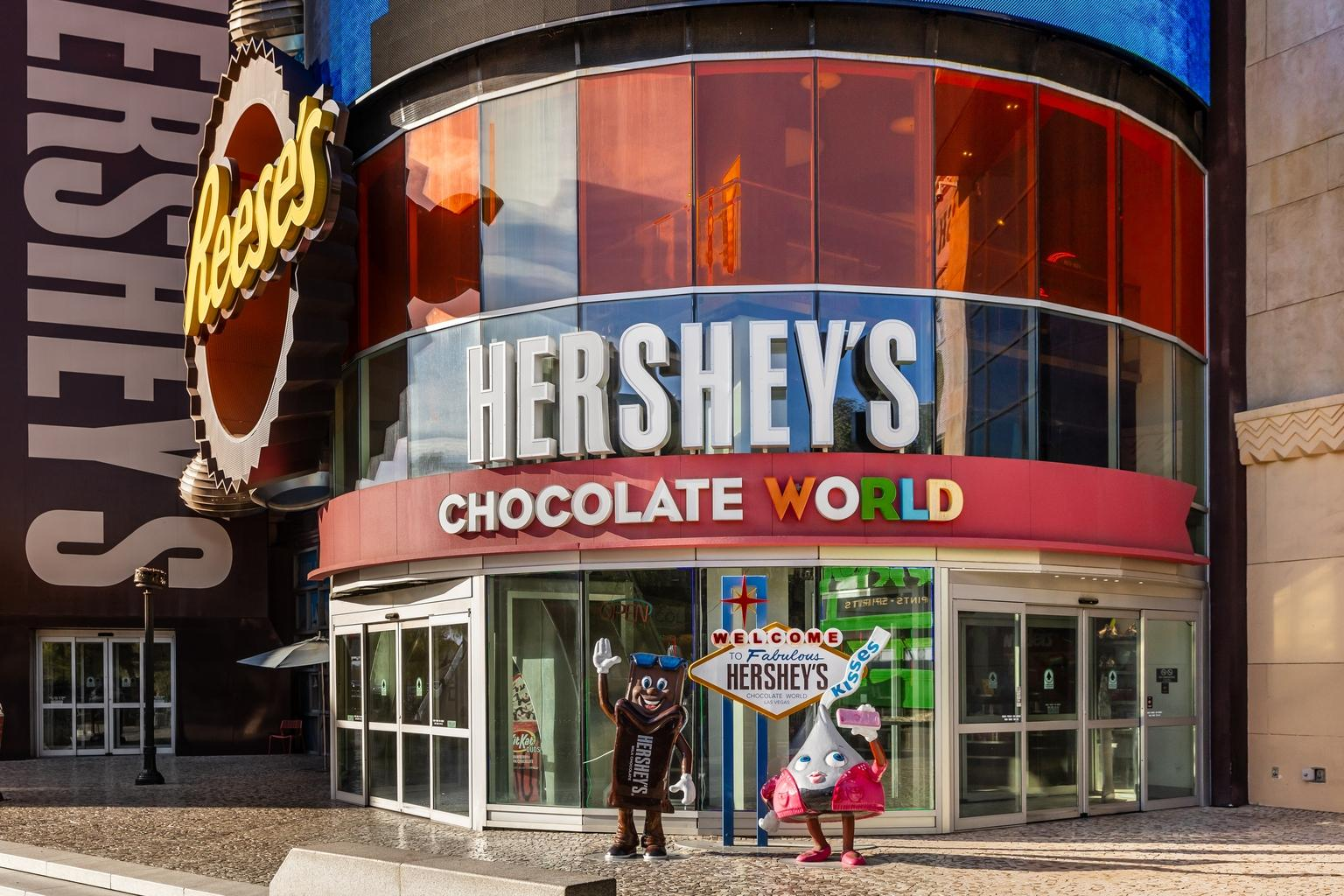
What sets HSY’s business model apart from that of ordinary food companies is its high level of brand concentration. Brands such as Hershey's and Reese's have long maintained strong market recognition, which gives Hershey relatively strong pricing power.
This business model means HSY relies not only on food production capacity, but also on brand marketing and established consumer habits to build long term market advantages.
How HSY Generates Revenue From Chocolate Products
HSY’s main revenue source has long been the sale of chocolate products. Through a standardized production system, Hershey sells chocolate products to the retail market at large scale.
HSY’s revenue process usually includes four stages: raw material procurement, product manufacturing, channel distribution, and end retail sales. First, Hershey purchases raw materials such as cocoa, sugar, and dairy products. Then, its production facilities complete the chocolate processing and packaging process.
Next, HSY distributes products to supermarkets, convenience stores, and online platforms through major retail channels. Finally, consumers complete end purchases through everyday consumption and seasonal shopping.
HSY’s chocolate business has clear seasonal consumption characteristics. Holidays such as Halloween, Christmas, and Valentine’s Day are usually important sales periods for Hershey.
An important reason HSY can maintain chocolate revenue over the long term is its frequent brand exposure and mature distribution network. The consumer food industry usually depends heavily on channel coverage, so the number of retail points directly affects product sales.
How Snacks and Health Foods Become New Growth Drivers for HSY
One of HSY’s recent business expansion priorities has been to continue increasing the revenue share of snacks and health foods. Growth in the traditional chocolate market is relatively stable, so Hershey has begun strengthening its non chocolate snack business.
The core logic behind HSY’s snack expansion is to increase the frequency of everyday consumption. Chocolate products are usually more dependent on seasonal consumption, while snack products can cover more scenarios, including offices, sports, and leisure.
HSY’s snack business process usually includes brand acquisitions, product development, and channel expansion. First, Hershey evaluates demand in new snack markets. Then, HSY expands its product categories through internal research and development or brand acquisitions.
Next, HSY uses its existing retail system to quickly expand the coverage of snack products. Eventually, snack products gradually form a stable source of sales revenue.
The table below shows the main directions of HSY’s snack expansion:
| Expansion Direction |
Main Goal |
Business Role |
| Frequent snacking |
Increase consumption frequency |
Add stable revenue |
| Health foods |
Reach younger users |
Expand market structure |
| Ready to eat products |
Add consumption scenarios |
Reduce seasonal dependence |
| International snacks |
Expand overseas markets |
Increase global revenue |
The significance of HSY’s snack business expansion is that it reduces the cyclical volatility of the traditional chocolate business while improving the stability of the overall product portfolio.
How HSY’s Channel System Reaches the Global Market
The core of HSY’s channel system is to use large retail networks to reach end consumer markets. The food industry usually depends heavily on channel strength, so retail coverage directly affects sales scale.
HSY’s channel system includes supermarkets, convenience stores, ecommerce platforms, and wholesale networks. First, Hershey builds long term partnerships with major retailers. Then, HSY distributes products to different markets through regional warehousing systems.
Next, the channel system adjusts inventory structures based on holiday cycles and market demand. Finally, end consumers purchase HSY products through different retail settings.
HSY’s channel advantage mainly comes from its long standing brand influence and reliable supply capability. Major retail platforms usually prefer to build long term partnerships with established food brands.
HSY’s global channel expansion also helps Hershey reduce the risk of relying on a single market. Although North America remains HSY’s core market, the importance of international market revenue is gradually rising.
How HSY Controls Raw Material and Production Costs
HSY’s profit structure is clearly affected by raw material prices, so supply chain and cost control are key parts of Hershey’s business model.
HSY’s cost control process mainly includes centralized procurement, long term contracts, and large scale production. First, Hershey purchases basic raw materials such as cocoa, sugar, and dairy products. Then, HSY uses long term procurement agreements to reduce the risk of short term price fluctuations.
Next, centralized factories use large scale production to lower unit costs. Finally, logistics and inventory systems further optimize the efficiency of the overall supply chain.
Cocoa prices are usually an important variable affecting HSY’s costs. Changes in global cocoa supply may directly affect Hershey’s profit margin performance.
HSY also controls profit volatility through product mix adjustments. For example, some higher margin snack products can help HSY cushion the pressure of rising raw material prices.
How Brand Licensing and Co Branded Partnerships Affect HSY’s Earnings
HSY’s revenue comes not only from product sales, but also from brand licensing and co branded partnerships. The consumer brand industry often uses licensing mechanisms to expand brand influence.
HSY’s brand licensing process usually includes brand partnerships, product development, and market promotion. First, Hershey selects suitable brand partners. Then, co branded products enter the product design and marketing stage.
Next, retail channels expand the exposure of co branded products. Finally, co branded products can increase brand momentum and sales scale.
HSY’s brand licensing mechanism has two main functions:
This mechanism means HSY’s brand value is reflected not only in food sales, but also in consumer culture and market recognition.
Some co branded partnerships can also help HSY increase the sales share of higher margin products, improving the overall revenue structure.
What Are the Limitations of HSY’s Business Model?
Although HSY’s business model benefits from stable consumer demand, the food industry still faces limitations related to raw materials, market growth, and competitive pressure.
One of HSY’s main limitations is the limited growth rate of mature consumer markets. The North American chocolate market is already relatively mature, making it difficult for HSY to maintain high growth over the long term.
Rising raw material prices may also compress HSY’s profit margins. Fluctuations in global cocoa and sugar prices usually have a direct impact on Hershey’s production costs.
HSY also needs to deal with pressure from changing consumer habits. Some consumers are beginning to reduce their intake of high sugar foods, so health food trends may affect the growth of the traditional chocolate business.
From a market competition perspective, large food companies such as Mars, Incorporated are also continuing to expand their snack and casual food businesses, so competition remains intense.
Conclusion
The core of HSY’s business model is to build a long term consumer revenue structure through chocolate, snacks, channels, and brands.
HSY uses large scale production, global channels, and brand operation capabilities to maintain market competitiveness, while expanding new revenue sources through snacks and health foods.
Raw material prices, consumer trends, and market competition will continue to affect HSY’s profit structure and long term operating performance.
FAQs
What Are HSY’s Main Revenue Sources?
HSY’s main revenue sources include chocolate products, snack products, candy operations, and a branded sales system. The Hershey Company has long relied on consumer food sales to build stable cash flow.
Why Is HSY Expanding Its Snack Business?
The core reason HSY is expanding its snack business is to reduce the cyclical impact of the traditional chocolate market. Snack products usually have a higher frequency of everyday consumption, so they can improve revenue stability.
How Does HSY Control Production Costs?
HSY controls production costs through centralized procurement, long term raw material contracts, and a large scale factory system. Changes in cocoa prices are usually an important factor affecting HSY’s cost structure.
How Does HSY’s Brand Licensing Mechanism Work?
HSY expands market exposure through co branded partnerships and brand licensing. Brand licensing can not only increase product sales, but also help Hershey reach more young consumers.
What Is the Biggest Limitation of HSY’s Business Model?
The biggest limitations of HSY’s business model mainly include slowing growth in mature markets, raw material price volatility, and changes in health conscious consumption trends. Competition in the food industry will also continue to affect HSY’s market share.