As the global consumer market continues to mature, food companies are playing an increasingly stable role. No matter how the economic environment changes, people always need to buy food, which is why consumer staples companies usually have relatively strong cash flow stability. This is also one of the main reasons GIS has long been viewed as a “defensive consumer stock.”
At the same time, trends in healthy foods, premium consumption, and the pet economy are reshaping the global food industry. For General Mills, its business model is built not only on traditional food sales, but also on a long standing brand moat, supply chain capabilities, and a global retail system.
General Mills (GIS) Food Consumer Business Model
GIS’s core business model is essentially about creating long term, stable consumer demand through branded food products. For most “consumer staples companies,” what truly matters is not just producing food, but consistently holding a place in consumers’ minds. For example, when shoppers enter a supermarket, they often choose familiar brands first rather than unfamiliar products. This deeply rooted consumer habit is also the core logic behind the “GIS business model.”
At the same time, the “packaged food industry” has clear high frequency consumption characteristics. Breakfast cereals, snacks, ice cream, and pet food are all everyday repeat purchase products, allowing companies to generate stable revenue on an ongoing basis.
Compared with industries that rely on one time purchases, the core advantage of food consumer companies lies in cash flow stability. Consumers may cut back on electronics purchases, but they usually do not stop buying food. This is an important reason GIS has long maintained defensive characteristics.
Source: generalmills.com
How General Mills Achieves Long Term Growth Through Brands
Brand strength is one of General Mills’s most important competitive advantages.
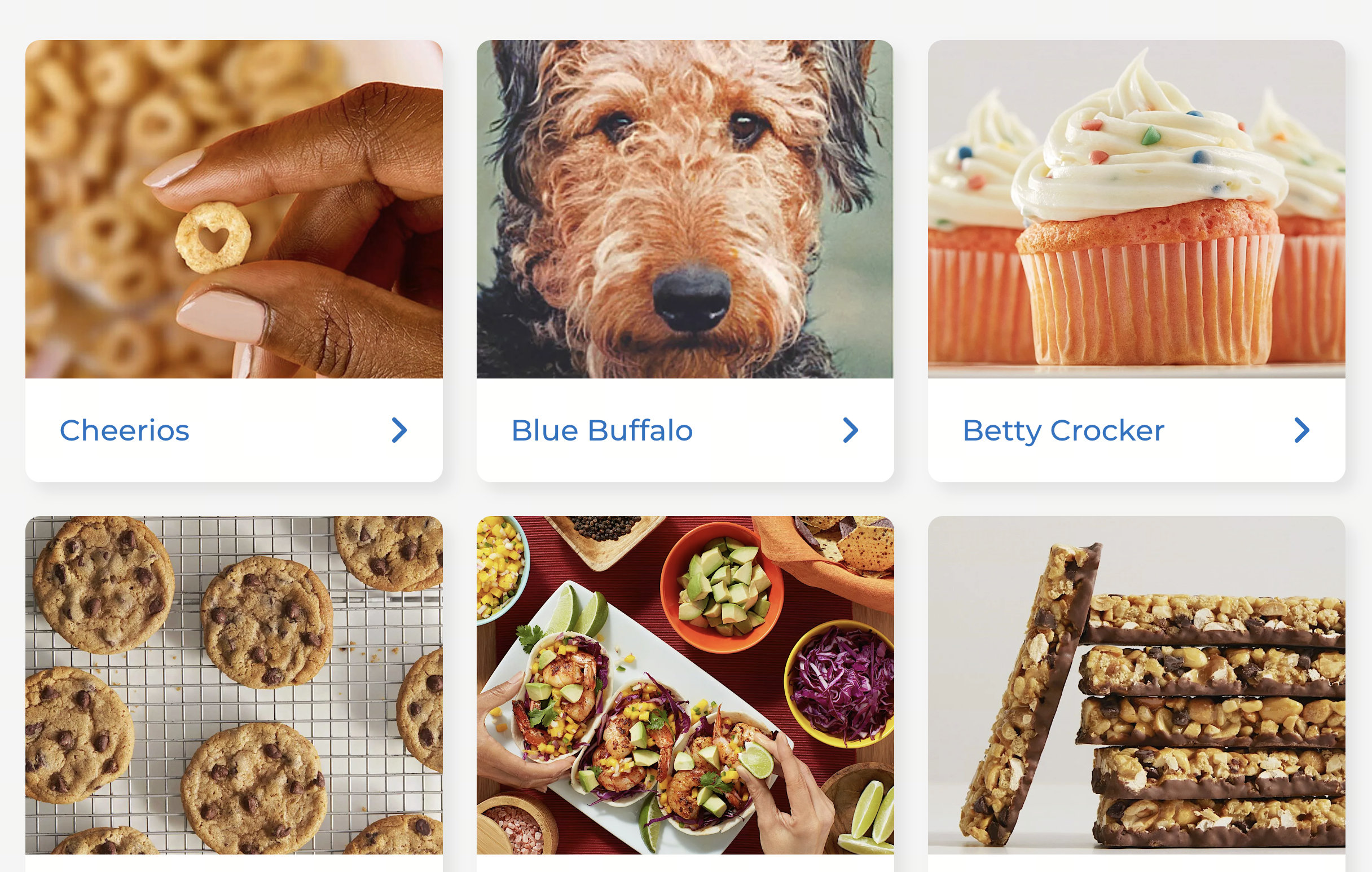
In the global food industry, “General Mills brands” have long covered multiple consumption occasions, including breakfast, snacks, ice cream, and pet food. Cheerios, for example, has extremely strong recognition in the breakfast cereal market, while Häagen-Dazs is a globally known premium ice cream brand.
This long term brand accumulation gradually creates a “food brand moat.” Consumers often show clear habitual behavior in food purchases. Once they develop a brand preference, they are more likely to buy the same brand repeatedly over the long run.
At the same time, GIS continues to strengthen brand influence through advertising, channels, and product innovation. Shelf placement in major supermarkets, advertising exposure, and promotional campaigns, for instance, can all affect consumers’ final purchase decisions.
Therefore, the “consumer brand logic” is not simply about selling products. It is about building stable repeat purchase behavior through long term brand recognition, which is also an important foundation for General Mills’s long term growth.
How GIS’s Supply Chain and Retail System Work
GIS’s operations rely heavily on a global supply chain and retail system.
Within the “GIS supply chain,” the company typically needs to procure large volumes of raw materials such as grains, dairy products, sugar, and packaging materials, then process and package food through its global production system.
At the same time, the food industry depends heavily on the “food retail system.” General Mills products are sold mainly through large supermarkets, convenience stores, ecommerce platforms, and wholesale channels, so relationships with retailers are highly important.
Compared with smaller food companies, GIS has stronger global food channel coverage. Large supermarkets, for example, are often more willing to build long term partnerships with established brands because well known brands can deliver more stable sales.
In addition, a scaled supply chain can help GIS reduce transportation, procurement, and production costs, thereby improving overall profit margins.
Why Scale Matters So Much for GIS
Scale is one of the most important competitive advantages in the food consumer industry.
In terms of “food industry scale effects,” large companies usually have stronger purchasing power. When GIS purchases grains or packaging materials at scale, for example, it can often secure lower costs, something smaller companies find difficult to achieve.
Logistics and production systems also offer clear scale advantages. Large food companies can reduce unit costs through global factories, automated production, and mature distribution systems, and this “GIS cost advantage” further improves profit margins.
Brand scale is equally important. In the consumer goods industry, advertising budgets, channel resources, and brand exposure usually require long term accumulation, and large companies are generally better positioned to maintain global brand operations.
As a result, “consumer goods economies of scale” affect not only cost structures, but also a company’s long term market share and competitiveness.
How GIS Is Expanding into Pet Food and Health Food Markets
In recent years, pet food and healthy foods have become two of the fastest growing areas in the global consumer market, and GIS has been actively expanding in both.
Through its “Blue Buffalo” business, General Mills entered the premium pet food market and has gradually developed it into one of its core growth segments. As the global pet economy grows, consumers are increasingly willing to pay higher prices for high quality pet food.
At the same time, the “health food trend” is changing the traditional food industry. Consumers are paying more attention to low sugar, organic, high protein, and natural foods, and large food companies must keep adjusting their product portfolios in response.
For GIS, this shift means the company cannot rely only on traditional packaged foods. It needs to keep adapting to new consumer demand. As a result, product upgrades and premiumization have gradually become important directions for General Mills’s long term growth.
As the “pet food market” continues to expand, the pet economy may also become one of GIS’s most important growth drivers in the future.
Why GIS Is a Typical Defensive Consumer Stock
GIS has long been viewed as a typical “defensive consumer stock,” mainly because demand for food is stable.
The “consumer staples sector” mainly includes everyday high frequency consumption industries such as food, beverages, and household products. Even during economic downturns, consumers usually do not stop buying these products entirely.
Therefore, compared with technology or cyclical industries, GIS’s revenue usually fluctuates less. Regardless of the economic environment, people still need to buy breakfast foods, snacks, and pet food.
At the same time, GIS also has relatively stable cash flow, which allows it to maintain dividend payments over the long term. For this reason, “high dividend food stocks” often attract attention from long term capital and defensive investors.
During periods of market volatility, the consumer staples industry is often better able to maintain stable performance. This is also an important part of the logic behind GIS’s long term defensive characteristics.
What Risks Does the GIS Business Model Face?
Although GIS’s business model has long term stability, the food industry still faces several risks.
First, one type of “food industry risk” comes from fluctuations in raw material prices. Rising costs for grains, dairy products, transportation, and packaging can all affect corporate profit margins.
Second, “consumer goods competition” continues to intensify. As healthy eating trends develop, more consumers are reducing their consumption of high sugar and highly processed foods, which may affect demand for traditional packaged foods.
At the same time, “GIS risks” also include changes in consumer habits. Younger consumers tend to prefer natural, organic, and functional foods, so traditional food companies need to keep adjusting their product portfolios.
In addition, global inflation can also affect operating costs in the food industry. So while the consumer staples industry is relatively stable, GIS still needs to keep adapting to market changes and consumer upgrading trends.
Summary
GIS is, at its core, a global food consumer company built on brands, channels, and stable consumer demand.
Compared with highly volatile industries, General Mills places greater emphasis on long term brand accumulation and the formation of consumer habits. Whether in breakfast foods, snacks, or pet food, its core logic is rooted in the everyday consumption demand that continues to exist in people’s lives.
At the same time, its global supply chain, scale effects, and retail channel system also form important competitive barriers within the GIS business model. As the pet economy and health conscious consumption trends continue to develop, General Mills is gradually moving from a traditional food company toward a more diversified global consumer brand platform.
Therefore, GIS not only represents the operating logic of a typical consumer staples company, but also reflects the long term stability, defensive nature, and brand driven growth characteristics of the food industry.
FAQs
How Does GIS Make Money?
GIS mainly generates revenue by selling consumer products such as breakfast foods, snacks, ice cream, and pet food.
Why Do Food Companies Care So Much About Brands?
Because consumers usually buy familiar brands repeatedly over the long term, and brand recognition can increase user stickiness and market share.
Why Is GIS Considered a Consumer Staples Company?
Because most of its products are everyday high frequency consumer goods. Even when the economy fluctuates, people still need to keep buying food.
What Does Blue Buffalo Mean for GIS?
Blue Buffalo helps GIS enter the fast growing premium pet food market and has become one of its important growth businesses.
Why Is the Food Industry Defensive?
Because demand for food is usually relatively stable and does not decline sharply because of economic cycles.
What Risks Does the GIS Business Model Face?
The main risks include rising raw material costs, changes in consumer habits, healthy eating trends, and intensifying industry competition.