NFT Creation Costs: A Complete Analysis Guide
Current Trends in the NFT Market
Non-fungible tokens (NFTs) have been around for several years, but their meteoric rise in popularity has occurred only recently. The NFT market as a whole has expanded from $340 million to $24.9 billion over a set period—an increase of approximately 7,200% in value.
As more celebrities join the NFT space, these tokens continue to capture media attention. Specialized NFT artists have emerged, and investors are earning millions of dollars through NFT trading. This rapid market growth highlights new opportunities for digital assets, creating significant potential for both creators and investors.
Core Concepts of NFT Minting
If you’re creating your first NFT, it’s essential to understand NFT minting. This process involves turning your digital work into an NFT and registering it on the blockchain.
Individual artworks and collectibles become unique NFTs through the minting process on the blockchain. When stored on-chain, each piece is encrypted with a unique code, enabling individualized ownership.
Minting an NFT works much like uploading a profile image on a social media platform. Instead of a profile photo, you upload your digital art or collectible. This straightforward analogy helps anyone—even without a technical background—grasp the fundamentals of NFT minting.
Breakdown of NFT-Related Costs
When considering NFT creation costs, it’s important to understand that your choice of blockchain for minting can dramatically affect the total expenses. The blockchain you select directly impacts the overall cost structure.
The main NFT-related costs include:
- Gas fees: Every blockchain action requires at least one transaction, which incurs gas fees—compensation for utilizing the network’s computational resources.
- Account fees: These vary by NFT marketplace. Some platforms may require an initial setup fee.
- Listing fees: While some platforms allow you to mint NFTs for free, listing them for sale may involve additional fees.
Creation processes—and associated fees—differ across blockchains. Even within the same blockchain, NFT costs can fluctuate depending on network conditions.
Blockchain transaction fees are determined by supply and demand. When demand surges, gas fees can spike. Understanding this volatility is crucial for cost control.
Minting costs for NFTs can range from $1 to $500 or more in some cases.
Basic NFT Creation Process
Anyone can create an NFT, and all major platforms—OpenSea, Rarible, and Mintable—make account setup straightforward. Their user-friendly interfaces allow even those with limited technical knowledge to get started easily.
After creating your account, simply connect your digital wallet and upload your work to begin minting NFTs. Each platform has unique features, so creators can select the one that best fits their needs.
Minting Cost Differences by Blockchain
Ethereum remains the most popular blockchain for NFTs. As the first programmable blockchain, it supports digital item registration. Ethereum’s smart contract capabilities enable secure management of NFT ownership and transactions.
Today, creators have more options, including Polygon and Solana. These alternatives offer advantages such as lower costs and faster transactions.
NFT Minting on Polygon
Digital artists can mint NFTs on Polygon using OpenSea, the leading NFT marketplace.
The main advantage: with Polygon, you can mint and list NFTs entirely for free—an appealing benefit for creators aiming to minimize upfront costs.
There’s no upfront expense for minting NFTs on Polygon because the platform uses lazy minting by default. This means NFTs are only registered on the blockchain when they are sold.
After the first sale, the platform charges a 2.5% service fee, deducted from the sale price. This structure lets creators mint NFTs without initial financial risk.
NFT Minting on Solana
With new projects launching daily, Solana is now the second most popular NFT blockchain after Ethereum. Given Ethereum’s high gas fees, Solana offers a compelling, low-cost alternative for NFT minting.
To mint NFTs on Solana, you need a wallet that supports the network, such as Phantom. For minting, you can choose from Solana’s popular NFT marketplaces: Solsea, Solana Art, or Magic Eden.
Minting an NFT on Solana involves three blockchain transactions: two approvals and one for setting the listing price. Each transaction costs roughly 0.00045 SOL.
At recent SOL prices, minting costs about $0.12 per NFT. This low cost is a result of Solana’s high-speed transactions and efficient network design.
NFT Minting on Ethereum
As discussed earlier, Ethereum is the most widely used network for NFT minting. It was the first to support NFTs, but it’s no longer the only option. Nevertheless, Ethereum offers the largest NFT ecosystem and most active community.
So, how much does it cost to mint an NFT on Ethereum?
Veteran investors may recall when issuing a single NFT could cost $50–$100 or more in transaction fees, depending on the time of day and ETH price. Today, the situation has improved—leading NFT marketplaces have developed ways to avoid such high charges.
For Ethereum minting, you can use major marketplaces: OpenSea, Rarible, and Mintable. Once your wallet is connected, you can create new NFTs and select either standard or lazy minting.
Standard Minting
Minting NFTs on Ethereum can be expensive, and costs depend on the current ETH price, day, and time. In test runs using OpenSea, Rarible, and Mintable, gas fees ranged from 0.0468 to 0.0616 ETH ($59–$123), regardless of the NFT listing price.
This volatility is tied directly to network congestion—avoiding peak periods may help reduce fees.
Lazy Minting
NFT artists and creators can choose lazy minting to avoid upfront costs. With this option, the NFT is only registered on the blockchain when purchased.
Here, the NFT sale price covers the minting fee, shifting the cost from the creator to the buyer. This substantially reduces the creator’s financial risk.
Since only sold NFTs are minted, lazy minting also reduces computing resource consumption. This energy-efficient approach addresses concerns about blockchain’s environmental impact.
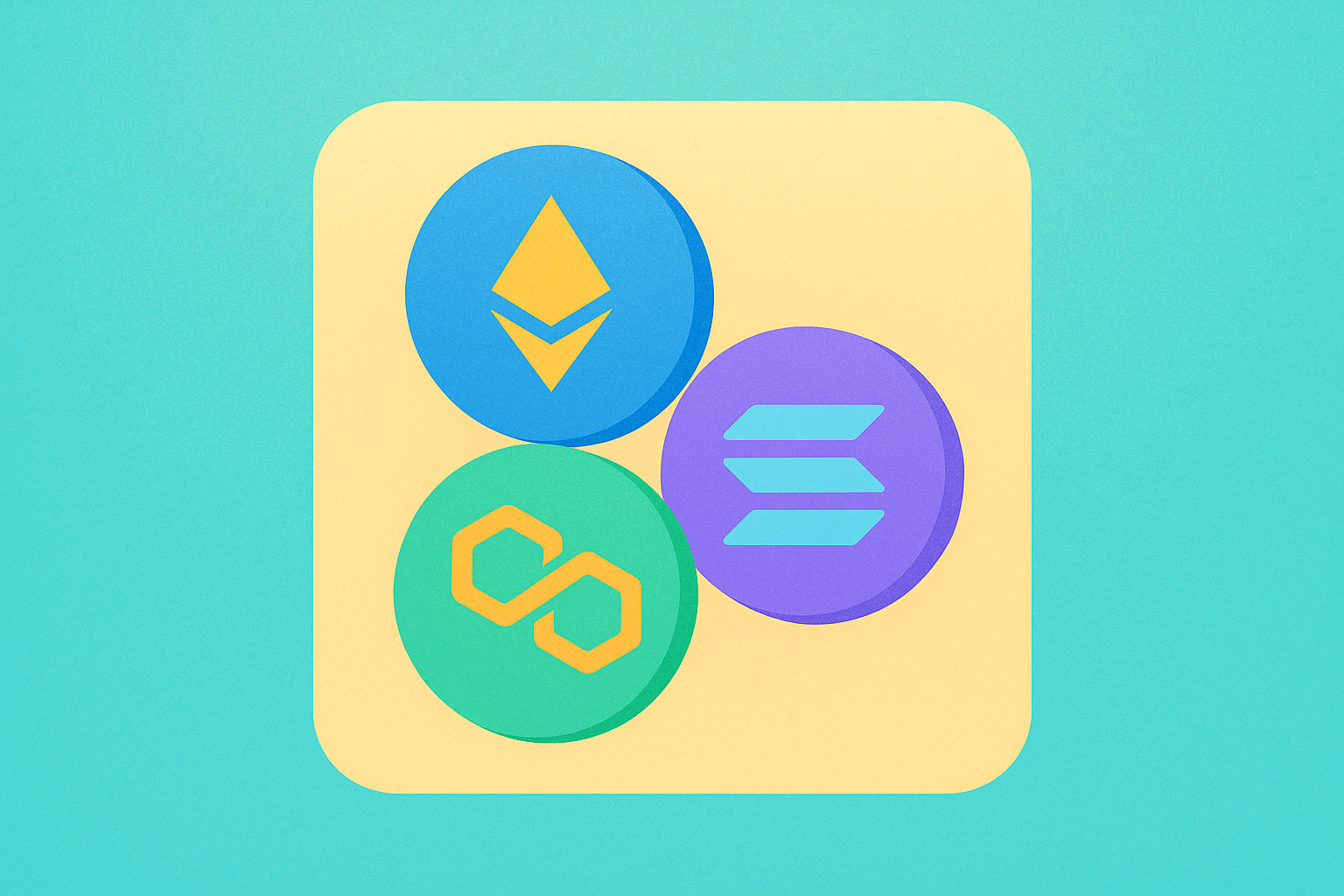
NFT Creation Cost Comparison: Ethereum vs Polygon vs Solana
Comparing the top blockchains for NFT creation comes down to both project requirements and creator preferences. Each chain offers distinct features and communities, so the optimal choice depends on project goals.
In terms of cost, differences are minimal. Major NFT marketplaces offer lazy minting on Ethereum and Polygon, allowing you to mint NFTs for free.
Of course, you can still use the classic—and most expensive—method of minting directly on Ethereum. However, that’s no longer necessary; there’s no need to pay over $100 to list an NFT that may not sell.
Minting on Solana isn’t free, as it doesn’t offer lazy minting. However, network fees total less than $1. This combination of low cost and fast processing makes Solana an appealing choice for many creators.
With such low costs, NFT creation has surged—lowering barriers to entry and enabling more diverse creators to join the NFT ecosystem.
Conclusion: NFT Creation Costs
In summary, creating NFTs doesn’t require a large investment. If you choose popular platforms like OpenSea, Rarible, or Mintable and use lazy minting, you can create NFTs for free.
It’s never been easier or more affordable to mint NFTs on leading blockchains. Advancing technology and increased platform competition are creating better conditions for creators.
This low-cost landscape offers new artists and creators a major opportunity to enter the NFT space, shaping the future of digital art and collectibles. With the right platform and blockchain, anyone can become an NFT creator at a reasonable cost.
FAQ
How much does it actually cost to create an NFT?
To create an NFT, you’ll need your artwork data and at least about $65 worth of ETH. Including gas and other fees, initial costs typically range from several tens to hundreds of dollars. Listing on some marketplaces can be free.
What are the gas fees for creating an NFT on Ethereum?
Gas fees for minting an NFT on Ethereum usually range from $1 to several dollars. As of 2025, during periods of low network congestion, fees are typically $0.5–$1.5, but can reach several dollars during peak times. Always check current gas rates before transacting, as fees depend on network congestion and gas prices.
How can I minimize NFT creation costs?
Choose a blockchain with low gas fees and a platform with minimal charges. Avoid minting during peak hours, and create multiple NFTs at once (batch minting) to further reduce costs.
How do NFT creation costs compare across different blockchains (Polygon and Solana)?
Polygon offers the lowest gas fees, making it suitable for large-scale minting. Solana also features low fees and high-speed transactions. As of 2026, Polygon commands a large share of the secondary market, giving it a distinct edge in cost efficiency.
What are the fees when listing on NFT marketplaces?
Major marketplace fees: OpenSea and Rarible charge 2.5%; SuperRare charges 3% (plus a 15% gallery fee on primary sales); Coincheck NFT charges 10%; AdambyGMO charges 5%.
Is it possible to create and sell NFTs for free?
Yes, it’s possible. Platforms like Mintable allow you to create and sell NFTs completely free of charge. With no gas fees or commissions, this is ideal for beginners.
How much investment is required to profit from NFT creation?
There’s no fixed investment required to profit from NFTs. Gas and platform fees typically range from several to several dozen dollars, but actual profits depend on market demand and your artwork’s value. Strategic marketing and timing are critical for success.
Share
Content
Current Trends in the NFT Market
Core Concepts of NFT Minting
Breakdown of NFT-Related Costs
Basic NFT Creation Process
Minting Cost Differences by Blockchain
NFT Minting on Polygon
NFT Minting on Solana
NFT Minting on Ethereum
NFT Creation Cost Comparison: Ethereum vs Polygon vs Solana
Conclusion: NFT Creation Costs
FAQ
How to Buy Cryptocurrency


Trending Cryptocurrencies



Treasure NFT Marketplace: A 2025 Guide for Web3 Gamers and Investors

What are the new trends in the NFT market in 2025?

NFT Treasure Hunting: Top Strategies for Web3 Collectors in 2025

How to Create and Sell NFTs: A Step-by-Step Guide for Beginners

The technical principles and application scenarios of 2025 NFTs

How to Create an NFT in 2025: A Step-by-Step Guide

How to Start Mining Cryptocurrency: A Guide to Passive Income

A concise guide to identifying promising NFT projects

Trading Patterns — Beginner’s Guide
Top 6 Low-Fee Bitcoin ATMs for Budget-Conscious Cryptocurrency Access

Unstoppable Domains: Your Gateway to Owning a Blockchain Domain