Comprehensive Guide to Trend Lines

What Is a Trend Line?
A trend line is a diagonal line drawn by technical analysts to connect significant price points on a chart, revealing the direction of an asset's price movement. When traders observe psychological support and resistance levels in price charts of assets such as stocks, forex, or cryptocurrencies, they draw these lines to document what their analytical eye perceives.
Trend lines serve as visual representations of market sentiment and price behavior patterns. In recent years, traders have increasingly recognized that trend lines are not merely imaginary constructs but powerful analytical tools that reflect actual market dynamics. When multiple trend lines are combined, traders can identify emerging patterns such as triangular consolidations or popular formations like the head-and-shoulders pattern.
Each trend line that forms part of these patterns carries specific meaning and implications for future price movement. Understanding how to properly interpret and utilize trend lines can significantly enhance trading decisions across various asset classes, whether you're trading stocks, forex, or digital currencies.
Basic Types of Trend Lines
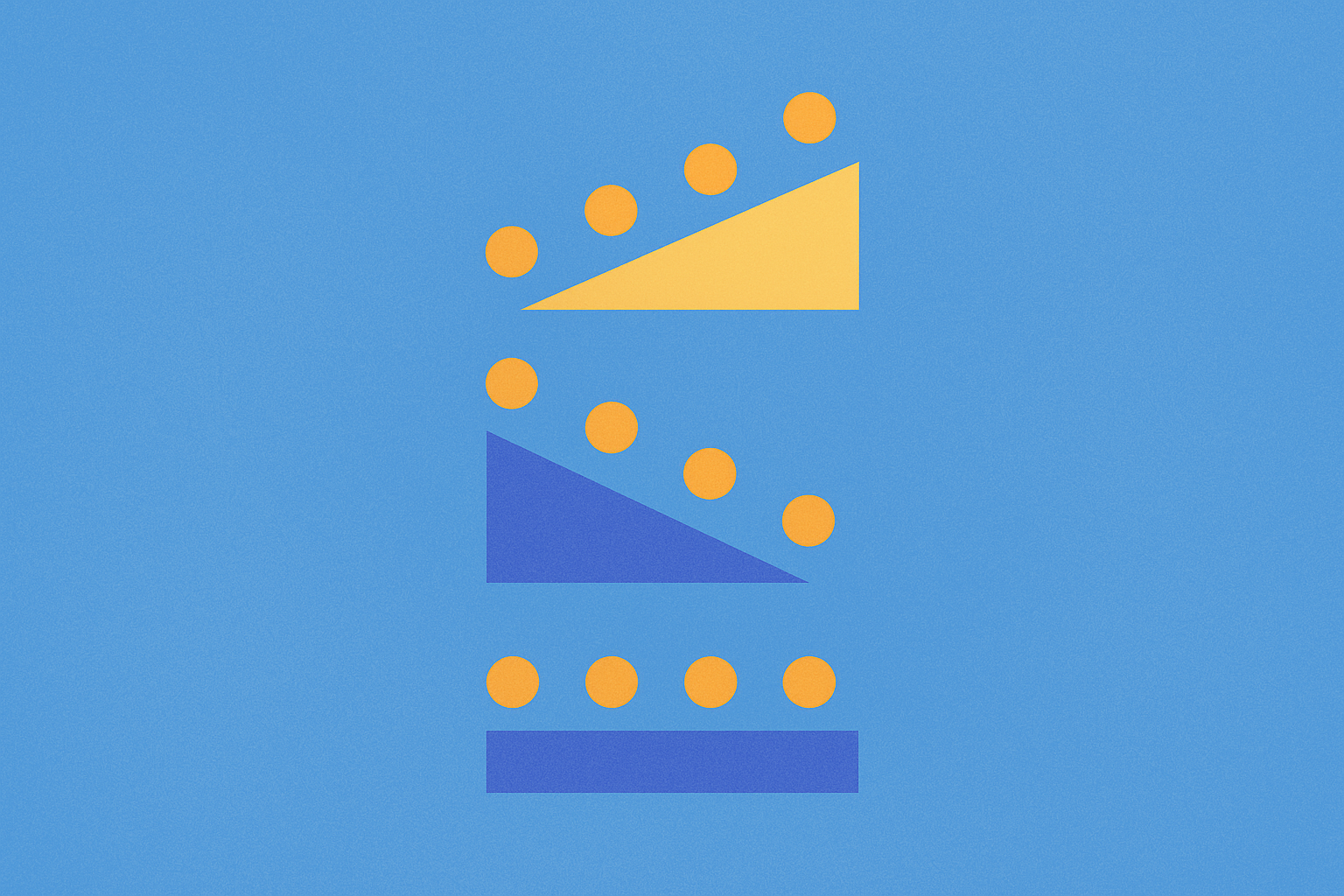
Trend lines fundamentally come in three primary forms, each representing different market conditions and price movement characteristics during specific periods. These include uptrends, downtrends, and sideways movements. Understanding these basic patterns is essential for developing a comprehensive market analysis framework.
Significant trend lines are typically easy to identify because price action responds noticeably to these levels. This response indicates that a large number of traders recognize and respect these trend lines, placing orders near them. When a trend line is broken, it often signals a potential shift in market momentum, providing traders with valuable information about changing market dynamics.
Uptrend Line (Up Trendline)
An uptrend line is drawn diagonally upward from left to right, connecting the lowest points of two or more candlesticks. In a valid uptrend, each new high exceeds the previous high, and each new low remains above the previous low. This pattern demonstrates sustained buying pressure and positive market sentiment.
The strength and significance of an uptrend line increase proportionally with the number of touch points it has. More connections indicate stronger market consensus about that particular support level. Uptrend lines enable traders to easily identify potential entry points for long positions and are commonly used in trend-following strategies.
Traders employing trend-following techniques typically wait for a clear uptrend to establish before entering positions. The optimal entry point is usually when the price approaches the trend line closely, offering the best risk-to-reward ratio. This approach minimizes risk while maximizing potential profit opportunities.
Downtrend Line (Down Trendline)
A downtrend line is drawn diagonally downward from left to right, connecting the highest points of two or more candlesticks. In a valid downtrend, each new low falls below the previous low, and each new high remains below the previous high. This pattern indicates sustained selling pressure and negative market sentiment.
Similar to uptrends, the strength of a downtrend line increases with more touch points, demonstrating stronger market consensus about resistance levels. Downtrends reflect active selling by investors, making them unsuitable periods for initiating long positions in traditional markets.
However, traders in futures markets can capitalize on downtrends by opening short positions. The strategy mirrors the approach used for buying during uptrends, but in reverse. Traders wait for price to approach the downtrend line before entering short positions, maintaining disciplined risk management throughout the trade.
Sideways Lines (Channel Lines)
Sideways or horizontal channel lines typically emerge when markets lack significant momentum or catalysts, reflecting market indecision and consolidation. These formations consist of two parallel lines: one connecting consecutive lows and another connecting consecutive highs, creating a price channel.
Sideways movements can be further categorized into three distinct subtypes, each with unique characteristics and trading implications:
Horizontal Sideways Movement
This pattern features lines drawn parallel at approximately 180 degrees, creating a horizontal price range. It represents the highest degree of market uncertainty and is often the most challenging condition for generating consistent profits. This formation is particularly unsuitable for trend-following strategies.
Horizontal sideways movement typically indicates that an asset has not yet attracted significant investor attention. These periods are often accompanied by low trading volume and minimal price volatility, suggesting limited market participation and interest. Traders should exercise caution during these periods and consider waiting for clearer directional signals.
Ascending Channel (Sideways Up)
Ascending channels feature parallel lines sloping upward from left to right. Unlike pure uptrends, ascending channels have clearly defined upper boundaries where price highs are contained. This distinction is important because while uptrends show unlimited upside potential, ascending channels indicate some resistance to further price appreciation.
This pattern suggests that while prices are rising, market participants remain somewhat uncertain. Buying pressure exists but is not overwhelming, and sellers periodically emerge to take profits at the upper boundary. This creates a more measured, controlled price advance compared to strong uptrends.
Descending Channel (Sideways Down)
Descending channels consist of parallel lines sloping downward from left to right. Unlike pure downtrends, descending channels have clearly defined lower boundaries where price lows find support. This creates a more controlled decline compared to panic-driven selling.
Descending channels are generally more positive signals than pure downtrends because they indicate that selling pressure is not overwhelming. Rather than panic selling, the pattern suggests measured distribution with periodic buying support emerging at lower levels. This can indicate accumulation by informed traders during the decline.
How to Draw Trend Lines Properly
As mentioned earlier, quality analysis requires quality data. Quality data in trend line analysis means properly identifying the points through which you draw your lines. The more touch points a trend line has, the more valid and significant it becomes, confirming that meaningful orders and market activity occur at those price levels.
Technically, these critical points are called pivot points - locations where the trend reverses or pauses significantly. While price may not touch the trend line perfectly at every point, approximate alignment is acceptable as long as the touches are reasonably close to the line.
However, an important consideration emerges: if a trend line has too many touch points, it may indicate that you're drawing a line through minor trends rather than the primary trend. This approach may not be optimal unless your trading strategy specifically targets minor trend changes and you have methods to handle false breakouts.
For basic trend line analysis, you should focus on identifying the primary trend first. The primary trend should have an appropriate number of touch points that provide a clear overview of overall market direction without getting lost in minor fluctuations.
Techniques for Analyzing Trend Lines
Drawing trend lines has no absolute rules, and there's no single "correct" way to do it. The essential principle is that your trend lines should help you develop perspectives and understand market behavior, enabling you to apply this understanding alongside other analytical tools and develop new insights for price analysis.
Before beginning analysis, traders must ask themselves a fundamental question: "What type of trading opportunity am I seeking?" You need clarity about your trading timeframe - short-term, medium-term, or long-term. It's even better if you clearly identify yourself as a day trader, swing trader, or scalper. After establishing this foundation, consider the following contextual elements:
Selecting the Appropriate Time Frame
The appropriate time frame must align with your trading style. For example, if you're a day trader, you might initially consider charts ranging from 5 minutes to 4 hours to identify trends that are developing or may develop during the trading day.
However, even among day traders, different assets exhibit varying volatility levels and trading hours. For cryptocurrency trading, you might select 15 minutes as your lowest timeframe for entering positions. But for stocks, which typically show less volatility and have shorter trading sessions, you might use 5 minutes as your primary lower timeframe.
Therefore, traders should consider asset volatility characteristics when selecting timeframes. High-volatility assets may require longer timeframes to filter out noise, while lower-volatility assets may provide clearer signals on shorter timeframes. The key is matching your timeframe selection to both your trading style and the specific characteristics of the asset you're trading.
Considering Trend Line Duration
Trend line duration refers to the time span of price swings within a particular timeframe. You should examine 2-3 previous trend lines to understand typical market behavior patterns - whether trends tend to be short or extended in duration. Analyzing trend duration helps you set realistic expectations for emerging trends.
For example, if the 2-3 most recent downtrends lasted approximately 15-20 candlesticks, while minor corrective moves within those trends lasted only 4-5 candlesticks, this establishes a baseline for normal market rhythm.
When price breaks out from such a trend line and the new move extends to 6-7 candlesticks or longer, you can reasonably expect that market momentum is shifting and the most recent downtrend has concluded. At this point, you should begin identifying demand and supply zones, determining profit targets and stop-loss levels, evaluating risk-to-reward ratios, and preparing to enter trades.
This duration analysis provides context for distinguishing between minor corrections within a trend and genuine trend reversals, significantly improving trading decision quality.
Analyzing Trend Line Angle and Steepness
The angle or steepness of a trend line indicates the intensity of momentum behind that trend. Steeper angles reflect more aggressive momentum and rapid price movement. Sustainable trends typically begin with moderate slopes that gradually accelerate until reaching a FOMO (Fear Of Missing Out) point where retail traders rush to enter positions, fearing they'll miss the opportunity.
The underlying reason why trends often start slowly relates to how large institutional traders operate. These players cannot execute large volume orders instantly without significantly impacting price. Instead, they must gradually accumulate positions by placing bids and slowly pushing prices higher. This creates the initial moderate slope.
As the trend matures and becomes more obvious to the broader market, momentum accelerates as more participants enter. Eventually, when the trend becomes overextended and retail FOMO reaches peak levels, institutional players begin taking profits or reducing risk, often marking the trend's exhaustion point. Understanding this progression helps traders identify optimal entry and exit points within trending markets.
Key Takeaways
Drawing trend lines is not difficult, but utilizing them effectively requires keen observation and analytical thinking. Trend lines offer far more value than simply identifying support and resistance levels or determining whether the current trend is up, down, or sideways.
When properly applied, trend lines enable you to analyze asset volatility, identify optimal trading opportunities, and develop diverse strategic approaches. They provide a framework for understanding market structure and participant behavior across different timeframes and market conditions.
As you develop proficiency in trend line analysis, these simple diagonal lines become powerful indicators in their own right. A well-drawn trend line simultaneously provides entry and exit points, stop-loss levels, momentum measurements, and insights into trend relationships and market structure - all contained within a single, elegant line on your chart.
Mastering trend line analysis forms a crucial foundation for more advanced technical analysis techniques. Whether you're a beginner or experienced trader, continuously refining your trend line skills will enhance your overall market understanding and trading performance across all asset classes and timeframes.
FAQ
What is a trend line? What role does it play in technical analysis?
A trend line is a straight line connecting price highs or lows on a chart, used to identify market direction and momentum. It helps traders visualize uptrends or downtrends, support and resistance levels, and predict potential price movements in cryptocurrency markets.
How to correctly draw uptrend and downtrend lines? What are the key rules?
Connect two higher lows for uptrend lines; connect two lower highs for downtrend lines. Key rules: maintain consistent connection points, angle between 30-70 degrees, verify with third touch point, avoid K-line body penetration, align with price structure (higher highs/lows or lower highs/lows).
What does it mean when a trend line is broken? How to distinguish between false breakouts and real breakouts?
A trend line breakout means price has exceeded a key level. Real breakouts continue beyond the trend line with volume confirmation, while false breakouts show price reverting quickly. Observe volume and price action follow-through to differentiate them.
How to use trend lines for trading decisions? What are some practical techniques?
Use trend lines to identify market direction by connecting swing lows in uptrends and swing highs in downtrends. Enter trades when price bounces off trend lines, exit on breakouts. Multiple touches strengthen line validity. Combine with support/resistance and volume analysis for higher success rates.
What is the relationship between trend lines and support/resistance levels? How can they be used together?
Trend lines connect price highs or lows. Uptrend lines act as support, downtrend lines as resistance. Combined, they identify optimal entry and exit points by confirming price reversals and breakouts at key technical levels.
What are common mistakes when drawing trend lines and how to avoid them?
Common errors include inconsistent point selection, improper angles, and ignoring price structure. Avoid them by: selecting points consistently (use either wicks or bodies), maintaining 30-70 degree angles for reliable trends, requiring at least three touches for validation, and ensuring price structure alignment with Higher Highs/Lows or Lower Highs/Lows patterns.
Share
Content
How to Buy Cryptocurrency


Trending Cryptocurrencies



How to Withdraw Money from Crypto Exchanges in 2025: A Beginner's Guide

5 ways to get Bitcoin for free in 2025: Newbie Guide
Treasure NFT Marketplace: A 2025 Guide for Web3 Gamers and Investors

What Is TOAD Coin and How Does Its Tokenomics Work?
Crypto Assets Beginner's Guide: How to Buy, Store, and Trade Your First Crypto Coin

What Is the Best AI Crypto in 2025?

How to Avoid Slippage in Cryptocurrency Trading

What Is a Blockchain Game Guild? Should You Join a Game Guild?
Free Money for App Registration: Crypto Rewards Guide

Top 4 Cryptocurrency Exchanges for Free Registration Bonuses

What is Slippage? How Can We Avoid It While Trading Crypto?