Comprehensive Guide to ZetaChain

Understanding ZetaChain
ZetaChain is an innovative omnichain network designed as a Layer 0 blockchain platform that enables seamless multi-chain functionality. The platform launched its native token for public trading in early 2024, marking a significant milestone in the cross-chain ecosystem. As a Layer 0 operating system, ZetaChain focuses on connecting multiple blockchain networks through advanced smart contract technology, creating a unified infrastructure that bridges disparate blockchain ecosystems.
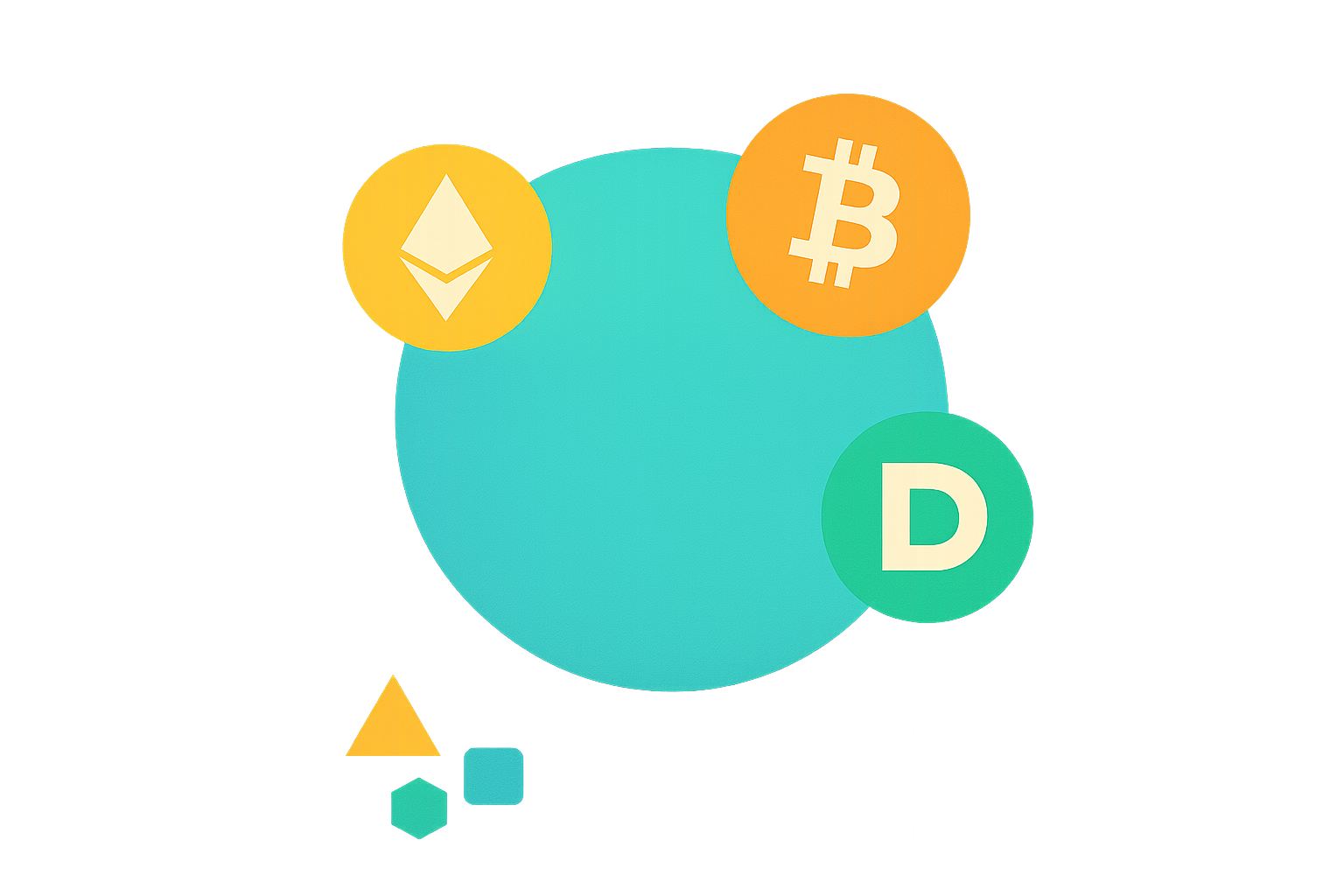
The platform's architecture allows for native integration with major blockchain networks including Ethereum, Bitcoin, and Dogecoin, among others. This universal connectivity is achieved through ZetaChain's unique approach to cross-chain communication, which operates at the foundational layer of blockchain technology. By positioning itself as a Layer 0 solution, ZetaChain provides the underlying infrastructure that other blockchains can leverage for interoperability, rather than competing with existing Layer 1 networks.
In recent developments, ZetaChain has transitioned from its initial Proof-of-Authority consensus mechanism to a more decentralized Proof-of-Stake system. This evolution represents a significant upgrade in the platform's security model and governance structure. The shift to Proof-of-Stake not only enhances network security through broader validator participation but also opens up staking opportunities for token holders, allowing them to actively participate in network validation and earn rewards.
Key Features of ZetaChain
Decentralization and Security: ZetaChain achieves a high degree of decentralization through its implementation of Tendermint Consensus technology, which is built on the Cosmos SDK framework. This consensus mechanism ensures that external blockchain connections are validated through a distributed network of validators, eliminating single points of failure. The Tendermint Byzantine Fault Tolerance (BFT) algorithm provides robust security guarantees, allowing the network to maintain consensus even when some validators act maliciously or experience technical failures.
Cross-Chain Functionality: The platform's cross-chain capabilities represent one of its most significant advantages in the blockchain ecosystem. ZetaChain has successfully processed over 14 million cross-chain transactions, demonstrating the scalability and reliability of its infrastructure. The network has established partnerships with more than 200 projects and protocols, creating a comprehensive ecosystem of interconnected blockchain applications. This extensive network effect enhances the utility of ZetaChain by providing users with access to a wide range of decentralized applications and services across multiple blockchain networks.
The cross-chain messaging system employed by ZetaChain allows for the transfer of both data and value between different blockchain networks without relying on traditional bridge mechanisms. This approach reduces the security risks associated with conventional cross-chain bridges while improving transaction speed and efficiency. Users can interact with applications on different blockchains as if they were operating on a single unified platform, significantly simplifying the user experience in the multi-chain environment.
ZETA Token Utility
Gas Fee Payments: The ZETA token serves as the primary medium for paying transaction fees within the ZetaChain ecosystem. Every operation on the network, from simple token transfers to complex smart contract executions, requires ZETA tokens to cover the computational costs. This utility creates consistent demand for the token and ensures that network participants have a stake in maintaining the platform's efficiency and security.
Multi-Chain Integration: ZETA tokens possess unique cross-chain properties that distinguish them from traditional blockchain tokens. The token can be seamlessly transferred between different blockchain networks connected to ZetaChain, maintaining its value and functionality across these diverse ecosystems. This interoperability allows users to utilize ZETA tokens for various purposes on different blockchains, from participating in decentralized finance protocols to accessing gaming platforms and NFT marketplaces.
The token's multi-chain nature eliminates the need for wrapped tokens or complex bridging procedures that typically introduce additional risks and costs. Users can send and receive ZETA tokens across supported blockchains with the same ease as conducting transactions on a single network, fostering greater liquidity and accessibility.
Staking Opportunities: Token holders can participate in network validation by staking their ZETA tokens, earning rewards in the form of transaction fees and potentially additional token emissions. The staking mechanism not only provides passive income opportunities for investors but also contributes to network security by incentivizing honest validator behavior. Stakers play a crucial role in maintaining the integrity of cross-chain communications and validating transactions across the ZetaChain network.
How to Stake ZETA Tokens
Self-Staking Method: This approach involves running your own validator node or delegating directly to validators through the ZetaChain protocol. While this method offers the highest degree of control and potentially better rewards, it requires technical expertise in blockchain infrastructure management. Users must set up and maintain validator software, ensure consistent uptime, and manage security protocols. This option is most suitable for developers and technically sophisticated users who understand the operational requirements of blockchain validation.
Exchange-Based Staking: Several centralized exchanges offer simplified staking services for ZETA tokens, providing an accessible entry point for less technical users. Platforms such as certain major exchanges have integrated ZETA staking into their service offerings, allowing users to stake their tokens with just a few clicks. This method typically offers lower rewards compared to self-staking due to platform fees, but it eliminates the technical barriers and operational responsibilities associated with running validator infrastructure.
Exchange-based staking also provides additional benefits such as instant liquidity in some cases and simplified tax reporting. However, users should be aware that staking through centralized platforms means entrusting custody of their tokens to third parties, which introduces counterparty risk.
Liquid Staking Solutions: Liquid staking represents an innovative approach that allows users to stake their ZETA tokens while maintaining liquidity. Through integration with liquidity pools on platforms like Curve Finance, users can stake their tokens and receive derivative tokens representing their staked position. These derivative tokens can be used in decentralized finance protocols for lending, borrowing, or providing liquidity, enabling users to earn additional yields on top of their staking rewards.
This method combines the security benefits of staking with the flexibility of maintaining liquid assets, making it an attractive option for users who want to maximize their capital efficiency. The liquid staking approach has gained popularity in recent years as it addresses one of the main drawbacks of traditional staking: the lock-up period that prevents users from accessing their funds.
Security Assessment of ZetaChain
ZetaChain implements multiple layers of security through its Proof-of-Stake consensus mechanism and the battle-tested Cosmos SDK and Tendermint Consensus technologies. These foundational technologies have been extensively audited and proven reliable across numerous blockchain projects. The Proof-of-Stake mechanism creates economic incentives for validators to act honestly, as malicious behavior would result in the loss of their staked tokens.
The platform's security model includes cryptographic verification of cross-chain messages, ensuring that transactions between different blockchains are validated and cannot be tampered with. The use of threshold signature schemes and multi-party computation enhances the security of cross-chain operations, distributing trust across multiple validators rather than relying on single points of failure.
However, as with any emerging blockchain project, ZetaChain faces certain risks that potential users and investors should consider. The platform is still in its relatively early stages of development, which is reflected in its current Total Value Locked (TVL) of approximately $634,000. This modest TVL indicates that the ecosystem is still growing and has not yet achieved the scale of more established blockchain platforms.
The limited TVL presents both risks and opportunities. On one hand, a smaller ecosystem may be more vulnerable to market volatility and liquidity challenges. Smart contract vulnerabilities or unexpected technical issues could have more significant impacts on a smaller network. On the other hand, early participants in successful blockchain projects often benefit from substantial growth as the ecosystem matures and attracts more users and capital.
Users should also be aware that the cross-chain nature of ZetaChain introduces unique security considerations. While the platform's architecture is designed to minimize risks, the complexity of coordinating multiple blockchain networks creates additional attack surfaces that must be carefully monitored and protected.
Conclusion
ZetaChain represents a significant advancement in blockchain interoperability, offering a Layer 0 solution that enables seamless communication and value transfer across multiple blockchain networks. The platform's transition to Proof-of-Stake and its implementation of advanced cross-chain technology position it as a promising infrastructure project in the evolving blockchain ecosystem.
Investors and users can participate in the network through various staking mechanisms, earning rewards while contributing to network security. The ZETA token's utility extends beyond simple transactions, serving as a bridge between different blockchain ecosystems and enabling a wide range of decentralized applications.
While the platform demonstrates strong technical foundations and growing adoption with over 14 million cross-chain transactions and 200+ partners, potential participants should carefully consider the risks associated with an early-stage project. The relatively low TVL and recent token launch indicate that ZetaChain is still in its growth phase, which carries both opportunities for early adopters and risks inherent in emerging technologies.
As the multi-chain future of blockchain technology continues to unfold, platforms like ZetaChain that focus on interoperability and seamless cross-chain functionality are likely to play increasingly important roles. However, thorough research and risk assessment remain essential for anyone considering participation in this evolving ecosystem.
FAQ
What is ZetaChain? How does it differ from other cross-chain solutions?
ZetaChain is an omnichain network enabling multi-chain interoperability by deploying a single smart contract on its own chain, eliminating the need for separate contracts on each chain. Its EVM-compatible layer provides seamless integration, offering a unified platform for cross-chain applications.
How does ZetaChain's Omnichain network achieve cross-chain interoperability?
ZetaChain enables cross-chain interoperability through two mechanisms: traditional bridge protocols and Omnichain smart contracts. These enable seamless asset transfers and contract interactions across different blockchains.
How to develop applications on ZetaChain? What technical foundation is needed?
You need smart contract knowledge, blockchain fundamentals, and Web3 frameworks. Learn Solidity, use development tools like Hardhat, and understand cross-chain protocols. ZetaChain supports omnichain dApp development with comprehensive documentation and SDKs for developers.
What is ZetaChain's token economic model and how to participate in the ecosystem?
ZETA token serves governance voting, Gas fee payments, network security staking, and ecosystem incentives. With 21 billion total supply, community and ecosystem receive the largest allocation. Participants engage through governance voting and staking mechanisms.
Is it safe to conduct cross-chain transactions using ZetaChain? What risks should be noted?
ZetaChain cross-chain transactions are generally secure with robust architecture. Key risks include external chain vulnerabilities, potential double-spending attacks, and node software bugs. Users should stay informed about network updates and exercise caution with large transactions.
What are ZetaChain's advantages compared to cross-chain solutions like Polkadot and Cosmos?
ZetaChain offers superior interoperability with lower fees, faster transaction speeds, and greater scalability. It provides more efficient cross-chain solutions optimized for diverse applications across multiple blockchains.
What is ZetaChain's future development roadmap?
ZetaChain plans to enhance Bitcoin programmability, integrate AI and data capabilities, support EVM-compatible smart contracts, develop zero-knowledge proof dApps, and enable seamless cross-chain value transfers.
Share
Content
How to Buy Cryptocurrency


Trending Cryptocurrencies



XZXX: A Comprehensive Guide to the BRC-20 Meme Token in 2025

Survey Note: Detailed Analysis of the Best AI in 2025

Detailed Analysis of the Best 10 GameFi Projects to Play and Earn in 2025
Kaspa’s Journey: From BlockDAG Innovation to Market Buzz

Best Crypto Wallets 2025: How to Choose and Secure Your Digital Assets

Popular GameFi Games in 2025
How to Earn from Cryptocurrencies and Bitcoin

What is token economics model: PEPE's 93.1% liquidity pool allocation and deflationary burning mechanism explained
How to Start Cryptocurrency Mining: A Guide to Passive Income Generation

What is PAX Gold (PAXG)? A Complete Fundamentals Analysis Guide for 2026

Comprehensive Guide to Flash Loans