The ultimate beginner’s guide to investing in cryptocurrency. Explore the basics of blockchain, Bitcoin, how to select cryptocurrencies, secure wallet storage, and earning opportunities through trading on Gate. Find in-depth answers to common questions for those new to the crypto space.
Cryptocurrency for Beginners
Cryptocurrency is digital money that exists exclusively online and is created using advanced computer technologies. Unlike traditional electronic money—such as PayPal balances or gaming tokens—cryptocurrencies rely on sophisticated cryptographic methods for security.
The word "cryptography" derives from the ancient Greek “kryptós” (“hidden”) and “graphein” (“to write”). Broadly, cryptography is the art of creating and transmitting encrypted messages readable only by the intended recipient. Cryptographic methods enable secure digital communication, and these same principles underpin the creation of digital assets and the execution and verification of all related transactions.
This cryptographic protection makes cryptocurrencies a unique financial tool, combining digital technology's advantages with robust security and privacy. Unlike traditional electronic money—which depends on centralized control systems—cryptocurrencies operate independently of such frameworks.
History of Cryptocurrency
The idea of cryptocurrency existed in theory long before its real appearance in the digital world. Early enthusiasts anticipated that computer technology could overcome many practical and political challenges of conventional fiat currencies.
Throughout the 1990s, numerous attempts were made to launch a global digital currency, but all failed due to various technical and organizational obstacles. Developers grappled with issues like double spending, lack of trust among network participants, and difficulties with decentralization.
In 2008, a programmer—or group of programmers—using the pseudonym “Satoshi Nakamoto” introduced a groundbreaking concept: a digital monetary system without a central authority. The new financial instrument gained momentum in 2009 with the launch of Bitcoin, the first truly successful cryptocurrency.
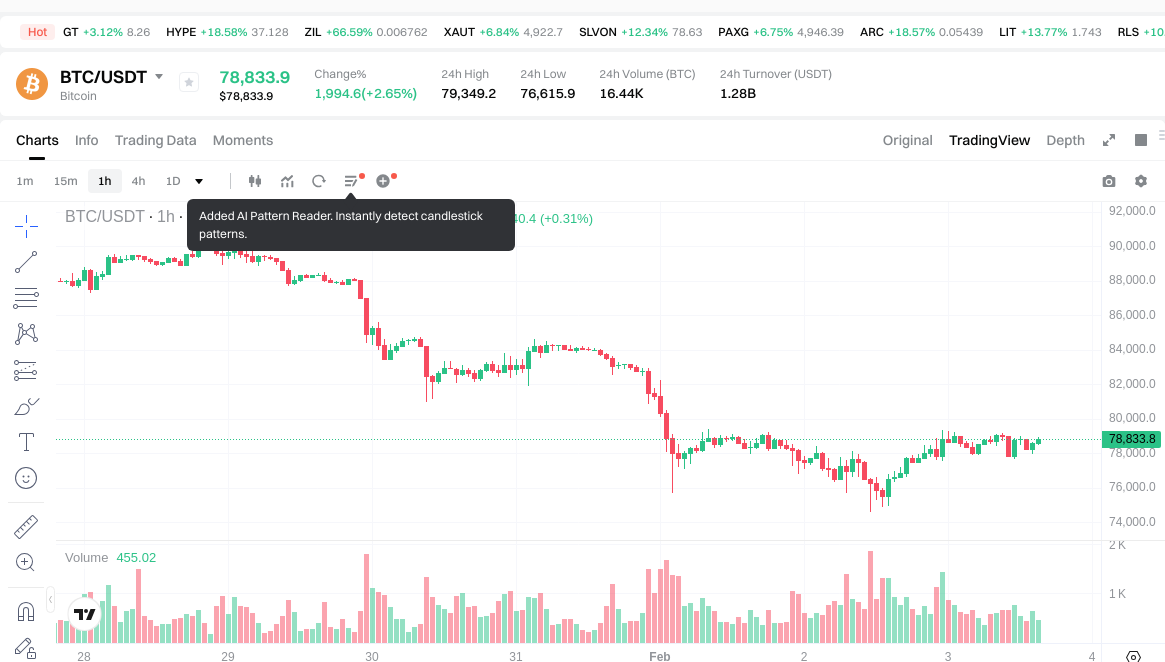
Bitcoin was the first digital asset to maintain value during online transfers and operate without intermediaries or third-party verifiers—a genuine milestone in financial technology.
Since Bitcoin’s debut, thousands of new cryptocurrencies have entered the market, each aiming to introduce distinct solutions. New iterations and forks of Bitcoin continue to emerge, showcasing ongoing industry innovation.
Many newer cryptocurrencies share core features with Bitcoin, but developers continuously refine transaction processes, create novel consensus mechanisms, and deliver new solutions to improve existing systems and expand digital asset utility.
How Cryptocurrencies Are Created
Cryptocurrencies are encrypted units of account generated by complex mathematical computations and stored across a decentralized network as data blocks.
While the computational models vary by cryptocurrency, most digital assets are created through mining—a process involving network maintenance and solving complex mathematical problems to generate new blockchain blocks. Miners are rewarded with new coins for their computational effort and energy expenditure, incentivizing ongoing support for the network.
Beyond minting new coins, miners play a vital role in transaction verification. When cryptocurrency is transferred, miners confirm its legitimacy, and each network node then adds the transaction to its database, making it an immutable part of the blockchain.
Most cryptocurrencies are built on blockchain technology—a distributed ledger or database system synchronized across countless nodes worldwide. Its defining feature is the sequential arrangement of data into blocks, each secured by strong cryptography. Data flows through the network, is duplicated across nodes, and is synchronized in real time.
Consequently, all transaction data is stored simultaneously on multiple independent nodes, ensuring exceptional data security. Transactions recorded on the blockchain are nearly impossible to forge, effectively eliminating double spending and other forms of digital asset fraud.
Use Cases for Cryptocurrencies
The primary goal behind virtual currencies is to provide an alternative to conventional cash and centralized finance. However, their potential applications are much broader and continue to expand. For example, cryptocurrencies allow users to:
- Create and execute smart contracts—self-executing programmatic agreements that automatically enforce deal conditions without intermediaries.
- Send instant, low-cost cashless transfers globally, regardless of borders or time zones.
- Rent computing power for complex tasks via decentralized networks.
- Monetize idle hard disk capacity by leasing it to cloud storage providers.
- Verify and register ownership rights for assets such as real estate, intellectual property, and digital art.
- Conduct crowdfunding campaigns and raise investment through ICOs and token sales.
- Participate in decentralized finance (DeFi), accessing lending, staking, and other financial services.
The applications of cryptocurrencies are expanding rapidly. As more companies and organizations adopt crypto and integrate blockchain technology into their operations, everyday users gain increasing opportunities to leverage digital assets for daily transactions and diverse objectives.
Why Cryptocurrencies Outperform Fiat Money
Cryptocurrencies offer several key advantages over traditional fiat currencies:
-
No intermediaries (such as banks, payment systems, or third parties) are required, nor are complex user agreements or additional guarantees. Users can send and receive cryptocurrencies with a high degree of anonymity, without disclosing personal identification or sensitive information.
-
The network is fully decentralized and immune to control by governments, central banks, or other authorities. Cryptocurrency networks are universally accessible and collectively owned by all participants. These features are especially valuable for countries facing political instability, high inflation, or capital controls.
-
Digital currencies offer exceptionally strong technological security. Distributed blockchain databases are virtually impossible to hack or forge due to cryptographic protections and consensus mechanisms.
-
Transaction fees for cryptocurrencies are typically much lower than those for traditional banking services, especially for international transfers. This makes cryptocurrencies an economical choice for cross-border transactions.
-
The internet disregards national borders and political barriers, so cryptocurrency payments can be made anywhere in the world with network access—without currency conversion or special permissions.
-
Cryptocurrency transactions are processed far more rapidly than traditional bank transfers, particularly international ones that may take several days.
Where to Store Cryptocurrency
A core principle of digital assets is the rejection of centralization and external government control. The ability to transact fully anonymously—without revealing participant identities—originally distinguished cryptocurrencies from traditional money. However, today, not all trading platforms offer such high privacy levels.
As regulators worldwide—including those in Russia—push to establish legal frameworks for crypto, many major exchanges have had to comply, agreeing to requirements for collecting and storing detailed client data in line with KYC (Know Your Customer) procedures.
This shift means the cryptocurrency market, once envisioned as fully anonymous, has gradually lost one of its defining features: complete user anonymity.
There are several main storage options for cryptocurrency: hot wallets (online wallets with continuous internet access), cold wallets (offline devices for maximum security), hardware wallets (dedicated physical devices), and exchange accounts. Each method offers distinct advantages and disadvantages in terms of security, convenience, and asset control.
Another critical—and frequently discussed—question is how to earn income with cryptocurrency. Active trading on specialized platforms is the most popular approach, but alternatives exist, including staking, mining, and involvement in DeFi protocols.
The Future of Cryptocurrency
In summary, cryptocurrencies deliver an innovative way to transact and manage finances without traditional intermediaries like banks or payment systems, while offering unparalleled cryptographic security. Cryptocurrencies are already widely used by individuals and increasingly adopted at institutional and even governmental levels.
Digital assets will continue to evolve and advance technologically, bringing new solutions to a growing range of financial and non-financial challenges. Developers are focused on Layer 2 technologies, scalability improvements, reduced energy consumption, and faster transaction speeds.
It's important to recognize that the crypto market remains highly volatile and unpredictable. No one can definitively predict which cryptocurrencies will rise in value, which projects will achieve mass adoption, or which will be outpaced by superior competitors. As a result, investing in cryptocurrencies demands thorough analysis, risk diversification, and readiness for significant price swings.
The future of cryptocurrency depends on many factors: technological advancement, government regulatory policies, mass market adoption, and the industry's ability to address ongoing issues like scalability and energy efficiency.
FAQ
What is cryptocurrency and how does it work for beginners?
Cryptocurrency is a digital currency secured by cryptography. It operates on a blockchain—a distributed network without intermediaries. Network participants verify transactions and record them in an immutable ledger.
How can beginners safely buy and store cryptocurrency?
Purchase cryptocurrency on reputable platforms with strong track records. Use cold wallets for long-term storage. Keep backup copies of your keys in secure locations. Never share your private keys, and always enable two-factor authentication.
What are the main risks and dangers of investing in cryptocurrency?
Key risks include price volatility, counterparty risk, technical vulnerabilities, and cyber threats. Legal risks vary by region. Choose trustworthy platforms and use cold wallets for maximum security.
What is the difference between Bitcoin, Ethereum, and other cryptocurrencies?
Bitcoin is the first cryptocurrency, functioning as both a medium of exchange and a store of value. Ethereum is a platform for decentralized applications with built-in smart contract functionality. Other cryptocurrencies offer diverse purposes and underlying technologies.
How should beginners choose a cryptocurrency wallet?
Select a wallet with an intuitive interface and robust security. Ensure it supports the blockchain networks you intend to use. For maximum protection, consider hardware wallets. Research reputation and user reviews before making a choice.
What is blockchain and why is it important for cryptocurrencies?
Blockchain is a distributed technology that forms an unbreakable chain of data blocks. It is essential for cryptocurrencies, providing security, transparency, and immutability for all transactions—without central control.
* The information is not intended to be and does not constitute financial advice or any other recommendation of any sort offered or endorsed by Gate.