How to Avoid Slippage in Cryptocurrency Trading in Recent Years

What is Cryptocurrency Slippage?
Slippage occurs when a trader buys or sells an asset at a different price than originally intended. Markets move quickly, and situations can change between when an order is placed and when it is actually executed, resulting in the trader completing the transaction at a different price.
Cryptocurrency slippage can be either positive or negative. A trader may receive a lower price than expected, but they may also receive a better price. This phenomenon is particularly common in volatile markets where price movements happen rapidly.
The advantage of limit orders is that there is no slippage. The disadvantage is that limit orders may take a long time to execute or may not execute at all. Slippage occurs when traders place market orders, as these orders are executed immediately at the best available price in the market, which may differ from the displayed price when the order was initiated.
Volatility and Low Liquidity – Two Main Causes of Slippage
Slippage in cryptocurrency is notoriously common. This is because the asset class is highly volatile and often suffers from very low liquidity, especially in smaller or emerging tokens.
Volatility
In rapidly changing markets, prices can move significantly between the time a trader enters an order and when the order is executed. This is particularly true during major market events, news announcements, or periods of high trading activity. The cryptocurrency market operates 24/7, which means volatility can spike at any time, making slippage more unpredictable compared to traditional markets.
Low Liquidity
There may not be enough liquidity on the other side of the trade to complete an order at a specific price. To complete the order, the trade must be executed at a price where liquidity is available, which can result in a price significantly different from what the trader expected. This is especially common in smaller altcoins or during off-peak trading hours when fewer market participants are active.
How Does Cryptocurrency Slippage Work?
Let's assume a trader sees Bitcoin being offered at $20,000 on an exchange and wants to purchase one Bitcoin. They place an order to buy 1 BTC at market price. Shortly after, the trader discovers they purchased one Bitcoin for $20,050, slightly more than expected. This is an example of negative slippage.
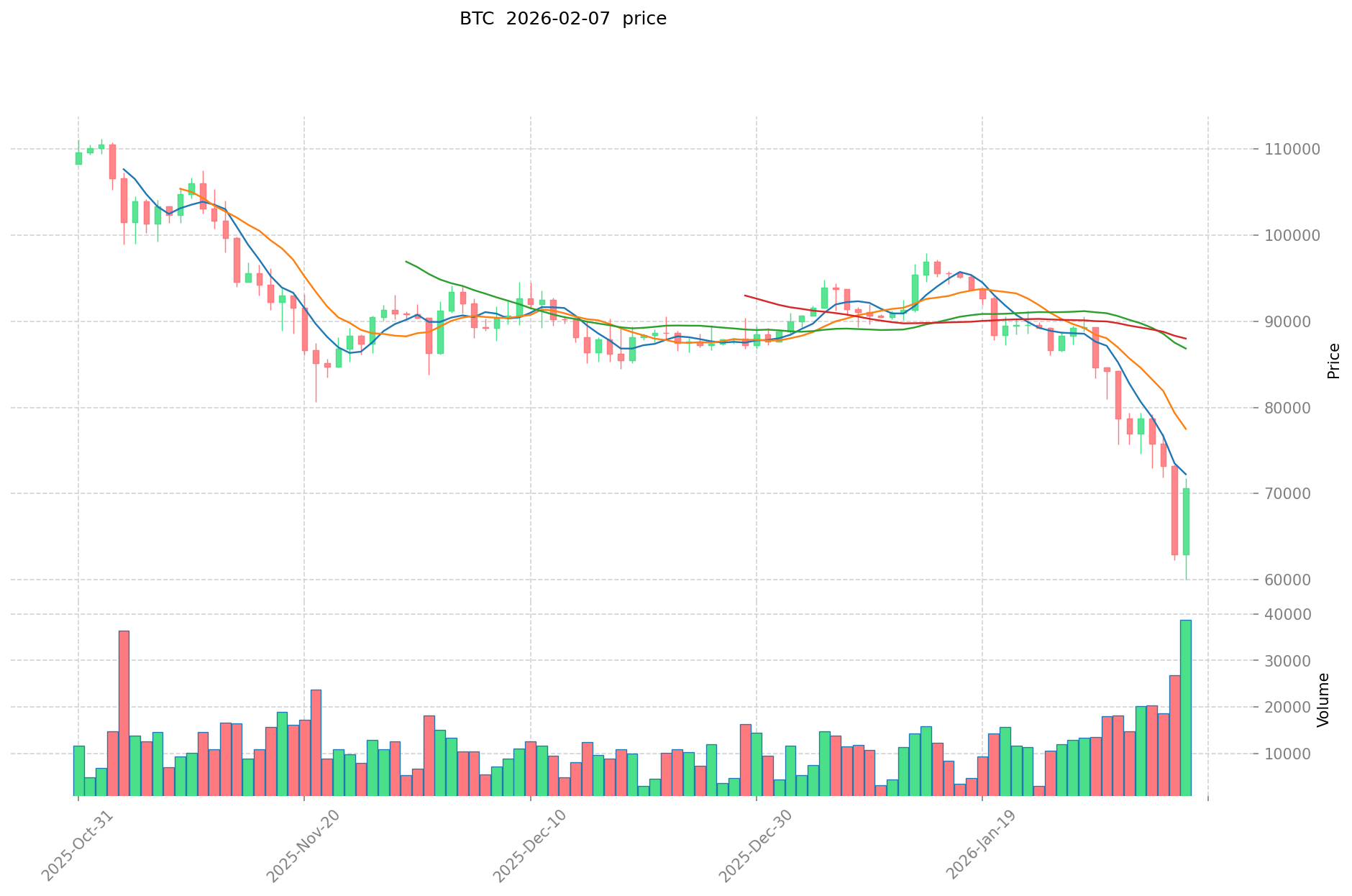
This scenario is common because by the time the market order is processed, other traders may have already purchased the available Bitcoin at $20,000, forcing the order to be filled at the next available price level. The larger the order size relative to available liquidity, the more severe the slippage can be.
How to Calculate Cryptocurrency Slippage?
Slippage can be expressed as a nominal amount or as a percentage. In the example above, if the trader expected to buy one Bitcoin for $20,000 but paid $20,050, the slippage is -$50. Calculated as a percentage: (-$50/$20,000)*100 = -0.25%.
Understanding how to calculate slippage helps traders assess the true cost of their trades and make more informed decisions about order types and timing. Professional traders often track their slippage over time to identify patterns and optimize their trading strategies.
What is Slippage Tolerance?
Many trading platforms allow traders to set how much slippage they are willing to accept. Slippage tolerance refers to the difference between the price a trader expects when placing an order and the price when the trade is executed. Typically, trading platforms express slippage tolerance as a percentage of the total trade value.
Setting an appropriate slippage tolerance is a balance between ensuring order execution and protecting against excessive price deviation. A very low tolerance may result in failed transactions, while a very high tolerance may expose traders to significant unexpected losses.
Slippage on Decentralized Platforms
One of the major drawbacks of decentralized platforms is that slippage tends to be more severe compared to centralized exchanges.
This is because smart contracts power trades on decentralized platforms. Unlike centralized exchanges, trades on decentralized platforms are not processed instantly. The longer delay between trade confirmation and trade execution means there is a longer period during which slippage can occur.
Additionally, decentralized platforms often have lower liquidity pools compared to major centralized exchanges, which further exacerbates slippage issues. The automated market maker (AMM) model used by many decentralized platforms can also result in price impact that increases with order size.
How to Prevent Slippage on Decentralized Platforms
Pay Higher Gas Fees
By paying higher transaction fees (gas fees), you can ensure your trade moves to the front of the queue, reducing the time between order submission and execution, thereby minimizing slippage risk.
During periods of network congestion, paying premium gas fees can be the difference between executing at your desired price or experiencing significant slippage. However, traders must balance the cost of higher gas fees against potential slippage savings.
Trade on Layer 2-Based Decentralized Platforms
You can use Layer 2-based DEX platforms, which mean faster transactions, reduced slippage risk, and lower gas fees. For example, you can use exchanges built on Polygon like QuickSwap, which offer significantly improved performance compared to Layer 1 solutions.
Layer 2 solutions process transactions off the main blockchain and batch them together, resulting in faster confirmation times and lower costs. This infrastructure improvement directly translates to reduced slippage opportunities.
Traders can also adjust slippage tolerance on most decentralized platforms. A low slippage tolerance may result in failed transactions, but it can prevent unexpectedly large losses due to slippage. Finding the right balance is crucial for successful trading on these platforms.
How to Reduce Slippage on Centralized Exchanges
Use Limit Orders
You can utilize limit orders. While limit orders risk not being executed, they simultaneously eliminate slippage by ensuring you only trade at your specified price or better.
Limit orders give traders complete control over execution price, though they sacrifice the guarantee of immediate execution. This trade-off is often worthwhile for larger orders where slippage could be substantial.
Trade During Low Volatility Periods
You can choose to trade during periods when volatility is not high. It's advisable to avoid trading during major market events such as significant economic indicator releases or central bank events.
Historical data shows that trading during Asian market hours or weekends often results in lower volatility and reduced slippage. However, this may also mean lower liquidity, so traders must consider both factors.
Split Large Trades
By splitting trades into smaller units, you can reduce market impact and potential losses from slippage. This strategy, known as order slicing, is commonly used by institutional traders to minimize their footprint in the market.
Breaking a large order into multiple smaller orders executed over time can significantly reduce average slippage, though it requires more attention and may incur additional trading fees. Advanced traders often use algorithmic trading tools to optimize this process.
How Much Should Cryptocurrency Investors Worry About Slippage?
For small cryptocurrency investors who trade irregularly and intend to hold cryptocurrencies long-term, slippage may not be very significant. The impact of minor slippage on occasional purchases for long-term holding is typically negligible compared to potential long-term gains.
For large investors, losses can amount to substantial sums, so it is necessary to dedicate time and effort to minimize them. When dealing with six or seven-figure trades, even a small percentage of slippage can translate to thousands or tens of thousands of dollars in unexpected costs.
Cryptocurrency traders with high trading frequency, such as day traders, should take all possible measures to minimize losses from slippage. For active traders making dozens or hundreds of trades per month, cumulative slippage can significantly impact overall profitability and should be carefully monitored and controlled through appropriate strategies and tools.
FAQ
What is slippage in cryptocurrency trading and how does it occur?
Slippage is the difference between expected and actual execution prices in cryptocurrency transactions. It occurs due to market volatility, order size, and liquidity conditions, causing trades to execute at prices different from anticipated.
What are the most effective methods to reduce slippage in cryptocurrency trading?
Use limit orders to set fixed prices and employ automated trading systems with predefined parameters. Additionally, trade during high liquidity periods, split large orders into smaller amounts, and choose pairs with higher trading volume to minimize slippage impact.
How do market liquidity and trading volume affect slippage?
Lower liquidity and larger trading volume increase slippage risk. High volatility markets amplify slippage further. Monitoring trade size and choosing liquid trading pairs helps minimize slippage impact on your transactions.
What is the difference between Limit Orders and Market Orders in avoiding slippage?
Limit orders avoid slippage by executing only at your specified price or better, prioritizing price control. Market orders execute immediately at current market price, risking slippage especially during high volatility. Choose limit orders for price protection, market orders for execution speed.
What are the differences in slippage risks between different cryptocurrency exchanges (CEX vs DEX)?
CEX typically has higher slippage due to market volatility and order execution delays. DEX offers lower slippage through automated smart contract execution. However, DEX may face liquidity constraints on smaller trading volumes, while CEX provides better liquidity depth for large transactions.
How does choosing trading time (such as avoiding high volatility periods) help reduce slippage?
Trading during stable periods rather than high volatility periods reduces slippage significantly. When volatility is low, price movements are smaller and more predictable, allowing orders to execute closer to your intended price. Avoiding peak volatility ensures more accurate order fills and tighter spreads.
Why are large transactions (whale trades) more susceptible to slippage?
Large transactions are more vulnerable to slippage because they create significant price impact in markets with lower liquidity, causing actual execution prices to deviate substantially from expected prices.
What is slippage protection mechanism? How do mainstream trading platforms set slippage tolerance?
Slippage protection prevents price volatility between order submission and execution. Mainstream platforms allow users to set custom slippage tolerance percentages, typically ranging from 0.1% to 5%, ensuring trades execute within acceptable price ranges based on liquidity conditions.
Share
Content
What is Cryptocurrency Slippage?
Volatility and Low Liquidity – Two Main Causes of Slippage
How Does Cryptocurrency Slippage Work?
How to Calculate Cryptocurrency Slippage?
Slippage on Decentralized Platforms
How to Prevent Slippage on Decentralized Platforms
How to Reduce Slippage on Centralized Exchanges
How Much Should Cryptocurrency Investors Worry About Slippage?
FAQ
How to Buy Cryptocurrency


Trending Cryptocurrencies



How to Withdraw Money from Crypto Exchanges in 2025: A Beginner's Guide

Hedera Hashgraph (HBAR): Founders, Technology, and Price Outlook to 2030
Jasmy Coin: A Japanese Crypto Tale of Ambition, Hype, and Hope

IOTA (MIOTA) – From Tangle Origins to 2025 Price Outlook

Bitcoin Price in 2025: Analysis and Market Trends
How to Trade Bitcoin in 2025: A Beginner's Guide
Top Crypto Demo Accounts for 2025: Leading Platforms for Free Trading

APR vs. APY in Crypto: What Are the Major Differences?
Comprehensive Guide to IOU Tokens in Cryptocurrency

Which Are the Best Altcoins To Invest In
Cryptocurrency theft surpassed $2 billion in 2025—it's time to reconsider how we store digital assets