Layer 1 vs Layer 2: Complete Analysis
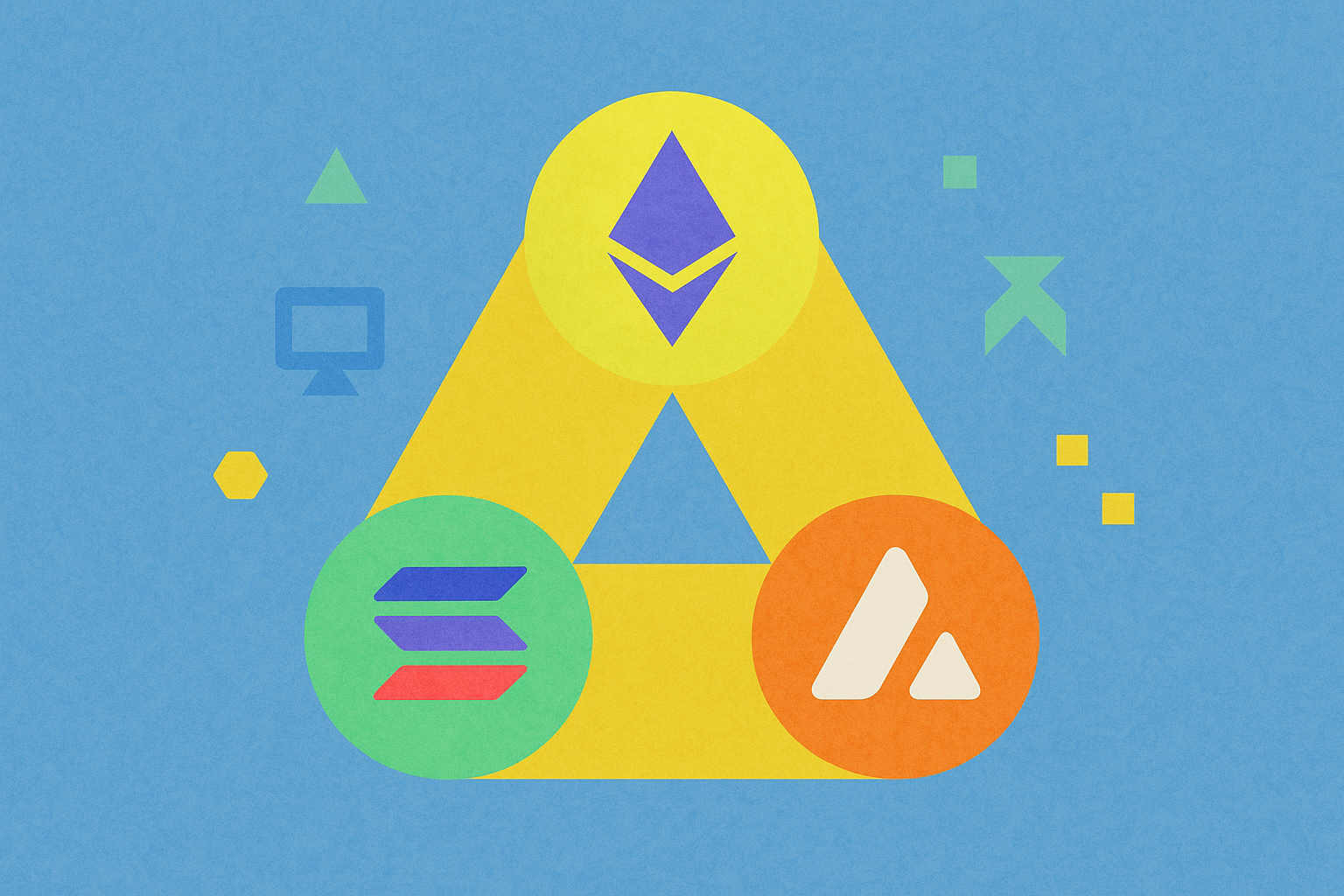
Layer 1 Scaling Solutions
Layer 1 blockchains represent the fundamental protocol layer of a blockchain network. Layer 1 scaling solutions aim to enhance scalability by improving the foundational infrastructure of the blockchain itself. These solutions modify the core protocol to increase transaction throughput, reduce latency, and improve overall network performance without relying on external systems.
The primary approach of Layer 1 scaling involves making fundamental changes to the blockchain's architecture, consensus mechanism, or data structure. This direct modification strategy ensures that improvements are native to the blockchain, maintaining the security and decentralization properties that make blockchain technology valuable. By optimizing the base layer, Layer 1 solutions provide a robust foundation for the entire ecosystem built on top of it.
Types of Layer 1 Coins
Different Layer 1 blockchains have adopted various approaches to address scalability challenges. Understanding these different implementations helps illustrate the diversity of solutions in the blockchain space:
-
Ethereum: Transitioned from Proof of Work (PoW) to Proof of Stake (PoS) consensus mechanism through a major upgrade known as "The Merge." This transition significantly reduced energy consumption and improved transaction finality times, laying the groundwork for future scalability enhancements through sharding.
-
Cardano, Solana, Avalanche: These networks were designed from inception with scalability as a primary consideration. They employ innovative consensus mechanisms and architectural designs that enable higher transaction throughput compared to earlier blockchain generations.
-
Bitcoin: Optimized primarily for decentralization and security, Bitcoin maintains a conservative approach to protocol changes. While this ensures robust security guarantees, it results in limited transaction throughput compared to newer blockchain networks.
-
Sui: A newer generation Layer 1 blockchain specifically engineered to achieve high scalability, low transaction costs, and rapid processing speeds through parallel transaction execution and innovative data structures.
Layer 1 Scaling Technologies
Layer 1 blockchains employ several technical approaches to improve scalability while maintaining security and decentralization:
Block Size and Block Generation Time Adjustments
One straightforward approach to increasing throughput involves modifying block parameters. By expanding block size, more transactions can be included in each block, directly increasing the network's transaction capacity. For example, increasing block size from 1MB to 8MB allows eight times more transactions per block.
Similarly, reducing block generation time enables more frequent block production, which increases overall transaction throughput. However, both approaches must be carefully balanced against network propagation times and storage requirements to avoid centralization pressures.
Consensus Mechanism Upgrades
Transitioning from energy-intensive Proof of Work to more efficient Proof of Stake consensus represents a significant scaling improvement. PoS mechanisms reduce the computational overhead required for block validation, enabling faster transaction confirmation times and lower energy consumption.
This transition also opens possibilities for more sophisticated consensus protocols that can process transactions more efficiently while maintaining security guarantees. The reduced energy requirements make it economically feasible to increase block production frequency.
Sharding
Sharding represents one of the most promising Layer 1 scaling technologies. This approach divides the blockchain network state into multiple parallel partitions called shards, each capable of processing transactions independently. By enabling parallel transaction processing across multiple shards, the network's total throughput scales proportionally with the number of shards.
For instance, a network with 64 shards can theoretically process 64 times more transactions than a single-shard network. Sharding requires sophisticated coordination mechanisms to ensure cross-shard transactions remain secure and atomic.
Advantages
Layer 1 scaling solutions offer several compelling benefits:
-
High Scalability and Economic Efficiency: By improving the base protocol, Layer 1 solutions can achieve significant throughput increases while reducing per-transaction costs, making blockchain technology more accessible for everyday use cases.
-
Maintained Decentralization and Security: Unlike some off-chain solutions, Layer 1 improvements preserve the fundamental security and decentralization properties of the blockchain, ensuring trustless operation.
-
Enhanced Network Ecosystem Development: Improvements to the base layer benefit all applications and services built on top, creating a rising tide that lifts all boats in the ecosystem.
Disadvantages
Despite their benefits, Layer 1 solutions face certain limitations:
-
Fundamental Network Scaling Limits: Physical constraints such as network latency, bandwidth limitations, and storage requirements impose hard limits on how much a single blockchain can scale.
-
Slow Consensus Mechanisms: Particularly for Proof of Work systems, achieving consensus requires significant time and computational resources, creating inherent speed limitations that are difficult to overcome without fundamental architectural changes.
Layer 2 Scaling Solutions
Layer 2 scaling solutions take a fundamentally different approach to blockchain scalability. Rather than modifying the base protocol, Layer 2 solutions build additional infrastructure on top of the existing blockchain, moving transaction processing off the main chain while still leveraging its security guarantees.
The primary objective of Layer 2 scaling is to reduce the transaction burden on the main blockchain by utilizing off-chain architectures. These solutions process transactions outside the main chain and periodically settle aggregated results back to the Layer 1 blockchain, achieving higher throughput while maintaining security through cryptographic proofs.
Types of Layer 2 Coins
Various Layer 2 solutions have emerged, each employing different technical approaches:
-
zkSync, Starknet: These platforms utilize Zero-Knowledge Rollup (ZK-Rollup) technology, which bundles hundreds of transactions into a single proof that can be verified on the main chain. This approach provides strong security guarantees while dramatically reducing transaction costs.
-
Lightning Network: A pioneering Layer 2 solution specifically designed for Bitcoin, enabling instant, low-cost micropayments through payment channels that operate off-chain and settle periodically to the Bitcoin blockchain.
-
Optimism & Arbitrum: These platforms implement Optimistic Rollups to scale Ethereum, assuming transactions are valid by default and only running computations in case of disputes, which significantly reduces computational overhead.
Advantages
Layer 2 solutions provide distinct benefits:
-
No Impact on Base Blockchain Performance: By processing transactions off-chain, Layer 2 solutions don't congest the main blockchain, allowing it to maintain optimal performance for settlement and security functions.
-
Rapid Microtransaction Execution: Layer 2 networks can process thousands of transactions per second, making them ideal for applications requiring high throughput, such as gaming, social media, and micropayments.
-
Reduced Verification Requirements and Unnecessary Fees: By aggregating many transactions into single proofs or batches, Layer 2 solutions dramatically reduce per-transaction costs, sometimes by factors of 100x or more compared to Layer 1.
Disadvantages
Layer 2 solutions also face certain challenges:
-
Limited Blockchain Interoperability: Moving assets and data between different Layer 2 solutions and back to Layer 1 can be complex and time-consuming, creating fragmentation in the ecosystem.
-
Privacy and Security Concerns: Some Layer 2 solutions require trust assumptions or introduce new security models that differ from the base layer, potentially creating new attack vectors or privacy considerations.
Layer 2 Problem-Solving Approaches
Layer 2 solutions employ various technical mechanisms to achieve scalability:
Rollups
Rollups represent the most prominent Layer 2 scaling approach, bundling multiple transactions together and submitting them to the main chain as a single transaction:
-
ZK Rollups: Utilize zero-knowledge cryptographic proofs to validate transaction correctness without revealing transaction details. These proofs are mathematically verifiable and provide strong security guarantees equivalent to the base layer.
-
Optimistic Rollups: Assume all transactions are valid by default and only execute computations if someone challenges a transaction during a dispute period. This approach reduces computational overhead but introduces withdrawal delays.
Nested Blockchains
Nested blockchains create hierarchical structures where one blockchain operates within or on top of another. This parent-child architecture distributes workload across multiple layers, with the parent chain providing security and the child chains handling transaction processing.
This approach allows for specialized child chains optimized for specific use cases while inheriting security from the parent chain.
State Channels
State channels enable two-way communication between the blockchain and off-chain transaction channels. Participants can conduct unlimited transactions off-chain through multi-signature or smart contract mechanisms, only settling the final state to the blockchain.
This approach is particularly effective for applications involving repeated interactions between fixed participants, such as payment channels or gaming applications.
Sidechains
Sidechains are independent transaction chains that run parallel to the main blockchain. They employ their own consensus mechanisms and can be optimized for specific use cases while maintaining interoperability with the main chain through bridge mechanisms.
Sidechains offer flexibility in design choices and can experiment with different features without affecting the main chain's security or stability.
Layer 3 Solutions
Layer 3 represents an additional abstraction layer built on top of Layer 2 solutions, providing even more specialized functionality and optimization for specific applications. This emerging concept extends the layered architecture approach to create a more modular and flexible blockchain ecosystem.
Primary Objectives of Layer 3
Layer 3 solutions aim to address limitations that persist even after Layer 2 scaling:
-
Enhanced Interoperability: Layer 3 facilitates seamless interaction between different blockchains and Layer 2 solutions, creating a more connected ecosystem where assets and data can flow freely across different networks.
-
Application-Specific Optimization: Layer 3 provides tailored functionality for specific decentralized applications, allowing developers to customize performance characteristics, privacy features, and economic models without compromising underlying security.
-
Higher-Level Abstraction: By providing additional abstraction layers, Layer 3 reduces technical complexity for developers and users, making blockchain technology more accessible and easier to integrate into mainstream applications.
The Blockchain Trilemma
The blockchain trilemma represents a fundamental challenge in blockchain design: the difficulty of simultaneously achieving security, decentralization, and scalability to optimal levels. This concept, popularized by Ethereum co-founder Vitalik Buterin, suggests inherent trade-offs in blockchain architecture.
Core of the Trilemma
The trilemma posits that blockchain networks can typically optimize only two of three critical properties:
- Security: Protection against attacks, fraud, and system failures
- Decentralization: Distribution of control and validation across many independent participants
- Scalability: Ability to process high transaction volumes efficiently
Different blockchain networks make different trade-off decisions:
-
Bitcoin: Prioritizes decentralization and security, accepting limited scalability with approximately 7 transactions per second. This conservative approach ensures robust security and censorship resistance.
-
Ethereum: Seeks to balance all three properties through a combination of Layer 1 improvements (PoS, future sharding) and Layer 2 solutions, attempting to achieve the best possible compromise.
-
Solana: Emphasizes scalability, achieving thousands of transactions per second, but operates with a relatively smaller validator set, trading some degree of decentralization for performance.
Layer 1 vs Layer 2: Key Differences
Understanding the fundamental distinctions between Layer 1 and Layer 2 approaches is crucial for evaluating blockchain scaling strategies:
Definition
-
Layer 1: Involves modifying the fundamental layer of the blockchain protocol itself, changing core parameters, consensus mechanisms, or architectural designs to improve performance.
-
Layer 2: Implements off-chain solutions that operate independently while leveraging the base blockchain for security and final settlement, sharing the load without modifying the underlying protocol.
Operating Mechanism
-
Layer 1: Requires modifications to the core protocol, often necessitating network-wide upgrades and consensus among stakeholders. Changes are permanent and affect all network participants.
-
Layer 2: Operates independently of the base blockchain protocol, allowing for rapid innovation and deployment without requiring changes to the underlying chain. Multiple Layer 2 solutions can coexist on the same Layer 1.
Solution Types
-
Layer 1: Includes consensus protocol enhancements (PoW to PoS), sharding implementations, and adjustments to block size or generation speed. These solutions are typically more limited in scope due to the need for network-wide consensus.
-
Layer 2: Encompasses a broader range of possibilities including rollups, state channels, sidechains, and nested blockchains. The design space is less constrained, enabling more experimental and specialized solutions.
Quality Characteristics
-
Layer 1: Utilizes native tokens for transaction fees and network security, implements innovative consensus mechanisms that define the network's fundamental properties, and provides the security foundation for the entire ecosystem.
-
Layer 2: Focuses on reducing transaction costs, improving throughput and programming capabilities, and enabling specialized functionality while inheriting security from the base layer. Often provides better user experience through faster confirmations and lower fees.
FAQ
What are Layer 1 and Layer 2? What are the differences between them?
Layer 1 is the base blockchain where transactions settle finally. Layer 2 is a scaling solution built on Layer 1 to increase transaction throughput and efficiency. The main difference is that Layer 2 enhances scalability and speed while Layer 1 provides security and decentralization.
What are the advantages of Layer 2 compared to Layer 1? What main problems does it solve?
Layer 2 significantly improves transaction speed, reduces gas fees, and increases transaction volume compared to Layer 1. It solves scalability bottlenecks by processing transactions off-chain while maintaining Layer 1 security.
What are common Layer 2 scaling solutions such as Rollups, Sidechains, and State Channels?
Common Layer 2 solutions include State Channels for off-chain transactions, Sidechains as independent chains, Optimistic Rollups and ZK-Rollups that batch transactions, and Plasma for hierarchical scaling. Each offers different tradeoffs in security, speed, and cost efficiency.
Layer 1 and Layer 2 differ significantly in transaction speed and fees?
Layer 1 processes transactions slower with higher fees directly on the main chain. Layer 2 solutions execute transactions off-chain, achieving 100-1000x faster speeds and 90% lower fees, while inheriting Layer 1 security.
How is the security of Layer 2? Are there risks compared to Layer 1?
Layer 2 solutions inherit Layer 1 security through cryptographic proofs. However, they introduce additional risks like smart contract vulnerabilities and sequencer centralization. While generally secure, Layer 2 has less battle-tested history than Layer 1, requiring careful due diligence.
What are the mainstream Layer 2 projects? (Such as Arbitrum, Optimism, Polygon, etc.)
Mainstream Layer 2 solutions include Arbitrum, Optimism, and Polygon. These projects enhance Ethereum's scalability by increasing transaction speed and reducing fees through Rollup technology, enabling faster and cheaper transactions.
When should I choose to use Layer 1 or Layer 2?
Choose Layer 1 for high security and large transaction volumes with lower latency requirements. Choose Layer 2 to reduce transaction fees and improve efficiency with faster, more economical transactions.
Share
Content
How to Buy Cryptocurrency


Trending Cryptocurrencies



XZXX: A Comprehensive Guide to the BRC-20 Meme Token in 2025

Survey Note: Detailed Analysis of the Best AI in 2025

Detailed Analysis of the Best 10 GameFi Projects to Play and Earn in 2025
Kaspa’s Journey: From BlockDAG Innovation to Market Buzz
Best Crypto Wallets 2025: How to Choose and Secure Your Digital Assets
Popular GameFi Games in 2025
Free Money for App Registration: Crypto Platform Bonuses
Top cryptocurrency exchanges that don't require verification: the leading choices right now

What Is CoinList? Key Facts You Need to Know About the CoinList Exchange

Gate Ventures Weekly Crypto Recap (February 2, 2026)

What Is a Cryptocurrency Airdrop: Where to Find Them and How to Earn — An Up-to-Date Guide