Cryptocurrency training from the ground up: how to choose the right approach


In recent years, digital assets have become a fundamental part of the modern financial landscape. Today, terms like Bitcoin and blockchain are not just heard at developer conferences—they’re part of everyday conversation.
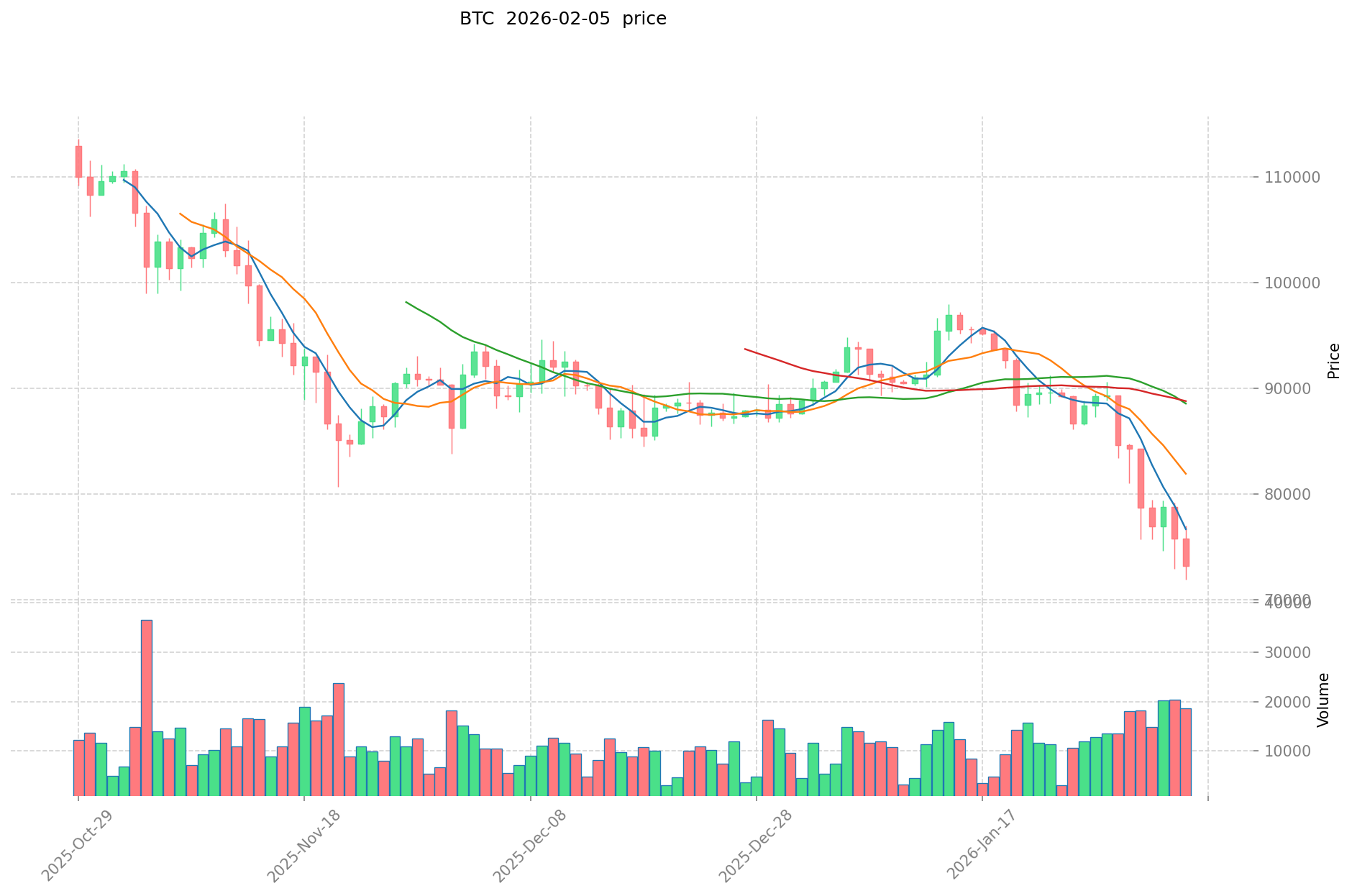 The explosive growth of this industry demands a deeper understanding of its technologies, functions, and operating principles, making cryptocurrency education essential for anyone seeking success in the evolving digital economy.
This guide explores the most popular and effective methods for mastering digital assets. We’ll examine their benefits and drawbacks, and help you identify the optimal learning path based on your goals and resources.
Self-Directed Cryptocurrency Learning
Self-directed study offers the most accessible and flexible route into the digital asset sector. This approach is ideal for those who value autonomy and are ready to invest time in researching and absorbing information. Start by learning the core concepts and principles of blockchain and cryptography, then advance to more complex topics as your foundation grows.
To maximize the effectiveness of self-study, rely on trusted, authoritative sources:
Official Learning Platforms and Blogs
Many crypto projects and platforms invest in developing their own educational resources, providing users with high-quality, current information. These platforms offer deep knowledge bases on blockchain technology and digital assets, detailed investment and trading guides, industry analysis, and up-to-date news. Leading exchanges, for example, publish educational guides covering everything from foundational concepts to advanced trading strategies. These materials are typically structured by difficulty level and updated regularly to reflect market changes.
Forums and Communities
Joining active crypto forums and communities connects you with experienced market participants and facilitates knowledge exchange. Platforms like BitcoinTalk and Reddit feature a wide range of topics, where you can find answers to questions, discuss news, explore technological innovations, and share investment ideas. Active participation helps build critical thinking, distinguish reliable information from speculation, and discover new investment opportunities. Many seasoned members are willing to share their expertise and help newcomers navigate complex issues.
Telegram Channels
Subscribing to reputable Telegram channels is a straightforward and effective way to stay updated on the latest crypto industry developments. These channels deliver timely news, market forecasts, and expert analysis on digital assets. Ready access to reliable information saves time searching online and enables rapid response to market shifts. Be selective—choose channels with established reputations for objective content, not those engaged in promoting dubious projects.
YouTube
YouTube is a goldmine for cryptocurrency education. The platform offers content for every skill level, from short animated videos explaining blockchain basics for beginners, to in-depth guides on token creation and advanced trading strategies for experienced market participants. Metrics like likes, comments, and views are useful indicators of content quality and can help you decide whether a video merits your attention. Many respected experts and traders run their own channels, regularly publishing educational material and market analysis.
Advantages of Self-Directed Learning
Flexibility and Adaptability
Self-directed learning provides maximum freedom in choosing your study schedule, location, and pace. You decide which topics to prioritize, how much time to devote to each, and when to take breaks. This adaptability allows you to tailor your education to individual needs, work routines, and lifestyle—whether that means studying early in the morning or late at night.
Deeper Insight
Independent learning in crypto requires active investigation, critical analysis, and engagement with diverse sources. This approach strengthens analytical thinking and promotes deeper knowledge, as you’re not just passively absorbing information—you’re actively seeking solutions. Ultimately, you’ll build a more nuanced understanding of the technologies and concepts behind digital assets, learn to assess projects, and make informed decisions on your own.
Cost Efficiency
Learning cryptocurrency fundamentals independently substantially reduces costs that would otherwise go toward paid courses or personal coaching. The web is packed with free, high-quality materials adequate for building both basic and advanced expertise. What you save can be invested directly into your first crypto assets or used as trading capital.
Self-Learning Skill Development
The process of self-directed crypto learning cultivates vital skills that benefit not only your understanding of digital assets but also your broader career and life. You’ll develop self-discipline, improve your ability to search for and filter information, critically assess data sources, and organize knowledge independently. These competencies are increasingly valuable in today’s fast-paced world, where self-learning is a core competitive edge.
Drawbacks of Self-Directed Learning
Lack of Structured Curriculum
Without guidance or mentorship, identifying the right sequence and priority for topics can be challenging. Beginners often struggle with where to start, what to focus on first, and which subjects can wait. Absence of structure can lead to disorganized learning, missed key concepts, or getting bogged down in overly complex material early on.
Limited Mentorship and Feedback
Without a teacher or mentor, obtaining qualified feedback and professional advice is difficult. When you encounter complex concepts or conflicting information, there’s no one to clarify or rephrase the material. This can slow your progress and complicate the practical application of knowledge. Lack of feedback also makes it hard to identify gaps or misinterpretations in your understanding.
Risk of Unreliable Information
Self-directed cryptocurrency learning means relying on online resources, whose quality and accuracy can vary widely. You may encounter outdated material, errors, or even intentionally misleading content from scammers. Strengthen your critical thinking, cross-check information from multiple independent sources, and learn to distinguish reliable educational material from advertising and misinformation.
One-on-One Cryptocurrency Coaching
Individual coaching offers a personalized approach to crypto education and may appeal to those seeking dedicated mentorship and willing to invest in high-quality learning. This format involves working directly with an expert who tailors the curriculum to your specific goals and experience level. Like any learning method, personal coaching has its own characteristics to carefully consider before committing.
Advantages of Individual Coaching
Personalized Learning
One-on-one coaching enables a fully customized study plan that reflects your existing skill level, objectives, and preferred learning style. Your mentor can target topics most relevant to you—whether trading, investing, technical blockchain details, or building crypto projects. This approach avoids unnecessary material and ensures your time is spent on what matters most.
Deeper Subject Mastery
Working with an experienced mentor offers the unique benefit of real-time, individualized feedback—you can ask questions and explore complex concepts thoroughly. Unlike group or self-study formats, where some issues may go unresolved, individual coaching ensures each topic is clarified until fully understood. Mentors often share personal insights, insider knowledge, and help you avoid common beginner mistakes.
Accelerated Progress
With individual coaching, you progress at your ideal pace—no need to match a group or stick to a fixed schedule. If a topic is straightforward, you can move quickly; if it proves challenging, you can dedicate as much time as needed. This flexibility is especially valuable for those with limited time or aiming for rapid market entry and practical application.
Drawbacks of Individual Coaching
High Cost
Individual coaching is typically the most expensive option for crypto education, requiring significant time and personalized attention from a qualified mentor. Hourly rates for top experts can be high, making this format inaccessible for many, especially those just starting out and lacking sufficient capital.
Inflated Expectations
It’s important to recognize that even the most skilled mentor cannot guarantee automatic success in the crypto market. Achievement depends on many factors—market conditions, your discipline, ability to apply knowledge, and willingness to learn from mistakes. High coaching fees don’t ensure instant profits or that all investments will succeed.
Fraud Risk
The cryptocurrency market unfortunately attracts scammers and unethical “experts” offering personal coaching with unrealistic promises of quick, guaranteed results. Some claim others’ successes as their own or use aggressive marketing tactics to lure clients. Exercise caution and vet mentors thoroughly by checking genuine reputations and verified reviews from previous students.
How to Protect Yourself from Scams
To minimize risks and select truly qualified personal coaching, we strongly recommend:
Conduct Thorough Due Diligence
Carefully review a potential mentor’s professional background, real-world experience, and industry reputation. Seek detailed, verifiable testimonials from former students on independent platforms to confirm their professionalism and teaching effectiveness. Watch for red flags: anonymity, use of fake photos, lack of public history or verifiable results—all are reasons to reject the partnership.
Connect with Former Students
Find individuals who have previously trained with your prospective mentor and reach out directly for candid feedback. Ask about concrete outcomes, teaching style, and whether expectations were met. This helps you form a complete, objective picture—not just relying on official website testimonials.
Maintain Vigilance
Be cautious of training offers that promise rapid wealth, guaranteed results, or “secret strategies” for steady profits. Understand that no one can guarantee success in crypto investing or trading—markets are volatile and unpredictable. Set realistic expectations and recognize that sustained achievement in crypto requires considerable time, ongoing effort, practical experience, and learning from mistakes.
Online School Cryptocurrency Education
Learning about cryptocurrency at a specialized online school strikes a balance between self-study and individual coaching. This approach combines the structure of professional education with the flexibility of online delivery, offering a comprehensive curriculum. Reputable online schools follow a systematic, organized methodology that provides significant advantages for those serious about building expertise in crypto.
Advantages of Online School Learning
Structured Curriculum
Online crypto schools deliver carefully designed, logically sequenced programs that guide students from basic concepts to advanced strategies. This structure prevents gaps in understanding and ensures progressive learning. Curricula are usually crafted by experienced industry professionals with current market trends in mind, ensuring relevant, actionable knowledge.
Peer Interaction and Knowledge Sharing
Online schools offer unique opportunities to interact with fellow students who share your interest in crypto and are at similar learning stages. This environment supports idea exchange, collaborative problem-solving, and mutual support. Group discussions, forums, and chats let you learn from instructors and peers, gain diverse perspectives, and deepen your industry insight. Many students form lasting professional connections through these programs.
Hands-On Assignments and Projects
Quality online crypto programs include practical assignments and real-world projects, enabling students to apply theory in practice. Activities might include trading simulations, analysis of live crypto projects, portfolio construction, or even developing blockchain apps. This experiential approach reinforces theoretical concepts and builds practical skills essential for success with digital assets.
Access to Premium Resources
Online schools often grant students access to paid professional resources, advanced analytics tools, and exclusive crypto-related content unavailable via self-study. This may include premium market analysis, pro trading platforms, proprietary research and reports, and webinar recordings featuring top industry experts. Access to vetted, up-to-date sources greatly expands your understanding and deepens your expertise in crypto and blockchain.
Drawbacks of Online School Learning
Standardized Approach
Online school curricula typically follow set standards and pre-designed syllabi, which can limit flexibility and full personalization. Programs may not always adapt to each student’s specific needs or interests. Niche topics might not be covered in depth, or you may have to study sections that don’t align with your practical goals.
Time Constraints
Crypto courses at online schools usually have fixed durations and assignment deadlines, which may not suit your individual pace or available time. Some students might need more time for complex material, but the course schedule won’t allow it. On the flip side, predefined timelines can boost motivation and support discipline throughout the learning process.
Summary
Whether you choose self-study with free, trusted resources, personal consultations with industry experts, or a comprehensive program at a specialized online school, each method offers distinct advantages and limitations to weigh when deciding how to learn about cryptocurrency.
Fundamentally, no learning method guarantees automatic success in the crypto market. Effective crypto education and future achievement depend above all on your motivation, self-discipline, continuous learning, practical experience, and ability to analyze and learn from mistakes.
With the crypto sector evolving rapidly and new technologies and projects launching daily, it’s crucial not to stop with initial training. Keep practicing, experiment with different strategies and tools, stay on top of trends and technological advances, engage with professional communities, and continuously expand your knowledge. Only a comprehensive, long-term approach to learning and development can support sustained success in the cryptocurrency industry.
FAQ
What is cryptocurrency? Which foundational concepts should beginners know?
Cryptocurrency is a digital currency built on blockchain technology, such as Bitcoin. Beginners should understand blockchain (a decentralized ledger), decentralized finance (DeFi), NFTs, and trading basics. Each concept introduces new opportunities within the crypto ecosystem.
What are the ways to learn about cryptocurrency? Where should you start?
Start with official resources and blockchain project white papers. Learn through online courses, YouTube channels, and crypto communities. Master the fundamentals—Bitcoin, blockchain, smart contracts—then progress to trading and investing.
Which learning method is best for beginners: self-study, online courses, or training?
Self-study or online courses are recommended for beginners. These approaches offer greater flexibility, cost savings, and allow you to learn at your own pace while steadily building crypto knowledge.
What preparation and risk assessment are necessary before buying your first cryptocurrency?
Clarify your investment goals and acceptable risk level. Cryptocurrencies are highly volatile and lack the protections of traditional investments. Learn about blockchain technology and choose reliable assets for your initial investment.
What are the most common mistakes and pitfalls when learning about cryptocurrency?
The main misconceptions include relying on unverified sources, underestimating market volatility, and neglecting asset security. Focus on trusted information, understand real risks, and protect your assets carefully.
Blockchain, Bitcoin, Ethereum, and other concepts—how do they differ?
Blockchain is distributed ledger technology. Bitcoin is a digital currency built on blockchain for transactions. Ethereum is a blockchain-based platform supporting smart contracts for decentralized applications.
Share
Content
How to Buy Cryptocurrency


Trending Cryptocurrencies



XZXX: A Comprehensive Guide to the BRC-20 Meme Token in 2025

What Is a Phantom Wallet: A Guide for Solana Users in 2025
Ethereum 2.0 in 2025: Staking, Scalability, and Environmental Impact

2025 Layer-2 Solution: Ethereum Scalability and Web3 Performance Optimization Guide

What is BOOP: Understanding the Web3 Token in 2025

Altcoin Season Index 2025: How to Use and Invest in Web3

Comprehensive Guide to Recession Preparation
How to Choose a Cryptocurrency Exchange: Top 5 Recommended Platforms for International Users
Profitability Analysis of Cryptocurrency Mining: Miner and Altcoin Selection in Recent Years

Top 7 Most Popular NFT Games

Comprehensive Guide to NFTs: Understanding Digital Ownership and Blockchain Technology