What Are Nodes?

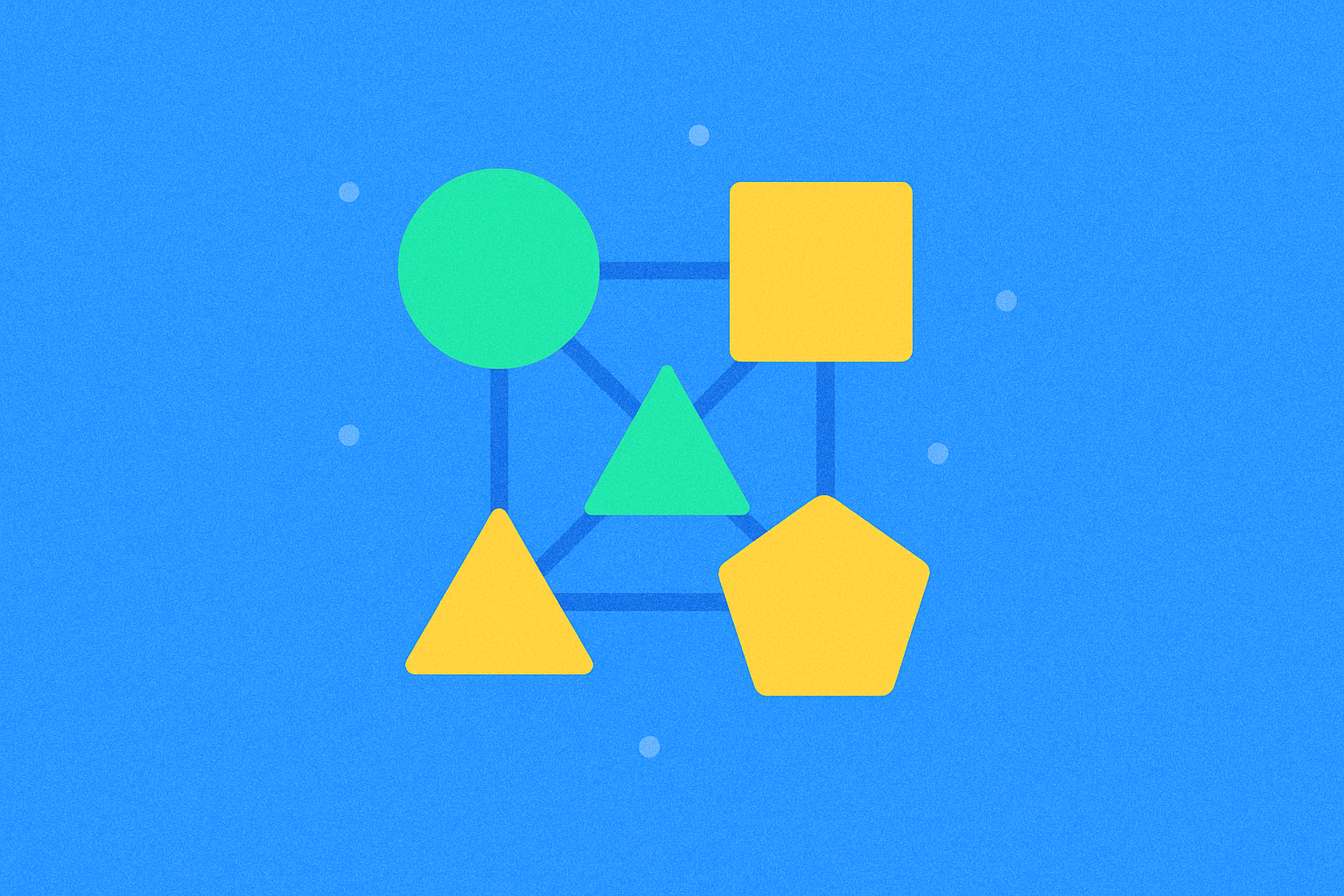
What Are Blockchain Nodes?
The term "node" originates from scientific, mathematical, and technological fields and applies to various contexts. At its core, a node represents:
- A point of connection within a network
- A redistribution or communication hub that facilitates data flow
- A device connected to a network infrastructure
- A device that sends, receives, stores, and processes data
In blockchain technology, nodes are computers or other devices (such as servers or mobile devices) that maintain a copy of the blockchain database, validate transactions and blocks, and update other devices on the blockchain's state. These fundamental components form the backbone of any blockchain network, ensuring its integrity and functionality.
Nodes in blockchains operate on a peer-to-peer basis, meaning they communicate directly with one another without relying on a central authority. They play a crucial role in validating transactions and blocks while relaying updates to other devices within the network. This decentralized approach eliminates single points of failure and enhances network resilience.
A web-like structure best illustrates how devices interconnect, with each node linked to one or more other nodes. This decentralized configuration ensures that even if one point fails, the overall network continues to function without interruption. The redundancy built into this system provides robust protection against network failures and malicious attacks.
The Importance of Nodes in Blockchain Networks
Decentralization represents one of the fundamental elements that has made cryptocurrency an alternative to the mainstream financial system. Major blockchain networks are not controlled by a single entity — instead, control belongs to community members distributed across a global network.
The primary role of nodes is to ensure that the network operates smoothly and securely. These validators confirm that nobody uses the network to break the protocol's rules. They also help verify that transactions cannot be altered or double-spent, which is essential for maintaining trust in the system.
Nodes contain a full copy of the entire blockchain, which functions as a universal ledger system. Any interested party can verify transaction information on the network from any point in its history, which means that the legitimacy of all transactions can be independently verified. This transparency is a cornerstone of blockchain technology.
Information about transactions, blocks, and the state of the blockchain is continuously communicated between nodes. Ultimately, nodes contribute to achieving consensus among blockchain users. This is the consensus algorithm at work, which serves as a rulebook for how devices agree on the current state of the blockchain.
Understanding Consensus Algorithms
Because there are no central authorities vetting transactions on decentralized blockchains, this responsibility falls to the network validators. The consensus algorithm takes all the information provided by nodes and ensures that they have reached a common agreement. This mechanism ensures the security and reliability of network transactions.
The consensus process establishes agreement on several critical aspects:
- The chronological order in which transactions were submitted
- The head (most recent block) of the blockchain
- The current state of all accounts on the blockchain
Essentially, nodes guarantee that the information captured in each block represents the only truthful version of events. They hold the software necessary for validating information and interacting with the blockchain, making them indispensable to the network's operation.
Types of Blockchain Nodes
Now that we understand how computers and similar devices within a network receive and share information, it's important to recognize that this information is used to maintain the network's integrity and security. However, nodes themselves can have different characteristics, typically involving their purpose within the network and their specific capabilities.
Don't let the different types confuse you, though; on the most basic level, there are two main categories: full nodes and light nodes. Let's examine each type along with several other variations that serve specialized functions.
Full Nodes
Full nodes sit at the heart of any blockchain network. They are especially important because they offer governance rights and enforce protocol rules. It takes a majority of votes from full nodes for a proposal to be accepted. Furthermore, this majority can lead to the establishment of a hard fork when significant protocol changes are needed.
Unlike other node types, full nodes record the entire blockchain, noting the details of every single transaction since the network's inception. Validation of the network and maintenance of consensus are their primary functions. Some full nodes possess the capability to add new blocks to the network, while others serve purely as validators.
Light Nodes
Lightweight nodes, also known as light nodes, offer a more resource-efficient alternative to full nodes. Light nodes conserve storage space by downloading only select information, such as the head of the blockchain and relevant transaction data. They use simplified payment verification (SPV) to ensure that they are interacting with the correct version of the chain.
However, light nodes depend on full nodes to function properly. They query full nodes for information about transactions and blocks, making them unsuitable for standalone operation but ideal for users with limited hardware resources.
Pruned Full Nodes
Pruned full nodes represent a compromise between full nodes and light nodes, helping to maintain manageable storage requirements. They "prune" older blocks in the network by deleting historical transaction data while retaining block headers and recent transactions. In the end, pruned full nodes maintain only the most recent transactions based on storage specifications determined by the operator.
This approach allows users to run full node functionality without requiring massive storage capacity, making participation more accessible to a broader range of users.
Mining Nodes
Mining nodes use proof-of-work mechanisms to update the blockchain by solving complex cryptographic puzzles. To achieve this, mining nodes typically operate as full nodes or retrieve necessary information from full nodes. Unlike regular nodes, miners receive rewards for the additional computational work they contribute to securing the blockchain.
These nodes compete to add new blocks to the chain, with successful miners earning cryptocurrency rewards for their efforts. This incentive structure helps ensure network security and transaction processing.
Authority Nodes
Authority nodes are utilized in centralized or consortium blockchains. The owners of these networks decide upon the validators of transactions, creating a more controlled environment. For example, if a company operates a private blockchain, it may restrict who can operate a node to maintain security and compliance.
However, in purely technical terms, authority nodes possess the same features as full nodes. They validate transactions and maintain the blockchain state, but within a permissioned framework.
Masternodes
Masternodes are similar to full nodes but with additional requirements and capabilities. They exist in proof-of-work mechanisms and operate similarly to mining nodes, except that operators must lock up a certain number of tokens as collateral to validate transactions and participate in governance.
This staking requirement ensures that masternode operators have a vested interest in the network's success, as malicious behavior could result in the loss of their staked tokens.
Archival Nodes
Archival nodes store the entire history of the blockchain, including all transactions, blocks, and states since the network's inception. They maintain a complete, unaltered record of every block, which allows them to respond to queries about any point in the blockchain's history.
For context, while full nodes verify transactions and blocks, they can be pruned to save storage space. Archival nodes, however, never discard historical data, making them essential for blockchain explorers, researchers, and applications that require access to complete historical records.
Why Should You Consider Running a Node?
Running a node plays a key role in maintaining the smooth functioning of a blockchain network. While nodes can earn financial rewards for their operators, the benefits extend far beyond monetary compensation. Operating a node carries significant advantages for both individuals and the broader blockchain community.
Firstly, you will contribute directly to the security and decentralization of the blockchain network. Major cryptocurrencies would simply not exist without individuals dedicating their resources to running nodes. Your participation strengthens the network against attacks and censorship.
Additionally, you will be able to take part in the governance process. This means that you have a genuine voice regarding important decisions such as protocol updates and system improvements. In the event of a fork, you can express support for which version of the blockchain you believe represents the correct path forward.
Running a node also provides you with direct access to blockchain data without relying on third-party services. This independence ensures privacy and allows you to verify transactions without trusting external providers.
Finally, while you may need to develop some technical knowledge, you will be pleased to know that running a node is quite affordable. There is no requirement for expensive supercomputers, unlike the task of cryptocurrency mining which demands significant computational power.
An affordable computer, a stable internet connection, and a willingness to learn some technical aspects are the only requirements. Remember, not all nodes need to be full nodes, so operating a light node is completely realistic even with limited hardware resources.
Basics of Setting Up a Node
Running your own node can be a rewarding experience that allows you to participate directly in the construction of the cryptocurrency ecosystem while developing valuable technical expertise. While there are several technical aspects that require careful attention, the process is more accessible than many people initially believe.
First, let's review the typical minimum requirements. As mentioned previously, there is generally nothing outlandish involving computational power. Here is what most blockchain nodes require:
- A computer running a recent version of Windows, Linux, or macOS operating system
- At least 2 GB of RAM (though 4 GB or more is recommended for better performance)
- 200 GB of free disk space (requirements vary by blockchain)
- A stable internet connection with reasonable bandwidth
The Raspberry Pi has emerged as one of the most popular devices used for running light nodes. The Raspberry Pi is a small, affordable single-board computer with sufficient storage capacity and computational power for this particular task. From here, you will need to install the hardware components, configure the operating system, and install the blockchain client software.
The setup process typically involves downloading the blockchain client software, configuring network settings, and synchronizing with the blockchain network. Initial synchronization can take several hours to days depending on the blockchain size and your internet connection speed.
Blockchain Node Providers
Node providers offer an alternative to individuals running their own infrastructure. These providers offer APIs and managed services that help developers create automated workflows for managing blockchain interactions without the complexity of maintaining physical hardware.
As mentioned earlier, there are numerous challenges that users may not want or be able to address when setting up a node. These node-as-a-service platforms provide the infrastructure required and significantly reduce the technical difficulty involved in the task.
These companies can provide access to major blockchain networks such as Bitcoin, Ethereum, and others based on the requirements of the client. They allow clients to access blockchain information at any time without worrying about hardware maintenance, software updates, or network connectivity issues.
The expenses of such services are determined by factors related to the costs of setting up the node (personnel, hardware, software, etc.), as well as ongoing operating costs. Popular providers such as Infura, GetBlock, and Alchemy have established strong reputations and serve large user bases across the blockchain ecosystem.
Nodes Are Key to Blockchain Technology
Blockchain technology has a tremendous number of applications across various industries. One of its key tenets, however, is the importance of adhering to a decentralized system architecture. In order for this decentralization to work effectively, the network depends on the contribution of regular users who dedicate their resources to maintaining the infrastructure.
Nodes enable this kind of public network to operate without central control. Individuals may have various motives for running their own nodes. Some do this to earn financial rewards through staking or validation incentives, while others are primarily concerned with supporting the network's security and decentralization. Many operators are motivated by ideological beliefs in decentralized systems and wish to contribute to this technological revolution.
Regardless of individual motivations, nodes remain the fundamental building blocks of blockchain networks. They serve as the nerve receptors of the blockchain ecosystem, constantly validating, communicating, and maintaining the integrity of distributed ledgers. As blockchain technology continues to evolve and expand into new applications, nodes will continue to be integral to decentralized ecosystems in the years to come.
The future of blockchain technology depends on a robust network of nodes operated by diverse participants across the globe. By understanding the role and importance of nodes, more individuals can make informed decisions about participating in this transformative technology.
FAQ
What is a Node? What are the basic definition and function of nodes?
A node is a computer connected to the blockchain network that stores blockchain data and validates transactions. Nodes ensure network decentralization and data integrity by participating in transaction verification and propagation.
What are the different types of nodes? What are full nodes, light nodes, and validator nodes?
Full nodes store the entire blockchain and maintain network records. Light nodes store only block headers, requiring less storage. Validator nodes verify transactions and create blocks in proof-of-stake networks without solving complex math problems.
How to run a node? What are the hardware and software requirements for running a node?
To run a node, you need a computer with at least 8GB RAM and 1TB storage space, stable internet connection, and appropriate node software like Geth or Prysm. Download the software, sync the blockchain data, and follow the client's setup instructions to get started.
What are the benefits of running a node? Why do people run nodes?
Running a node enhances privacy and security, resists censorship, supports decentralization, and provides distributed control over the network. It enables users to validate transactions independently and maintain network sovereignty.
What is the difference between nodes and regular users?
Nodes actively validate and store blockchain data, maintaining network security and consensus. Regular users only send and receive transactions without operating network infrastructure or earning validation rewards.
How do nodes in a network communicate? How do nodes collaborate with each other?
Nodes communicate through consensus protocols, exchanging data packets to share information and validate transactions. They collaborate by verifying blocks, maintaining distributed ledgers, and reaching agreement on network state. This peer-to-peer communication ensures network security, decentralization, and efficient transaction processing across the blockchain.
Is it safe to run nodes? What risks should I pay attention to?
Running nodes is generally safe when properly configured. Main risks include network attacks, hardware failures, and data loss. Ensure strong security practices, regular updates, reliable infrastructure, and secure backup systems to mitigate potential issues effectively.
Do nodes consume a lot of resources? Are operating costs high?
Node resource consumption varies by blockchain. Running a node requires significant computational power, storage, and bandwidth. Costs depend on the network—some lightweight nodes need minimal resources, while validator nodes on major networks require substantial hardware investment and electricity expenses.
Share
Content
How to Buy Cryptocurrency


Trending Cryptocurrencies



XZXX: A Comprehensive Guide to the BRC-20 Meme Token in 2025

Survey Note: Detailed Analysis of the Best AI in 2025

Detailed Analysis of the Best 10 GameFi Projects to Play and Earn in 2025
Kaspa’s Journey: From BlockDAG Innovation to Market Buzz

Best Crypto Wallets 2025: How to Choose and Secure Your Digital Assets

Popular GameFi Games in 2025

What is MOBI: A Comprehensive Guide to Amazon's E-Book File Format and Its Uses
What is ALMANAK: A Comprehensive Guide to Digital Calendar and Event Management Systems
Proof of Work vs Proof of Stake: Which Is Superior?
What is RWAINC: A Comprehensive Guide to Real-World AI and Networking Capabilities

The Most Promising Cryptocurrencies: Where to Invest