This comprehensive guide explains blockchain nodes for beginners, covering their fundamental role in maintaining decentralized networks. Nodes are computers that validate transactions, store blockchain data, and ensure network security without central authorities. The article explores seven distinct node types—full nodes, light nodes, pruned nodes, mining nodes, authority nodes, masternodes, and archival nodes—each serving specific functions within the ecosystem. Key topics include consensus mechanisms that enable nodes to reach agreement, practical setup requirements, and benefits of running your own node including enhanced privacy and governance participation. The guide also addresses node-as-a-service providers like Gate as alternatives for developers seeking infrastructure support. Whether you aim to strengthen network decentralization, earn rewards, or gain trustless blockchain access, this resource provides actionable insights for meaningful participation in the blockchain ecosystem.
What Are Nodes?
The term "node" originates from scientific, mathematical, and technological fields and applies to various contexts. Understanding nodes is fundamental to grasping how blockchain technology operates and maintains its decentralized nature.
At its core, nodes serve multiple critical functions:
- A point of connection within a network infrastructure
- A redistribution or communication hub that facilitates data flow
- A device connected to a network that participates in its operations
- A device that sends, receives, stores, and processes data continuously
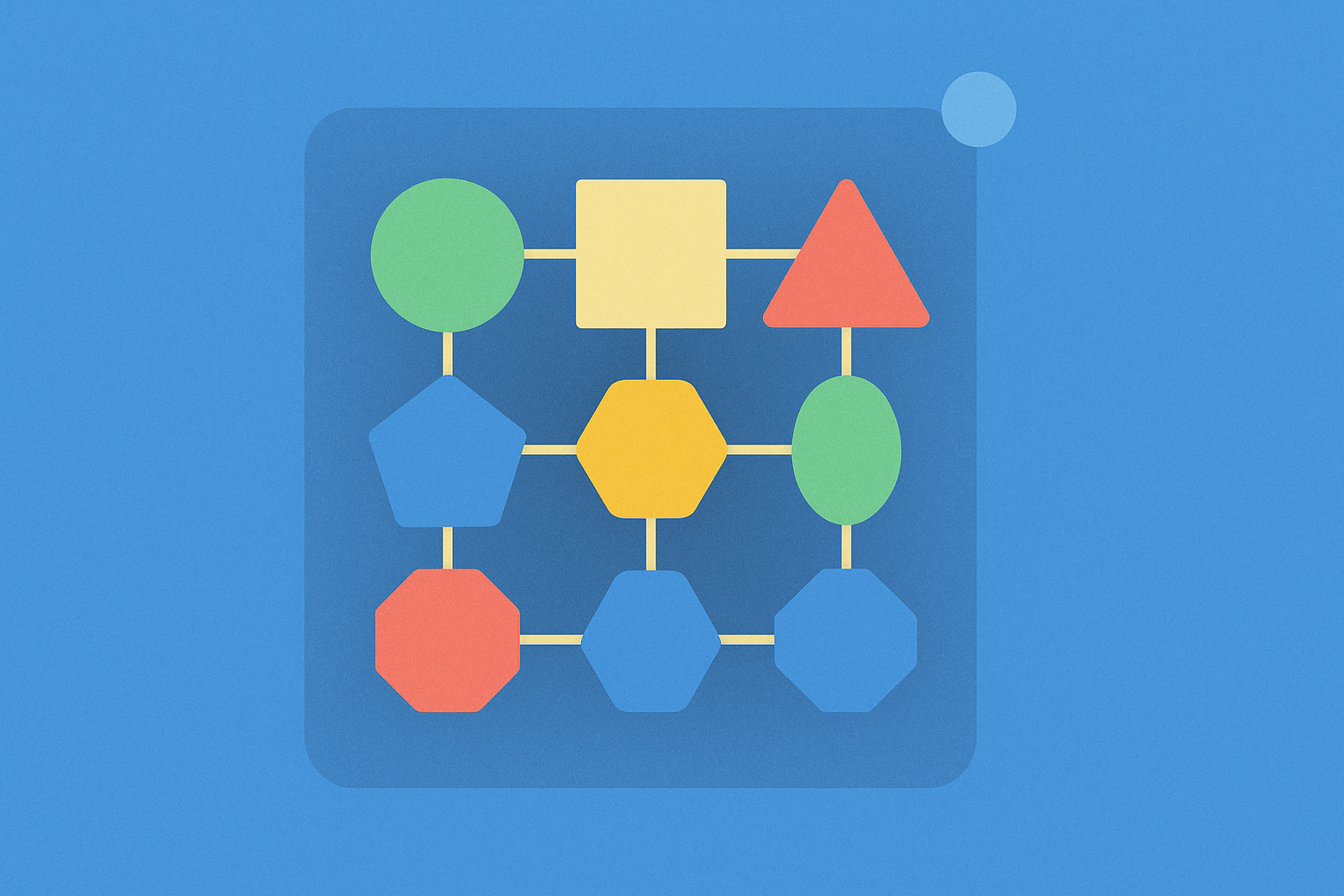
In blockchain technology, nodes are computers or other devices (such as servers or mobile devices) that maintain a copy of the blockchain database, validate transactions and blocks, and update other devices on the blockchain's state. These devices form the backbone of the entire blockchain ecosystem, ensuring its security, transparency, and decentralization.
Nodes in blockchains operate on a peer-to-peer basis, meaning they communicate directly with one another without relying on a central authority. This peer-to-peer architecture is what enables blockchain networks to function without intermediaries. They play a crucial role in validating transactions and blocks, and relaying updates to other devices within the network, creating a self-sustaining and trustless system.
Why Are Nodes Important?
Decentralization is one of the fundamental elements that has made cryptocurrency an alternative to the mainstream financial system. Bitcoin and most other blockchain networks are not controlled by a single entity — instead, control belongs to the community members distributed across a global network.
The primary role of nodes is to ensure that the network runs smoothly and securely. These validators confirm that nobody uses the network to break the protocol's rules, maintaining the integrity of the entire system. Nodes also help confirm that transactions cannot be altered or double-spent, which is essential for preventing fraud and maintaining trust in the network.
Nodes contain a full copy of the entire blockchain, which functions as a universal ledger system. This comprehensive record-keeping allows any interested party to verify transaction information on the network from any point in its history. This transparency means that the legitimacy of all transactions can be independently verified by anyone with access to a node, creating an unprecedented level of accountability in financial systems.
Information about transactions, blocks, and the state of the blockchain is continuously communicated between nodes. Ultimately, nodes contribute to providing consensus among blockchain users. This is the consensus algorithm at work, which functions as a rulebook for how devices agree on the state of the blockchain. Without nodes working together to reach consensus, blockchain networks would be vulnerable to attacks and inconsistencies.
Using a Consensus Algorithm
Because there are no central authorities vetting transactions on the decentralized blockchain, this critical function is performed through the validators operating nodes.
The consensus algorithm takes all the information provided by the nodes and ensures that they have reached a common "agreement." This mechanism ensures the security and reliability of network transactions. The consensus algorithm helps nodes agree on:
- The order in which transactions were submitted to the network
- The head (most recent block) of the blockchain
- The state of all accounts on the blockchain
Essentially, nodes guarantee that the information captured in each block represents the only truthful version of events. They hold the software necessary for validating information and interacting with the blockchain. Different blockchain networks may use different consensus algorithms, such as Proof of Work (PoW) or Proof of Stake (PoS), but the fundamental role of nodes in reaching consensus remains consistent across implementations.
Types of Blockchain Nodes
However, nodes themselves can have different characteristics and capabilities. These variations usually involve their purpose within the network and their technical specifications. On the most basic level, there are several distinct types of nodes, each serving specific functions.
Full Nodes
Full nodes sit at the heart of the blockchain network and are especially important for maintaining the network's integrity. They offer governance rights and enforce protocol rules, giving their operators a voice in the network's future development. It takes a majority of votes from full nodes for a proposal to be accepted. Furthermore, this majority can lead to the establishment of a hard fork, which creates a permanent divergence in the blockchain.
Unlike other types of nodes, full nodes record the entire blockchain, noting the details of every single transaction from the genesis block to the present. Validation of the network and maintenance of the consensus are their primary functions. Some full nodes can add new blocks to the networks (such as mining nodes), while others focus solely on validation and cannot add blocks themselves.
Light Nodes
Lightweight nodes, also known as light nodes, offer a more resource-efficient alternative to full nodes. Light nodes save storage space by downloading only select information, such as the head of the blockchain and relevant transaction data. They use Simplified Payment Verification (SPV) to ensure that they are interacting with the correct version of the chain without storing the entire blockchain history.
However, light nodes depend on full nodes to function properly. They must query full nodes to verify transactions and obtain necessary blockchain information, making them unusable without the existence of full nodes in the network.
Pruned Full Nodes
Pruned full nodes offer a middle ground between full nodes and light nodes in terms of storage requirements. They "prune" older blocks in the network by deleting them after verification, which significantly reduces storage demands. In the end, pruned full nodes maintain only the most recent transactions based on the storage specifications determined by the owner.
Despite pruning historical data, these nodes still validate all transactions and blocks, maintaining the security benefits of full nodes while requiring less disk space. This makes them an attractive option for users who want to contribute to network security without investing in extensive storage infrastructure.
Mining Nodes
Mining nodes use Proof of Work mechanisms to update the blockchain by solving complex cryptographic puzzles. To achieve this, mining nodes must either be full nodes themselves or retrieve the necessary information from a full node. Unlike regular nodes, miners also receive financial rewards for the additional computational work they contribute to the blockchain.
Mining nodes compete to add new blocks to the blockchain, and the first to solve the cryptographic puzzle receives the block reward. This incentive structure ensures that there are always participants willing to dedicate computational resources to securing the network.
Authority Nodes
Authority nodes are utilized in centralized or permissioned blockchains. The owners of these networks decide upon the validators of transactions, creating a more controlled environment. For example, if a company operates a private blockchain, it may not allow everyone to operate a node, instead restricting this privilege to trusted entities.
However, in purely technical terms, authority nodes have the same features as full nodes. They validate transactions, maintain copies of the blockchain, and participate in consensus mechanisms, but within a more restricted governance framework.
Masternodes
Masternodes are similar to full nodes but with additional responsibilities and requirements. They exist in Proof of Work and Proof of Stake mechanisms and operate similarly to mining nodes, except that operators must lock up a certain number of tokens as collateral to validate transactions and participate in network governance.
This collateral requirement ensures that masternode operators have a financial stake in the network's success, aligning their incentives with the network's health. Masternodes often provide additional services such as instant transactions, private transactions, or decentralized governance voting.
Archival Nodes
Archival nodes store the entire history of the blockchain, including all transactions, blocks, and states since the network's inception. They maintain a complete, unaltered record of every block, which allows them to respond to queries about any point in the blockchain's history.
For context, while full nodes verify transactions and blocks, they can be pruned, meaning they may discard older transaction data to save storage space. Archival nodes, however, never prune data, making them essential for blockchain explorers, researchers, and developers who need access to complete historical data.
Why Should You Consider Running a Node?
Running a node plays a key role in maintaining the smooth functioning of a blockchain network. While nodes can earn financial rewards for their operators in some networks, the benefits extend far beyond monetary incentives for both individuals and the broader community.
Firstly, you will contribute directly to the security and decentralization of the blockchain network. Cryptocurrencies like Bitcoin would simply not exist without individuals running nodes and participating in the validation process. Each additional node makes the network more resilient against attacks and censorship.
Beyond security contributions, you will be able to take part in the governance process. This means that you have a real say regarding important decisions such as system updates, protocol changes, and network improvements. In the event of a fork, you can express support for which version of the blockchain you believe should be canonical, directly influencing the network's future direction.
Additionally, running a node provides you with trustless access to the blockchain. Instead of relying on third-party services to broadcast transactions or verify balances, you can interact directly with the network, ensuring maximum privacy and security.
Finally, while you may need to improve your technical knowledge, you will be pleased to know that running a node is quite affordable compared to other blockchain activities. There is no requirement for expensive supercomputers, unlike the task of being a crypto miner. An affordable computer, a strong internet connection, and a willingness to learn some technical aspects are the only requirements. Remember, not all nodes are full nodes, so operating a light node is completely realistic even on limited hardware.
Basics of Setting Up a Node
Running your own node can be a rewarding experience that allows you to take part in the construction of the crypto ecosystem itself while helping you attain new technical expertise.
While there are several technical aspects that require careful attention, the process is more accessible than many people assume. Here are the typical minimum requirements for running a node:
- You will need a computer that uses a recent version of Windows, Linux, or macOS
- You will need at least 2 GB RAM and 200 GB of free disk space (requirements vary by blockchain)
- You will need a stable internet connection with sufficient bandwidth
- You should ensure your node can run continuously or at least for extended periods
The Raspberry Pi is one of the most popular devices used for running light nodes due to its affordability and efficiency. The Raspberry Pi is a small, affordable computer with enough storage and computation power for this particular task. From here, you will need to install the hardware, configure the operating system, and install the blockchain client software.
The setup process typically involves downloading the blockchain client software, synchronizing with the network (which can take several hours to days depending on the blockchain size), and configuring your node settings. Many blockchain projects provide detailed documentation and community support to help new node operators through the setup process.
Blockchain Node Providers
Node providers offer an alternative to individuals running their own nodes. These providers offer APIs and infrastructure that help developers and businesses create automated workflows for managing blockchain interactions without the overhead of maintaining physical hardware.
As mentioned earlier, there are numerous technical and logistical challenges that users may not want or be able to deal with when setting up a node. These node-as-a-service providers supply the infrastructure required and reduce the difficulty involved in the task, allowing users to focus on building applications rather than managing infrastructure.
These companies can provide access to blockchain networks such as Bitcoin, Ethereum, and others based on the requirements of the client. They allow clients to access blockchain information at any time through simple API calls, eliminating the need for synchronization delays or hardware maintenance.
The expenses of such services are determined by factors related to the costs of setting up the node (personnel, hardware, software, etc.), as well as ongoing operating costs. Popular providers such as Infura, GetBlock, and Alchemy have established strong reputations and serve large numbers of users. These companies offer various pricing tiers, from free plans for developers to enterprise solutions for large-scale applications.
Nodes Are Key to Blockchain
Blockchain technology has a tremendous number of applications across industries. One of its key tenets, however, is the importance of adhering to a decentralized system. In order for this decentralization to work effectively, the network depends on the contribution of regular users who operate nodes and contribute to the functioning of the system.
Nodes enable public blockchain networks to operate without central control or single points of failure. Individuals may have various motives for running their own nodes. Some do this to earn profits through mining or staking rewards, while others are primarily concerned with supporting network security and decentralization. Many operators are motivated by the governance rights and trustless access that running a node provides.
Regardless of individual motivations, nodes remain the fundamental building blocks of blockchain networks and will continue to be integral to decentralized ecosystems in the years to come. As blockchain technology evolves and finds new applications, the role of nodes in maintaining network integrity, security, and decentralization will only become more critical. Understanding nodes and their functions is essential for anyone seeking to participate meaningfully in the blockchain ecosystem.
FAQ
What is a Node (Node)? What role do nodes play in blockchain?
A node is a computer connected to the blockchain network. Nodes validate transactions, maintain distributed ledgers, and ensure network security. Full nodes store the complete blockchain, while light nodes store partial data and support network communication.
What hardware and technical requirements are needed to run a node?
Running a node requires a desktop or laptop with Windows, Mac OS X, or Linux, at least 7GB available disk space, stable internet connection, and minimum 2GB RAM for basic operation.
What are the different types of nodes? What is the difference between full nodes, light nodes, and validator nodes?
Full nodes store complete blockchain data and verify all transactions, requiring more resources but ensuring high security. Light nodes only store block headers and use Merkle proofs for simplified verification, consuming fewer resources. Validator nodes participate in consensus and block creation, securing the network through stake or proof-of-work.
Why run a node? What are the benefits of running a node?
Running a node enhances privacy, reduces third-party dependency, and supports network decentralization. Nodes verify transactions and strengthen network security while enabling independent participation in the blockchain.
How to set up and run your own node?
Download the blockchain software for your chosen network, configure network settings, and ensure your device runs 24/7. Using a Raspberry Pi with tools like MyNodeBTC keeps annual costs under $10. Your node maintains a blockchain ledger copy and validates transactions independently.
How much does it cost to run a node?
Running a full node typically requires an initial investment of $150-$200 for hardware and approximately $2 per month for electricity costs. These expenses depend on the blockchain type and your local energy prices.
What is the difference between nodes and miners?
Miners validate transactions and add blocks to the blockchain, earning rewards for their work. Nodes maintain and verify blockchain data, providing network infrastructure without mining rewards. Miners are specialized participants, while nodes are general network validators.
How do nodes impact the security of blockchain networks?
Nodes enhance blockchain security through decentralized verification and consensus mechanisms, preventing 51% attacks and malicious behavior. Multiple nodes eliminate single points of failure, strengthening overall network resilience. Their identity verification mechanisms effectively prevent illegal activities and unauthorized transactions.
* The information is not intended to be and does not constitute financial advice or any other recommendation of any sort offered or endorsed by Gate.