Cryptocurrency staking: what is it and how can you earn from it
What Is Cryptocurrency Staking?
Cryptocurrency staking is a widely used method for earning passive income from digital assets. This approach involves holding cryptocurrencies in an account, enabling investors to participate in a blockchain network and help maintain its operations. In return for supporting the network, users receive additional tokens as rewards.
Staking functions by utilizing your coins to validate transactions and generate new blocks within the blockchain. The greater your cryptocurrency balance, the higher your chances that your node will be selected to confirm an upcoming block. This entire process runs automatically and requires no ongoing input from the asset owner.
Many investors see staking as a supplemental revenue stream that allows crypto savings to yield regular returns. This is especially beneficial for long-term holders who do not intend to sell their digital assets soon.
Note: In the Russian crypto community, staking is also referred to as "steking." Both spellings and pronunciations are widely accepted by investors.
Which Cryptocurrencies Can Be Staked?
All cryptocurrencies eligible for staking utilize the PoS (Proof-of-Stake) consensus algorithm. This model for mining and block validation is considered more eco-friendly compared to alternatives because it eliminates the need for high-powered, energy-intensive hardware.
The PoS mining process works as follows:
- The blockchain network reviews the cryptocurrency balances of all participants. Users with larger holdings have a higher probability of being chosen to validate the next block. The participant's device computing power is used for this task. Therefore, staking is only possible while your computer or other devices are powered on and connected to the network.
- Upon successfully validating a block, users are rewarded with new tokens from the project. The reward amount depends on the number of staked coins and the network’s specific rules.
- The entire process is automated and does not require manual intervention after initial setup.
In short, cryptocurrency staking is a form of mining for PoS-based coins, where the quantity of staked tokens substitutes for computing power.
By contrast, mining digital assets via the PoW (Proof-of-Work) algorithm demands specialized hardware such as powerful computers, mining farms, or ASIC devices. Miner earnings in this scenario are directly tied to the total computing power available.
With PoW mining, millions of devices worldwide compete to solve cryptographic puzzles and add new blocks to the chain. This requires enormous energy consumption and has negative environmental implications. As a result, many major crypto projects are transitioning—or planning to transition—to the more energy-efficient PoS algorithm.
In summary, staking leverages your cryptocurrency balance for network participation, while PoW mining relies on the sheer amount of computational resources.
How to Earn from Cryptocurrency Staking
With a clear understanding of what staking is and how it works, let's move on to the practical steps for getting started. The staking process is straightforward and accessible—even for those new to crypto investing.
Here's a step-by-step guide to begin:
-
Select a cryptocurrency. Choose a project that interests you and confirm it supports staking. Evaluate the blockchain’s technical specifications, token growth potential, and the development team's reputation.
-
Find a platform. Locate a trusted wallet or trading platform that allows staking of your chosen cryptocurrency. Consider fee structures, withdrawal policies, and user reviews.
-
Purchase and deposit tokens. Acquire the necessary amount of cryptocurrency. After purchase, transfer your coins to the selected platform or wallet that supports staking, and activate staking.
PoS mining rewards are typically distributed at regular intervals—ranging from daily to monthly, depending on the project. Most platforms and wallets with staking support offer detailed instructions for each token, including minimum participation amounts and lock-up periods.
Top Cryptocurrencies for Staking
BeInCrypto experts analyzed the market and compiled a list of the most promising staking cryptocurrencies, based on yield, project reliability, and ease of use.
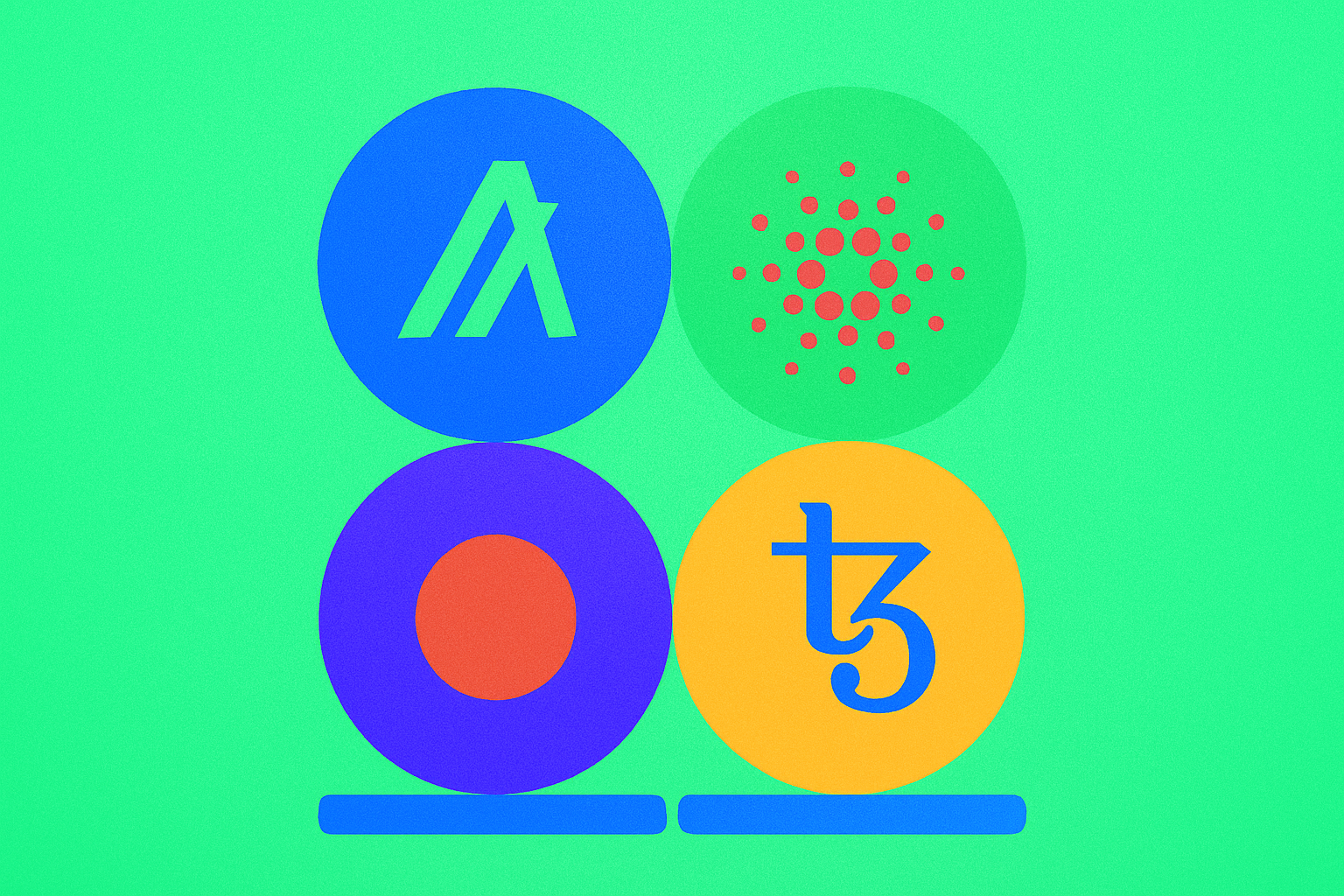
Algorand
Algorand (ALGO) ranks first among staking cryptocurrencies. The project is known for its easy onboarding and attractive terms for participants.
To start staking, download the official Algorand Wallet, available for both iOS and Android. The intuitive user interface makes it accessible even for beginners.
Once installed, transfer your Algorand tokens to the wallet address. As soon as your balance is credited, staking rewards will be automatically accrued. Algorand PoS mining yields up to 6% annual returns. Notably, rewards are distributed approximately every nine minutes, and no fees are charged on funds transferred to your account.
Cardano
Cardano (ADA) provides two primary staking options: joining an existing validator pool or creating your own pool. Annual returns can reach up to 7%.
To begin earning, purchase ADA tokens and place them in your selected staking pool. Cardano's advantages include no lock-up requirement—coins can be withdrawn at any time. The project also benefits from an active ecosystem and frequent protocol upgrades.
Polkadot
Polkadot (DOT) is often cited as a potential Ethereum competitor due to its high blockchain performance and innovative architecture. In addition to technological strengths, Polkadot offers some of the highest staking yields in the market.
Maximum annual rewards for Polkadot holders can reach 16%, making it especially appealing for long-term investors. To participate, acquire DOT tokens and deposit them in a wallet or platform that supports Polkadot staking. Be aware that a minimum token amount may be required.
Tezos
Tezos (XTZ) is recognized as one of the pioneers in cryptocurrency staking and played a significant role in popularizing this earning method. A unique aspect is that Tezos community members often refer to staking as "baking," reflecting the project’s philosophy.
Tezos staking yields up to 6% annually. To start, purchase XTZ tokens and transfer them to a wallet or platform supporting Tezos staking. The project is distinguished by its robust infrastructure and active developer community.
How Much Can You Earn from Cryptocurrency Staking?
The earning potential is a key distinction between staking and traditional mining. Although PoS mining yields are generally lower than PoW, staking offers the significant advantage of not requiring costly equipment, maintenance, or substantial electricity expenses.
Staking income varies significantly depending on the project, its popularity, and market trends. Most annual rewards range from 2% to 15% of the staked amount. Some newer or less popular projects may offer higher yields to attract more participants.
Keep in mind that overall profitability depends not just on the staking rate but also on the cryptocurrency’s price movements. Token price increases can greatly amplify your fiat-denominated returns, while price declines can offset staking gains.
Important: Some offers advertise much higher staking yields—50%, 100%, or more per year. Unfortunately, these unrealistic promises often come from scams or high-risk projects. Always conduct thorough due diligence, read reviews, and verify a project's credibility before participating.
Cryptocurrency Staking on Exchanges and Alternative PoS Mining Methods
You can begin staking cryptocurrencies in several ways, with crypto exchange services being one of the most convenient options. Many leading trading platforms offer integrated staking services, eliminating the need for users to navigate technical wallet setup.
Major digital asset exchanges support staking for dozens of cryptocurrencies. Some platforms provide staking for over 20 tokens, and yields for individual assets can reach up to 16% annually. The primary benefit of using exchanges is ease—simply purchase your chosen cryptocurrency and enable staking with a few clicks.
However, remember that exchanges typically charge a commission for staking services, deducted from your rewards. Commissions range from 5% to 25% of earned rewards, depending on the platform and cryptocurrency.
In addition to exchanges, specialized staking providers aggregate various PoS mining opportunities and offer user-friendly interfaces for managing staked assets. These platforms often include features such as automated reward reinvestment, diversification across validators, and detailed yield analytics.
Another passive income option is participating in DeFi protocols (decentralized finance). You can supply tokens to liquidity pools on decentralized exchanges, use lending protocols, or access other DeFi tools. These strategies may offer higher returns compared to traditional staking, but they also carry risks such as impermanent loss or smart contract vulnerabilities.
Conclusion
Cryptocurrency staking is an accessible, straightforward method for earning passive income from digital assets, suitable for both seasoned investors and newcomers.
Before staking, carefully examine your chosen project’s features, including its technology foundation, development team, and long-term outlook. Review staking requirements: minimum participation amounts, lock-up periods, payout schedules, and commission rates. Set realistic yield expectations and assess all associated risks, including potential declines in your staked asset’s price.
Choosing the right staking platform is equally crucial. Evaluate the reliability of the service, fee structure, interface usability, and level of technical support. Diversifying across multiple projects and platforms can help mitigate risks and maximize overall portfolio returns.
FAQ
What Is Cryptocurrency Staking and How Is It Different from Mining?
Staking involves locking up cryptocurrency to support the network via Proof of Stake. Unlike resource-intensive mining, staking is more environmentally friendly, doesn’t require powerful hardware, and lets you earn rewards for transaction validation.
How Do I Start Staking Cryptocurrency? What Are the Requirements and Minimum Investment?
You need a minimum amount to start staking, which varies by network. For example, Ethereum requires at least 32 ETH. Use reputable platforms. If you lack the required amount, you can join a staking pool and share rewards with other participants.
How Much Can You Earn from Cryptocurrency Staking? What Is the Typical Annual Yield?
Annual staking yields typically range from 3–8%, depending on the cryptocurrency and network. For example, staking 10 ETH at 4% APY will earn you 0.4 ETH over one year.
Are My Cryptocurrencies Locked During Staking? Can I Withdraw Them Anytime?
Yes, cryptocurrencies are locked during staking. Withdrawals are possible but depend on the blockchain protocol. Some protocols require an unlocking period before funds can be withdrawn, ranging from days to weeks.
What Risks Are Associated with Cryptocurrency Staking? Is Principal Loss Possible?
Principal loss is possible. Key risks include market volatility, validator penalties, third-party risks, reward dilution, and regulatory changes. Carefully select validators and review network terms before staking.
Which Cryptocurrencies Support Staking, and What Are Typical Yields for Ethereum, Cardano, and Other Popular Coins?
Ethereum yields about 4–6% annually, Cardano 3–5%, and Solana 6–8%. Polkadot, Cosmos, and other PoS blockchains also support staking. Returns depend on the amount staked and network conditions.
Do I Need to Pay Taxes on Cryptocurrency Staking Income, and How Is Taxation Handled?
Yes, staking income is taxed as ordinary income when rewards are received, valued at market price on the date of receipt. Selling those assets later may result in capital gains or losses. Consult a tax professional for accurate reporting.
Share
Content
What Is Cryptocurrency Staking?
Which Cryptocurrencies Can Be Staked?
How to Earn from Cryptocurrency Staking
Top Cryptocurrencies for Staking
Algorand
Cardano
Polkadot
Tezos
How Much Can You Earn from Cryptocurrency Staking?
Cryptocurrency Staking on Exchanges and Alternative PoS Mining Methods
Conclusion
FAQ
How to Buy Cryptocurrency


Trending Cryptocurrencies



Ethereum 2.0 in 2025: Staking, Scalability, and Environmental Impact

2025 best encryption staking platform recommendation: secure and profitable

How to Buy Crypto: A Step-by-Step Guide with Gate.com

Crypto Assets Stake Full Analysis: How to Earn Passive Income Through Tokens
MemeBox Price and Airdrop Guide 2025: What You Need to Know

Can AI Companions (AIC) Reach $0.2729 in Price Prediction?
What is SOPHIA: A Comprehensive Guide to the Advanced AI System Revolutionizing Healthcare and Research

What is BONDLY: A Comprehensive Guide to the Decentralized Bonding Curve Protocol
What is STARHEROES: A Comprehensive Guide to the Blockchain-Based Fantasy Sports Platform

What is WAM: A Comprehensive Guide to Weighted Average Maturity in Fixed Income Securities

What Is FUD? Exploring Fear, Uncertainty, and Doubt