What is EIP-4844? What Are Its Benefits?
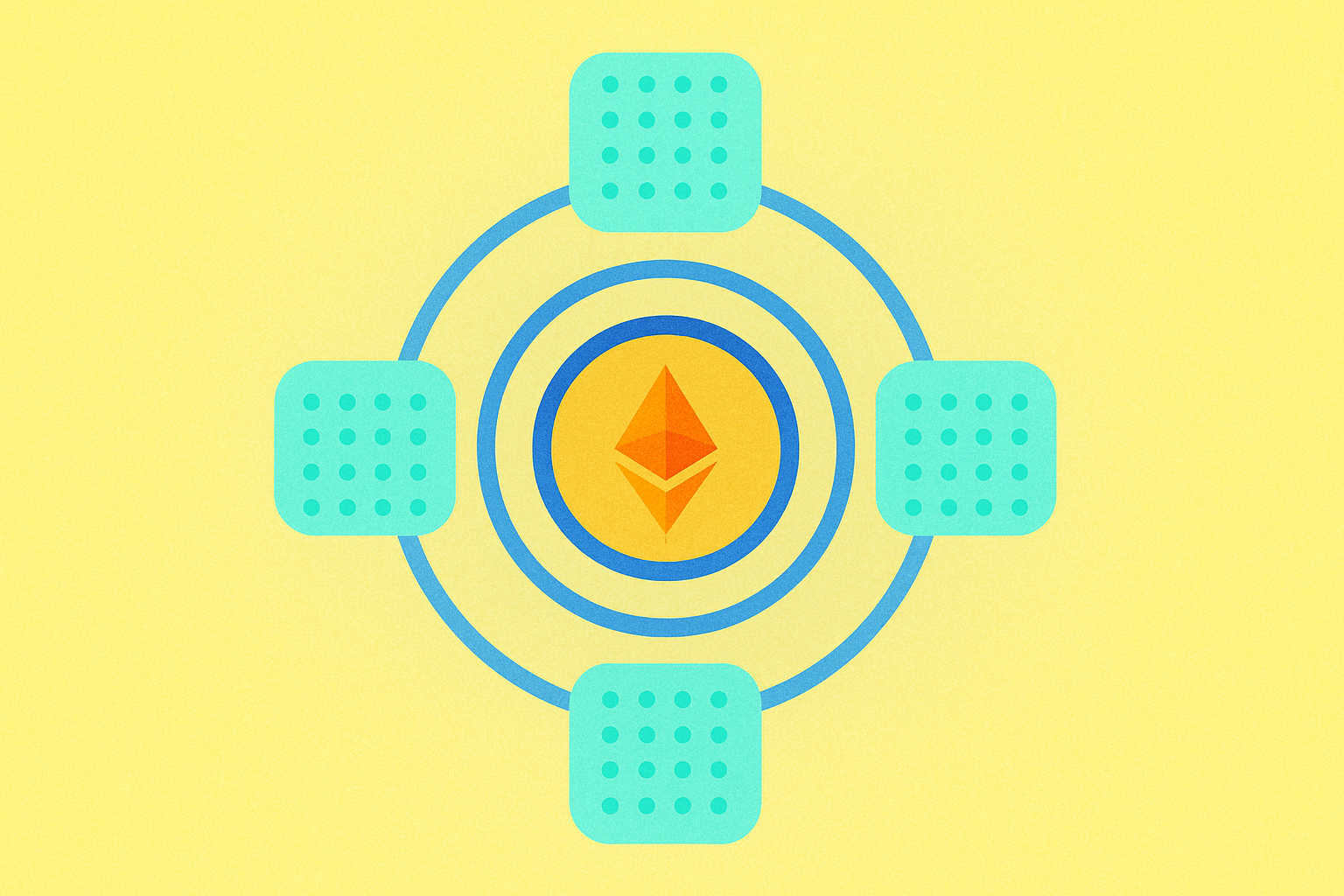
What is EIP?
Ethereum Improvement Proposals (EIPs) are technical proposals submitted to the Ethereum ecosystem by developers, aiming to establish new standards and add features to the Ethereum network. These proposals serve as a structured way to suggest changes and improvements to the protocol.
EIPs are technical specifications that describe proposed changes in detail. Any community member can create an EIP, making the development process open and collaborative. Each EIP goes through a rigorous review process before being implemented, ensuring that only well-vetted improvements are adopted. This democratic approach allows the Ethereum community to collectively shape the network's evolution while maintaining technical excellence and security standards.
How Does Danksharding Work?
Danksharding represents a novel data sharding approach for Ethereum, introducing significant simplification in how validators handle transaction data. This innovative method fundamentally changes the architecture of data management on the network.
The name "Danksharding" originates from "Dank," which is short for Dankrad Feist, one of the primary advocates and architects of this proposal. His contributions have been instrumental in shaping this scaling solution.
Danksharding introduces a unified fee market structure. Instead of having a fixed number of data shards with separate block proposers for each shard, Danksharding consolidates the process with a single block proposer who selects all transactions entering a particular slot. This unified approach simplifies the network architecture while maintaining security and decentralization. The proposer is responsible for ordering transactions efficiently and ensuring data availability across the network, creating a more streamlined and cost-effective system.
What is EIP-4844 (Proto-Danksharding Proposal)?
EIP-4844 was created by Vitalik Buterin in collaboration with other developers from the Ethereum ecosystem. The primary objective of EIP-4844 is to reduce gas fees on the network, particularly for Rollup solutions, without compromising decentralization or security.
This EIP-4844 proposal serves as an interim solution until the full Ethereum 2.0 upgrade is completed. It represents a crucial stepping stone in Ethereum's scaling roadmap, providing immediate relief to users while the network transitions to its final sharding implementation.
The most significant feature of EIP-4844 is the introduction of "blobs," which are a new transaction format. These data blobs are large data packages (approximately 125 KB each) designed specifically for rollup data. Importantly, transactions using this new format are significantly cheaper than handling the same amount of data through traditional Calldata methods. This cost reduction is achieved because blob data is stored temporarily and doesn't need to be accessible to the Ethereum Virtual Machine (EVM), making it more efficient for Layer 2 scaling solutions.
Impact of EIP-4844
The Ethereum blockchain has been designed to accept transactions up to 90 KB per block space. The maximum block size can potentially reach 18 MB under certain conditions, though this varies based on network activity and transaction types.
EIP-4844 proposes a limit on the maximum number of blobs that can be included in each block. These blobs are stored in the Consensus Layer rather than the Execution Layer, which is a fundamental architectural change. This separation allows for more efficient data handling and verification processes.
By storing blobs in the Consensus Layer, the network can achieve better scalability without overloading the Execution Layer. This design choice ensures that regular smart contract execution remains unaffected while providing additional capacity for rollup data. The temporary nature of blob storage (blobs are pruned after a certain period) also means that node operators don't need to store this data indefinitely, reducing long-term storage requirements and making it more feasible for individuals to run nodes and maintain network decentralization.
EIP-4844 Roadmap
The implementation of EIP-4844 follows a carefully planned roadmap to ensure smooth integration into the Ethereum network:
-
EIP-4844 was initially launched and tested at ETH Denver, where developers and researchers gathered to evaluate its functionality and performance under various conditions.
-
Following successful testing on the Execution Layer, the proposal is being integrated into the Consensus Layer of Ethereum. This two-phase approach ensures compatibility across all network components.
-
Proto-Danksharding is planned to be implemented through an Ethereum hard fork. This upgrade will be coordinated across the entire network to ensure all nodes adopt the new features simultaneously, maintaining network consensus and security.
The phased rollout allows for thorough testing and community feedback at each stage, minimizing risks and ensuring a stable transition to the new system.
How Will EIP-4844 Help Users?
The community refers to EIP-4844 as a "stop-gap" solution designed to alleviate the burden of increasingly large transaction sizes. Users and the network will experience tangible benefits from this change, primarily through reduced gas fees for Layer 2 transactions.
EIP-4844 introduces blob transactions in the same format expected in the final sharding specification. This forward compatibility allows Rollup solutions to scale up to 2 MB per slot, significantly increasing throughput for Layer 2 networks. Users of popular Layer 2 solutions like Arbitrum, Optimism, and zkSync will see dramatic reductions in transaction costs, making Ethereum more accessible for everyday use cases.
EIP-4844 includes the following key components:
-
A new transaction type specifically designed for data blobs, which is essential for achieving full sharding in the future.
-
All necessary Execution Layer logic required for full sharding implementation, ensuring smooth transition when complete sharding is deployed.
-
Complete Execution/Consensus cross-verification logic needed for full sharding, maintaining security and data integrity across layers.
-
Layer separation between Beacon Block verification and data availability sampling, improving efficiency and reducing computational overhead.
-
Essential Beacon Block logic required for full sharding functionality, laying the groundwork for future upgrades.
-
Independent and self-adjusting gas pricing mechanism specifically for blobs, allowing the network to dynamically respond to demand for rollup data without affecting regular transaction fees.
These features work together to create a more scalable and cost-effective Ethereum network while maintaining the security and decentralization that users expect.
Will EIP-4844 Help Scale the Ethereum Blockchain?
Ethereum Rollup protocols will be able to significantly reduce transaction fees through EIP-4844's implementation. This reduction in costs may open up new possibilities for retail investors and newcomers who were previously priced out of using Ethereum due to high gas fees.
The scaling improvements from EIP-4844 are substantial but represent just one step in Ethereum's long-term scaling roadmap. By providing cheaper data availability for rollups, EIP-4844 enables Layer 2 solutions to process more transactions at lower costs. This creates a multiplier effect: as Layer 2 networks become more affordable, more users migrate to these solutions, further reducing congestion on the main Ethereum network.
The combination of reduced fees and increased capacity makes Ethereum more competitive with other blockchain networks while maintaining its security and decentralization advantages. For developers, this means building applications that can serve millions of users without prohibitive costs. For users, it means accessing DeFi protocols, NFT marketplaces, and other blockchain applications at a fraction of the previous cost, democratizing access to Ethereum's ecosystem and fostering innovation across the entire crypto space.
FAQ
What is EIP-4844? How does it improve Ethereum's performance?
EIP-4844, or Proto-danksharding, is an Ethereum upgrade introducing Blob data to increase transaction throughput and reduce fees. It's a transitional step toward full Danksharding, boosting TPS to approximately 1,000 while maintaining decentralization and security.
What are the main benefits of EIP-4844? How does it reduce transaction fees?
EIP-4844's primary benefit is reducing Layer 2 transaction fees by an order of magnitude, making Optimistic Rollups significantly more competitive. It enables transaction costs to drop to approximately $0.01, substantially lowering overall transaction expenses.
What is Proto-Danksharding technology in EIP-4844? Why is it important?
Proto-Danksharding introduces blob transactions to reduce block size and prepare for full Danksharding. It significantly improves blockchain scalability and efficiency by allowing rollups to store data more cost-effectively, enabling higher transaction throughput and lower fees.
How will EIP-4844 impact Layer 2 solutions and user experience?
EIP-4844 significantly reduces Layer 2 transaction costs through blob transactions, making fees more affordable for users. It enhances Layer 2 adoption, lowers operational expenses, and improves overall user experience by enabling cheaper and faster transactions on scaling solutions.
What is the difference between EIP-4844 and previous Ethereum upgrades like the Merge?
EIP-4844 introduces proto-danksharding to enhance Layer 2 scalability by up to 100 times. Unlike the Merge, which transitioned to Proof-of-Stake, EIP-4844 focuses on scaling throughput and reducing transaction costs through data availability improvements.
Share
Content
How to Buy Cryptocurrency


Trending Cryptocurrencies



How to Mine Ethereum in 2025: A Complete Guide for Beginners

Ethereum 2.0 in 2025: Staking, Scalability, and Environmental Impact

What is Ethereum: A 2025 Guide for Crypto Enthusiasts and Investors
How does Ethereum's blockchain technology work?

What are smart contracts and how do they work on Ethereum?

Ethereum Price Analysis: 2025 Market Trends and Web3 Impact

What is MOBI: A Comprehensive Guide to Amazon's E-Book File Format and Its Uses

What is ALMANAK: A Comprehensive Guide to Digital Calendar and Event Management Systems
Proof of Work vs Proof of Stake: Which Is Superior?

What is RWAINC: A Comprehensive Guide to Real-World AI and Networking Capabilities

The Most Promising Cryptocurrencies: Where to Invest