What is PAX Gold and How Does It Work?

What is PAX Gold?
PAX Gold represents a hybrid digital currency that bridges the gap between traditional gold investment and cryptocurrency innovation. It combines the security and stability of physical gold with the flexibility and accessibility of digital assets. Each PAXG token is backed by one troy ounce of London Good Delivery gold bars, stored in secure vaults operated by professional custodians in London.
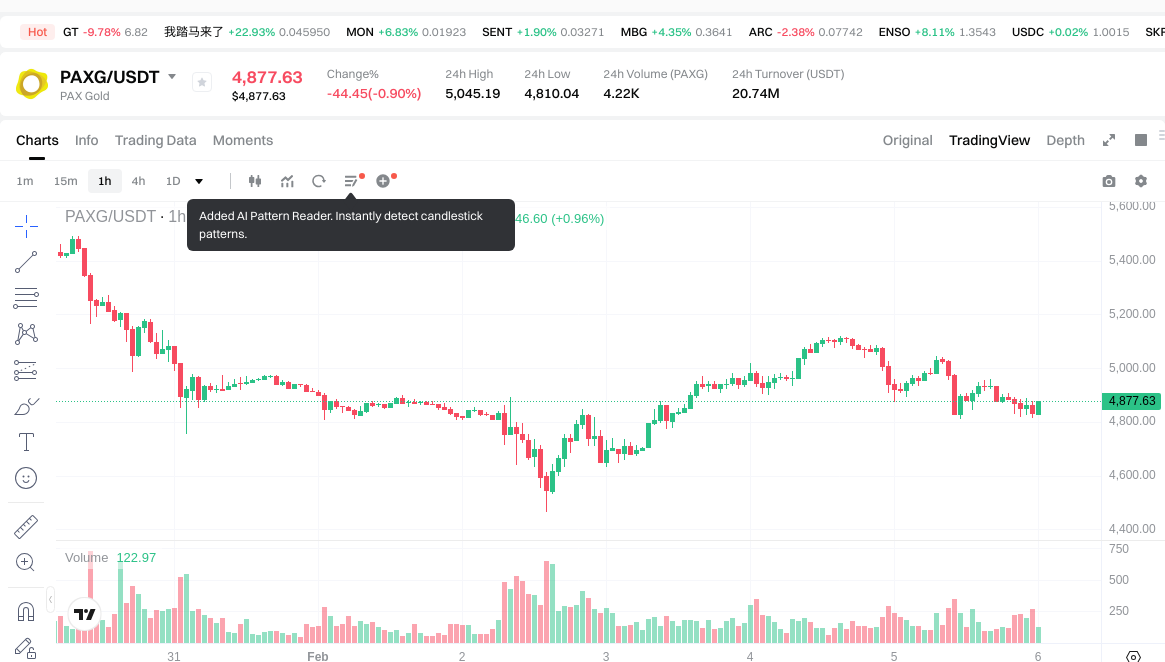
In recent years, digital assets including non-fungible tokens and cryptocurrencies have gained significant popularity. However, physical commodities like gold continue to maintain strong demand as a store of value. The global cryptocurrency market capitalization exceeded $2 trillion in recent years, leading investors to question whether they should choose crypto or gold as their investment vehicle.
Gold has served as a valuable commodity and medium of exchange for thousands of years throughout human history. Despite the invention of decentralized digital currencies, gold remains prominent as a reliable store of value. For most retail investors, owning physical gold can be challenging and inaccessible due to storage requirements, high costs, and liquidity constraints. PAX Gold aims to democratize gold ownership by allowing investors to buy, sell, and trade gold as easily as any other cryptocurrency.
PAX Gold has discovered a method to combine cryptocurrency technology with tangible gold assets, making it attractive for investors familiar with both traditional and modern investment options. This innovative approach addresses many contemporary challenges in the gold market, including high costs, storage concerns, and lack of liquidity.
Who Created PAX Gold?
PAX Gold was created by Paxos Trust Company, a financial institution and technology company based in New York City that specializes in blockchain technology. The company was founded in 2012 by Charles Cascarilla and Richard Teo, both former analysts at prominent financial institutions. Cascarilla previously worked at Goldman Sachs, while Teo was an analyst at Cedar Hill Capital Partners.
PAX Gold is not the only crypto project operated by Paxos. In addition to PAX Gold, the company has created PAX Dollar, a U.S. dollar-backed stablecoin that provides stability in the volatile cryptocurrency market. Paxos has received backing from strong institutional investors and has raised over $500 million in total funding from notable investors including OakHC/FT, Mithril Partners, and PayPal Ventures. This substantial financial support demonstrates the confidence that major players in the financial industry have in Paxos's vision and technology.
How Does PAXG Work?
PAX Gold tokens are built on the Ethereum blockchain, which enables portability across wallets, exchanges, decentralized finance platforms, and other Ethereum-based applications. The token follows the ERC-20 standard, ensuring compatibility with the broader Ethereum ecosystem and allowing for seamless integration with various DeFi protocols.
PAX Gold allows users to exchange, stake, or redeem their tokens for high-quality gold bars. These gold bars are certified by the London Bullion Market Association and stored in secure vaults globally. Each PAXG token represents ownership of one troy ounce of physical gold, maintaining a 1:1 ratio between digital tokens and physical assets.
Despite implementing advanced security measures and maintaining high-quality gold reserves, PAX Gold does not charge any custody or storage fees. Users only pay a minimal transaction fee of 0.02% when buying or selling tokens on the blockchain network. This fee structure makes PAXG significantly more cost-effective than traditional gold ownership, which typically involves storage fees, insurance costs, and other maintenance expenses.
The tokenization process ensures that each PAXG token can be traced back to specific gold bars through unique serial numbers. This transparency allows token holders to verify the existence and authenticity of their underlying gold assets at any time.
Is PAX Gold Safe?
PAX Gold not only meets gold certification standards but also operates with remarkable reliability and transparency. Both PAX Gold and its holding company, Paxos Trust, are regulated by the New York Department of Financial Services, one of the most stringent financial regulatory bodies in the world. This regulatory oversight provides an additional layer of security and accountability for investors.
PAX Gold protects consumer assets independently from company assets, ensuring that customers remain secure in the event of bankruptcy or other financial difficulties. This segregation of assets is a critical feature that distinguishes PAXG from many other crypto projects.
PAXG undergoes monthly audits by independent third-party auditing firms to ensure that gold reserves match the supply of PAXG tokens in circulation. Reports from these certification documents are published on Paxos's official website, providing transparent verification of the backing assets. This regular auditing process helps maintain investor confidence and ensures the integrity of the 1:1 backing ratio.
Additionally, PAXG developers conduct regular smart contract audits to identify potential flaws or vulnerabilities in the network. These proactive security measures help protect against hacking attempts, smart contract exploits, and other potential security risks that could compromise user funds.
Is PAX Gold Real Gold?
PAX Gold is tokenized gold that operates on the blockchain network. Tokenization refers to the digital transformation of both physical and intangible assets into cryptocurrency tokens. Each PAXG token represents actual gold held by Paxos Trust Company, specifically London Good Delivery gold bars weighing 400 ounces.
Gold serves as an excellent store of value because it maintains its worth over time, making it a popular hedge against inflation. When the U.S. dollar loses value due to inflation, gold typically becomes more expensive in dollar terms, and vice versa. This inverse relationship makes gold a favored option for investors seeking to protect their wealth from inflationary pressures.
Each PAXG token has a serial number that corresponds to specific gold bars. Token holders can discover the serial number, value, and other characteristics of their physical gold by entering their Ethereum wallet address into the PAXG lookup tool. This transparency ensures that investors can verify their ownership of specific gold bars at any time.
Investors also have the option to convert PAXG into fiat currency, other cryptocurrencies, or allocated and unallocated gold bars at the current market price of gold. This flexibility provides multiple exit strategies and ensures that PAXG holders can access the value of their investment in various forms depending on their needs.
What is the Difference Between PAXG and Gold ETFs?
The primary difference between gold ETFs and PAX Gold lies in the nature of ownership. Gold ETFs purchase contracts that mimic the price of gold, but users do not own the underlying asset directly. Instead, ETF holders are counterparties in an agreement that allocates a specific portion of pooled gold to them.
In contrast, PAXG represents direct digital ownership of physical gold. Each PAXG token is directly linked to actual gold bars stored in London vaults, with each token equivalent to one troy ounce of identifiable gold. This direct ownership structure provides several advantages over traditional gold ETFs.
Gold ETFs track the value of the underlying commodity but only provide investors with exposure to gold prices rather than actual ownership. When contango occurs in futures markets, the value of ETF contracts may be lower than what investors would receive if they simply owned the physical gold outright. This tracking error can result in underperformance compared to the spot price of gold.
PAXG, on the other hand, serves as a digital representative of tangible gold. Trading PAXG does not require the settlement periods of several days that physical gold bar transactions might require. Because it is managed on Ethereum as an ERC-20 token, PAXG transactions settle quickly and can be executed 24/7, providing superior liquidity compared to traditional gold investments.
PAX Gold represents a perfect investment for both traditional and modern investors who want to follow trends without compromising their personal financial goals. With real gold assets reflected in crypto tokens, investors can invest in both physical and digital resources with a single investment, leveraging the best aspects of each asset class.
How Does PAX Gold Generate Revenue?
PAX Gold generates revenue through two primary mechanisms: a small premium on gold purchases and tokenization fees. At the time of initial purchase, the percentage for tokenization fees depends on the amount purchased initially. The fee structure is 1% for purchases of one ounce or less, but significantly lower for larger purchases. This tiered fee structure makes PAXG more cost-effective for institutional investors and high-net-worth individuals making substantial gold investments.
Paxos does not charge custody fees, which represents a significant cost advantage over traditional gold ownership. However, the company charges a 0.02% transaction fee whenever customers buy or sell tokens on the blockchain network. This minimal fee structure makes PAXG one of the most cost-effective ways to invest in gold, particularly for investors who plan to hold their positions for extended periods.
Can You Stake PAXG?
Investors can earn interest on their PAXG holdings by depositing their PAX tokens with custodians that offer yield-generating services. However, interest rates vary depending on the lending platform and market conditions. Some decentralized finance platforms allow PAXG holders to earn yields by providing liquidity or participating in lending protocols.
Staking PAXG allows token holders to earn interest while maintaining exposure to gold price movements. However, staking typically requires locking tokens for a specific period, which may limit liquidity. Investors should carefully consider the trade-off between earning yield and maintaining flexibility when deciding whether to stake their PAXG tokens.
How to Purchase PAXG?
PAXG tokens can be purchased from various cryptocurrency exchanges and trading platforms. The general process for acquiring PAXG tokens involves several standard steps that apply across most platforms:
- Download a self-custody wallet that supports PAXG, such as hardware wallets or software wallets compatible with ERC-20 tokens
- Securely store your recovery phrase in a safe location, as this is essential for recovering your wallet if needed
- Understand and prepare for Ethereum network fees, which vary based on network congestion
- Purchase and transfer Ether to your self-custody wallet to use for acquiring PAXG
- Use a decentralized exchange or trading platform to swap ETH for PAX Gold tokens
Investors should conduct thorough research on available platforms and compare fees, security features, and user experiences before selecting where to purchase PAXG. It is also important to verify that chosen platforms are reputable and properly regulated to ensure the safety of funds.
The Future of Asset-Backed Tokens
Asset-backed tokens represent digital representations of physical assets that can be redeemed for the underlying asset. These assets may include gold, oil, real estate, equities, agricultural commodities, or other valuable items. The tokenization of real-world assets represents one of the most promising applications of blockchain technology.
Asset-backed tokens are democratizing markets that were once inaccessible and expensive by enabling transactions without intermediaries. This approach ensures security and transparency in business relationships, fundamentally changing how we conduct business in the future and how we think about ownership and wealth creation.
Asset-backed tokens may help address problems arising from inflated or devalued currencies, as well as unpredictable stock markets. Individuals have new financial options that combine digital liquidity with real asset value when needed. The potential applications of asset-backed tokens are vast, and we have already seen numerous use cases emerge across various industries.
The future of asset tokenization is limited only by imagination. With new use cases being discovered regularly, it is exciting to consider all the possibilities that asset-backed tokens can help people and businesses worldwide. As blockchain technology continues to mature and regulatory frameworks become clearer, asset-backed tokens like PAX Gold are likely to play an increasingly important role in global financial markets.
Tokenization has the potential to unlock trillions of dollars in previously illiquid assets, making them accessible to a broader range of investors. This democratization of investment opportunities could lead to more efficient capital allocation, reduced transaction costs, and greater financial inclusion for individuals who were previously excluded from certain asset classes.
As the ecosystem develops, we can expect to see innovations in areas such as fractional ownership, automated compliance, instant settlement, and programmable assets. These advancements will further enhance the value proposition of asset-backed tokens and solidify their position as a cornerstone of the future financial system.
FAQ
What is PAX Gold (PAXG) and how does it differ from traditional gold investments?
PAX Gold (PAXG) is an ERC-20 token backed by physical gold stored in London vaults. Unlike traditional gold, PAXG offers lower entry costs, instant blockchain transactions, and eliminates storage fees. Each token represents one troy ounce of gold with a unique serial number, enabling fractional ownership and seamless digital trading.
How to buy and hold PAX Gold? What wallet or exchange do I need?
Purchase PAX Gold through decentralized exchanges using a compatible wallet like MetaMask or Trust Wallet. Store tokens in secure hot or cold wallets. Ensure compliance with local regulations and use reputable platforms for trading and custody.
Is the gold behind PAX Gold real? How to verify its authenticity and security?
Yes, PAX Gold is backed by real physical gold stored in regulated vaults. Authenticity and security are ensured through third-party audits and blockchain's transparent verification mechanism, providing verifiable proof on-chain.
What are the storage fees for PAX Gold? How do holding costs compare to traditional gold?
PAX Gold charges zero storage fees, making it significantly cheaper than traditional gold. You can start with just $20, eliminating minimum purchase barriers and reducing overall holding costs compared to physical gold storage.
Can I exchange PAX Gold for physical gold? What is the redemption process?
Yes, you can redeem PAX Gold for physical gold through Paxos Trust Company's official redemption process. Submit a redemption request, pass identity verification, and arrange delivery or storage. Minimum redemption amounts and fees may apply.
Where can PAX Gold be traded? How is its liquidity?
PAX Gold (PAXG) is available on major cryptocurrency exchanges with excellent liquidity. It trades 24/7 without traditional market hours, enabling seamless global transactions and high trading volumes around the clock.
What are the risks of trading PAX Gold? Is the smart contract secure?
PAX Gold carries inherent technical risks as smart contracts may have undiscovered vulnerabilities despite multiple audits. There exists a minimal possibility of hacker exploitation. This is a common risk across all DeFi products.
Share
Content
How to Buy Cryptocurrency


Trending Cryptocurrencies



Detailed Analysis of the Top 10 RWA Cryptocurrencies in 2025
Benefits of RWAs in Crypto
How to Earn with The RWA DePin Protocol in 2025

Detailed Analysis of RWA in Crypto Assets

Rexas Finance: A Blockchain-Powered Real-World Asset Tokenization Ecosystem
SIX Token (SIX): Core Logic, Use Cases and 2025 Roadmap Analysis
What is an IOU in Crypto?

What is Consensus Mechanism and What Types of Consensus Systems Exist

Top 10 Enterprise Blockchain Solutions from Global Leaders

Comprehensive Guide to Leverage Trading
What is ROI? How to Calculate Return on Investment and What is a Good ROI?