Price prediction systems often hinge on understanding the precise correlation between price movement and temporal cycles—a relationship that can be quantified if you know how to align price action with time intervals. Back in mid-2025, this principle proved remarkably consistent: the finer the price level you're targeting (down to millimetrical precision), the more critical timing becomes. The mathematical framework works when price and time are properly squared against each other, revealing hidden synchronization patterns. What remains elusive for most traders is identifying the exact timing pivot point—that inflection moment where theory transitions into actionable market signals.






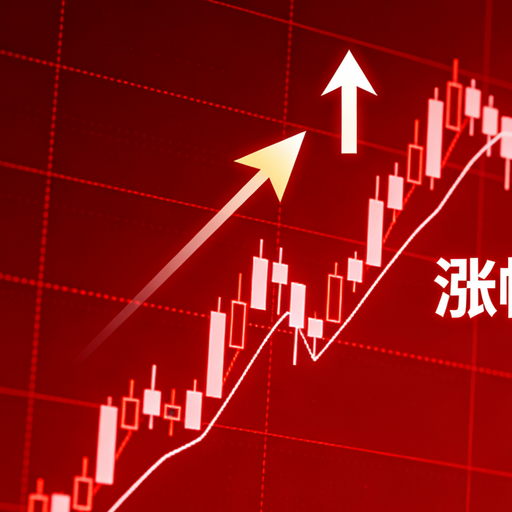
Price prediction systems often hinge on understanding the precise correlation between price movement and temporal cycles—a relationship that can be quantified if you know how to align price action with time intervals. Back in mid-2025, this principle proved remarkably consistent: the finer the price level you're targeting (down to millimetrical precision), the more critical timing becomes. The mathematical framework works when price and time are properly squared against each other, revealing hidden synchronization patterns. What remains elusive for most traders is identifying the exact timing pivot point—that inflection moment where theory transitions into actionable market signals.