ETH Cali and Colombia’s Ethereum Communities: A Story Between Risk and Hope
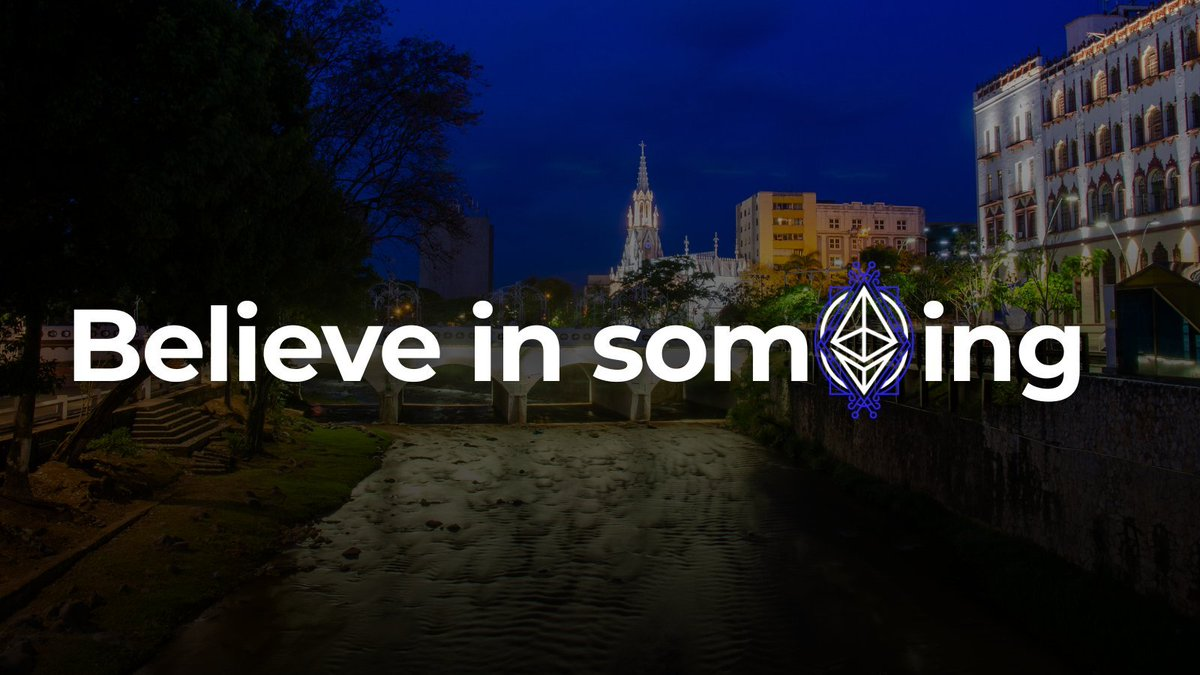
Cali, Colombia, the capital of Salsa, is also the city where ETH Cali (@ ethcali_org) was born and has grown. The community set up its home in Zonamerica, a comprehensive industrial and services Free Trade Zone that feels like a small experimental city tucked inside a tropical landscape. Its innovative ecosystem, active entrepreneurial clusters, and tax incentives makes it an ideal home for a Web3 community. Within a short radius,universities like Universidad del Valle and Universidad ICESI have become important hubs for ETH Cali’s events and for connecting with student communities.
The Growth of Ethereum Communities in Colombia
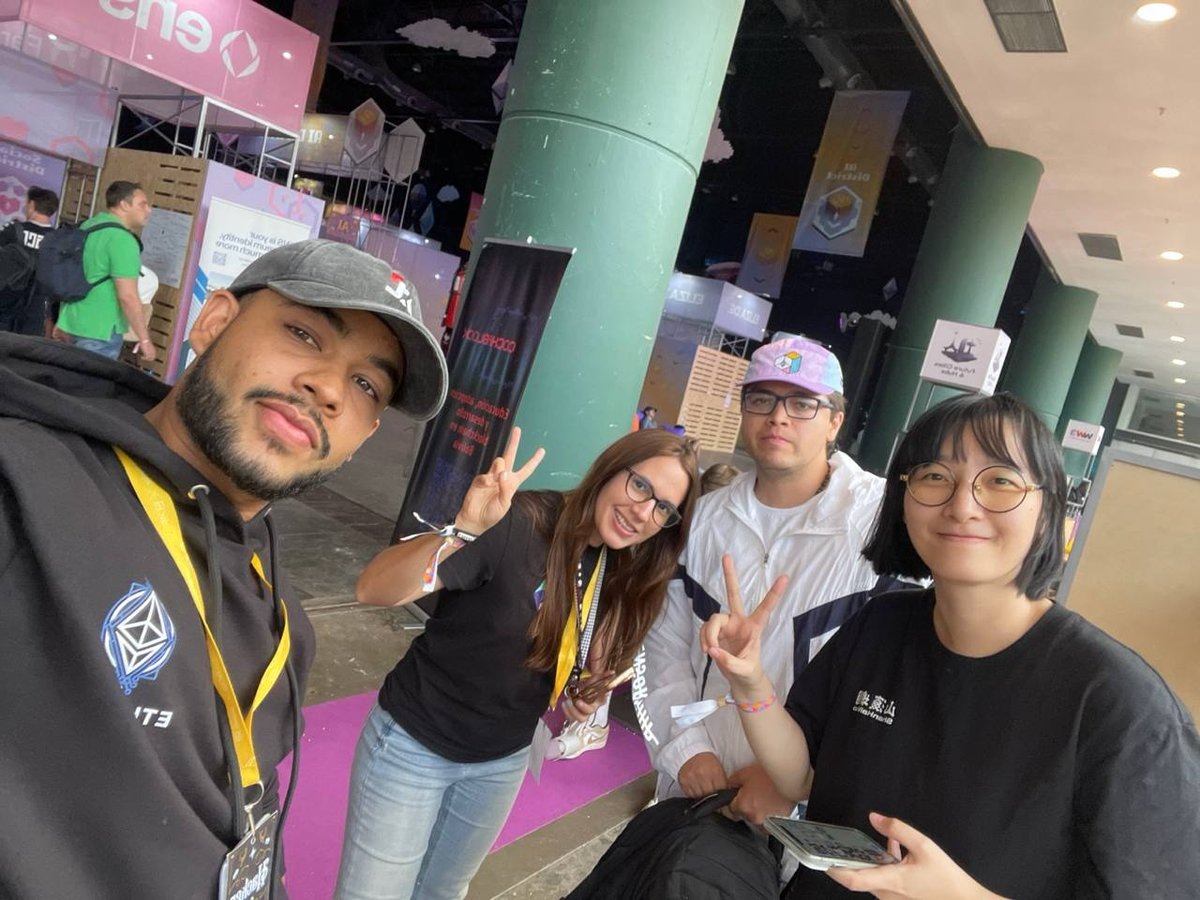
William Martinez (@ wmb_eth), who prefers to be described as a core member rather than a founder, shared with us an overview of how Ethereum communities have developed across Colombia. The Colombian Ethereum community ecosystem has adopted a geographically and locally structure to keep the path to growth the infinite garden, forming a network of local communities as nodes that includes ETH Medellín, ETH Bogotá, ETH Caribe, ETH Eje Cafetero, ETH Arauca, and ETH Cali.
Both ETH Arauca and ETH Cali were launched following Devcon VI in Bogotá in October 2022. Tragically, Emerson David Silva, the community lead of ETH Arauca, lost his life last year due to his work promoting Ethereum in high-risk regions. At present, the Ethereum communities that remain actively operating in Colombia include ETH Bogotá, ETH Medellín, and ETH Cali.

Emerson David Silva, the community lead of ETH Arauca
Like other Ethereum communities in Colombia, ETH Cali is committed to promoting Ethereum within the local community. William explained that while Cali has a strong technical talent base, there is limited exposure to Web3. Therefore, ETH Cali has focused on education, developer meetups, and hands-on experimentation with frontier technologies such as AI through Web3 frameworks and tools, helping local builders connect with new technological paradigms.
“Emerson and the story of ETH Arauca is heartbreaking,” William said, “but it has also strengthened our resolve to continue building the developer community.”
ETH Cali Wallet: Open-Source Wallet for Real-World Applications
The technical “vibe” at ETH Cali wouldn’t be possible without the dedication of its team members. Today, the community includes nine core members and six contributors, nearly all with strong development experience.
At the ETH Latam Hub during Devconnect, we met Cristobal (@ DevCristobalvc), a core developer in the community. He introduced us to ReFiUP, a Regenerative Finance project supported by the community. ReFiUP aims to create a blockchain-based protocol, the ReFi Universe Protocol, to coordinate global efforts for cleaning the planet. Users can earn tokens and verifiable certificates by collecting waste, while companies can purchase these certificates to offset their carbon emissions. The process is verified by AI agents, while zero-knowledge proofs are used to protect users’ privacy.
The creation of ReFiUP was inspired by an offline event supported by ETH Cali. In June of this year, ETH Cali provided technical and logistical support for a mini-marathon event held in Cali in collaboration with Lapapaya, a local environmental protection organization.
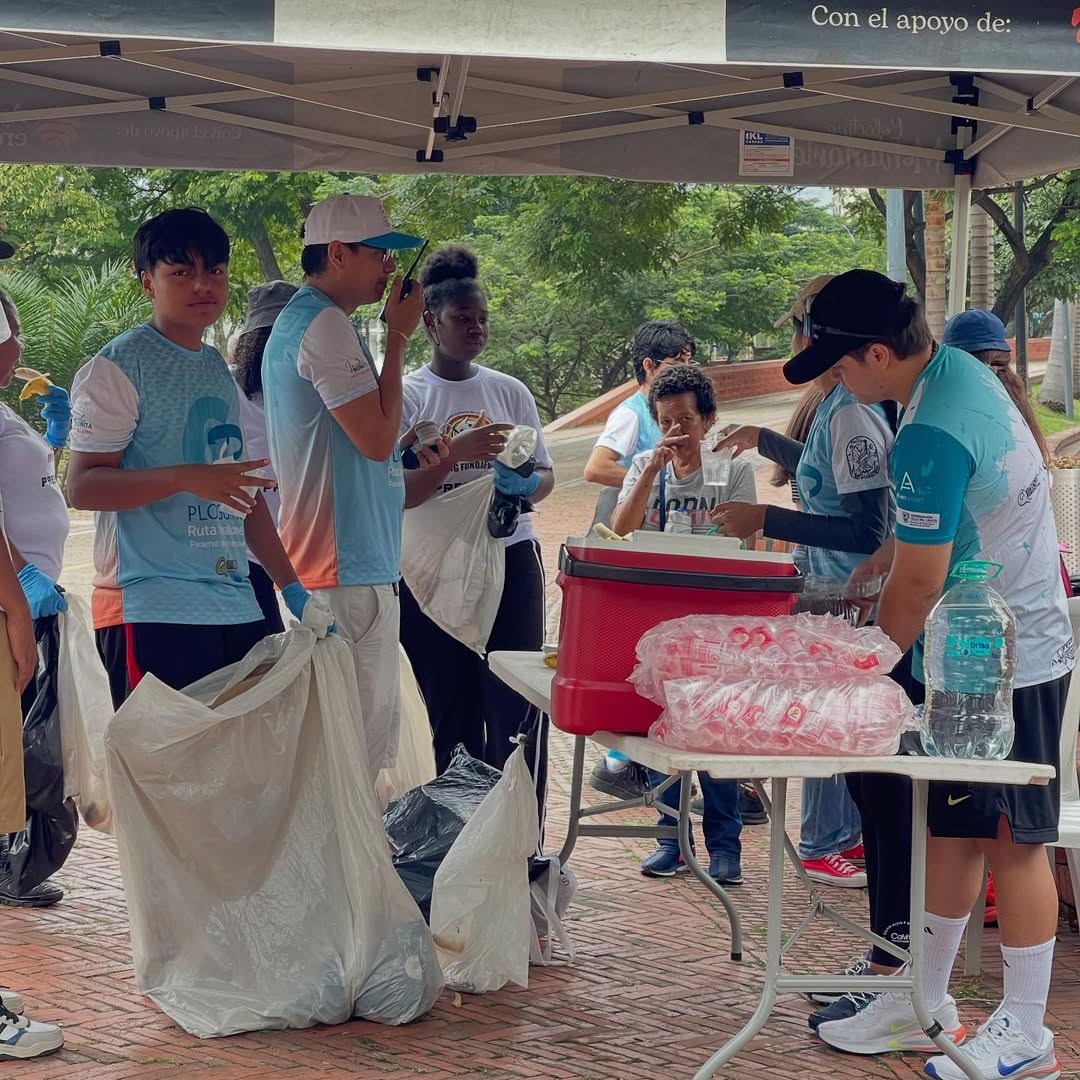
During the competition, participants were able to earn tokens and NFT certificates as incentives based on the amount of garbage they collected. By the end of the event, more than 150 kilograms of recyclable waste had been collected, and over 60 participants successfully received onchain rewards directly in their wallets.
“Our goal is to engage both community members and newcomers (“normies”) and help them explore crypto through an open-source wallet designed for real-world use cases,” said William. He explained that the ETH Cali Wallet integrates Privy for easy email-based onboarding and zkPassport as an anti-Sybil mechanism, while also leveraging account abstraction to enable gas-sponsored transactions. ETH Cali Wallet is open-source, allowing developers to focus on application logic without reimplementing user login or anti-Sybil mechanisms.
From Meetups to Impact: 2026 Roadmap
Looking back over the past three years, ETH Cali has hosted more than 40 meetups, onboarded over 100 Web2 developers, and grown its community from 5 to more than 250 active members. The community has supported over 10 local Web3 projects, established partnerships with 5 universities, and is now engaging senior leadership, government, and key institutions, enabling them to understand and adopt the technology through hands-on learning.
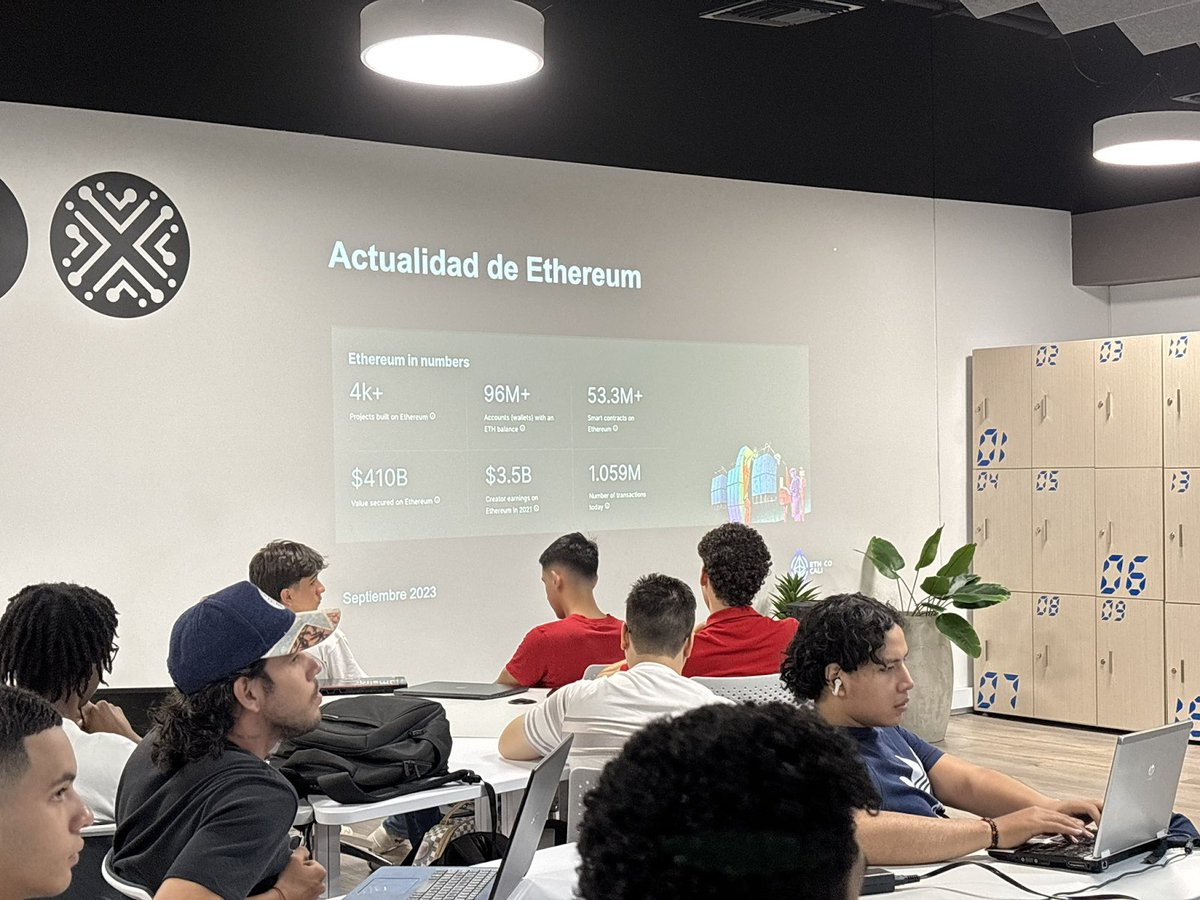
“We focus on real builders, not hype,” William noted. Looking ahead, he outlined ETH Cali’s goals for 2026:
- Establish a dedicated ETH Cali hub for the local tech community, while also expanding into open-access labs and university research facilities across the city.
- Collaborate with ICESI, USB Cali, Universidad Santiago de Cali, and other universities to promote research in cryptography, blockchain, and AI.
- Onboard 100+ Web2 developers through structured programs such as Speed Run Ethereum and Cyfrin Updraft certifications.
- Ongoing collaboration with the EF Secretariat to turn a university DeFi course into a free, open-access Web3 program for local developers and the community.
- Operate its own RPC infrastructure, ensuring high-quality and reliable technical access for the local ecosystem.
- Explore advanced technologies, including robotics, to enable immersive, high-technology learning and experimentation environments.
- Strengthen global collaboration with Ethereum hubs such as Cluj, Prague, Naples, Rome, India, and China, positioning Cali as an active node in the global Ethereum network.
These goals are not merely about numbers or scale, they are centered on the question of how technology can truly have an impact. For ETH Cali, the purpose of community building is not the events themselves, but whether the technology can meaningfully address broader real-world needs.
Ethereum’s Next Leap: Real Products and Services
In William’s view, Latin America is entering a decisive phase for Ethereum and Web3. The region shares structural challenges, including cross-border payments, access to global currencies, protection against devaluation, limited participation in global tech communities. Ethereum technology, he notes, can provide real and practical value.
He believes the next breakthrough leap will come from shifting focus toward real products and services built with a global mindset, rather than speculation. As technical infrastructure improves through better internet access, stronger data systems, and AI-enabled tooling, Latin America will be able to accelerate innovation and contribute more meaningfully to global open-sourced ecosystems in the frontier of technology.
“Late 2026 or early 2027 could be an opportunity,” William added. “We may also host a pop-up city, bringing together local builders, institutional leaders, government, entrepreneurs, developers, and researchers to collaboratively design the future of Cali.”
Conclusion
The evolution of technology does not follow a linear path, but rather a spiraling trajectory upward. The development of the Colombian Ethereum communities and ETH Cali illustrates this dynamic, as the community continues to build momentum amid setbacks and fluctuations while extending Web3 core values of collaboration, permissionless innovation, and open-source culture to a wider audience.
Links
- Website: https://www.ethcali.org/
- X: https://x.com/ethcali_org
- TG: https://t.me/ethcali
- Discord: https://discord.gg/GvkDmHnDuE
- ETH Cali Wallet: https://github.com/ETHcali/wallet_ethcali
Disclaimer:
- This article is reprinted from [shanhaiwoo]. All copyrights belong to the original author [shanhaiwoo]. If there are objections to this reprint, please contact the Gate Learn team, and they will handle it promptly.
- Liability Disclaimer: The views and opinions expressed in this article are solely those of the author and do not constitute any investment advice.
- Translations of the article into other languages are done by the Gate Learn team. Unless mentioned, copying, distributing, or plagiarizing the translated articles is prohibited.
Share
Content


Related Articles

What Is Ethereum 2.0? Understanding The Merge

Reflections on Ethereum Governance Following the 3074 Saga
Our Across Thesis

What is Neiro? All You Need to Know About NEIROETH in 2025
An Introduction to ERC-20 Tokens