Airdrops

What Is an Airdrop?
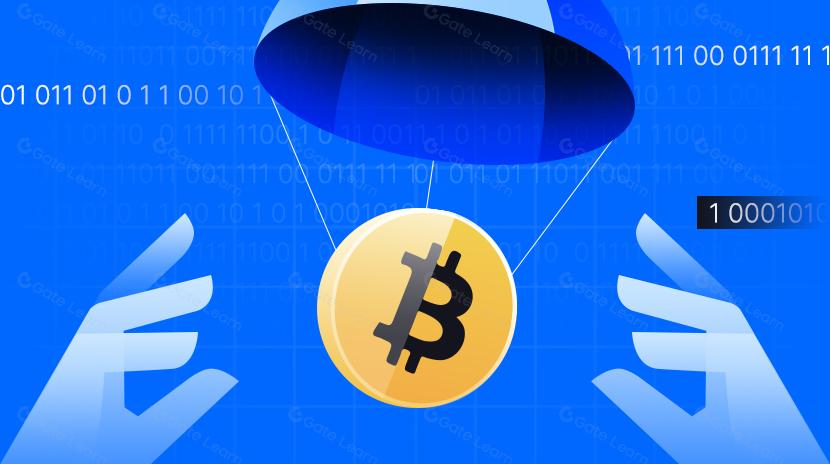
An airdrop is an event where tokens or NFTs are distributed to users free of charge.
It is initiated by a project team, which sends tokens or digital collectibles (NFTs) to eligible users based on predetermined rules. Common eligibility criteria include wallet balance or interaction snapshots, completing specific tasks, or participating in testing phases. Claiming airdrops typically involves connecting your wallet to a project’s website or accessing the activity page of a crypto exchange, often within a limited time frame and under set conditions.
Why Should You Understand Airdrops?
Airdrops offer regular users an opportunity to acquire new project tokens or NFTs at little to no cost, increasing engagement and potential rewards.
For project teams, airdrops help bootstrap networks, decentralize token holdings, and incentivize early contributors. For users, they provide a way to explore new ecosystems and diversify investment exposure. Understanding airdrops also helps you spot scams, minimize security and compliance risks, and avoid missing claim windows or invalidating your eligibility through incorrect actions.
How Do Airdrops Work?
The core process of an airdrop consists of “Eligibility Verification — Rule Announcement — Claim Period — Token Distribution”.
Eligibility is usually determined through “snapshots”, which record your wallet holdings or interaction history at a specific moment—such as holding a certain token, providing liquidity to a protocol, or using a feature a set number of times. Task-based airdrops require users to complete specified on-chain interactions or contribute content to the community.
When the claim period opens, most projects provide an official webpage requiring you to connect your wallet and sign a message to verify ownership. Wallets are tools for storing, sending, and signing transactions; signing simply proves your identity—it does not grant access to your assets. On exchanges, airdrops may be credited directly to your account or claimed via the platform’s activity page.
To prevent “Sybil attacks”—where individuals use multiple accounts to claim rewards—projects often implement Sybil resistance measures, detecting and excluding suspicious batches of addresses. Some may require KYC (identity verification) to meet compliance standards. On-chain claims require paying gas fees (blockchain transaction costs), which can increase during periods of network congestion.
Common Forms of Airdrops in Crypto
Airdrops generally take the form of on-chain claims, task-based incentives, NFT drops, or exchange platform distributions.
In DeFi, protocols reward early users or liquidity providers with governance tokens or incentive tokens. For example, liquidity providers (LPs—users who supply funds to trading pools) often receive additional airdrops to encourage long-term participation.
In NFT ecosystems, creators or project teams may drop new series of NFTs to holders of certain collections or users who complete minting tasks, strengthening community engagement.
On exchange platforms, airdrops are often jointly organized by project teams and exchanges, with users eligible based on registration, asset holdings, or trading volume. For instance, at Gate, you might receive token airdrops or reward points after participating in designated activities; early participants in liquidity mining events may also qualify for extra airdrop rewards.
“Retroactive rewards” are another type—where projects distribute tokens after launch based on historical interactions, often favoring genuine early users.
How to Participate in Airdrops
Preparation and careful selection are key—follow these steps for a secure experience:
Step 1: Set up a secure wallet and basic configuration. Choose a reputable wallet, back up your recovery phrase offline (ideally paired with a hardware wallet), and keep some funds ready for gas fees.
Step 2: Select reliable projects and activities. Monitor official websites and social media channels for verified announcements; check joint notices from project teams and platforms like Gate on their activity pages to avoid phishing sites.
Step 3: Complete the required interactions or tasks as per the rules. Carefully read the airdrop instructions and understand snapshot timings and eligibility criteria; perform necessary on-chain actions such as staking, trading, providing liquidity, or participating in testnet tasks. Avoid registering multiple addresses to prevent being flagged as a Sybil account.
Step 4: Claim and verify tokens on time. Pay attention to claim windows—connect your wallet for signature-based claiming or register via exchange activity pages; after claiming, confirm the contract address and token amount to avoid fake tokens in your asset list.
Step 5: Manage token realization and taxes. Decide whether to hold or sell based on your strategy; note that in some jurisdictions, airdrop rewards may require reporting or taxation—keep records of claims and transactions.
On exchange platforms like Gate, the process is typically simpler: find the airdrop or reward campaign on the activities page, complete account security settings and necessary identity verification, fulfill the holding or registration requirements per campaign rules, then check distribution announcements and credited rewards after the event.
Recent Trends and Data in Airdrops
Recent airdrops are increasingly targeted at genuine users and contributors, with higher claim rates and stricter compliance requirements.
Over the past year, leading projects have distributed single-round airdrops to hundreds of thousands or even millions of addresses, with claim rates typically between 60% and 85% (based on Q3 2025 public statistics and community dashboards). Many projects now implement stricter Sybil detection measures, excluding 10%–30% of bulk addresses to reward real interaction history.
Looking at timing trends, 2024 saw multiple peak periods; on popular claim days, Ethereum mainnet gas fees spiked dramatically—for example, during a major June 2024 drop, gas prices briefly soared to several hundred gwei. Users are advised to avoid congested times or use Layer 2 networks for participation. In 2025, projects increasingly adopt “multi-round point seasons plus staged airdrops,” spreading out distribution schedules to reduce one-time congestion.
On exchanges, joint platform-project airdrops this year are often tied to “holding snapshots plus activity tasks”, making the process more standardized. In the first half of 2025 alone, platform announcements show stable campaign frequency and claim windows usually lasting 7–14 days; fewer users missed claims due to improved time management.
Common Misconceptions About Airdrops
Assuming that airdrops are “zero-cost and zero-risk” is a common misconception.
First: Not everyone is eligible for every airdrop. Eligibility is rule-based—interactions after the snapshot usually do not count; using multiple accounts can result in Sybil detection and exclusion.
Second: Neglecting security and fake websites. Signing on claim pages should never authorize asset transfers; always verify domains and official channels—never enter your recovery phrase or private key.
Third: Overlooking gas and time costs. Popular airdrops during network congestion can incur high transaction fees; missing claim windows usually means you cannot reclaim tokens.
Fourth: Ignoring tax and compliance issues. In some regions, airdrops are considered income and must be reported; exchange platform drops may also require KYC.
Fifth: Chasing quantity over quality. Participating in numerous tasks without strategy can waste time with little reward—prioritize project quality and align with personal goals.
Related Terms
- Airdrop: A promotional event where project teams distribute free tokens to eligible users to expand their user base.
- Wallet address: The unique identifier for users on the blockchain used for receiving and storing tokens/assets.
- Smart contract: Self-executing code deployed on blockchains that can automate airdrop rules and token distribution.
- Gas fee: Transaction fees paid for executing operations or smart contracts on blockchain networks.
- Token: A blockchain-issued digital asset representing value or rights.
FAQ
Are there any risks in participating in an airdrop? What should I watch out for?
Airdrops themselves are risk-free, but scammers may impersonate legitimate projects to steal funds or gain wallet access. Safety tips: never send funds to claim an “airdrop,” do not authorize unknown contracts access to your wallet, only claim through official channels. Real airdrops are always free—if payment is required, it is likely a scam.
How do “airdrop hunters” participate with multiple accounts? Any tips?
Bulk participation usually involves creating multiple wallet addresses and email accounts. Common methods include using browser extensions like MetaMask for multiple wallets or registering several accounts on platforms such as Gate. Note: Project teams may detect repeated participation from the same IP address; some drops have regional restrictions—excessive hunting can trigger risk controls or result in blacklisting.
What should I do with received airdrop tokens? Can I sell them immediately?
There are three main options: sell directly on an exchange (if listed on Gate), hold long-term in hopes of appreciation, or transfer them to another wallet for safekeeping. Some projects enforce lock-up periods during which tokens cannot be traded—check official project announcements before deciding on your strategy.
How can I find the latest airdrop opportunities?
Reliable sources include following official project Twitter accounts and Discord communities, subscribing to specialized airdrop sites like Airdrops.io, monitoring news sections of major platforms such as Gate, or joining crypto communities for first-hand updates. Prioritize reputable projects and major platforms’ recommended drops—avoid obscure projects with higher scam risk.
How do token prices change before and after listing on exchanges?
Airdropped tokens generally go through three phases: initially they have no market price (not tradable), followed by a rapid price drop after listing due to collective selling by recipients; subsequent price movement depends on project fundamentals and market demand. Many lose money by buying too soon after listing—set realistic expectations and avoid chasing price spikes.
Further Reading
Related Articles
12 Best Sites to Hunt Crypto Airdrops in 2025

Top 20 Crypto Airdrops in 2025