


ticker means
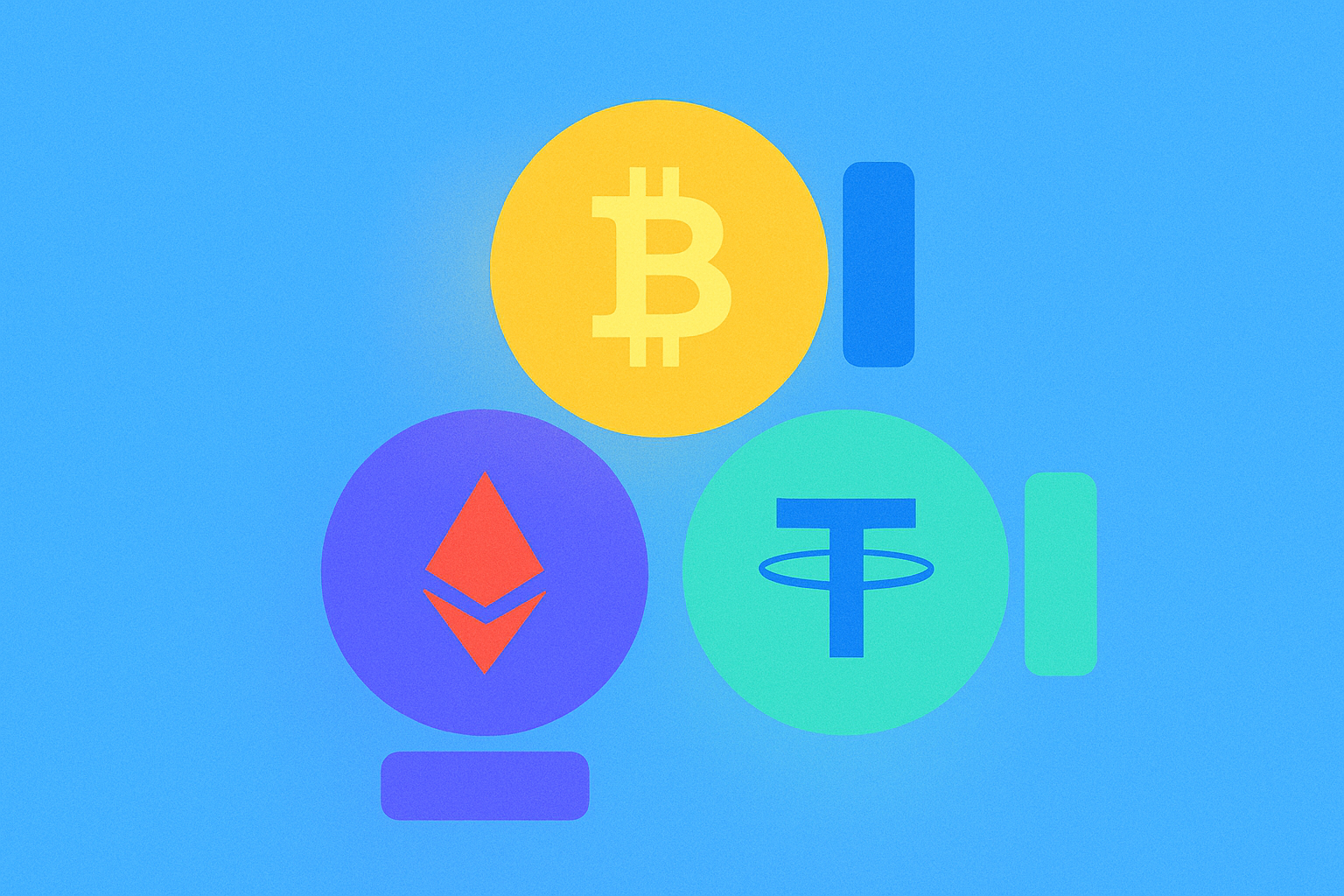
What Is a Ticker Symbol?
A ticker symbol is a short abbreviation used to identify an asset.
On exchanges or blockchains, a ticker symbol consists of a small set of letters that serves as a quick identifier for a specific asset or trading pair. For example, “BTC” and “ETH” represent assets, while “BTC/USDT” represents a trading pair. Ticker symbols make listings and searches more efficient, but they are not globally unique; the same symbol may be reused by different projects or across different blockchains.
In on-chain token contracts, the ticker is typically defined in the “symbol” field of the contract. On exchanges, ticker symbols are used for both assets and trading pairs, enabling users to easily recognize and place orders via the platform interface or API.
Why Should You Understand Ticker Symbols?
They directly impact your order accuracy.
Many newcomers rely solely on the ticker symbol when placing orders, which can result in purchasing assets with similar names but different underlying projects. For instance, searching for “PEPE” could bring up various projects or versions on different blockchains. Understanding the function and limitations of ticker symbols can help you avoid buying the wrong asset and reduce financial risks.
Ticker symbols also clarify the difference between base and quote currencies. For example, in “BTC/USDT”, you are buying BTC, and its price is quoted in USDT. Confusing the two may lead to placing orders in the wrong direction or selecting the wrong trading pair, which could affect your trade execution and costs.
How Do Ticker Symbols Work?
Exchanges and blockchains assign ticker symbols based on conventions.
In spot markets, trading pairs are formatted as “base/quote”. The base currency is the asset you want to buy; the quote currency is what you use to price it. For example, in “BTC/USDT”, BTC is the base currency and USDT is the quote currency—the price shows how many USDT are required for one BTC.
On-chain, the ticker symbol is written into the contract’s “symbol” field. This field is not required to be unique, so multiple contracts can share the same symbol. Asset uniqueness comes from the “contract address”, not the symbol itself.
In contracts and derivatives markets, ticker symbols often include additional identifiers. For example, “BTCUSDT-PERP” or “BTC/USDT-PERP” denotes a perpetual contract. Some exchanges use underscores or slashes to distinguish pairs (such as “BTC_USDT” or “BTC/USDT”). On Gate, spot pairs commonly appear as “BTC/USDT”, while APIs may use “BTC_USDT”; perpetual contract pages explicitly display “perpetual” for clarity.
How Are Ticker Symbols Used in Crypto?
They are widely used across spot, derivatives, and on-chain environments.
In spot trading, trading screens and market lists display ticker symbols. For example, searching for “BTC” on Gate returns pairs like “BTC/USDT” or “BTC/USDC”, allowing users to choose their preferred quote currency and more liquid market.
In perpetual contracts, you’ll see symbols such as “BTCUSDT Perpetual”. The relationship between base and quote assets remains the same; the “Perpetual” label distinguishes it from delivery contracts and spot trades.
In wallets or block explorers, token symbols appear alongside their network, such as “USDT (ERC-20)” or “USDT (TRC-20)”. While the symbol may be identical, the network and contract address differ—transfers and deposits must match the correct network to avoid loss or inaccessibility of funds.
How to Place Orders Using Ticker Symbols
Search for and verify ticker symbols before trading.
Step 1: Search for your target symbol on Gate. Enter an asset or trading pair (e.g., “BTC/USDT”), review its volume and spread, then select a market with higher liquidity.
Step 2: Confirm the base and quote currencies. To buy BTC, select “BTC/USDT”; if you have USDC and prefer to use it as your quote currency, choose “BTC/USDC”.
Step 3: Check contract address and network. For newly listed coins or assets sharing a symbol, open the asset details page and verify the chain and contract address match those provided by the official project site.
Step 4: Select order type and price. Use limit orders for precise pricing or market orders for immediate execution. Set your desired quantity, then place your order—be mindful of fees and minimum trade sizes.
Step 5: Review trade execution and holdings. Check your actual purchased assets under “Order History/Assets” to ensure you bought the correct base currency; if necessary, verify that the trading pair matches your intended quote currency.
Recent Trends and Data on Ticker Symbols
Rising numbers, increasing duplication, and more confusion.
In 2025, industry data shows that both tradable assets and trading pairs continue to grow. As of Q3 2025, CoinGecko lists over 14,000 crypto assets and more than 110,000 cross-exchange trading pairs. In comparison, full-year 2024 saw around 13,000 assets and 95,000 trading pairs—a clear upward trend. This means more new ticker symbols are entering the market, increasing the need for careful search and verification.
Over the past six months, trading pairs quoted in USDT have maintained dominance. Aggregated industry data from Q2-Q3 2025 indicates that USDT-quoted pairs account for over 70% of pairs on most major exchanges. This is because stablecoins act as a universal unit of account, making cross-platform and cross-asset comparison and hedging more convenient.
Ticker duplication or similarity is becoming more frequent. The MEME coin trend remains strong in 2025, with identical or similar ticker symbols coexisting across chains and projects (e.g., numerous “PEPE” or “SHIB” derivative projects). While ticker uniqueness is typically enforced within a single exchange, it is not guaranteed across platforms or on-chain—thus verifying both contract address and network is essential.
What’s the Difference Between a Ticker Symbol and a Coin Name?
A ticker symbol is an abbreviation; a coin name is the full name.
The ticker symbol acts as a short label that’s easy to remember—like “BTC”—while the coin name is its complete designation (e.g., “Bitcoin”). Each has a one-to-one correspondence but serves different purposes. When name collisions occur, it’s usually because tickers are identical while coin names and project backgrounds differ—so further verification is necessary.
Additionally, a ticker symbol cannot substitute for a contract address. On-chain asset uniqueness depends on its contract address; the same symbol can exist across different networks or projects. In practice, use the ticker symbol for quick navigation but always confirm with the project’s official contract address and exchange asset details page.
Related Terms
- Smart Contract: A self-executing program on a blockchain that enables transactions without intermediaries.
FAQ
What Is a Ticker Code?
A ticker code is a short symbol used to uniquely identify an asset for quick recognition and trading. For example, Bitcoin’s ticker code is BTC; Ethereum’s is ETH. On Gate, you can quickly locate coins by searching their ticker codes.
What’s the Difference Between a Dealer and a Trader?
A Dealer is a market maker, earning profit from the spread between buy and sell prices; a Trader seeks profit by buying low and selling high. As an individual investor, you generally act as a Trader—buying and selling crypto assets on Gate for profit.
Why Distinguish Between Ticker Symbol and Coin Name?
A coin name is its full official name (e.g., Bitcoin), while a ticker symbol is its abbreviated code (e.g., BTC), making it quicker to input and identify. The same coin may have different trading pair tickers across exchanges, so knowing ticker symbols is important.
How Should Beginners Use Ticker Symbols to Place Orders Quickly on Gate?
Enter the ticker symbol (such as BTC or ETH) into Gate’s trading interface search bar to quickly find relevant trading pairs. Then choose trade direction and quantity to place an order. It’s recommended to practice with demo trading first to become familiar with searching tickers and order placement before trading live.
Can Ticker Symbols Differ for the Same Coin Across Platforms?
The core ticker remains consistent (e.g., BTC always stands for Bitcoin), but full trading pair symbols may vary by exchange. For example, BTC/USDT on Gate may have different suffixes compared to Binance—always confirm the complete trading pair name before placing an order.
Further Reading
- https://www.merriam-webster.com/dictionary/ticker
- https://dictionary.cambridge.org/us/dictionary/english/ticker
- https://en.wikipedia.org/wiki/Ticker_symbol
- https://www.investopedia.com/ask/answers/12/what-is-a-stock-ticker.asp
- https://www.investor.gov/introduction-investing/investing-basics/glossary/ticker
- https://www.dictionary.com/browse/ticker
Related Articles

Exploring 8 Major DEX Aggregators: Engines Driving Efficiency and Liquidity in the Crypto Market

What Is Copy Trading And How To Use It?
