

Trade
Basic
Futures
Futures
Hundreds of contracts settled in USDT or BTC
Options
HOT
Trade European-style vanilla options
Unified Account
Maximize your capital efficiency
Demo Trading
Futures Kickoff
Get prepared for your futures trading
Futures Events
Participate in events to win generous rewards
Demo Trading
Use virtual funds to experience risk-free trading
Earn
Launch
CandyDrop
Collect candies to earn airdrops
Launchpool
Quick staking, earn potential new tokens
HODLer Airdrop
Hold GT and get massive airdrops for free
Launchpad
Be early to the next big token project
Alpha Points
NEW
Trade on-chain assets and enjoy airdrop rewards!
Futures Points
NEW
Earn futures points and claim airdrop rewards
Investment
Simple Earn
Earn interests with idle tokens
Auto-Invest
Auto-invest on a regular basis
Dual Investment
Buy low and sell high to take profits from price fluctuations
Soft Staking
Earn rewards with flexible staking
Crypto Loan
0 Fees
Pledge one crypto to borrow another
Lending Center
One-stop lending hub
VIP Wealth Hub
Customized wealth management empowers your assets growth
Private Wealth Management
Customized asset management to grow your digital assets
Quant Fund
Top asset management team helps you profit without hassle
Staking
Stake cryptos to earn in PoS products
Smart Leverage
NEW
No forced liquidation before maturity, worry-free leveraged gains
GUSD Minting
Use USDT/USDC to mint GUSD for treasury-level yields

More



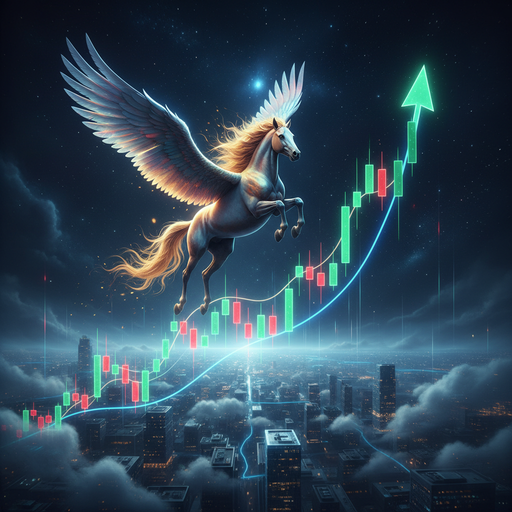


#非农就业数据来袭
Non-farm = A psychological test for the market
Non-farm data is not actually a report from the statistics bureau, but a "collective psychological test" of the market. The numbers themselves are not that important; what matters is — how do you interpret them?
If employment exceeds expectations, the market might say "the economy is too hot, terrible"; if employment falls short of expectations, it can say "interest rate cuts are coming, fantastic." The same data leads to two conclusions, entirely depending on investor sentiment. It’s like reading horoscopes: Scorpio is told today "it's good for collaboration"; some see it as a promotion signal, while others feel it’s a sign of being manipulated by their boss.
Thus, the real meaning of non-farm data is not to predict the future, but to reflect the current market biases. Investors are not really looking at the data; they are looking in a mirror: the dollar is flexing its muscles in front of the mirror, gold is sighing in front of the mirror, and the stock market is putting on makeup in the mirror. The conclusion is simple: non-farm data is not the answer, but a projection of everyone’s emotions.