

Trade
Basic
Futures
Futures
Hundreds of contracts settled in USDT or BTC
Options
HOT
Trade European-style vanilla options
Unified Account
Maximize your capital efficiency
Demo Trading
Futures Kickoff
Get prepared for your futures trading
Futures Events
Participate in events to win generous rewards
Demo Trading
Use virtual funds to experience risk-free trading
Earn
Launch
CandyDrop
Collect candies to earn airdrops
Launchpool
Quick staking, earn potential new tokens
HODLer Airdrop
Hold GT and get massive airdrops for free
Launchpad
Be early to the next big token project
Alpha Points
NEW
Trade on-chain assets and enjoy airdrop rewards!
Futures Points
NEW
Earn futures points and claim airdrop rewards
Investment
Simple Earn
Earn interests with idle tokens
Auto-Invest
Auto-invest on a regular basis
Dual Investment
Buy low and sell high to take profits from price fluctuations
Soft Staking
Earn rewards with flexible staking
Crypto Loan
0 Fees
Pledge one crypto to borrow another
Lending Center
One-stop lending hub
VIP Wealth Hub
Customized wealth management empowers your assets growth
Private Wealth Management
Customized asset management to grow your digital assets
Quant Fund
Top asset management team helps you profit without hassle
Staking
Stake cryptos to earn in PoS products
Smart Leverage
NEW
No forced liquidation before maturity, worry-free leveraged gains
GUSD Minting
Use USDT/USDC to mint GUSD for treasury-level yields

More

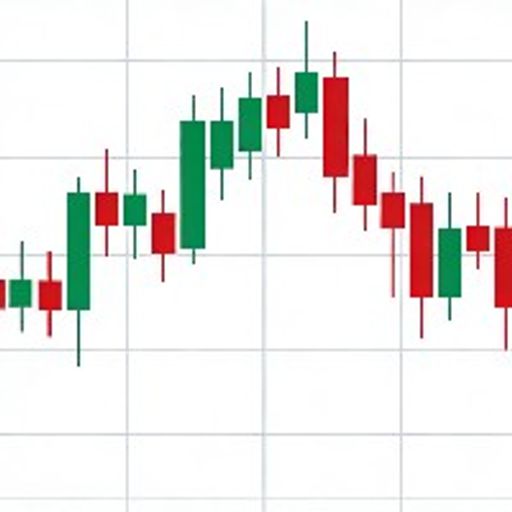




Bitcoin experienced a significant correction: what did market data reveal?
As Bitcoin experienced notable fluctuations pushing it toward new testing levels, the cryptocurrency markets faced a session of turbulence. With quotes near $92,000 on spot pairs across major exchanges, volatility remains a key factor in investor psychology.
The Current Spot Market Dynamics
Recent price movements reflect patterns we’ve seen repeated multiple times. During the correction period, trading volume in spot markets significantly exceeded that of derivatives, indicating liquidations of positions by retail traders rather than institutional capitulation. Order books on major platforms show buy concentrations holding at key psychological levels.
The spot market, where organic price formation occurs between real supply and demand, demonstrated a balanced liquidity distribution. This market structure typically indicates that accumulator participants are patiently waiting, while pressured sellers gradually execute their orders.
Technical Indicators and Their Meaning in Volatility Contexts
Charts across multiple timeframes reveal adjustments in momentum indicators. The four-hour RSI dropped into territories that historically mark reversal points, though without reaching extremes indicating total capitulation. Bollinger Bands expanded considerably, reflecting volatility above historical averages but still within normal ranges for Bitcoin in transition cycles.
The 50-day moving average now acts as a dynamic resistance, while the MACD shows decreasing bearish momentum across multiple timeframes. This change in momentum could signal exhaustion of selling pressure before clearer directional moves.
Support levels identified by technical analysis show buy densities clustered in specific zones, suggesting where institutional participants placed buy orders during the decline. These market structures are rarely penetrated without significant resistance.
Macroeconomic Context and Broader Financial Market Dynamics
Beyond chart patterns, the strength of the US dollar directly influenced asset prices denominated in dollars. The dollar index experienced bullish movements that temporarily coincided with Bitcoin’s retracement, a correlation expected during periods of risk market uncertainty.
US bond yields showed moderate adjustments following communications from monetary authorities. In these contexts, Bitcoin traditionally faces short-term selling pressure, although the robustness of network fundamentals suggests long-term participants did not capitulate.
Corporate adoption of Bitcoin in treasury continues expanding, with new companies announcing allocations consistently. This fundamental institutional demand flow provides a counterbalance to cyclical price fluctuations driven by short-term sentiment.
Comparative Analysis Between Bitcoin and Other Digital Assets
Ethereum experienced similar pressures during the same period, with declines slightly exceeding Bitcoin’s in percentage terms. However, its market capitalization has shown relative resilience across multiple cycles, suggesting that demand for decentralized applications maintains a sustainability floor.
The total crypto market capitalization reflected Bitcoin’s movement proportionally, indicating that capital rotated within the ecosystem rather than flowing out to traditional assets. Bitcoin’s dominance remained relatively stable, reinforcing the narrative that this movement was a technical adjustment rather than a structural shift in capital allocation.
Specific layer 1 protocols showed independent price patterns, suggesting that project-specific narratives still operate with some autonomy relative to Bitcoin movements. This offers opportunities for traders seeking divergences in the altcoin market.
On-Chain Metrics and Institutional Behavior
Exchange flows reported net Bitcoin outflows in magnitudes typically associated with accumulation periods. However, the timing context suggests some large holders effectively moved holdings to private wallets in anticipation of volatility.
Average transaction size increased during the correction, indicating movements of assets by larger participants. This often anticipates re-stabilization after weak positions have been liquidated.
Bitcoin’s hash rate remained at all-time highs despite price volatility, reflecting continued confidence in the network’s security by miners. This fundamental metric matters more than daily fluctuations for long-term horizon participants.
Market Sentiment and Investor Psychology
Sentiment indicators transitioned from greed territory to neutrality, a change that historically precedes healthier recovery moves. This cooling of enthusiasm causes weak positions to be liquidated, creating a more solid foundation for subsequent advances.
Discussions in trader communities reveal an opportunistic tone. Many participants see retracements as moments to accumulate discounted positions rather than panic sell. This constructive sentiment during corrections often anticipates new all-time highs.
Open interest in futures markets decreased moderately without cascades of massive liquidations, indicating deleveraging occurred in an orderly manner. This is significant because explosive liquidations typically mark more extreme reversal points.
Market Outlook and Considerations for Participants
Bitcoin is currently trading at $92.14K with 24-hour movements showing a recovery (+1.42%), a figure contextualized within expected volatility in normal market cycles. Bitcoin’s annual 30% fluctuation remains moderate compared to volatility peaks in previous cycles.
Key technical levels to watch include dynamic resistances where the 50-day moving average acts as a barrier, and supports where buy orders are clustered. The current market structure suggests a relatively balanced distribution of power between buyers and sellers.
The significance of corrections like this lies in their role in purging weak speculative positions. Far from representing a structural change, these movements often strengthen longer-term bullish cycles by eliminating excess leverage that historically causes sharp reversals.
The ongoing integration of Bitcoin into traditional financial infrastructure progresses regardless of short-term volatility. More financial institutions expand custody and transaction services with crypto assets, suggesting that adoption fundamentals remain intact during technical re-pricing periods.
Final Reflection
Recent Bitcoin movements demonstrate that even within growing adoption cycles, volatility remains a defining characteristic of the asset. Ethereum showed similar patterns (+1.90% in 24 hours), reinforcing the observation that corrections in cryptocurrencies are often broad market phenomena.
Experienced investors recognize that fluctuations of 3-5% represent expected variability, not market catastrophes. The true significance of these movements emerges when analyzing institutional participant behavior, network metrics, and real adoption. In these terms, Bitcoin’s narrative remains intact, with expanding corporate adoption and network security reaching all-time highs.