

Trade
Basic
Futures
Futures
Hundreds of contracts settled in USDT or BTC
Options
HOT
Trade European-style vanilla options
Unified Account
Maximize your capital efficiency
Demo Trading
Futures Kickoff
Get prepared for your futures trading
Futures Events
Participate in events to win generous rewards
Demo Trading
Use virtual funds to experience risk-free trading
Earn
Launch
CandyDrop
Collect candies to earn airdrops
Launchpool
Quick staking, earn potential new tokens
HODLer Airdrop
Hold GT and get massive airdrops for free
Launchpad
Be early to the next big token project
Alpha Points
NEW
Trade on-chain assets and enjoy airdrop rewards!
Futures Points
NEW
Earn futures points and claim airdrop rewards
Investment
Simple Earn
Earn interests with idle tokens
Auto-Invest
Auto-invest on a regular basis
Dual Investment
Buy low and sell high to take profits from price fluctuations
Soft Staking
Earn rewards with flexible staking
Crypto Loan
0 Fees
Pledge one crypto to borrow another
Lending Center
One-stop lending hub
VIP Wealth Hub
Customized wealth management empowers your assets growth
Private Wealth Management
Customized asset management to grow your digital assets
Quant Fund
Top asset management team helps you profit without hassle
Staking
Stake cryptos to earn in PoS products
Smart Leverage
NEW
No forced liquidation before maturity, worry-free leveraged gains
GUSD Minting
Use USDT/USDC to mint GUSD for treasury-level yields

More





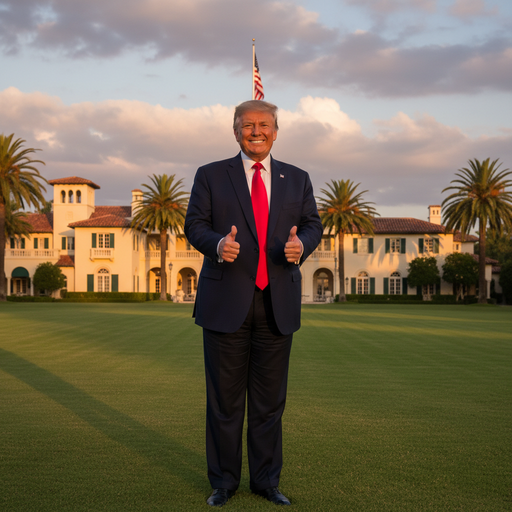
Silicon Valley Legend Peter Thiel's Surprising Shift: Why He Dumped Nvidia for Apple in Q3
Peter Thiel, the tech visionary who co-founded PayPal alongside Elon Musk and was the first outside investor in Meta Platforms, recently made a portfolio move that caught the market’s attention. Through his hedge fund Thiel Macro, the investor exited his entire Nvidia position in the third quarter—offloading 537,742 shares—while simultaneously establishing a new stake in Apple. This strategic reallocation offers valuable insights into how top-tier investors are reassessing risk in today’s volatile tech landscape.
The Nvidia Paradox: Growth at What Cost?
Since ChatGPT’s commercial debut in late 2022, Nvidia’s trajectory has been extraordinary. The AI chipmaker’s market capitalization ballooned from $345 billion to $4.6 trillion, making it the world’s most valuable company. Revenue and earnings continue to exceed expectations quarter after quarter, cementing Nvidia’s dominance in AI infrastructure.
Yet beneath the surface, momentum is showing signs of fatigue. Following the company’s fiscal Q3 earnings report in November 2025, Nvidia’s stock gained a modest 1.7%—a stark contrast to the explosive rallies that defined the previous three years. This tepid response suggests investor sentiment may finally be shifting.
The underlying concern stems from rising questions about sustainability. As custom processor designers enter the market and competition intensifies in specialized computing segments, questions linger about Nvidia’s long-term growth trajectory. While the company possesses ample opportunities beyond its core accelerator business, the timing and materiality of these emerging applications remain highly uncertain.
This is precisely the type of inflection point that seasoned investors like Thiel monitor closely. When velocity of growth moderates, even for beloved mega-cap stocks, strategic repositioning becomes prudent.
The Case for Apple: Boring Can Be Beautiful
On the surface, Apple might appear to be lagging in AI innovation relative to its megacap tech counterparts. Yet this conventional wisdom misses a critical reality: Apple doesn’t need to pioneer breakthrough AI technology to capture significant value from the revolution.
Consider the leverage Apple possesses. With over 2 billion active devices in its installed base, the company is uniquely positioned to distribute AI capabilities across its entire consumer ecosystem. As generative AI becomes embedded in iPhones, Macs, and wearables, Apple benefits from both hardware upgrades and accelerating services revenue. Unlike companies racing to develop novel AI models, Apple can deploy cutting-edge technology through its existing distribution channels.
This distinction matters enormously for portfolio construction. Nvidia’s valuation swings based on the latest AI headline and quarterly earnings whispers, exhibiting pronounced volatility that tests investor discipline. Apple, by contrast, generates predictable, robust cash flows from its business operations. The company’s AI roadmap may lack glamour, but the underlying business model delivers consistent returns.
From a risk management perspective, Thiel’s pivot suggests a deliberate tilt toward resilience over speculation. When market corrections eventually arrive—and they do—capital tends to migrate from volatile momentum plays toward durable, blue-chip opportunities with defensible economics.
Valuation Tells a Surprising Story
On a pure valuation basis, Nvidia appears cheaper. The chip designer trades at a forward price-to-earnings multiple of approximately 24, while Apple commands a premium multiple near 32. Given Nvidia’s faster earnings growth and robust near-term outlook, conventional analysis would crown Nvidia the bargain.
But context matters. Higher multiples sometimes reflect justified confidence in longevity and stability. Conversely, seemingly attractive multiples can mask hidden volatility risk. For long-term portfolio holders, the question isn’t just “which stock is cheaper” but rather “which stock delivers smoother, more predictable returns relative to risk taken?”
Thiel’s reallocation suggests he’s prioritizing the latter consideration. Apple may lack the explosive upside potential of a momentum stock, but it offers something increasingly valuable: the probability of sustained, resilient performance through market cycles.
The Deeper Message: Risk Adjustment in Action
The strategic rotation from Nvidia to Apple reflects a broader portfolio discipline that institutional investors employ during late-cycle rallies. When momentum stocks become stretched relative to fundamentals, prudent managers redeploy capital into businesses exhibiting genuine economic durability.
Apple, despite its recent sluggish growth, remains one of the tech industry’s most defensible investments. Cash generation stays robust, the customer base is loyal, and the services business—increasingly the profit engine—provides recurring revenue visibility that manufacturing-centric competitors simply cannot match.
For investors evaluating whether to follow Thiel’s playbook: Apple may never deliver the jaw-dropping returns that capturing a major AI inflection point could theoretically offer. But it presents a compelling risk-adjusted alternative for those prioritizing portfolio stability over speculative upside during an extended period of technological uncertainty.