

Trade
Basic
Futures
Futures
Hundreds of contracts settled in USDT or BTC
Options
HOT
Trade European-style vanilla options
Unified Account
Maximize your capital efficiency
Demo Trading
Futures Kickoff
Get prepared for your futures trading
Futures Events
Participate in events to win generous rewards
Demo Trading
Use virtual funds to experience risk-free trading
Earn
Launch
CandyDrop
Collect candies to earn airdrops
Launchpool
Quick staking, earn potential new tokens
HODLer Airdrop
Hold GT and get massive airdrops for free
Launchpad
Be early to the next big token project
Alpha Points
NEW
Trade on-chain assets and enjoy airdrop rewards!
Futures Points
NEW
Earn futures points and claim airdrop rewards
Investment
Simple Earn
Earn interests with idle tokens
Auto-Invest
Auto-invest on a regular basis
Dual Investment
Buy low and sell high to take profits from price fluctuations
Soft Staking
Earn rewards with flexible staking
Crypto Loan
0 Fees
Pledge one crypto to borrow another
Lending Center
One-stop lending hub
VIP Wealth Hub
Customized wealth management empowers your assets growth
Private Wealth Management
Customized asset management to grow your digital assets
Quant Fund
Top asset management team helps you profit without hassle
Staking
Stake cryptos to earn in PoS products
Smart Leverage
NEW
No forced liquidation before maturity, worry-free leveraged gains
GUSD Minting
Use USDT/USDC to mint GUSD for treasury-level yields

More


Trending Topics
View More14.64K Popularity
31.74K Popularity
7.86K Popularity
22.69K Popularity
123.62K Popularity



Pin
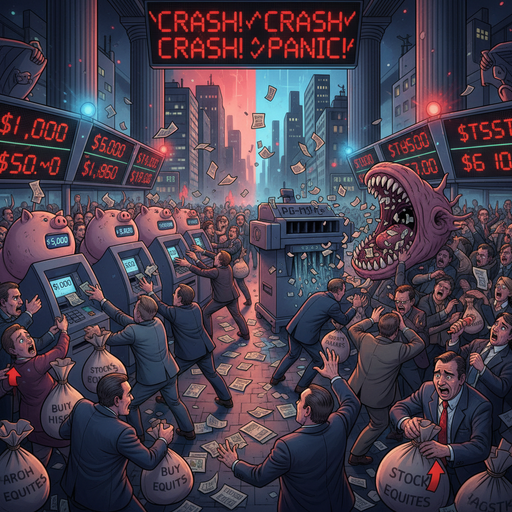
The era we're entering demands a rethink of how we protect personal wealth.
Consider what's at stake:
🔴 Asset seizures hitting unexpectedly
🔴 Security breaches exposing holdings
🔴 Centralized exchanges imploding
🔴 Private data leaks everywhere
🔴 Constant surveillance on financial activity
This isn't doomsaying—it's the reality many investors face. In this climate, financial self-custody and privacy stop being nice-to-have features. They become essential survival strategies.
When custody remains with third parties, you inherit their risks. When data lives on centralized servers, exposure is inevitable. The solution? Taking control back—securing your own keys, managing your own data, reclaiming financial sovereignty.
For crypto holders, this shift isn't optional anymore. It's fundamental.