

Trade
Basic
Futures
Futures
Hundreds of contracts settled in USDT or BTC
Options
HOT
Trade European-style vanilla options
Unified Account
Maximize your capital efficiency
Demo Trading
Futures Kickoff
Get prepared for your futures trading
Futures Events
Participate in events to win generous rewards
Demo Trading
Use virtual funds to experience risk-free trading
Earn
Launch
CandyDrop
Collect candies to earn airdrops
Launchpool
Quick staking, earn potential new tokens
HODLer Airdrop
Hold GT and get massive airdrops for free
Launchpad
Be early to the next big token project
Alpha Points
NEW
Trade on-chain assets and enjoy airdrop rewards!
Futures Points
NEW
Earn futures points and claim airdrop rewards
Investment
Simple Earn
Earn interests with idle tokens
Auto-Invest
Auto-invest on a regular basis
Dual Investment
Buy low and sell high to take profits from price fluctuations
Soft Staking
Earn rewards with flexible staking
Crypto Loan
0 Fees
Pledge one crypto to borrow another
Lending Center
One-stop lending hub
VIP Wealth Hub
Customized wealth management empowers your assets growth
Private Wealth Management
Customized asset management to grow your digital assets
Quant Fund
Top asset management team helps you profit without hassle
Staking
Stake cryptos to earn in PoS products
Smart Leverage
NEW
No forced liquidation before maturity, worry-free leveraged gains
GUSD Minting
Use USDT/USDC to mint GUSD for treasury-level yields

More



South Korea lifts ban to launch tokenized securities, entering a new phase of global asset on-chain competition by 2027
South Korea's National Assembly officially approved amendments to the “Capital Markets Act” and the “Electronic Securities Act,” providing clear legal grounds for the issuance and trading of blockchain securities. This means that tokenized securities, which were previously completely prohibited, now receive formal recognition within the national financial system. The legislation is expected to take effect in January 2027, marking Korea's official entry into the era of legalized tokenized finance.
Three Key Changes in the Policy Framework
Complete Legal Breakthrough
The amendments involve two core laws. After revising the “Electronic Securities Act,” eligible issuers can now legally issue digital securities based on distributed ledger technology. The adjustments to the “Capital Markets Act” allow these assets to be traded as investment contract securities through brokerage firms and financial intermediaries. This is not merely a “permission to exist,” but a full integration into the formal financial system.
Clear Support for Technological Applications
The Financial Supervisory Service (FSS) of Korea explicitly states that the new framework permits securities account management based on distributed ledgers and introduces smart contracts in key areas such as issuance and settlement. This means that efficiency improvements, cost reductions, and operational risk mitigation are no longer theoretical but central goals of the system design.
Fundamental Shift in Regulatory Attitude
The FSS emphasizes that this reform is not about overthrowing traditional finance but about promoting deep integration of blockchain technology with existing market structures. This wording is significant, indicating Korea's choice of “integration” rather than “confrontation.”
Impressive Market Potential
According to data from market forecast agencies, the potential of tokenized securities far exceeds expectations. Boston Consulting Group estimates that Korea's tokenized securities market could reach approximately $249 billion by the end of this decade. A broader outlook from Standard Chartered Bank predicts that the global scale of tokenized assets could hit $2 trillion by 2028.
What do these figures reflect? They represent the long-term trend of traditional financial assets migrating onto the blockchain and the inevitable process of the industry moving from niche to mainstream.
Korea's Overall Shift in Crypto Policy
The significance of this policy cannot be viewed solely through the lens of tokenized securities but must be understood within the broader context of Korea's recent policy adjustments:
These measures collectively point in one direction: Korea is systematically opening the door for institutional funds to enter the crypto market. Related information indicates that this policy signal has already begun to influence market realities. Korean depositors are withdrawing billions of dollars from bank accounts to invest in crypto assets, trading volumes on exchanges have surged dramatically in a short period, and the KOSPI index has hit a record high.
Korea's Position in the Global Context
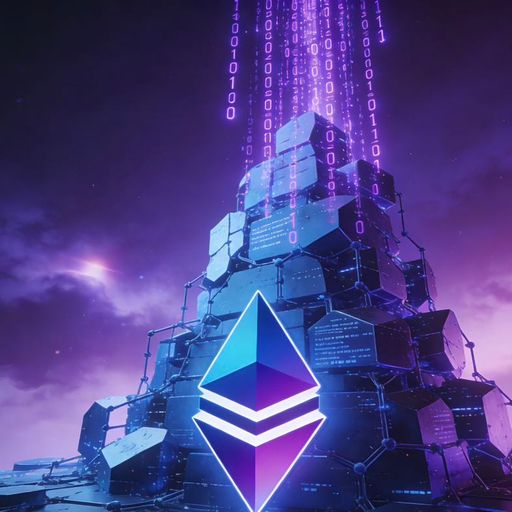
Korea's move is not isolated. Recently, the U.S. has also issued regulatory signals supporting institutional participation in tokenized assets, with some major international financial institutions beginning to test tokenized financial products on blockchain networks like Ethereum.
In this competitive global landscape, Korea is seizing the initiative through a clear legal framework. This is not just a policy signal but concrete institutional development, providing a clear participation pathway for institutional funds, financial intermediaries, and issuers.
Summary
Korea's decision marks a critical step in moving tokenized finance from the fringe to the mainstream. The official implementation in January 2027 is not the end but a new beginning. The integrity of this policy framework means Korea is not only permitting tokenized securities but building a complete ecosystem. From issuance, trading, settlement, to account management, the entire chain has clear legal backing.
For the global market, this indicates that the timeline for assets moving onto the blockchain from experimental stages to real-world applications is accelerating. Policy adjustments in Korea, the U.S., and other major economies are collectively driving this trend. For investors, this long-term policy benefit is worth noting, but the specific market opportunities will only become clear once the policies are fully implemented in 2027.