#IranUSConflictEscalates 🚨 戦争への恐怖が市場を暴落させるのか?—米国・イランの緊張が激化、ビットコインが$𝟴𝟬𝗞を下回り、全ての注目はFRBと今夜の雇用データに! ⚠️🌍📉
🎯 私の予測: 市場はここ数ヶ月で最も敏感な時期の一つに入っていると思います。私の基本シナリオは、米国とイランが長期にわたる直接軍事衝突を回避するものの、緊張は高止まりしそうです。今夜の雇用データが予想よりも弱ければ、将来の利下げ期待が高まり、ビットコインは**80,000ドル**を回復する可能性があります。しかし、地政学的リスクが高まり続ける中で、雇用統計が予想を大幅に上回った場合、株式、仮想通貨、商品にわたってさらに一層の変動が起こり、その後市場が安定するでしょう。
Financial markets have once again been reminded that geopolitics can reshape investor sentiment within hours. The latest confrontation involving the United States and Iran has immediately shifted attention away from corporate earnings and back toward global security risks. Whenever tensions rise around the Strait of Hormuz, investors know that the consequences extend far beyond regional politics. This waterway carries a significant share of global oil exports, making every headline capable of influencing inflation, energy prices, and financial markets worldwide.
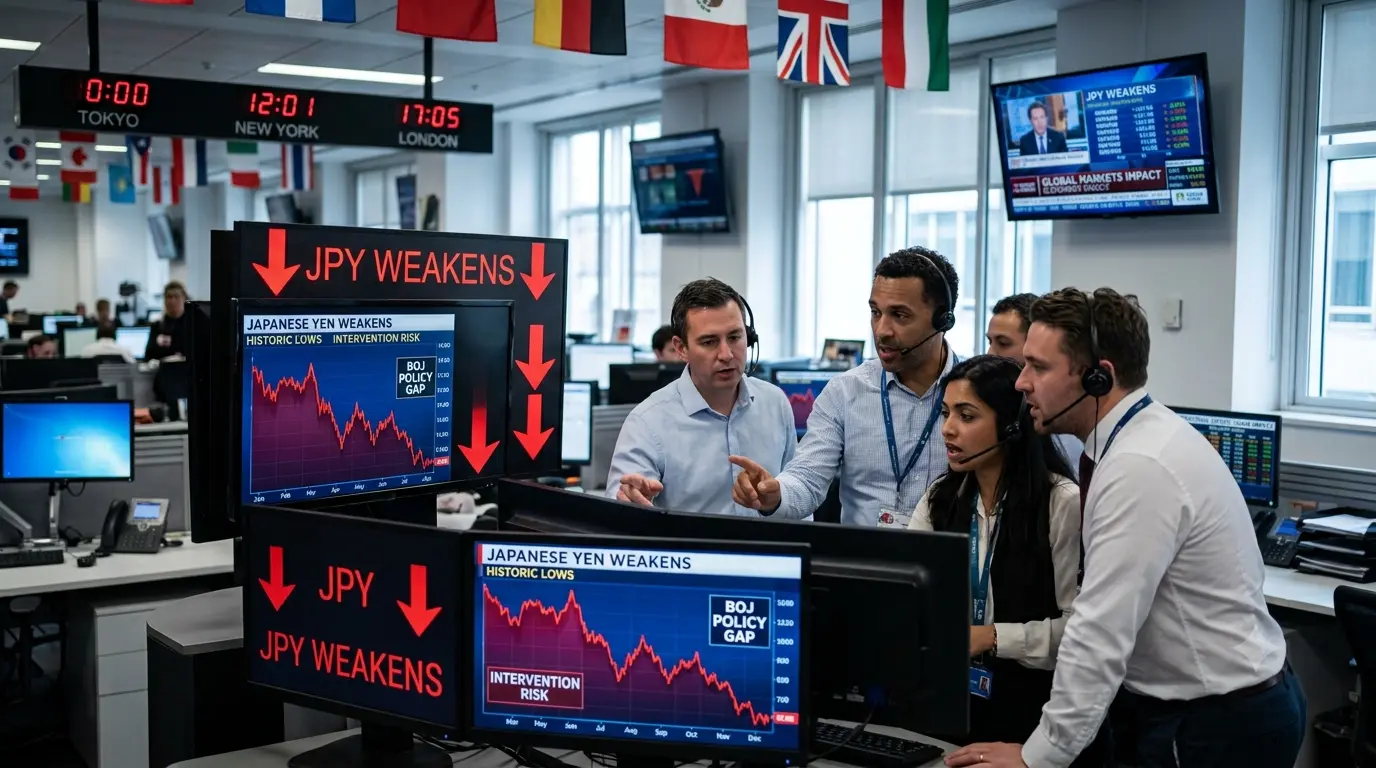
The initial reaction reflected exactly that. U.S. equities pulled back from their recent highs, Bitcoin dropped below the important **$80,000** psychological level, while crude oil experienced a sharp V-shaped reversal as traders rapidly priced in the possibility of future supply disruptions. These simultaneous moves demonstrate how deeply interconnected today's markets have become. A geopolitical event thousands of miles away can instantly affect cryptocurrencies, stock indices, commodity prices, and global investor confidence.
The biggest concern is not necessarily the current confrontation itself, but the uncertainty surrounding what comes next. Markets dislike uncertainty more than bad news because uncertainty makes it impossible to accurately price future risk. Even if both governments ultimately avoid a larger conflict, investors may continue demanding higher risk premiums until the geopolitical outlook becomes clearer.
Oil prices will likely remain the market's first warning indicator. Any sustained increase in crude prices could quickly feed into transportation costs, manufacturing expenses, and consumer inflation. Higher energy prices have historically complicated central bank policy because they place additional upward pressure on inflation while simultaneously slowing economic growth. This creates one of the most challenging environments for policymakers attempting to balance inflation control with economic stability.
Bitcoin now finds itself at another important crossroads. While many investors continue viewing digital assets as a long-term alternative financial system, short-term price action remains heavily influenced by liquidity conditions and macroeconomic sentiment. During periods of heightened uncertainty, investors often reduce exposure to higher-risk assets before gradually returning once confidence improves. Whether Bitcoin can reclaim **$80,000** may depend less on blockchain fundamentals and more on how global macroeconomic conditions evolve over the coming days.
Tonight's Non-Farm Payroll report adds another major layer of uncertainty. Employment remains one of the Federal Reserve's most closely monitored economic indicators because labor market strength directly influences inflation and future monetary policy decisions. A stronger-than-expected report could reinforce expectations that interest rates will remain elevated for longer, strengthening the U.S. dollar while putting additional pressure on equities and cryptocurrencies. Conversely, softer employment data may revive optimism that future rate cuts remain possible.
This combination of geopolitical tension and major economic data creates an environment where volatility can increase dramatically within a very short period. Markets are simultaneously attempting to price military risk, inflation expectations, energy costs, central bank policy, and economic growth. When multiple catalysts collide, short-term price movements often become significantly larger than usual.
One important lesson from previous crises is that markets frequently react faster than the underlying fundamentals justify. Initial panic selling often reflects uncertainty rather than permanent economic damage. Once investors gain greater clarity regarding policy responses and geopolitical developments, confidence frequently begins returning. This is why experienced investors often spend more time evaluating liquidity, macroeconomic trends, and institutional positioning than reacting emotionally to every breaking headline.
Risk management becomes especially valuable during periods like these. Volatility creates opportunities, but it also increases the probability of costly mistakes driven by fear or excessive optimism. Protecting capital, maintaining flexibility, and avoiding emotional decision-making frequently prove more valuable than attempting to predict every short-term market move.
History has repeatedly shown that financial markets eventually adapt to geopolitical shocks, but the journey is rarely smooth. The speed of any recovery will depend on whether tensions ease, inflation stabilizes, and central banks regain confidence that monetary policy can gradually become less restrictive. Until then, investors should expect headlines to remain the dominant force driving short-term market sentiment.
✦ 私の見解: これは忍耐がパニックよりもはるかに重要となる瞬間の一つだと私は信じています。見出しは恐怖を生むかもしれませんが、長期的なトレンドは最終的に流動性、経済ファンダメンタルズ、投資家の信頼によって決定されます。地政学的緊張が徐々に冷え込み、経済データがよりバランスの取れたFRBの見通しを支持すれば、市場は驚くほど早く回復する可能性があります。それが起こるまでは、私は感情的な反応ではなく、規律あるリスク管理に焦点を当てることを好みます。どの市場サイクルにおいても、不確実性が支配する中で冷静さを保つ人々が、最終的に信頼が戻ったときに利益を得る最良の立場にいるものです。 📊🌍₿🚀
@Gate_Square