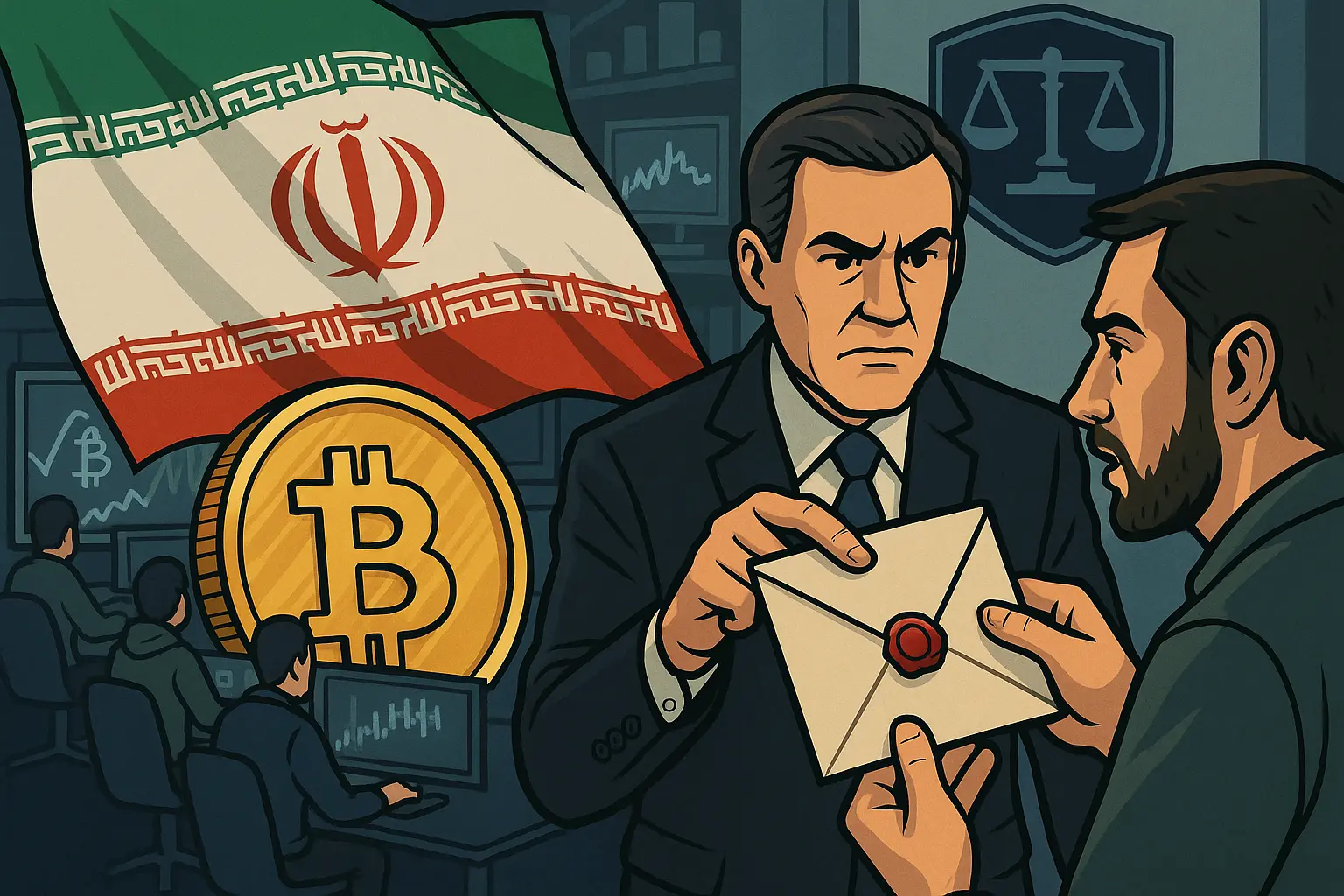
According to The Information on May 8, the U.S. Department of the Treasury has, via a private letter, demanded that Binance comply with the compliance monitoring plan stipulated in the settlement agreement for $4.3 billion reached between the two parties in 2023. Previously, there were reports that Binance handled about $1 billion in transactions flowing to entities related to Iran, and that employees who disclosed this to company executives were reportedly dismissed.
2023 Settlement Agreement: $4.3 Billion Consideration and Three-Year Government Monitoring
In 2023, Binance reached a settlement with the U.S. Department of the Treasury and the Department of Justice (DOJ), totaling $4.3 billion—one of the largest crypto regulatory penalties in U.S. history. Key terms of the agreement include: Binance accepting a three-year compliance monitoring program overseen by government officials, and committing to establish internal systems that meet U.S. sanctions compliance and anti-money laundering (AML) standards.
As part of the settlement, former CEO Changpeng Zhao (CZ) pleaded guilty to a felony charge related to Binance’s failure to maintain an AML framework, and stepped down as CEO in November 2023. U.S. President Trump later pardoned Changpeng Zhao in October 2025 via an executive order.
Iran Transaction Doubts: A Timeline of How This Situation Unfolded
Based on existing reports, the formation of this regulatory pressure has progressed in the following sequence:
· Reports said there was about $1 billion in fund movement on the Binance platform, ultimately flowing to entities linked to Iran
· It was alleged that Binance fired the employees involved who disclosed this to the company’s executives
· The firings sparked public concerns about Binance’s internal compliance culture
· A group of U.S. senators intervened, sending a letter to Treasury Secretary Scott Bessent demanding the submission of a formal report on Binance’s compliance status
· The Treasury issued a private letter, “privately requesting” that Binance comply with the compliance obligations specified in the monitoring agreement
A Binance spokesperson responded that the company “views this oversight as an important part of continuing to strengthen compliance and anti-money laundering controls,” and emphasized that it will fully cooperate and remain transparent.
The Sensitive Background of Binance and the Trump Administration
Against the backdrop of this regulatory pressure, the political ties between Binance and the Trump administration have been under intense scrutiny. Last year, an entity headquartered in the UAE invested $8B in Binance via a stablecoin issued by World Liberty Financial—built and co-founded by Trump and his children—denominated at USD1.
On Thursday, Changpeng Zhao attended the Consensus 2026 conference held in Miami, one of his first major public appearances after Trump’s pardon. He said he has been “trying to avoid the United States,” while also proposing a plan to revive Binance.US, aimed at giving users access to global liquidity. He also denied any idea of taking on a leadership role again at a crypto company: “I don’t think I have enough energy to lead another company. I’m done.”
Frequently Asked Questions
What main obligations did the U.S. Treasury’s 2023 settlement with Binance cover?
The settlement agreement required Binance to pay a $4.3 billion fine to the U.S. Department of the Treasury and the Department of Justice, accept a three-year government-supervised compliance monitoring program, and have former CEO Changpeng Zhao plead guilty to a felony charge related to an AML violation. The core of the agreement is requiring Binance to establish internal systems that meet U.S. sanctions compliance standards, with government officials continuing to monitor execution.
Why did Binance’s handling of transactions related to Iran raise serious regulatory concerns?
The U.S. imposes extensive financial sanctions on Iran. Any financial institution that allows sanctioned entities to use its platform faces serious civil and criminal liability. Binance paid a high price for this kind of violation in its 2023 settlement agreement, which means that if the allegations in this case are substantiated, it would directly indicate that Binance did not fully meet the core compliance obligations in the agreement.
Does Trump’s pardon of Changpeng Zhao affect Binance’s legal obligations?
The pardon applies only to Changpeng Zhao personally’s criminal guilty plea, and does not relieve Binance—as a corporate entity—of its settlement obligations to the Treasury and DOJ. Binance’s three-year monitoring plan and the $4.3 billion settlement terms remain in effect. Any new allegations of violations could affect continued performance of the settlement, and may trigger broader ripple effects on both political and legal fronts.


