
A 2026 digital asset institutional investor survey by Nomura Securities (Nomura) and its crypto subsidiary, Laser Digital, shows that nearly four-fifths of surveyed institutional investors plan to allocate 2% to 5% of their total assets under management (AUM) to the crypto market. Most institutions say they plan to do so within the next year rather than investing immediately.
Institutional Crypto Asset Allocation Intentions and Key Barriers
According to the Nomura Securities survey, 65% of respondents currently view cryptocurrencies as a diversification investment tool, alongside stocks, bonds, and commodities. Nomura Securities notes in its report: "Clear regulation, deeper understanding, and more robust security and risk management frameworks are key to expanding investment."
The same survey also recorded three major existing barriers: a lack of clear asset valuation methodologies, the ongoing volatility of crypto assets, and uncertainty in the regulatory environment. Nomura Securities also said adoption is accelerating due to "a wider range of investment products, improvements in risk management practices, regulatory reforms, and increased participation."
Institutional Demand Breakdown for DeFi Protocols, Lending, and Tokenized Assets
According to the Nomura Securities survey, institutional investors' crypto asset allocation demand is concentrated on yield strategies, rather than simply seeking token price appreciation. The specific figures are as follows:
· More than two-thirds of respondents want to participate in decentralized finance (DeFi) mechanisms, such as staking
· 65% of respondents want to pursue strategies related to lending and tokenized assets
· 63% of respondents are exploring crypto derivatives and stablecoins
Nomura Securities states in its report: "This reflects the growing demand in the market for income-generation and asset-utilization strategies," and notes that institutional interest in investment approaches has "expanded from exchange-traded funds to private funds, staking, and lending."
Practical Use Cases for Stablecoins and Institutional Issuer Preferences
 (Source: DefiLLlama)
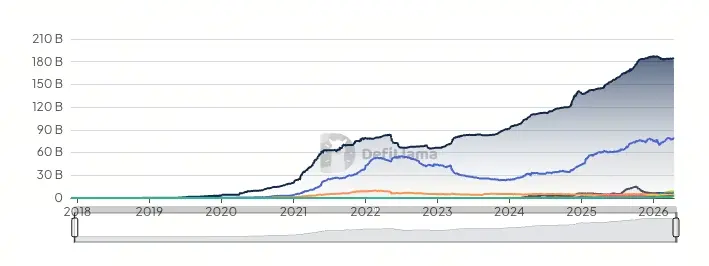
According to the Nomura Securities survey, 63% of respondents believe stablecoins have real-world utility, mainly covering cash management, cross-border payments, currency trading, and investing in crypto currencies and tokenized assets. Respondents show clear preferences for stablecoin issuers: regardless of whether they are denominated in Japanese yen, U.S. dollars, or euros, stablecoins issued by major financial institutions are seen as the most trustworthy option. Nomura Securities notes: "Demand for stablecoins in real-world terms is strong, especially for issuance by large financial institutions, highlighting the importance of trust in issuers."
Common Questions
What are the core statistics from Nomura Securities' 2026 survey?
Based on the 2026 digital asset institutional investor survey released by Nomura Securities and Laser Digital, nearly four-fifths of surveyed institutions plan to allocate 2% to 5% of AUM to the crypto market; 65% view cryptocurrencies as diversified tools; more than two-thirds want to participate in DeFi staking; and 63% believe stablecoins have practical value.
What is the scale of institutional investors covered in this survey?
According to Nomura Securities, the survey covers institutional investors with more than $60 billion in assets under management, as well as family offices and public institutions with asset sizes ranging from the tens of millions to the tens of billions of dollars.
What are the main barriers for institutional investors to expand their allocation to crypto assets?
According to the Nomura Securities survey, the main barriers include the lack of clear asset valuation methodologies, ongoing volatility of crypto assets, and uncertainty in the regulatory environment. The report states that clear regulatory frameworks and well-developed risk management mechanisms are key prerequisites for institutions to expand allocations.


