


Market View July 19
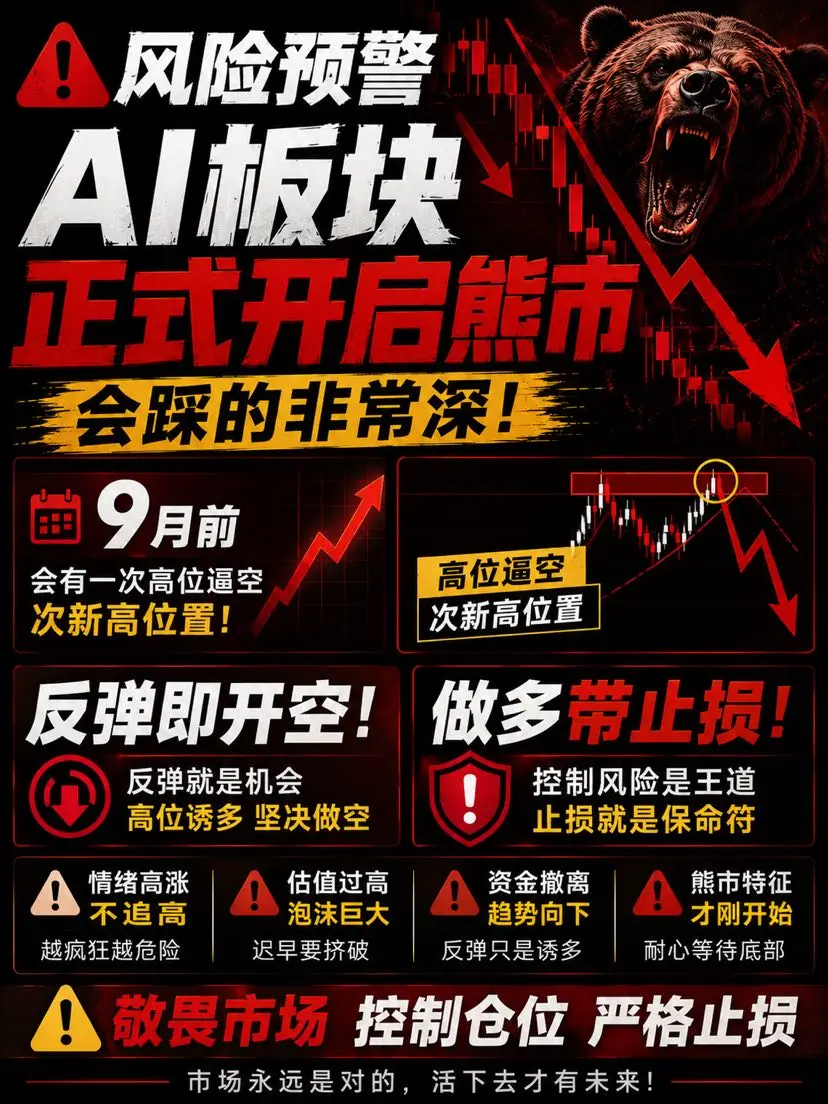
This is not the time to debate a bull market or a bear market.
For traders, these two terms don’t generate profits.
What’s truly worth paying attention to is that the market is going through a new round of deleveraging; volatility will rise, and range-bound trading is likely to be the main theme in the coming months.
My view is that, absent any new major catalysts, the market will most likely keep pulling back and forth. The focus of trading should be on timing and risk control, not betting on a one-way move.
For the truly big-direction trend, I care more about what happens after mid-term elections in November this year.
By then, expectations for policy, the fiscal direction, and market risk appetite could all be repriced, giving the market a chance to break out into a trend-driven trend.
As for whether the final move is upward or downward, no one can be sure right now.
If the policy environment improves noticeably and risk appetite rebounds, the market may enter a new round of strong-trend upside.
If policy expectations fail to materialize and liquidity continues to tighten, the market could also see a deeper round of correction.
So the most important thing now is not predicting the future.
It’s making it to the future.
Control your position size and wait patiently.
Before a trend appears, make fewer mistakes; after a trend is confirmed, follow the trend.
Trading profits have never come from predicting—only from riding the trend.
This is not the time to debate a bull market or a bear market.
For traders, these two terms don’t generate profits.
What’s truly worth paying attention to is that the market is going through a new round of deleveraging; volatility will rise, and range-bound trading is likely to be the main theme in the coming months.
My view is that, absent any new major catalysts, the market will most likely keep pulling back and forth. The focus of trading should be on timing and risk control, not betting on a one-way move.
For the truly big-direction trend, I care more about what happens after mid-term elections in November this year.
By then, expectations for policy, the fiscal direction, and market risk appetite could all be repriced, giving the market a chance to break out into a trend-driven trend.
As for whether the final move is upward or downward, no one can be sure right now.
If the policy environment improves noticeably and risk appetite rebounds, the market may enter a new round of strong-trend upside.
If policy expectations fail to materialize and liquidity continues to tighten, the market could also see a deeper round of correction.
So the most important thing now is not predicting the future.
It’s making it to the future.
Control your position size and wait patiently.
Before a trend appears, make fewer mistakes; after a trend is confirmed, follow the trend.
Trading profits have never come from predicting—only from riding the trend.