Key Takeaways:
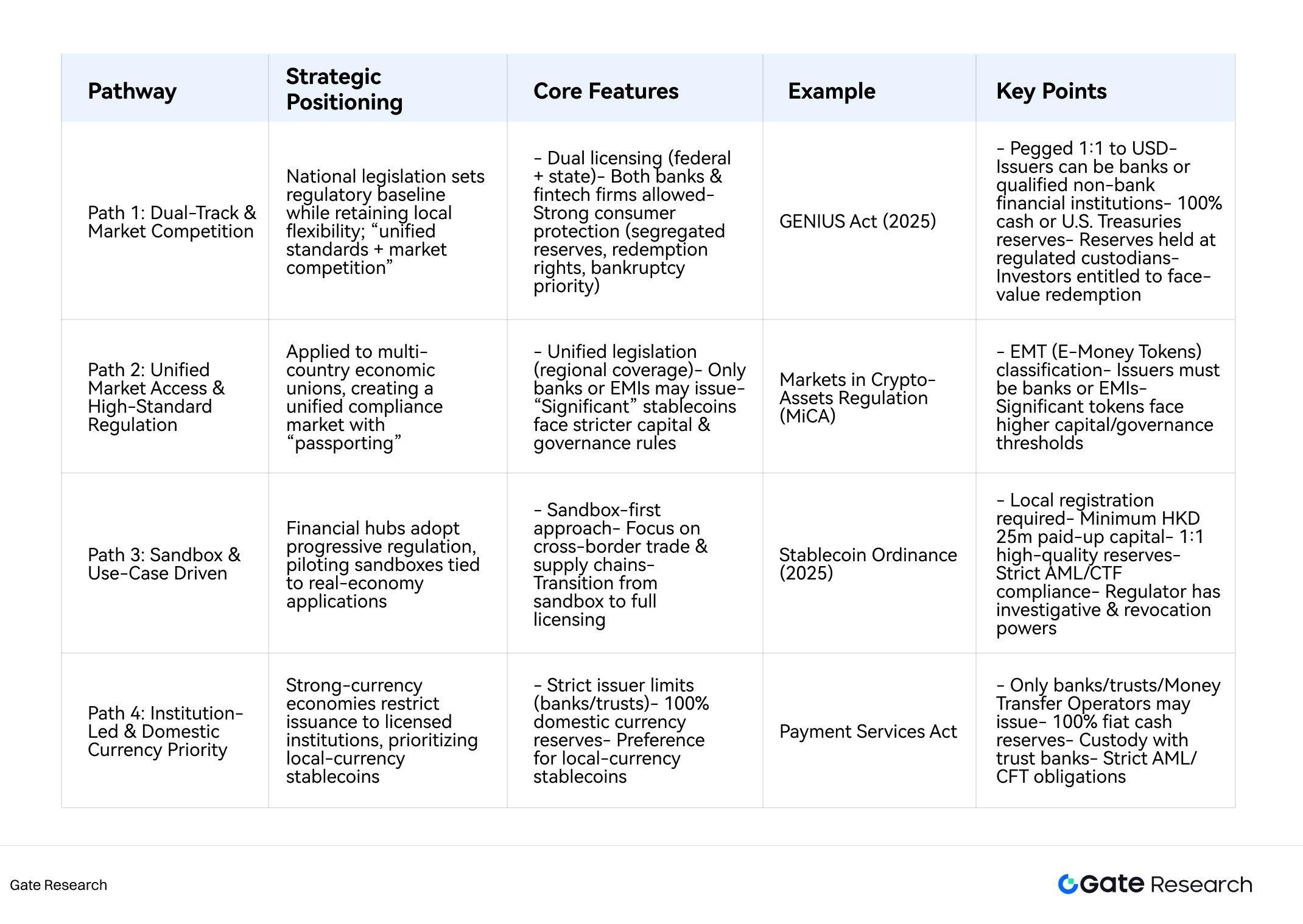
- Explosive Growth of the Stablecoin Market: As of August 2025, the global stablecoin market capitalization has surpassed $280 billion, representing a more than 660-fold increase since early 2019. On-chain annual settlement volumes have exceeded $30 trillion, placing stablecoins on par with SWIFT and Visa in transaction capacity. This surge has been driven by both regulatory momentum and the entry of major enterprises.
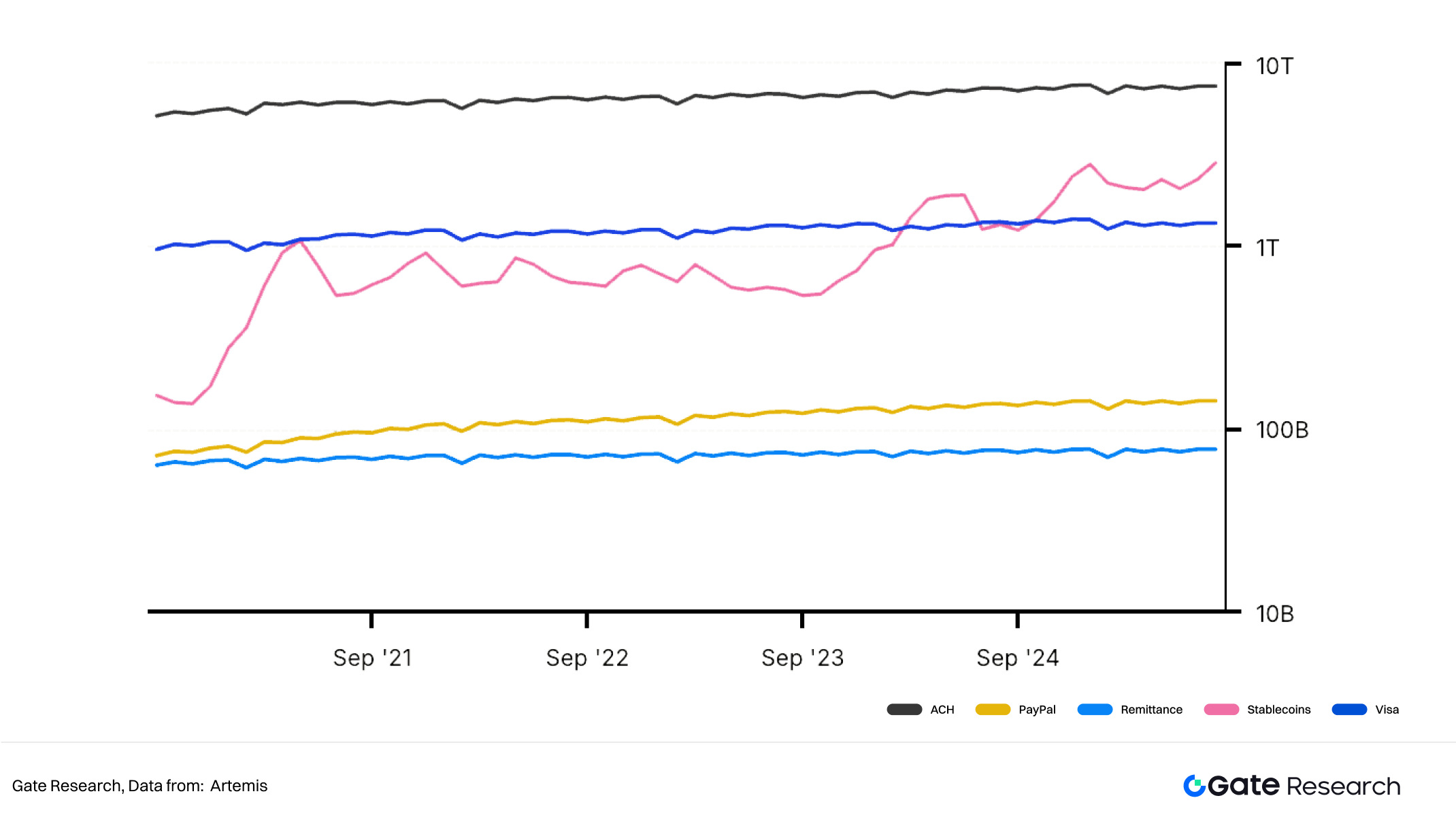
- Regulatory Acceleration and Compliance: The full implementation of the GENIUS Act, the Stablecoin Ordinance, and the MiCA framework, alongside diverse regulatory regimes in other jurisdictions, marks the beginning of the “Age of Compliance.” Stablecoins are moving toward institutionalization and mainstream adoption.
- Corporate Giants Enter the Arena: Traditional financial leaders such as PayPal, Visa, and Mastercard are actively integrating stablecoins into cross-border, retail, and enterprise payment systems, building multi-asset compatible payment networks.
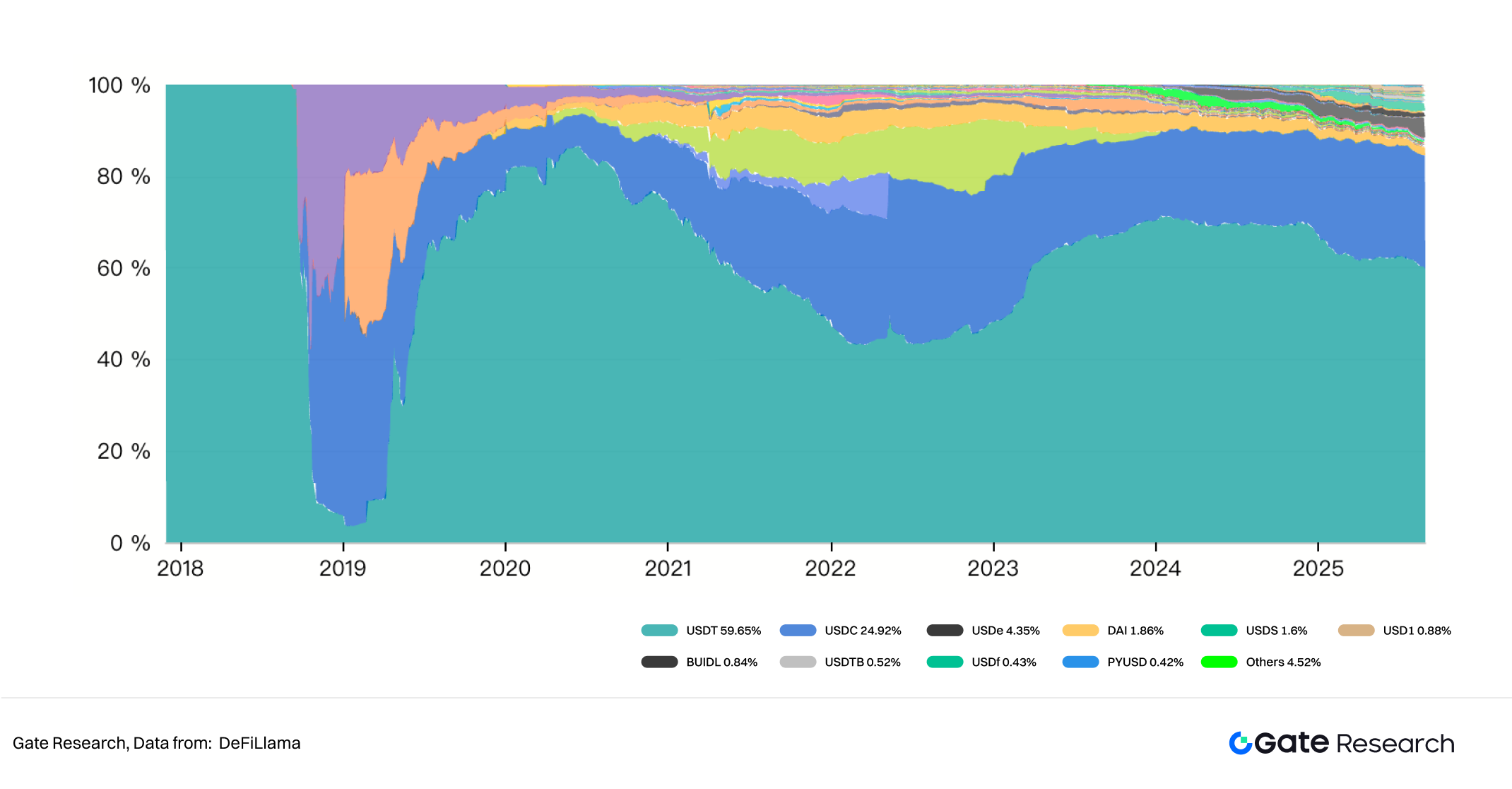
- Market Structure and Emerging Forces: While USDT and USDC remain dominant, USDC is more widely used in payments and settlements. Meanwhile, innovative yield-bearing stablecoins such as USDe (by Ethena Labs) are rising quickly, capturing significant market share in a short period.
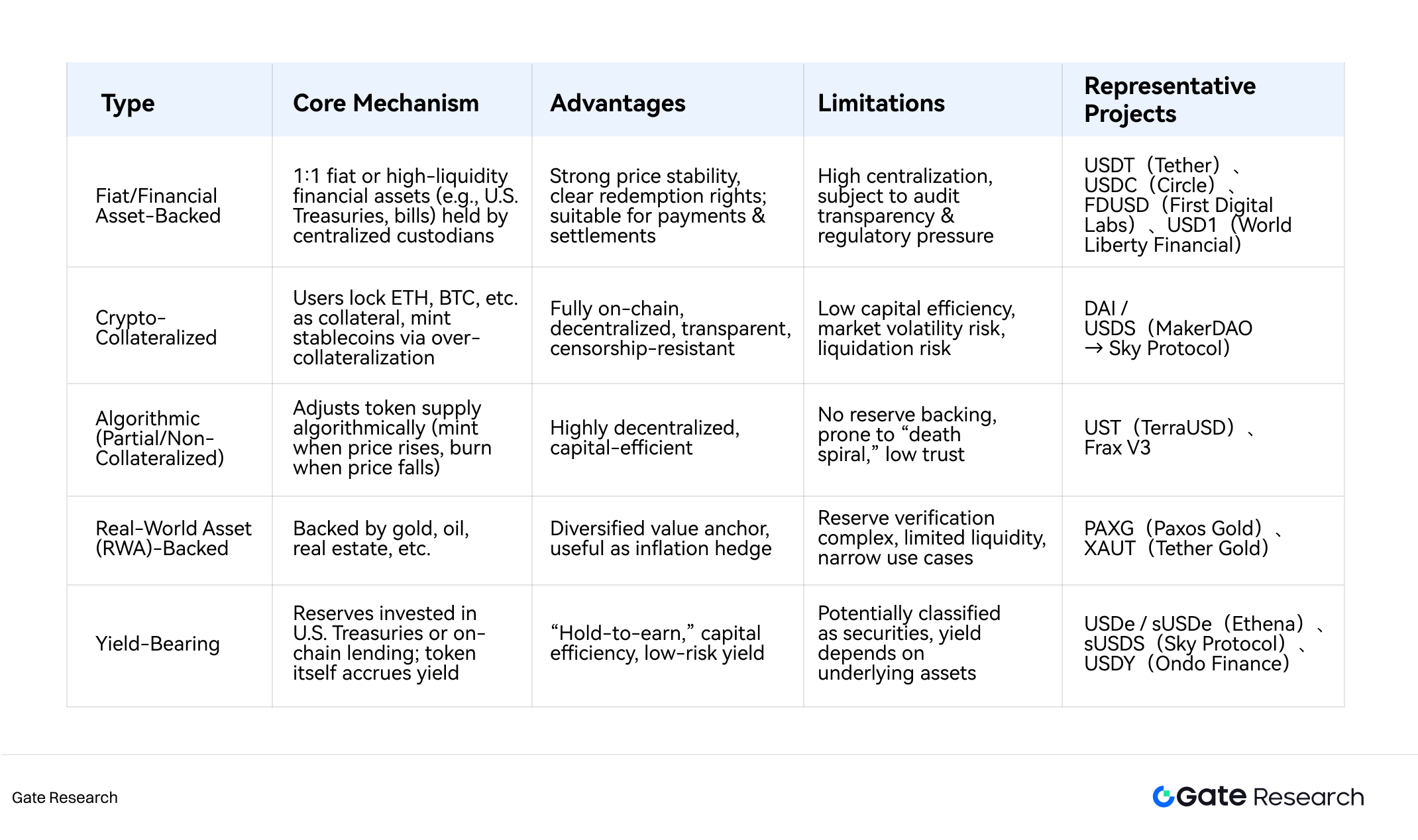
- The “Three-in-One” Model: Stablecoins are evolving from a single-use payment tool into a “Peg + Yield + Application” model. On the payment side, cross-border, enterprise, and retail use cases are expanding; on the yield side, yield-bearing and RWA-backed stablecoins are becoming key portfolio tools; on the application side, stablecoins are penetrating supply chain finance, payroll, and capital market collateralization, extending on-chain finance into the real economy.
- Infrastructure Competition Intensifies: The stablecoin race has shifted from “token competition” to “infrastructure competition.” Key players including Tether, Circle, Stripe, Alchemy Pay, and Converge are building proprietary blockchains to capture control over payment settlement “highways.”
- Future Pathways: Technologically, stablecoins will achieve cross-chain settlement and multi-chain compatibility; in markets, they will operate in parallel with traditional payment networks and enter capital markets through RWAs; institutionally, they will coexist with CBDCs under regulatory frameworks. Stablecoins are transitioning from explosive growth to compliance establishment, from token competition to infrastructure competition, and from U.S. dollar dominance to regional multipolarity. Over the next 3–5 years, those who first build a closed loop across compliance, infrastructure, and application ecosystems may define the next generation of the global value network.
(Click below to access the full report)Gate Research is a comprehensive blockchain and crypto research platform that provides readers with in-depth content, including technical analysis, hot insights, market reviews, industry research, trend forecasts, and macroeconomic policy analysis.
Disclaimer
Investing in the cryptocurrency market involves high risk. Users are advised to conduct independent research and fully understand the nature of the assets and products before making any investment decisions. Gate is not responsible for any losses or damages arising from such investment decisions.
Author: Ember, Audrey Zhou
Reviewer(s): Puffy, Shirley
Disclaimer
* The information is not intended to be and does not constitute financial advice or any other recommendation of any sort offered or endorsed by Gate.
* This article may not be reproduced, transmitted or copied without referencing Gate. Contravention is an infringement of Copyright Act and may be subject to legal action.