Smart Contracts: Definition and How They Work

What Are Smart Contracts
Smart contracts are self-executing programs with predefined conditions that automatically enforce agreements. This innovative technology streamlines digital processes, eliminates intermediaries, and enhances the efficiency of interactions between parties.
Nick Szabo, an American cryptographer and developer, is credited with introducing the concept of smart contracts. He first proposed the idea in 1994, long before modern blockchain technology emerged. Szabo described smart contracts as computerized transaction protocols that automatically execute contract terms.
The technology gained widespread adoption with Ethereum, the second-largest cryptocurrency by market capitalization. Launched in 2015, the Ethereum platform equipped developers with robust tools for building decentralized applications.
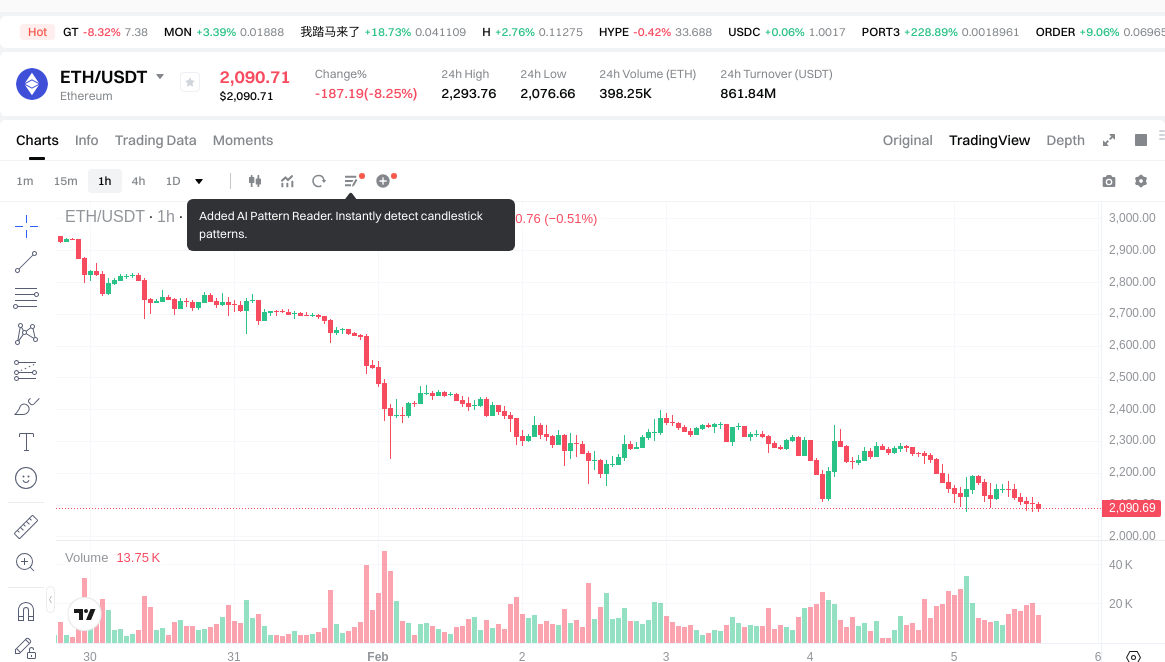 Ethereum’s solutions enabled developers to create smart contracts for diverse use cases using the Solidity programming language. This marked a new chapter in blockchain development, expanding its applications well beyond simple financial transactions.
How Smart Contracts Work
Smart contracts are pieces of software code in which developers predefine requirements and execution logic. Their workflow consists of several key stages:
Creation and Activation: Parties agree on contract terms and specify execution requirements. A developer or automated platform encodes this information and deploys the smart contract to the blockchain. Once activated, the contract becomes immutable and begins monitoring compliance with its conditions.
Data Acquisition: To function correctly, a smart contract requires current data such as account balances, asset prices, or other external parameters. The system connects to an oracle—a specialized service that supplies real-world information to the blockchain.
Execution: When the payment date arrives or specified conditions are met, the smart contract, via the oracle, queries relevant data sources. If the necessary assets are available or conditions are met, the contract automatically initiates fund transfers or other programmed actions. If requirements are not fulfilled, the contract does not execute and all parties receive notification.
Purpose of Smart Contracts
Smart contracts automate blockchain-based transactions and processes. Their core function is to guarantee transparent, secure, and efficient fulfillment of agreements without intermediaries.
They are widely used in financial services to automate payments, asset management, and lending. In logistics, smart contracts track goods and automate settlements when milestones are reached. They also have applications in insurance, real estate, supply chain management, and many other sectors.
Notably, smart contracts can interact with tokens across different blockchains, enabling cross-chain operations and expanding the capabilities of decentralized applications.
Smart Contract Characteristics
Programmability: Smart contract terms are flexible and customizable—developers tailor them to the specific needs of each project or business process. This allows for both simple contracts for basic operations and complex multi-layered systems for advanced tasks.
Trustlessness: Smart contracts on the blockchain remove the need for trust between parties or intermediaries. The contract code executes automatically based on programmed logic, eliminating human error and manipulation risk.
Autonomy: Smart contracts operate independently and execute programmed requirements automatically when conditions are met. No manual oversight or intervention is required.
Security: Contract terms and execution logic are protected by cryptographic methods. Blockchain data cannot be altered or forged without consensus from the network, ensuring strong protection against fraud.
Verifiability: Every smart contract operation is verifiable by any network participant, ensuring complete transparency and accountability.
Where Can Smart Contracts Be Used
Smart contracts have broad applicability across industries and social sectors:
Financial Services: Automating lending, managing investment portfolios, issuing and trading digital assets, decentralized exchanges, and crypto trading platforms.
Logistics and Supply Chains: Tracking goods from origin to consumer, automatic settlements at control points, and product authenticity verification.
Real Estate: Automating purchases and sales, managing rental payments, and tokenizing properties for easier investment.
Insurance: Automatic payouts for insured events, parametric insurance based on objective data (such as weather conditions for agriculture).
Healthcare: Secure storage and exchange of medical records, automating insurance payments, and managing access rights to sensitive medical information.
Intellectual Property: Automated royalty distribution, copyright protection, and management of content licensing.
Smart Contract Pros and Cons
Pros
Process Automation: Smart contracts fully automate routine workflows, freeing up resources for strategic tasks. This is especially valuable in fields with frequent repetitive operations.
Transparency: The technology makes contract enforcement fully transparent. Participants can check execution status and the history of all actions at any time.
Autonomous Oversight: The system independently monitors contract performance without human involvement, reducing the risk of subjective decisions and corruption.
Immutability: Smart contract data is permanently recorded on the blockchain. Parties cannot unilaterally alter contract terms after activation.
Security and Confidentiality: Financial transactions are anonymous and secure thanks to cryptographic protections.
Reduced Errors: Automated execution eliminates human errors in data handling and transaction processing.
Streamlined Documentation: Digitizing agreements accelerates document flow and simplifies recordkeeping, eliminating paper-based documentation.
Cost Savings: Removing intermediaries and automating processes significantly reduces transaction costs.
Cons
Software Bug Risks: Even minor bugs in smart contract code can result in major financial losses. Once deployed, errors are extremely difficult or impossible to fix.
Development Costs: Building secure and reliable smart contracts may require hiring skilled developers, increasing project expenses.
Lack of Legal Framework: Most jurisdictions lack clear legal standards for smart contracts, raising uncertainty about their enforceability.
Oracle Vulnerabilities: Reliance on external data sources (oracles) introduces potential weaknesses, as inaccurate data can trigger incorrect contract execution.
Difficulty of Modification: Once activated, contract terms cannot be changed. This can be problematic if circumstances shift and parties need to update their agreement.
Technical Limitations: Some blockchains have transaction speed and data capacity constraints, making it challenging to use smart contracts for complex tasks.
Conclusion
Smart contracts are a versatile and forward-looking technology that automates a wide array of processes across industries. They unlock new opportunities for business efficiency, cost reduction, and the creation of transparent, equitable systems.
However, smart contracts also present significant challenges and limitations that must be addressed during implementation. Many issues can be mitigated through robust legal frameworks, improved security standards, and diligent programming and testing practices.
As technology matures and practical experience accumulates, smart contracts will see broader adoption and integration into daily life. Key success factors will include enhanced reliability, easier creation and use, and the development of clear legal standards for regulating this innovative technology.
FAQ
What Are Smart Contracts and How Do They Differ From Traditional Contracts?
Smart contracts are self-executing programs on the blockchain that require no intermediaries. Unlike traditional contracts, they enforce terms exactly as coded and do not rely on third-party trust.
How Do Smart Contracts Work? What Is Their Execution Process?
Smart contracts are distributed over a P2P blockchain network, automatically fulfill preset conditions, and are recorded immutably, ensuring transparency and security.
What Are the Practical Applications of Smart Contracts?
Smart contracts are used in finance, voting, real estate, supply chain management, and other sectors. They increase efficiency and transparency by automatically executing predefined terms.
Are Smart Contracts Secure? What Risks and Vulnerabilities Exist?
Smart contracts have security risks. Vulnerabilities include integer overflow, coding errors, and logic flaws. Past breaches (such as TheDAO in 2016) highlight the need for thorough audits and testing before deployment.
What Are the Differences Between Smart Contracts on Ethereum and Other Blockchain Platforms?
Ethereum supports advanced logic with the EVM, enabling sophisticated applications. Other platforms use different virtual machines and programming languages, which impact smart contract features and performance.
How Do You Write and Deploy Smart Contracts? Which Programming Language Is Required?
Solidity and Vyper are used to write smart contracts. Solidity is most popular; Vyper focuses on enhanced security. Deploy contracts on Ethereum using Web3.js or Ethers.js.
Smart Contracts: What Are They and How Do They Work — Can You Modify a Smart Contract After Deployment?
No, smart contracts cannot be changed after deployment. Any updates require a new contract; the original remains unchanged, ensuring transparency and code security.
What Is a Gas Fee for Smart Contracts and How Is It Calculated?
Gas fees depend on code complexity and the gas price. More complex contracts require more gas. The total fee is calculated by multiplying the amount of gas used by its price.
Share
Content
How to Buy Cryptocurrency


Trending Cryptocurrencies



XZXX: A Comprehensive Guide to the BRC-20 Meme Token in 2025

Survey Note: Detailed Analysis of the Best AI in 2025

Detailed Analysis of the Best 10 GameFi Projects to Play and Earn in 2025

Kaspa’s Journey: From BlockDAG Innovation to Market Buzz

Best Crypto Wallets 2025: How to Choose and Secure Your Digital Assets
Popular GameFi Games in 2025

How to Track Crypto Holdings and Capital Flow: Exchange Net Flows, Staking Rates, and Institutional Positions Explained
ARCA vs DYDX: A Comprehensive Comparison of Two Leading Decentralized Exchange Protocols
HINT vs FIL: A Comprehensive Comparison of Two Innovative Blockchain Storage Solutions

What drives WMTX price volatility: support at $0.070 and resistance at $0.085-$0.090 in 2026

How to Analyze On-Chain Data: Active Addresses, Transaction Volume, Whale Distribution, and Gas Fee Trends