I. Localized Escalation, Not All-Out War
Since Donald Trump announced the US withdrawal from the Joint Comprehensive Plan of Action in 2018, US-Iran relations have entered a prolonged cycle of “sanctions, countermeasures, and proxy conflicts.” Tensions periodically escalate, but the situation has never spiraled out of control.
Timeline Overview
Background Buildup (2024–2025): Nuclear negotiations stall, the US maintains sanctions, and Israel persists with low-intensity strikes on Iran-linked targets. Red Sea shipping risks resurface repeatedly. The conflict remains at a “low-intensity, normalized” level.
Escalation Trigger (Mid-February 2026): Israel intensifies military operations, Iran signals a hardline response, and regional proxy activity increases. Markets rapidly price in a geopolitical risk premium.
US Limited Involvement (Late February): The US conducts “deterrent strikes” but avoids ground war or full-scale mobilization. Official statements stress “preventing escalation” rather than widening the conflict.
Shipping Risks Rise: Risks in the Strait of Hormuz and Red Sea increase, but no long-term blockade emerges. Oil price gains are driven more by “supply expectations” than actual disruptions.
II. Geopolitical Structure: Why Full-Scale Escalation Is Unlikely
1. The Practical Constraints of a Three-Way Game
The conflict structure operates on three levels:
- US-Iran strategic rivalry
- Israel-Iran security confrontation
- Gulf states’ balancing strategies
In recent years, Gulf states have adopted a “multilateral balancing diplomacy” approach—maintaining security cooperation with the US, improving ties with Iran, and deepening economic engagement with major Asian economies. This dynamic makes them more inclined to act as stabilizers rather than active participants in the conflict.
2. The Strategic Role of the Strait of Hormuz
The Strait of Hormuz is a critical chokepoint for global energy, handling about 20% of international crude oil trade. If a significant blockade occurs:
- Global oil prices would quickly reflect supply shocks
- Marine insurance costs would surge
- Emerging market inflation would intensify
Historically, Iran has used the “threat of blockade” as leverage rather than imposing an actual, sustained blockade, since the latter would invite a far larger military response.
III. Gulf States: Short-Term Gains, Rising Long-Term Uncertainty
1. Fiscal Impact: Direct Benefits of Higher Oil Prices
For oil producers like Saudi Arabia, the UAE, and Qatar:
- Higher oil prices → increased fiscal revenue
- Stronger asset allocation capacity for sovereign wealth funds
- Reduced fiscal deficit pressure
However, these benefits are conditional—if oil prices rise amid a global recession, demand destruction will offset the gains.
2. Financial Capital Flows
Rising conflict typically results in:
- Global funds flowing into dollar assets
- Capital outflows from emerging markets
- Short-term pressure on Gulf equity markets
Gulf sovereign wealth funds are heavily invested in US and global equities, so a global market correction would amplify their portfolio volatility.
3. Inflation and Imported Risks
For Gulf economies reliant on imports:
- Higher oil prices boost fiscal revenue
- But import costs and inflation also rise
Thus, higher oil prices are not a one-way benefit but have a complex, structural impact.
IV. Asset Market Transmission Mechanisms
Geopolitical conflict impacts asset prices through four main channels:
- Supply expectations
- Risk appetite
- Liquidity expectations
- Inflation expectations
Different asset classes are affected to varying degrees.
V. Crude Oil: The Most Sensitive Core Asset
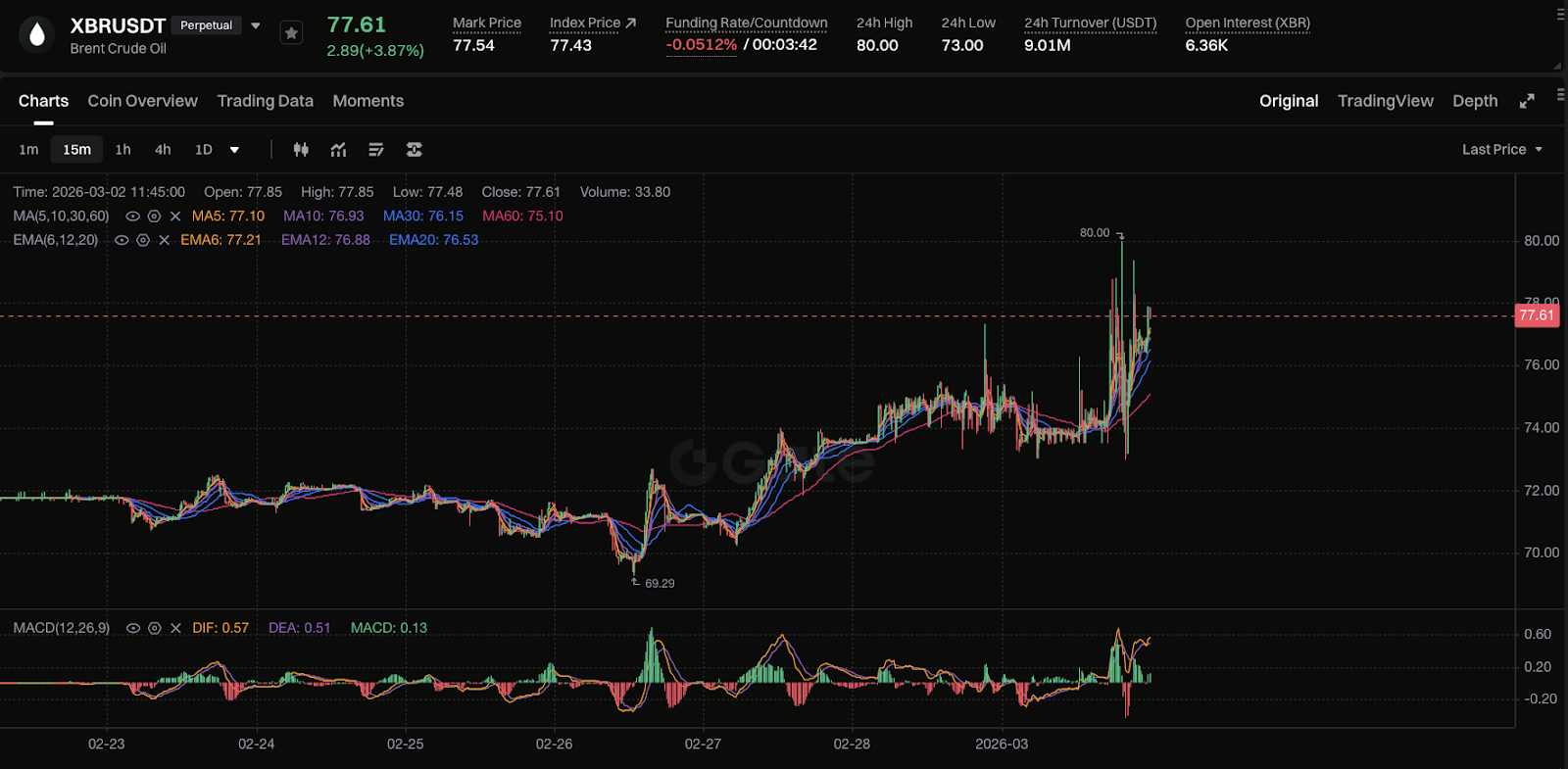
Crude oil prices are driven by whether supply is materially impacted.
Scenario 1: Localized Conflict
- Oil prices rise 5–15%
- Then enter a period of high volatility
Scenario 2: Shipping Disruption
- Insurance costs soar
- Oil prices may break through key psychological levels
Importantly, if oil prices rise too high, global demand will contract and economic growth will slow, leading to “self-correction.”
VI. Gold: Enhanced Traditional Safe-Haven
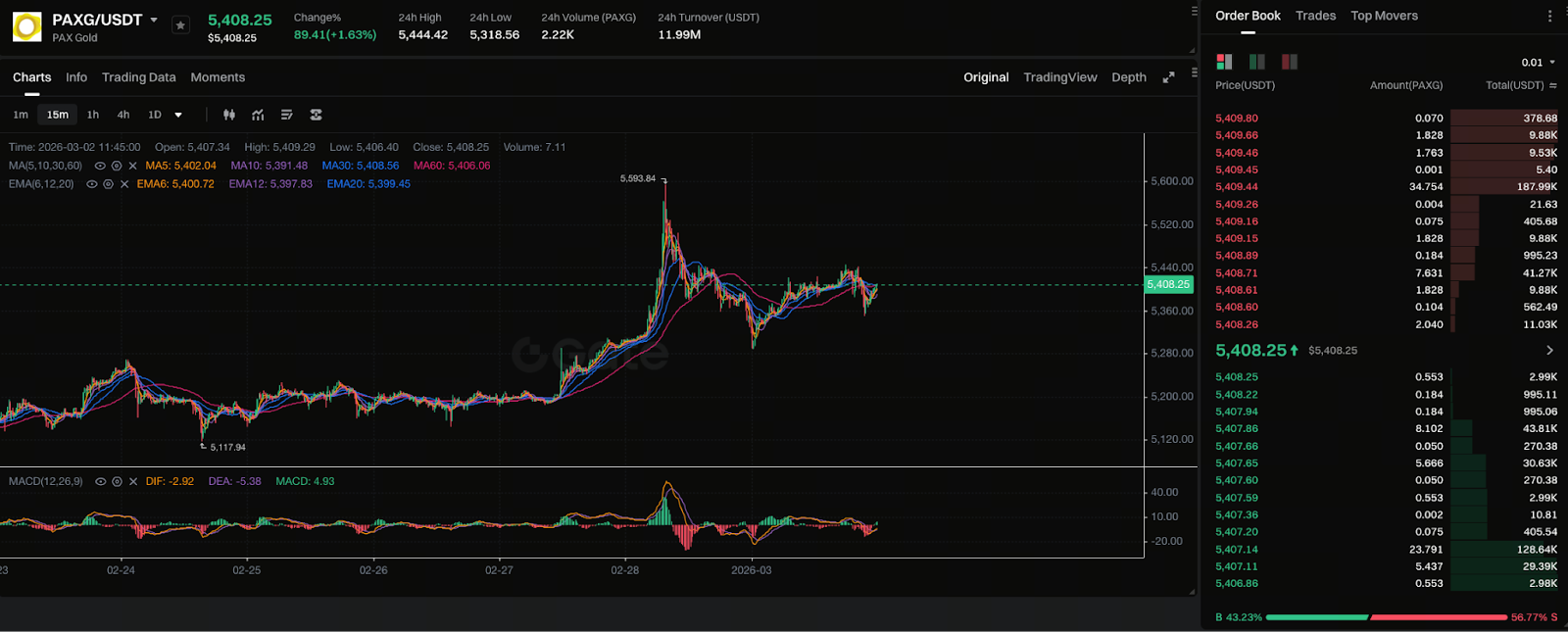
The rise in gold prices is fueled by:
- Risk-off sentiment
- Shifts in real dollar interest rate expectations
- Global central bank gold buying
Gold typically benefits in the short term. But if tensions ease and risk premiums fade, gold can quickly give back gains.
Gold acts more as a “volatility amplifier” than a one-way trend asset.
VII. BTC: Risk Asset or Digital Gold?
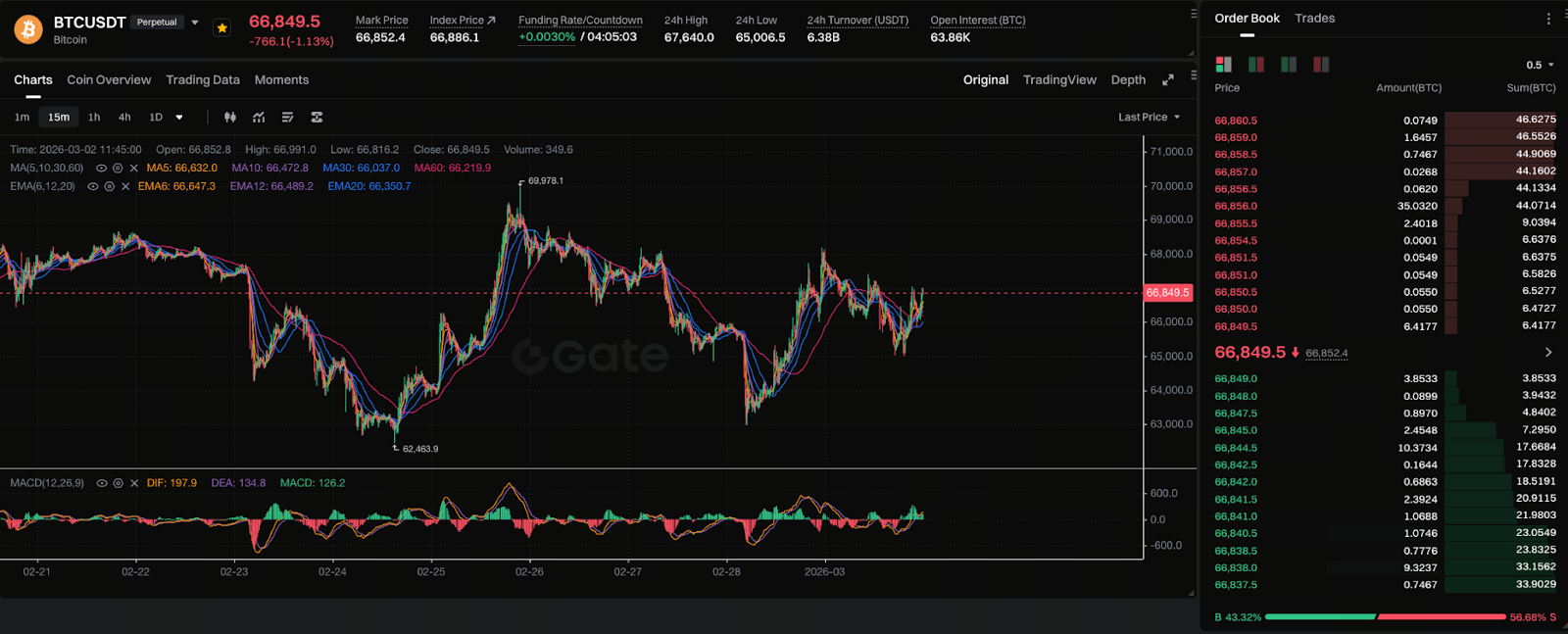
Bitcoin typically acts as a risk asset in the initial phase of conflict:
- Leverage is unwound
- Liquidity contracts
- Moves in sync with US equities
Mid-term performance depends on the macro liquidity environment:
- If conflict prompts central banks to ease policy
- Or fiscal expansion lifts inflation expectations
BTC may benefit, acting more like a “liquidity asset” than a pure safe haven.
VIII. Macro Policy Transmission: Rates and Liquidity Expectations
If conflict persists:
- Inflation rises → central banks face policy dilemmas
- Growth slows → easing expectations build
- US Treasury yields become more volatile
Ultimately, the key variable for asset markets remains “liquidity.”
IX. Asset Pricing: From “Risk Premium” to “Structural Repricing”
In geopolitical crises, asset prices do not respond in a simple binary manner. Instead, pricing evolves dynamically based on conflict duration, supply disruption, and policy response.
1. The Underlying Pricing Logic for Three Core Assets
| Asset Class | Core Characteristic | Early-Stage Transmission Path | Decisive Variable |
|---|
| Crude Oil | Emotion Amplifier | Trades on “supply disruption expectations,” with risk premium rapidly driving up prices | Actual navigational status of the Strait of Hormuz |
| Gold | Real Interest Rate Hedge | Short-term gains driven by risk aversion, constrained by real US rates | Whether monetary policy pivots (inflation vs. growth) |
| BTC | Liquidity Asset | High-leverage, decentralized; initially corrects with other risk assets | Global liquidity and macro policy expectations |
2. Three Scenarios for Conflict Evolution
As events unfold, markets shift from “psychological games” to “fundamental restructuring”:
Scenario 1: Deterrence Balance (Rapid De-escalation)
Features: After brief military exchanges, all sides return to deterrence; shipping is not materially disrupted.
Asset Performance: “Sharp rally, followed by retracement.”
- Risk premiums in crude oil and gold vanish quickly; prices revert to fundamentals
- Equities and BTC rebound as risk appetite recovers
Logic: The market realizes the “wolf didn’t come,” and pricing returns to Fed policy and economic data.
Scenario 2: Structural Stalemate (Prolonged Low-Intensity Conflict)
Features: Conflict becomes “the new normal,” shipping insurance stays high, sporadic attacks persist.
Asset Performance: “High volatility, wide fluctuations.”
- Crude oil holds in the $85–$95 range (for reference only, not investment advice) as a geopolitical base asset
- Gold fluctuates between safe-haven demand and high-rate headwinds, with an upward bias
- Equity valuations face pressure from uncertainty; volatility (VIX) rises
Logic: Markets price in “normalized premiums,” with focus shifting to inflation trends.
Scenario 3: Extreme Shock (Expanded Regional War)
Features: Strait of Hormuz is blockaded or energy facilities are severely damaged; multiple countries intervene directly.
Asset Performance: “Systemic repricing.”
- Crude Oil: Surges, breaking key psychological thresholds and triggering a global inflation wave
- Gold: If recession is expected, gold breaks from rate constraints and enters a strong rally
- BTC: First, liquidity dries up and BTC falls sharply; later, if central banks inject massive liquidity, BTC may start a liquidity-driven rally
Logic: The focus shifts from “trading risk” to “trading survival,” as global supply chains and monetary systems are restructured.
Conclusion: The Real Variable Is Liquidity, Not the Battlefield
History shows that monetary policy changes have a greater long-term impact on asset prices than war. The true drivers of medium- and long-term trends in gold, crude oil, and BTC are not isolated conflicts, but rather:
- The direction of global liquidity
- The inflation path
- Economic growth expectations
Geopolitical conflict is just a trigger, not the decisive variable.