

Trade
Basic
Futures
Futures
Hundreds of contracts settled in USDT or BTC
TradFi
Gold
Trade global traditional assets with USDT in one place
Options
Hot
Trade European-style vanilla options
Unified Account
Maximize your capital efficiency
Demo Trading
Futures Kickoff
Get prepared for your futures trading
Futures Events
Participate in events to win generous rewards
Demo Trading
Use virtual funds to experience risk-free trading
Earn
Launch
CandyDrop
Collect candies to earn airdrops
Launchpool
Quick staking, earn potential new tokens
HODLer Airdrop
Hold GT and get massive airdrops for free
Launchpad
Be early to the next big token project
Alpha Points
Trade on-chain assets and enjoy airdrop rewards!
Futures Points
Earn futures points and claim airdrop rewards
Investment
Simple Earn
Earn interests with idle tokens
Auto-Invest
Auto-invest on a regular basis
Dual Investment
Buy low and sell high to take profits from price fluctuations
Soft Staking
Earn rewards with flexible staking
Crypto Loan
0 Fees
Pledge one crypto to borrow another
Lending Center
One-stop lending hub
VIP Wealth Hub
Customized wealth management empowers your assets growth
Private Wealth Management
Customized asset management to grow your digital assets
Quant Fund
Top asset management team helps you profit without hassle
Staking
Stake cryptos to earn in PoS products
Smart Leverage
New
No forced liquidation before maturity, worry-free leveraged gains
GUSD Minting
Use USDT/USDC to mint GUSD for treasury-level yields

More


Bitwise CIO: The "Full Crypto Winter" masked by institutional funds is now nearing the end rather than the beginning
3m ago
U.S. stocks edge slightly higher in pre-market trading, with most of the seven major tech stocks rising
5m ago
Trending Topics
View More9.58K Popularity
6.58K Popularity
4.58K Popularity
409 Popularity
2.22K Popularity
Hot Gate Fun
View More- MC:$2.8KHolders:00.00%
- MC:$0.1Holders:00.00%
- MC:$2.82KHolders:10.00%
- MC:$0.1Holders:10.00%
- MC:$2.84KHolders:10.00%




Pin
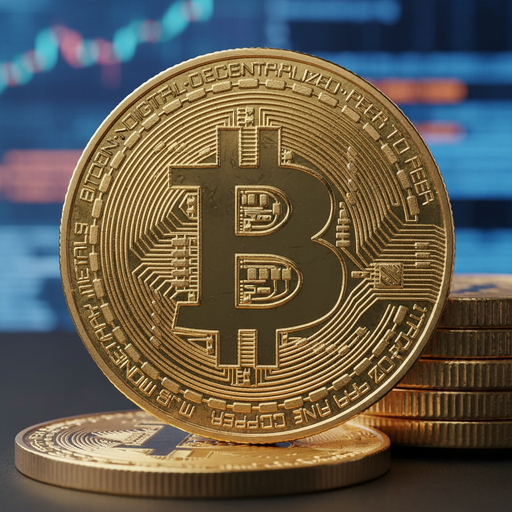
ING Germany opens Bitcoin, Ethereum, and Solana ETP channels to retail investors, as traditional banks accelerate their crypto asset strategies
On February 3rd, it was announced that Germany’s major retail bank ING Germany has officially opened channels for exchange-traded notes (ETNs) and related products linked to cryptocurrencies for individual clients, allowing retail investors to directly participate in the price performance of Bitcoin, Ethereum, and Solana through the banking system. This move is seen as an important signal that traditional European financial institutions are accelerating their embrace of digital assets.
According to official disclosures, these products are issued by providers such as 21Shares, Bitwise, and VanEck. They are all physically-backed instruments that track the prices of the respective cryptocurrencies and are traded on regulated markets via ING’s Direct Depot platform. Customers do not need to manage private keys or set up third-party wallets; they can complete configuration and trading within familiar securities accounts.
Martijn Rozemuller, CEO of VanEck Europe, stated that this initiative provides a new pathway for investors who want to enter the crypto market but prefer traditional custody structures. “Many users want to allocate digital assets within the existing securities system while enjoying transparent cost structures and compliance frameworks.”
ING also pointed out that in Germany, the tax treatment of these ETNs is similar to that of directly holding cryptocurrencies. If the position is held for more than one year, some cases may qualify for capital gains tax exemption, which is also an important factor attracting long-term investors.
However, the bank also highlighted several risks in the product descriptions, including high price volatility, the potential for total loss if the issuer goes bankrupt, insufficient liquidity, market manipulation, and regulatory policy changes. ING explicitly states on its investor education page that cryptocurrencies are inherently highly speculative assets, with prices largely dependent on market sentiment.
As a large Dutch financial group with a history dating back to the 18th century, ING has been continuously expanding its digital asset initiatives in recent years. In September last year, the bank also collaborated with several European banks to promote a euro stablecoin project, aiming to establish a new standard for cross-border payments. The introduction of Bitcoin, Ethereum, and Solana-linked products in the German retail sector demonstrates that traditional banks are accelerating their penetration into the crypto finance field.