

Trade
Basic
Futures
Futures
Hundreds of contracts settled in USDT or BTC
TradFi
Gold
Trade global traditional assets with USDT in one place
Options
Hot
Trade European-style vanilla options
Unified Account
Maximize your capital efficiency
Demo Trading
Futures Kickoff
Get prepared for your futures trading
Futures Events
Participate in events to win generous rewards
Demo Trading
Use virtual funds to experience risk-free trading
Earn
Launch
CandyDrop
Collect candies to earn airdrops
Launchpool
Quick staking, earn potential new tokens
HODLer Airdrop
Hold GT and get massive airdrops for free
Launchpad
Be early to the next big token project
Alpha Points
Trade on-chain assets and enjoy airdrop rewards!
Futures Points
Earn futures points and claim airdrop rewards
Investment
Simple Earn
Earn interests with idle tokens
Auto-Invest
Auto-invest on a regular basis
Dual Investment
Buy low and sell high to take profits from price fluctuations
Soft Staking
Earn rewards with flexible staking
Crypto Loan
0 Fees
Pledge one crypto to borrow another
Lending Center
One-stop lending hub
VIP Wealth Hub
Customized wealth management empowers your assets growth
Private Wealth Management
Customized asset management to grow your digital assets
Quant Fund
Top asset management team helps you profit without hassle
Staking
Stake cryptos to earn in PoS products
Smart Leverage
New
No forced liquidation before maturity, worry-free leveraged gains
GUSD Minting
Use USDT/USDC to mint GUSD for treasury-level yields

More


Nasdaq futures fell by 1%, and Alphabet's stock price dropped by 5% in pre-market trading.
6m ago
In January, the number of layoffs in the United States surged, reaching the highest level for the month in 17 years
15m ago
Trending Topics
View More76.48K Popularity
4.72K Popularity
1.66K Popularity
2.29K Popularity
6.02K Popularity




Pin
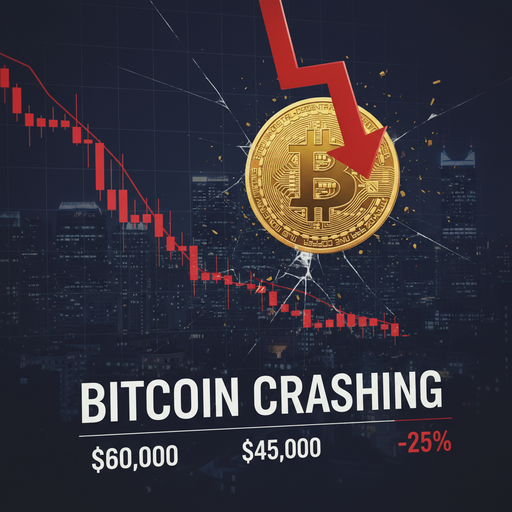
Analysis: Bitcoin's current price is about 20% below the average production cost, and miners are entering a "surrender" phase.
PANews February 5 News, according to Coindesk, Checkonchain data shows that Bitcoin’s current price is approximately $70,000, which is below its estimated average production cost of about $87,000, a gap of around 20%. Historically, Bitcoin prices remaining below production costs is often a characteristic of a bear market, a situation that has occurred during the market cycles of 2019 and 2022. After reaching a historical peak of approximately 1.1 ZH/s in network hash rate last October, the hash rate dropped by about 20% due to the shutdown of less efficient mining rigs, but has recently rebounded to 913 EH/s, showing initial signs of stabilization. However, at the current price, many miners are still operating at a loss. To sustain daily operations, cover energy costs, and repay debts, miners continue to sell their Bitcoin reserves. This “miner capitulation” phenomenon highlights that the industry still faces ongoing financial pressures.