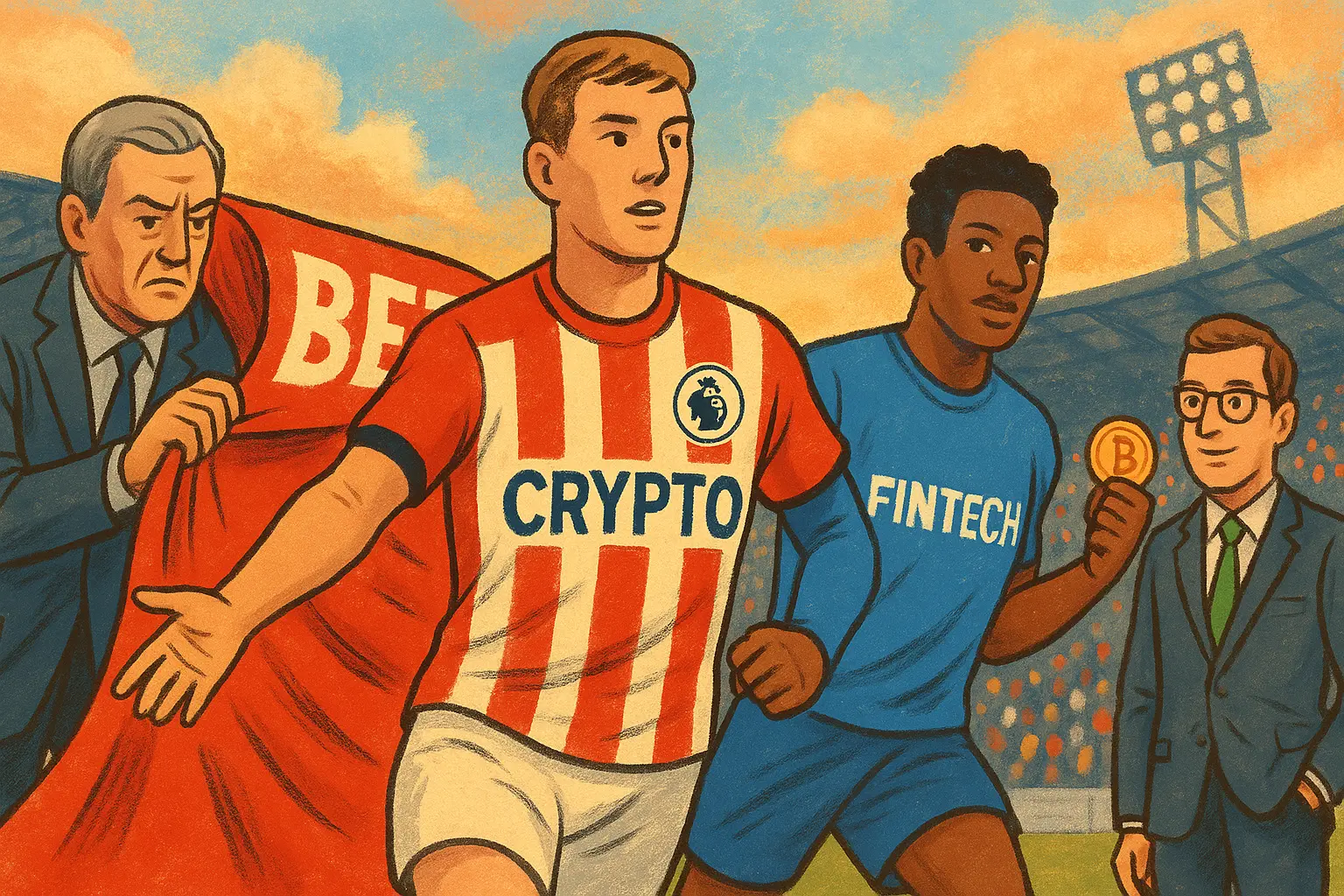
The 2025/26 Premier League season will be the last in which betting brands appear on the front of club shirts. Of the 20 clubs, 11 have already confirmed that, starting with the 2026/27 season, they will remove betting sponsorship logos. Each relevant commercial partnership is worth more than £140 million per season. This voluntary ban stems from an agreement reached by the clubs in 2023; the UK government has launched a legislative consultation aimed at comprehensively banning all forms of sponsorship from unlicensed betting operators for UK sports organizations.
A two-track ban: differences in oversight between voluntary agreements and government legislation
The Premier League betting shirt ban is currently progressing via two parallel tracks, with significant differences in coverage and enforcement intensity.
Under the voluntary agreement reached between clubs in 2023, betting brands may not appear on the front of shirts starting with the 2026/27 season. However, licensed betting operators are still allowed to retain sponsorship eligibility for sleeve cuffs, training wear, venue advertising hoardings, and LED advertising spots along the pitch.
In a consultation statement, UK Culture Minister Lisa Nandy said plainly that allowing unlicensed betting operators to sponsor top-flight English football clubs “is wrong,” because it may steer fans toward overseas gambling platforms that do not meet UK regulatory standards. The government’s proposed ban would have broader coverage, aiming to close in one move the regulatory loophole that allows offshore, unlicensed bookmakers to maintain brand exposure through other channels.
Financial shock: clubs in the middle and lower tiers face the toughest revenue pressure
According to an ESK industry audit report, betting brands account for £95 million, or 23.3%, within the £408 million Premier League shirt front sponsorship market. For some affected clubs, betting sponsorship makes up 28% to 38% of their total commercial revenue, serving as a structurally core source of income.
The 11 clubs hit hardest are mainly concentrated in the lower part of the league, sharply contrasting with the top “Sky Six.” Arsenal (Emirates), Manchester City (Etihad), Manchester United (Qualcomm), Liverpool (Standard Chartered), and Tottenham (AIA) all hold long-term non-betting top deals; due to an inability to finalize an agreement reportedly worth £65 million, Chelsea had no front-of-shirt sponsor at the start of this season.
Reports indicate that West Ham United, hovering in the relegation zone, has approached high-end car brands to negotiate replacement deals, but so far no agreement has been reached. The industry describes it as “not good” for a football league with the highest global viewership rates—if there are still clubs wearing shirts with a “blank on the chest” when the 2026/27 season kicks off.
Crypto and financial technology brands: the main competitors moving in to replace betting ad space
ESK’s analysis shows that on the season-opening weekend of 2025/26, there were 27,440 Premier League reports related to betting across television, radio, and social media, with fewer than 10% originating from shirt sponsorships—indicating that the actual share of shirt advertising in betting promotion is lower than outsiders had expected.
With betting ad space becoming available, cryptocurrency platforms, forex traders, financial technology companies, and payroll service providers have become the main competitors for replacing sponsorship contracts. The global exposure needs of crypto brands align closely with the Premier League’s audience of hundreds of millions, and the industry views them as one of the most promising categories to replace betting sponsorships.
At the top-deal level, Manchester United and Qualcomm have signed a £235 million contract; Manchester City and Etihad’s new agreement is reported to run for up to 10 years with a total value of as much as £1 billion, and could become the largest single commercial partnership in the history of UK sports.
FAQ
When does the Premier League betting shirt ban officially take effect?
In 2023, Premier League clubs reached a voluntary agreement requiring that, starting with the 2026/27 season, betting brand logos may not appear on the front of shirts. Licensed betting operators can still keep sponsorship eligibility for sleeve cuffs, training wear, and venue advertising, but the UK government’s consultation proposal would further expand the ban to all promotional channels.
What are the specific differences between the UK government’s proposed new rules and the voluntary ban?
The voluntary ban applies only to the front of shirts and only targets all betting brands. The UK government’s consultation proposal targets unlicensed (typically offshore) betting operators and plans to prohibit them from sponsoring UK sports organizations in all forms, including sleeve cuffs, training wear, and venue advertising spaces—covering more ground and with stronger enforcement.
Which types of brands are seen as potential replacements for betting sponsorship?
Cryptocurrency platforms, forex traders, financial technology companies, and payroll service providers are currently the most actively vying for the Premier League’s vacant ad space. Crypto brands are especially viewed as high-priority candidates; the global exposure value of the Premier League aligns closely with the mainstream brand-building needs of crypto companies.
Disclaimer: The information on this page may come from third parties and does not represent the views or opinions of Gate. The content displayed on this page is for reference only and does not constitute any financial, investment, or legal advice. Gate does not guarantee the accuracy or completeness of the information and shall not be liable for any losses arising from the use of this information. Virtual asset investments carry high risks and are subject to significant price volatility. You may lose all of your invested principal. Please fully understand the relevant risks and make prudent decisions based on your own financial situation and risk tolerance. For details, please refer to
Disclaimer.


