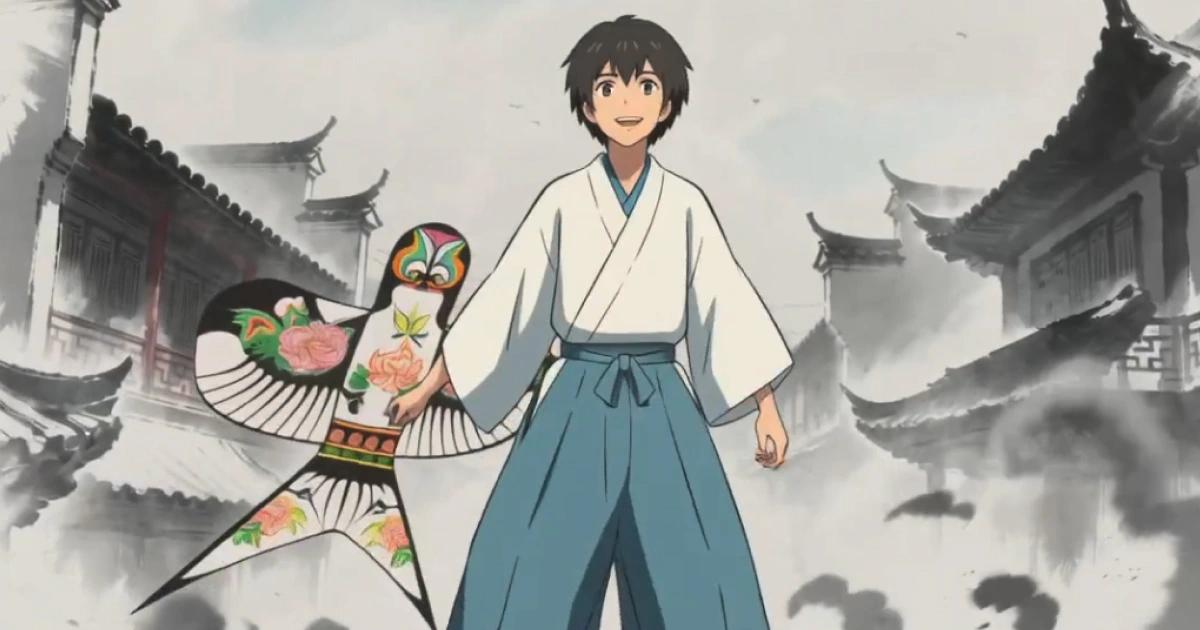
Once popular, ByteDance’s AI video model Seedance 2.0 has been suspended globally due to copyright infringement issues with Disney and criticism from the American film and television union. Emergency safety measures have been added to prevent the generation of unauthorized copyrighted content.
Seedance 2.0 Global Launch Suspended Amid Copyright Controversy
According to sources cited by The Information, ByteDance, TikTok’s parent company, has paused the global rollout of its AI video generation model Seedance 2.0 after a copyright dispute with Hollywood studios. Reuters has not yet confirmed this news, and ByteDance has not issued an immediate comment.
Disney and Film Unions Strongly Condemn Seedance 2.0
ByteDance launched Seedance 2.0 in February this year, targeting professional film, television, and advertising uses. Because the generated results appear capable of accurately capturing the characteristics of real human videos, even to the point of deception, it was quickly praised by many Chinese internet users and AI enthusiasts.
Seedance 2.0 is often compared to Chinese AI company DeepSeek. Tech leaders like Tesla CEO Elon Musk have also praised its ability to generate cinematic stories from minimal prompts.
Meanwhile, many users discovered that Seedance 2.0 could generate numerous copyrighted materials. Disney also took action that month, sending cease-and-desist and termination notices to ByteDance, accusing it of unauthorized use of Disney characters to train models and downloading pirated databases of Star Wars, Marvel, and other characters.
The U.S. Screen Actors Guild-American Federation of Television and Radio Artists (SAG-AFTRA) and the Motion Picture Association (MPA) quickly joined the criticism. The actors’ union stated that unauthorized generated content threatens actors’ livelihoods. Union president Sean Astin is himself a victim; AI videos of his role as Samwise Gamgee in The Lord of the Rings are widely circulated online. Additionally, fake images of Brad Pitt and Tom Cruise in heated battles are also circulating, criticized for ignoring consent principles.
- **Related report: Seedance fake videos go viral, even affecting Sanae Hiromi, prompting Disney and Hollywood to crack down
Japanese Minister and Chinese Influencers Speak Out
Japanese Minister of Economy, Security, and Public Safety Noriaki Onodera stated at a February press conference that she observed videos on social media depicting Ultraman and Detective Conan characters fighting with Japan’s Prime Minister. She emphasized that the government will not sit idly by and has instructed relevant departments to assess whether to take action under Japan’s AI Law.
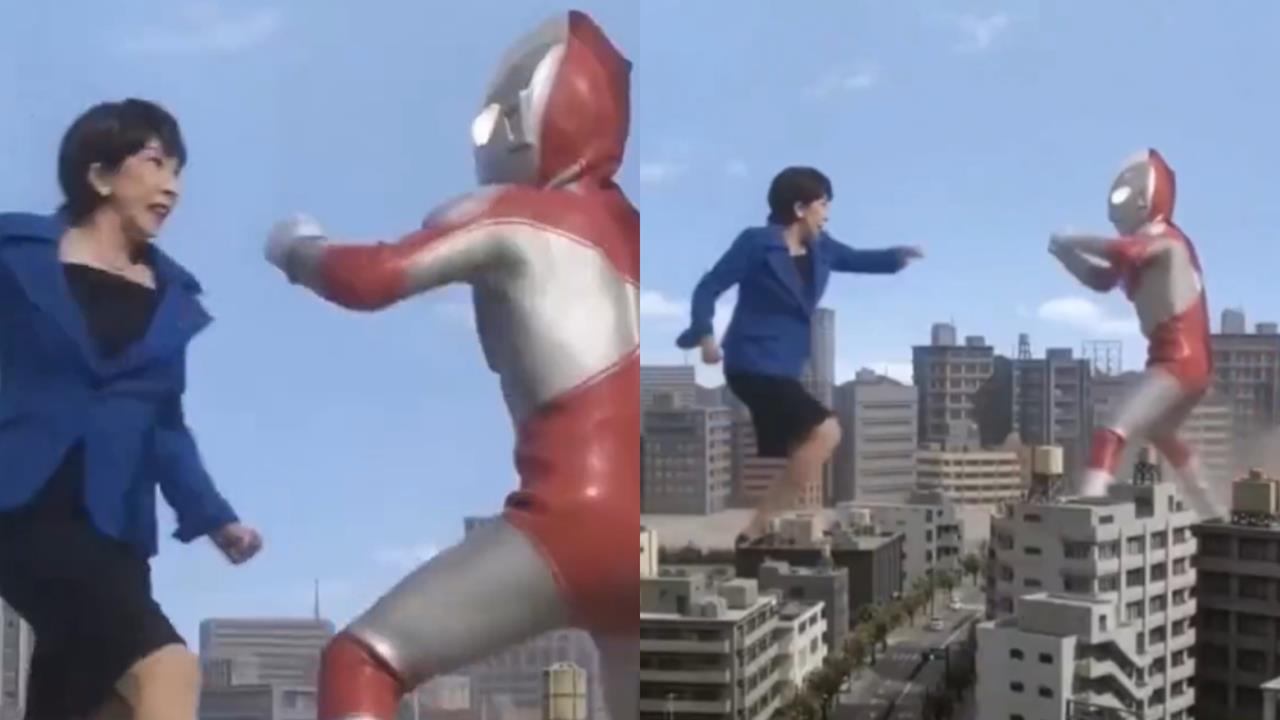
Image source: X Chinese netizens created controversial content of Ultraman and the Japanese Prime Minister fighting or using violence
Chinese tech influencer Tim, founder of “Yingshi Jufeng,” praised Seedance 2.0’s impressive capabilities and believed that AI is about to revolutionize the film and television industry. However, he also mentioned that he did not authorize his likeness or videos to ByteDance, yet Seedance 2.0 can generate images nearly identical to him.
- **Related report: Yingshi Jufeng reviews Seedance 2.0: AI changing the film industry is coming—what’s left for filmmakers?
Seedance 2.0 Adds Safety Measures to Prevent Infringement
However, The Information reports that ByteDance originally planned to launch Seedance 2.0 globally in mid-March, but this has now been paused. Its legal team is working to resolve the issues, and engineers are adding protective mechanisms to prevent the generation of infringing content.
Currently, Seedance 2.0 remains available in China, but some user feedback indicates that recent video generation types are increasingly restricted. For example, explicitly specifying in prompts to imitate a particular person may sometimes prevent the video from being generated.
Ongoing Controversies Over AI Video Models
Generative AI video models are developing rapidly, but copyright disputes continue. When OpenAI launched Sora 2 and Google released Nano Banana Pro, they also faced copyright issues. OpenAI received a cease-and-desist letter from Japan’s Copyright Office (CODA), and Google received a similar letter from Disney.
Noriaki Onodera reminds that even though AI technology offers convenience, users must have proper literacy. Careless use of copyrighted materials could lead to legal penalties for the user themselves.
Disclaimer: The information on this page may come from third parties and does not represent the views or opinions of Gate. The content displayed on this page is for reference only and does not constitute any financial, investment, or legal advice. Gate does not guarantee the accuracy or completeness of the information and shall not be liable for any losses arising from the use of this information. Virtual asset investments carry high risks and are subject to significant price volatility. You may lose all of your invested principal. Please fully understand the relevant risks and make prudent decisions based on your own financial situation and risk tolerance. For details, please refer to
Disclaimer.


