 :
:

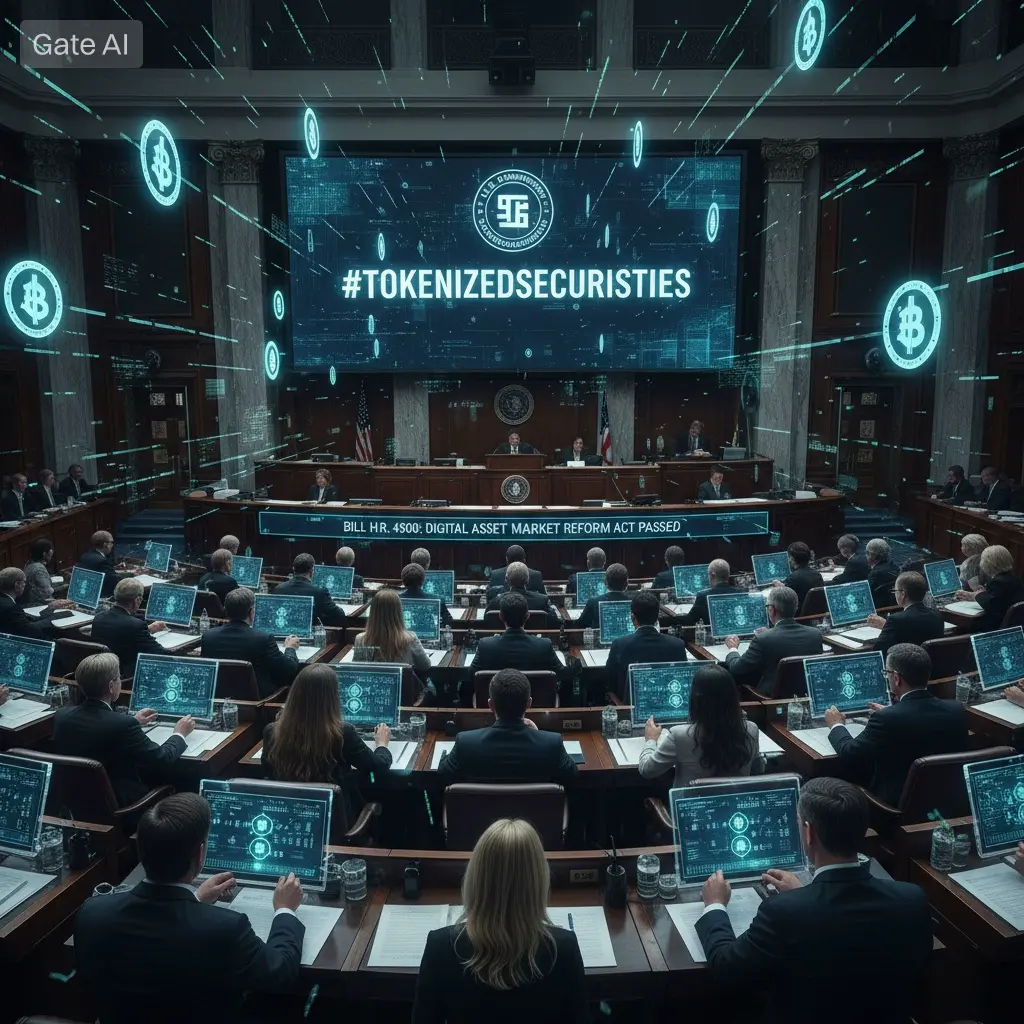
#USHouseAdvancesTokenizedSecurities :
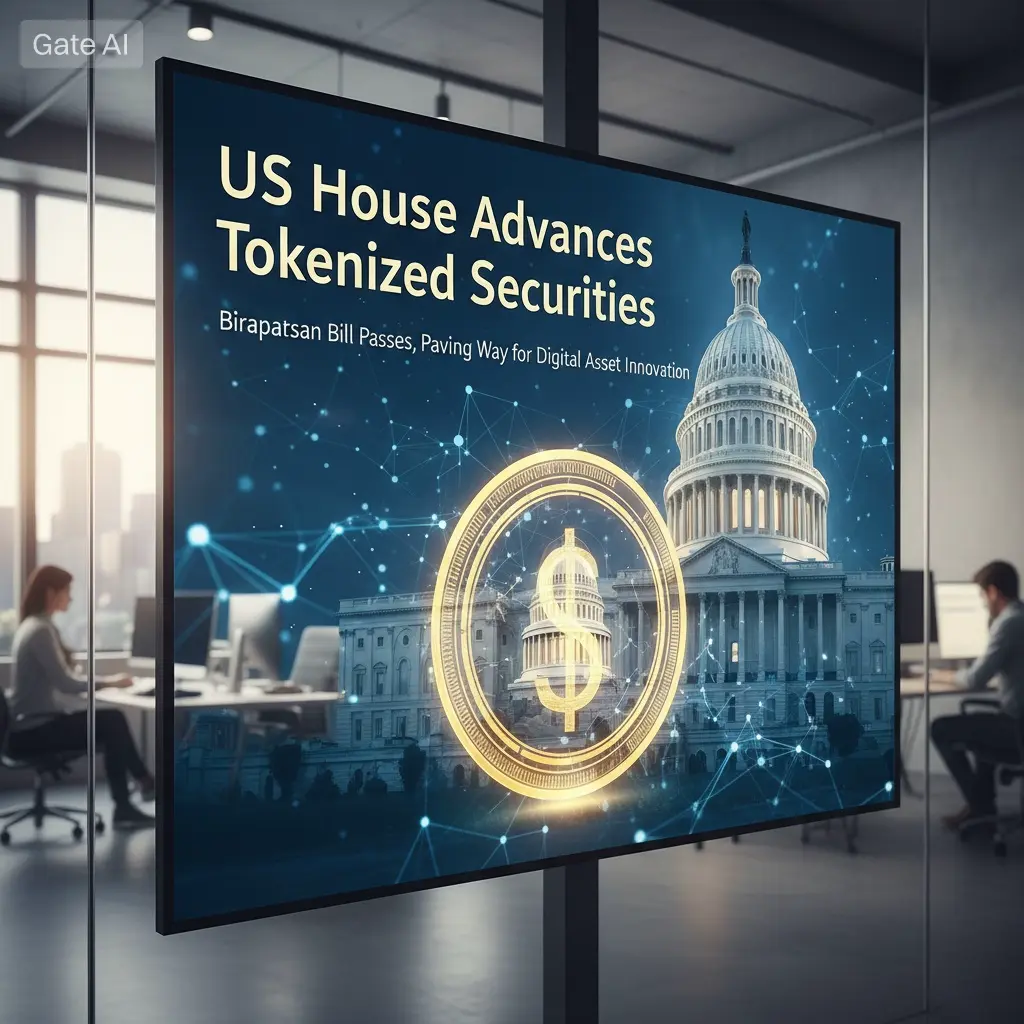
US House Advances Tokenized Securities — Market Analysis
Overview
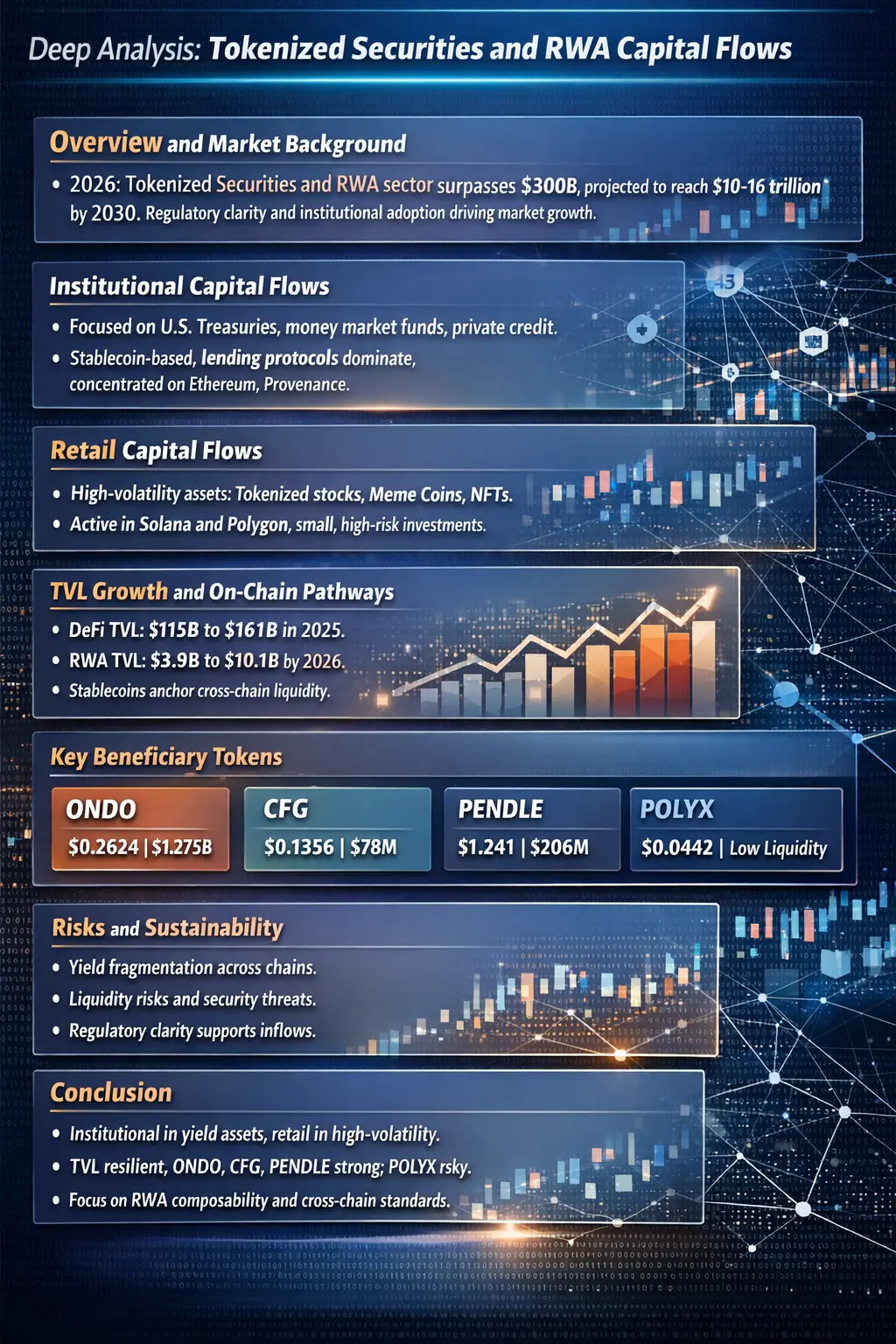
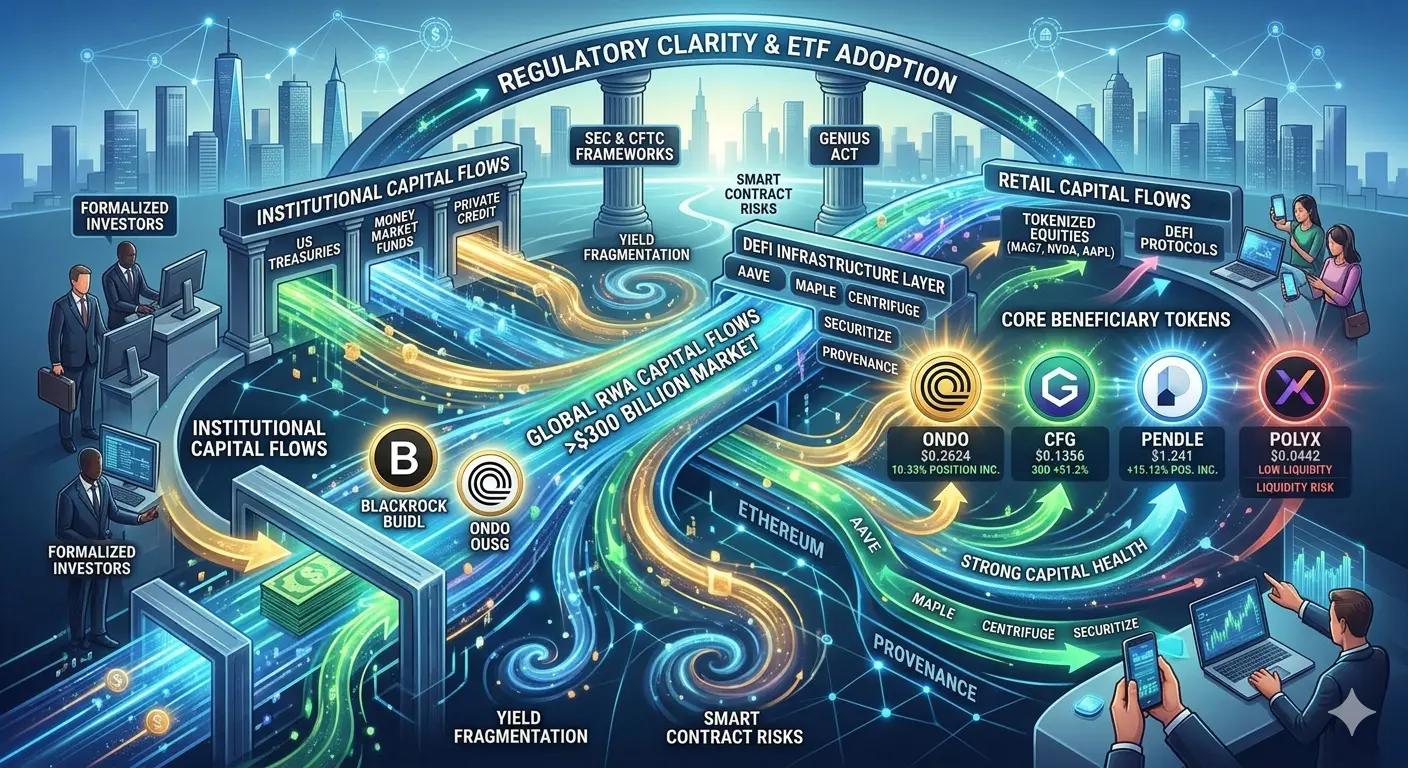
In 2026, Tokenized Securities and Real-World Assets (RWA) have become key drivers of growth in the crypto market. The global RWA tokenization market is already over $300 billion and could reach $10–16 trillion by 2030. Both institutional and retail investors are actively participating, and regulatory clarity, infrastructure upgrades, and trading frameworks are making these assets more reliable and less speculative.
Major trends include:
SEC and CFTC clarifying crypto asset classifications
Cryptocurrencies recognized as digital commodities
Partnerships between traditional exchanges (NYSE, Nasdaq) and crypto platforms for 24/7 tokenized securities trading
74% of institutional investors planning to increase crypto exposure in 2026
Institutional Capital Flows
Institutions focus on yield-generating assets like U.S. Treasuries, money market funds, and private credit.
Key points:
Tokenized Treasuries and money market products are popular due to compliance and predictable risk
Private credit attracts high-risk appetite institutions
Institutions use stablecoins as a “cash layer” for efficient on-chain transactions
Lending protocols like Aave, Maple, and Centrifuge handle over 80% of on-chain institutional flows
Platforms like Securitize and Tokeny lead tokenized equity and bond issuance
Chains and ETFs:
Ethereum and Provenance host most institutional assets
Emerging chains like Solana and Avalanche attract innovative asset types
ETF inflows boost on-chain capital, while ETF outflows can cause temporary liquidity drops
Retail Capital Flows
Retail investors prefer high-volatility and easy-to-access assets, including tokenized U.S. stocks, meme coins, and NFTs.
Highlights:
Tokenized shares like NVDA, TSLA, and AAPL see high activity
Retail portfolios are smaller, diversified, and sensitive to market swings
Chains with lower fees like Solana and Polygon attract retail users
Ethereum sees less retail activity due to higher transaction costs
Retail participation is more volatile and short-term compared to institutional flows.
TVL Growth & On-Chain Pathways
DeFi TVL grew from $115B (Q3 2025) to $161B, stabilizing at $130–140B in early 2026
Tokenized U.S. Treasuries rose from $3.9B to $10.1B, driving overall growth
Lending protocols and RWA assets focus on yield-focused lending, reducing risky asset exposure
Stablecoins remain central to liquidity and capital movement
Capital flows through ETF subscriptions, on-chain redemptions, and collateralized lending
Core Beneficiary Tokens
Token
Price
Market Cap
Key Points
ONDO
$0.2624
$1.275B
Strong institutional and retail participation, high liquidity, 88% bullish sentiment
CFG (Centrifuge)
$0.1356
$78M
51% growth in 30 days, robust liquidity, strong trend
PENDLE
$1.241
$206M
Stable structure, benefits from yield curves, growing institutional and retail demand
POLYX
$0.0442
Low liquidity
High liquidity risk, vulnerable during market stress
Summary: ONDO, CFG, and PENDLE have healthy capital structures, while POLYX is exposed to liquidity challenges.
Conclusion
Tokenized Securities and RWA assets are now structural growth engines for the crypto market.
Institutions: Focus on stable, yield-generating assets
Retail: Focus on high-volatility and tokenized stocks
TVL & On-Chain: Resilient growth and optimized pathways
Core Tokens: ONDO, CFG, PENDLE are strong; POLYX shows risk
Future growth depends on:
Broader composability of RWA assets
Standardized cross-chain protocols
Maintaining healthy capital structures while managing liquidity and yield fragmentation
US House Advances Tokenized Securities — Market Analysis
Overview
In 2026, Tokenized Securities and Real-World Assets (RWA) have become key drivers of growth in the crypto market. The global RWA tokenization market is already over $300 billion and could reach $10–16 trillion by 2030. Both institutional and retail investors are actively participating, and regulatory clarity, infrastructure upgrades, and trading frameworks are making these assets more reliable and less speculative.
Major trends include:
SEC and CFTC clarifying crypto asset classifications
Cryptocurrencies recognized as digital commodities
Partnerships between traditional exchanges (NYSE, Nasdaq) and crypto platforms for 24/7 tokenized securities trading
74% of institutional investors planning to increase crypto exposure in 2026
Institutional Capital Flows
Institutions focus on yield-generating assets like U.S. Treasuries, money market funds, and private credit.
Key points:
Tokenized Treasuries and money market products are popular due to compliance and predictable risk
Private credit attracts high-risk appetite institutions
Institutions use stablecoins as a “cash layer” for efficient on-chain transactions
Lending protocols like Aave, Maple, and Centrifuge handle over 80% of on-chain institutional flows
Platforms like Securitize and Tokeny lead tokenized equity and bond issuance
Chains and ETFs:
Ethereum and Provenance host most institutional assets
Emerging chains like Solana and Avalanche attract innovative asset types
ETF inflows boost on-chain capital, while ETF outflows can cause temporary liquidity drops
Retail Capital Flows
Retail investors prefer high-volatility and easy-to-access assets, including tokenized U.S. stocks, meme coins, and NFTs.
Highlights:
Tokenized shares like NVDA, TSLA, and AAPL see high activity
Retail portfolios are smaller, diversified, and sensitive to market swings
Chains with lower fees like Solana and Polygon attract retail users
Ethereum sees less retail activity due to higher transaction costs
Retail participation is more volatile and short-term compared to institutional flows.
TVL Growth & On-Chain Pathways
DeFi TVL grew from $115B (Q3 2025) to $161B, stabilizing at $130–140B in early 2026
Tokenized U.S. Treasuries rose from $3.9B to $10.1B, driving overall growth
Lending protocols and RWA assets focus on yield-focused lending, reducing risky asset exposure
Stablecoins remain central to liquidity and capital movement
Capital flows through ETF subscriptions, on-chain redemptions, and collateralized lending
Core Beneficiary Tokens
Token
Price
Market Cap
Key Points
ONDO
$0.2624
$1.275B
Strong institutional and retail participation, high liquidity, 88% bullish sentiment
CFG (Centrifuge)
$0.1356
$78M
51% growth in 30 days, robust liquidity, strong trend
PENDLE
$1.241
$206M
Stable structure, benefits from yield curves, growing institutional and retail demand
POLYX
$0.0442
Low liquidity
High liquidity risk, vulnerable during market stress
Summary: ONDO, CFG, and PENDLE have healthy capital structures, while POLYX is exposed to liquidity challenges.
Conclusion
Tokenized Securities and RWA assets are now structural growth engines for the crypto market.
Institutions: Focus on stable, yield-generating assets
Retail: Focus on high-volatility and tokenized stocks
TVL & On-Chain: Resilient growth and optimized pathways
Core Tokens: ONDO, CFG, PENDLE are strong; POLYX shows risk
Future growth depends on:
Broader composability of RWA assets
Standardized cross-chain protocols
Maintaining healthy capital structures while managing liquidity and yield fragmentation