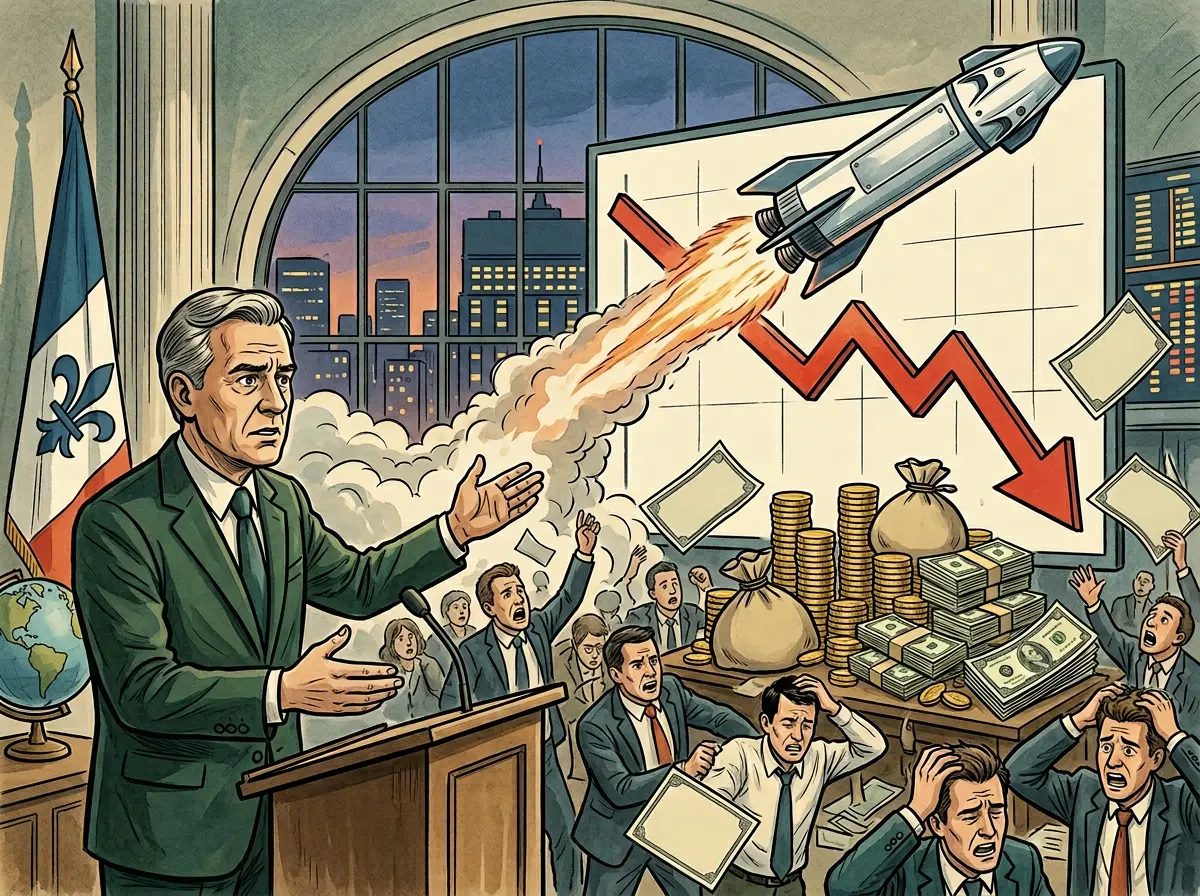
BNP Paribas U.S. equity derivatives strategy head Greg Boutle estimated in a June 5 report that the total amount of selling of other stocks by retail investors and passive investors to buy SpaceX could reach approximately $5 billion; Boutle warned: “For the market, the danger is not in any individual fund flow, but in the cumulative effect.”
SpaceX IPO Key Numbers
Specific IPO parameters disclosed in SpaceX regulatory filings:
Shares to be issued: more than 555 million shares
Price per share: $135
Minimum fundraising amount: $75 billion
Maximum fundraising after oversubscription: $85.7 billion
Valuation: more than $1.75 trillion
Estimated market value of shares in circulation at listing: about $75 billion
Trading ticker: SPCX (Nasdaq)
Since its founding in 2002, SpaceX accounted for more than 80% of the world’s rocket launches last year, and has launched over 10,000 Starlink satellites into orbit.
Boutle’s Analysis: The Cumulative Effect of Flows in the Same Direction
Greg Boutle’s specific assessment in Friday’s report: buying demand of about $3 billion from passive funds driven by Nasdaq 100 adjustments, plus retail FOMO buy orders and leveraged ETF and options fund flows, will stack in the same direction.
Boutle said: “These fund flows could be in the same direction and build on each other; if everyone chases the same buys or sells at the same time, the risk of price dislocation would increase significantly.” Boutle also noted that Friday’s market plunge led by chip stocks may already be an early sign of the price dislocation he warned about; he estimated that stock sales unrelated to the IPO by the end of Q2 would exceed $100 billion. If leveraged ETFs and CTAs also participate, further knock-on reactions will occur after the mechanical rebalancing mechanism is triggered.
Next IPO Pipeline: OpenAI and Anthropic Plan to List This Year
Fortune also reported that OpenAI and Anthropic plan to list in 2026, when market demand for top AI companies is also expected to be quite high. Alphabet last week also completed a $85 billion stock issuance.
deVere Group chief investment officer Nigel Green told Bloomberg: “For years, investors could only buy proxy shares because they couldn’t directly buy these assets. If investors can ultimately own OpenAI itself, then the scarcity value associated with that relationship will inevitably change somewhat.”
FAQ
How was the estimate of $5 billion of directional selling by BNP Paribas derived?
In Friday’s report, Greg Boutle explained that the estimate includes: retail investors selling other holdings (especially AI-related stocks that have recently performed well), and matched sell orders generated by passive funds due to adjustments to the Nasdaq 100 index. Boutle said that if the IPO performs well, the number could be higher; if leveraged ETFs and CTAs also participate, there could be additional knock-on effects from mechanical rebalancing.
Why is SpaceX included in the Nasdaq 100 but not in the S&P 500?
According to the report, S&P Dow Jones Indices chose not to change the rules to speed up SpaceX’s inclusion in the S&P 500, while the Nasdaq 100 index rules were adjusted to allow SpaceX to be added, thereby triggering strong forced-buy demand for passive funds tied to the Nasdaq 100, expected to be about $3 billion.
After SpaceX lists, which stocks are most likely to be sold to raise funds?
Boutle said in the report that retail investors may use shares of AI-related companies as their primary source of selling, because these stocks have grown rapidly in value in recent years, making them an ideal way to obtain cash. He said this FOMO-driven herd effect often magnifies market volatility and creates longer-tail risks.


