Autonomous Vehicle Auto-Charging Infrastructure Launches
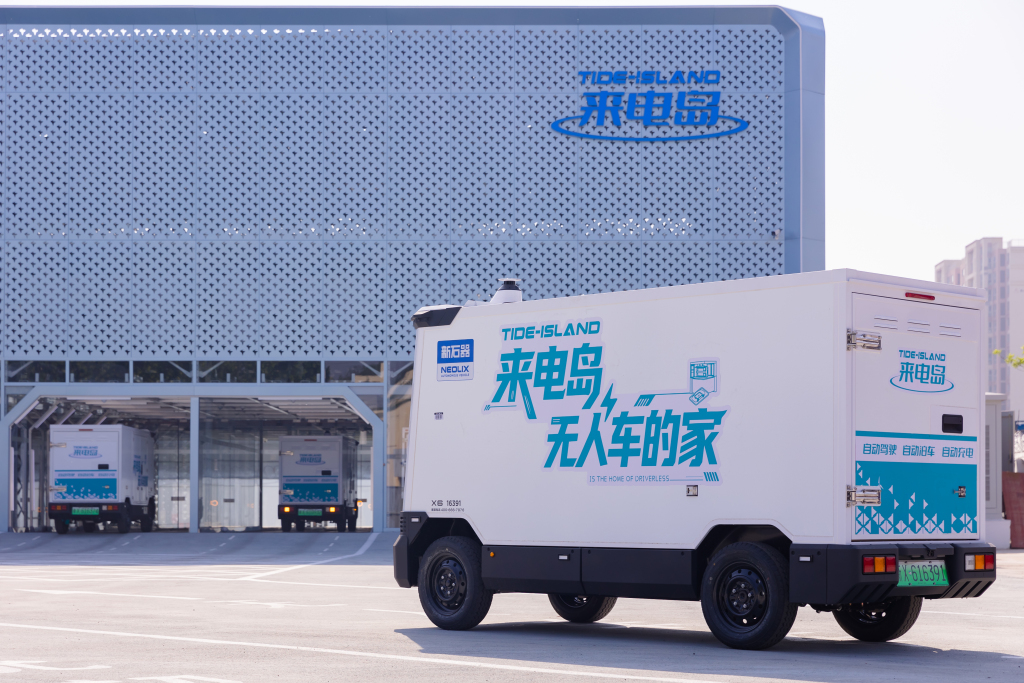
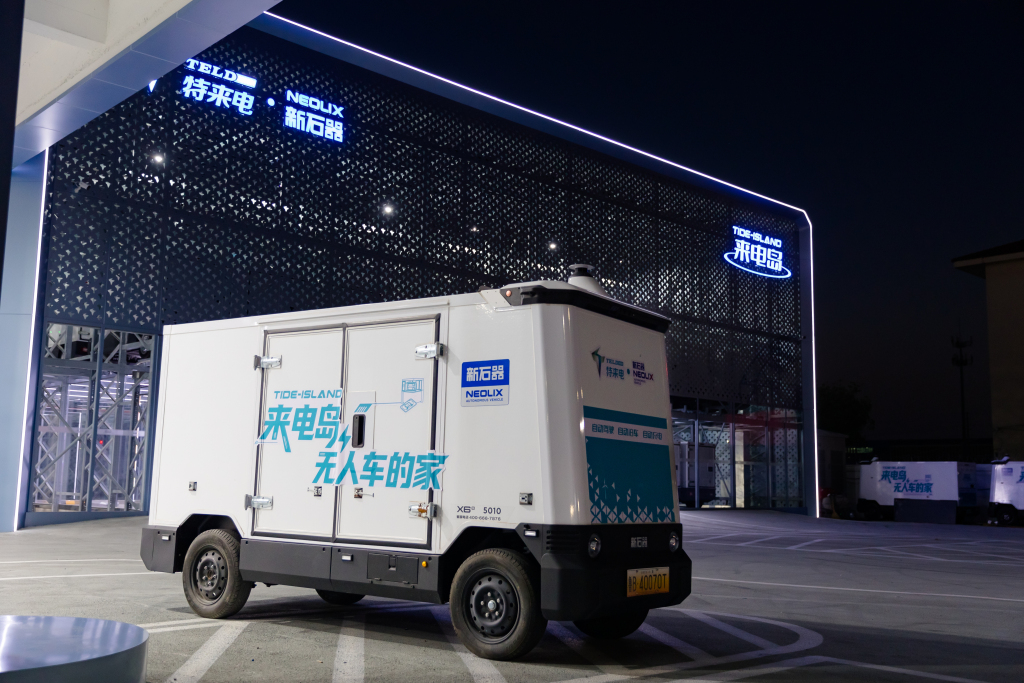
New Stone (新石器) autonomous vehicles and Telia Power (特来电) announced on May 8 the launch of the world's first autonomous vehicle auto-charging and operations center called "Charging Island" (来电岛), according to the companies. The first operational facility, Charging Island 1, became active in Qinghai on the same day, with both companies launching a "Global 100 Cities Plan" to expand the infrastructure across multiple continents.
Operational Specifications
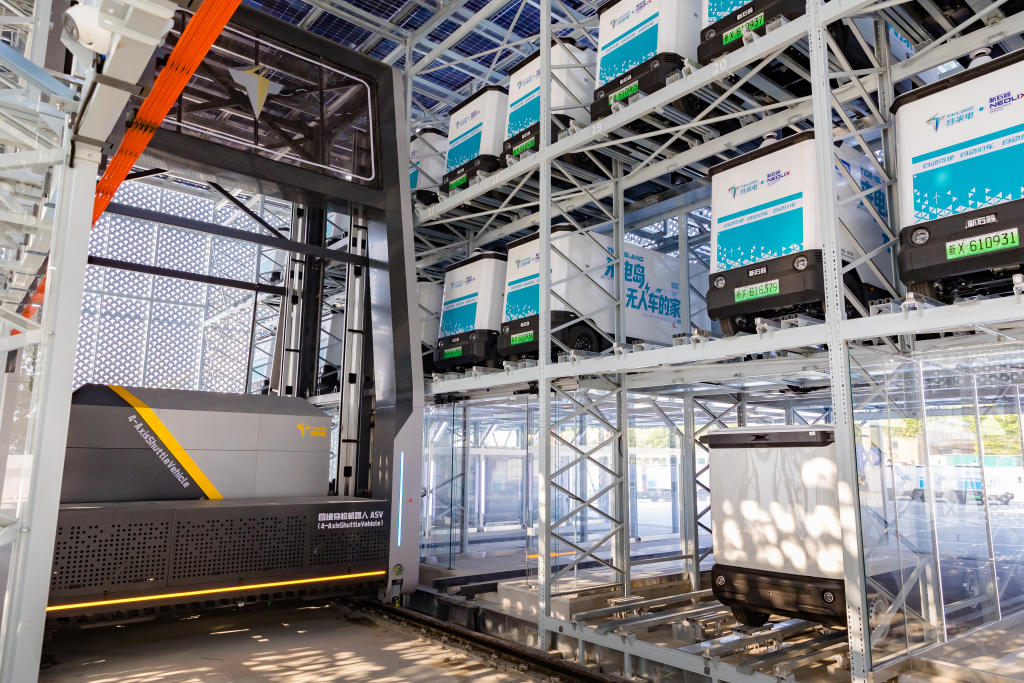
A single Charging Island can accommodate 100 autonomous vehicles simultaneously for auto-parking and auto-charging, with capacity to fully charge 90 vehicles per hour, according to the announcement. The facility integrates automatic washing, self-inspection, and maintenance functions. One Charging Island combined with 10 relay islands (developed from Telia Power's existing network of 70,000 public charging stations) can support 1,200 to 1,500 autonomous vehicles in operation.
Deployment Strategy
The three-year plan targets deployment of 300 Charging Islands and 3,000 relay islands across 100 cities in China, plus 30 Charging Islands in 10 overseas cities. New Stone currently operates autonomous vehicles in approximately 20 countries including the United Arab Emirates, Thailand, Singapore, and Japan, with a deployment target of 10,000 units in the UAE by 2026.
Cost Reduction and Operational Efficiency
The automated charging system eliminates manual intervention previously required for charging gun operation. According to Yin Ruochen, New Stone's strategy lead, the auto-charging system saves approximately 10 minutes per vehicle and reduces operating costs by at least 30 percent, despite a small increase in per-vehicle costs from adding charging-compatible hardware. Yin noted that while manual charging operations are labor-intensive and difficult to scale efficiently, automated charging can leverage off-peak electricity rates to optimize operational efficiency.
Telia Power Chairman Yu Dexiang stated that Charging Island represents a fully automated system combining charging robots, parking robots, and AI intelligence, enabling autonomous vehicles to self-return to the island, self-charge, and self-depart without human intervention.
Business Model and Profitability
The Charging Island platform operates as an open-access system compatible with any autonomous delivery vehicle brand meeting protocol standards, meaning a single facility serves the entire city's autonomous vehicle operating ecosystem. According to Liu Yunfei, Telia Power vice president, the Charging Island model currently possesses profitability capability, with stable profitability expected within 5 to 6 years as operational efficiency curves mature and facility production costs decline.
Future Applications
New Stone CEO Yu Enyuan indicated that the autonomous delivery vehicle industry is entering an explosive growth phase globally, creating significant demand for foundational service infrastructure. The company is investigating the feasibility of extending Charging Island services to L4 autonomous passenger vehicles, including robotaxis, suggesting the infrastructure could become foundational to the broader autonomous driving era.
Telia Power vice president and chief scientist Mu Xiaopeng noted that Charging Island could eventually serve autonomous household vehicles with self-charging capabilities as autonomous driving technology becomes mainstream.
FAQ
What is a Charging Island?
A Charging Island is an automated charging and operations center that enables autonomous vehicles to self-park, self-charge, and self-depart without human intervention. It combines charging robots, parking robots, and AI systems to manage the entire process automatically.
How much can operating costs be reduced?
According to New Stone's strategy lead, operating costs can be reduced by at least 30 percent through elimination of manual charging labor and optimization of off-peak electricity usage, despite small increases in per-vehicle hardware costs.
Is Charging Island limited to one vehicle brand?
No. Charging Island operates as an open platform compatible with any autonomous delivery vehicle brand that meets the protocol standards, serving the entire autonomous vehicle ecosystem in each city.


