
According to an article published by the official Pi Network website on April 28, Pi Network announced that its decentralized human workforce infrastructure has been completed by more than 8B KYC-verified identity users with over 526 million verification tasks. The task nature is part of the Pi native KYC system, and contributors are rewarded with Pi tokens.
KYC Workforce Scale and Task Structure
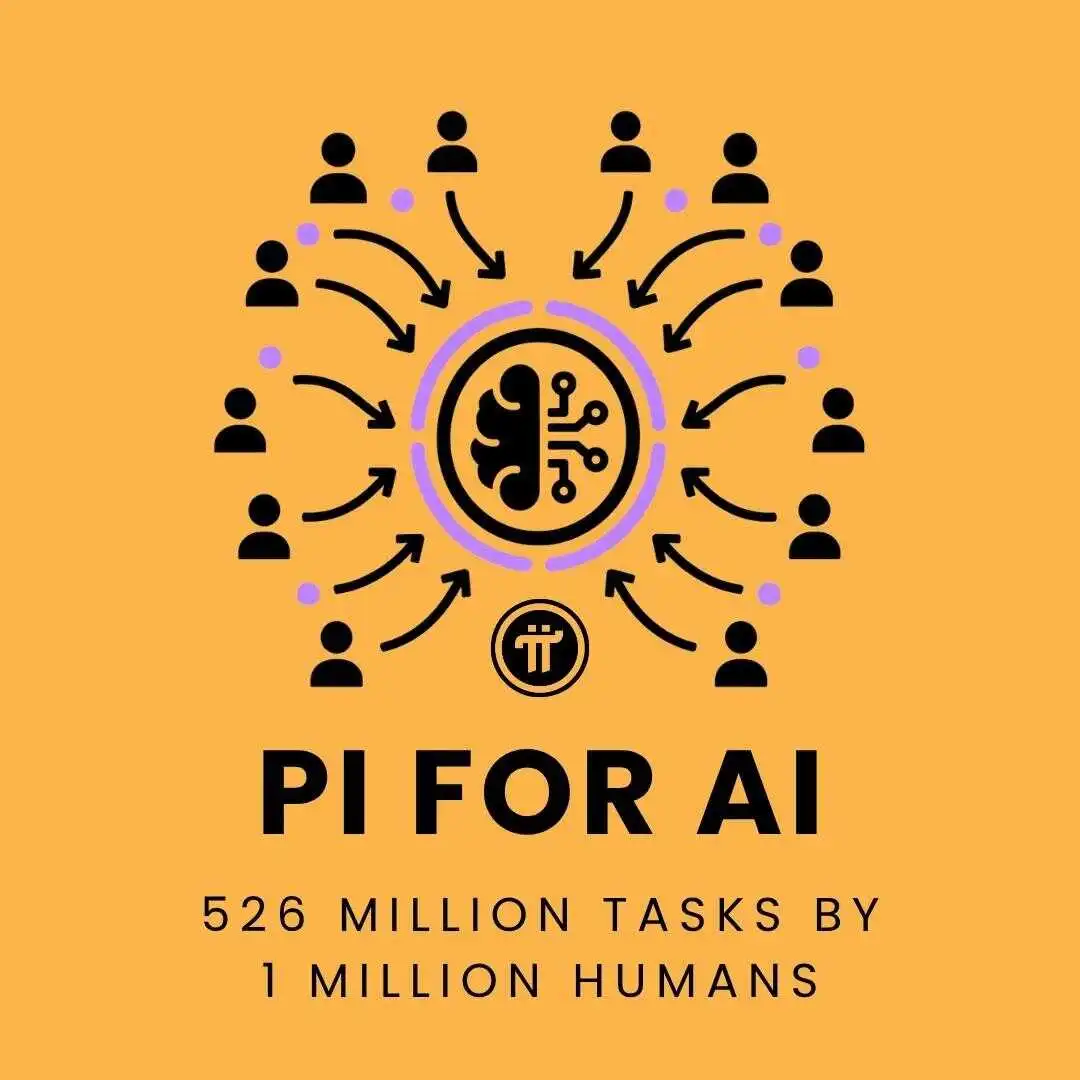
According to a Pi Network official website article, Pi Network’s KYC system adopts a model that combines AI automation with a distributed human labor workforce, and has already completed identity verification for more than 18 million people. In the article, Pi Network argues that its identity workforce infrastructure has the following three core features:
Verifiability of identity: All participants complete KYC verification. Pi Network says this can reduce data-quality risks caused by bots, scams, and unverified labor that cannot be verified
Global decentralized coverage: Workers are located across more than 200 countries and regions, supporting data labeling and evaluation tasks across languages, geographies, and cultural backgrounds
Quantifiable scalability: Pi Network claims that more than 18 million KYC-verified users can carry out tasks ranging from simple to moderately complex, and the number of completed tasks to date has exceeded 526 million
Pi Launchpad Token Payment Architecture
According to a Pi Network official website article, Pi Network’s payment architecture supports paying contributors with Pi tokens or with enterprise-issued native tokens distributed through Pi Launchpad. In the article, Pi Network points out that compared with making payments to millions of users across multiple jurisdictions in fiat currency, Pi token payments can reduce intermediary fees, cross-border transfer friction, and the costs associated with small payments.
According to a Pi Network official website article, Pi Launchpad is currently iterating on a testnet and is positioned as a tool for enterprises to issue and distribute their own tokens on the Pi mainnet. Its uses include paying contributor rewards, enabling user incentives, and facilitating ecosystem interactions. Pi Network explicitly distinguishes it from speculative fundraising tokens, emphasizing that tokens must be tied to real applications and usage scenarios. Pi Network also stated that current users already hold active Pi wallets, so when enterprises deploy it, they do not need to onboard users to a new payment system.
AI Training Data Application Scenario Positioning
According to a Pi Network official website article, Pi Network argues that the target application scenarios for its identity workforce infrastructure include improving AI model outputs, data labeling, inference quality evaluation, and identity verification. The Pi Network article also points out that non-human reinforcement training methods have limitations in capturing fine-grained nuances, making judgments about legitimacy, and presenting authentic human preferences, and argues that human input is still necessary to further完善 an AI system. The article also mentions the potential demand from robotics and the physical AI domain for large-scale human-generated physical-environment data, as one of the extension application scenarios for Pi Network’s human workforce infrastructure.
Frequently Asked Questions
When was the Pi Network official website article published? What core data does it disclose?
According to the Pi Network official website, the above article was published on April 28, 2026. The disclosed data include: over 8B KYC-verified users completing more than 526 million verification tasks, covering more than 200 countries and regions, and that more than 18 million verified users can join the labor network.
How do Pi Network KYC verification tasks pay rewards to contributors?
According to a Pi Network official website article, KYC verifiers are rewarded directly with Pi tokens; enterprises can also pay contributors with their own tokens via Pi Launchpad. Pi Launchpad is currently iterating on a testnet.
How is Pi Launchpad positioned, and how is it different from typical crypto tokens?
According to a Pi Network official website article, Pi Launchpad positions tokens as a tool tied to real applications and usage scenarios, used to pay contributors’ rewards, facilitate user access, and enable ecosystem interactions. Pi Network explicitly distinguishes it from speculative fundraising tokens.


