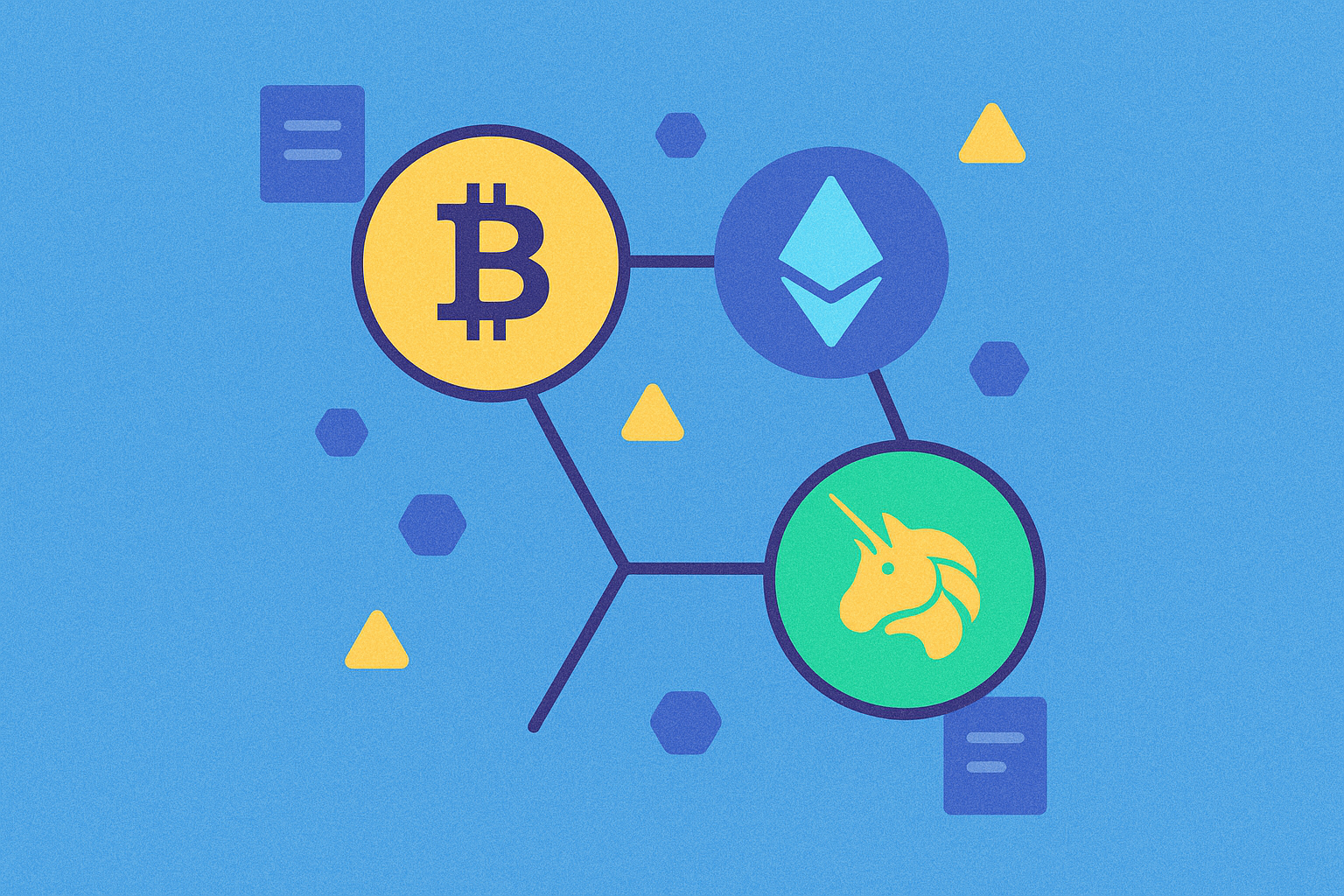
Comprehensive Guide to Cryptocurrency Coins and Tokens
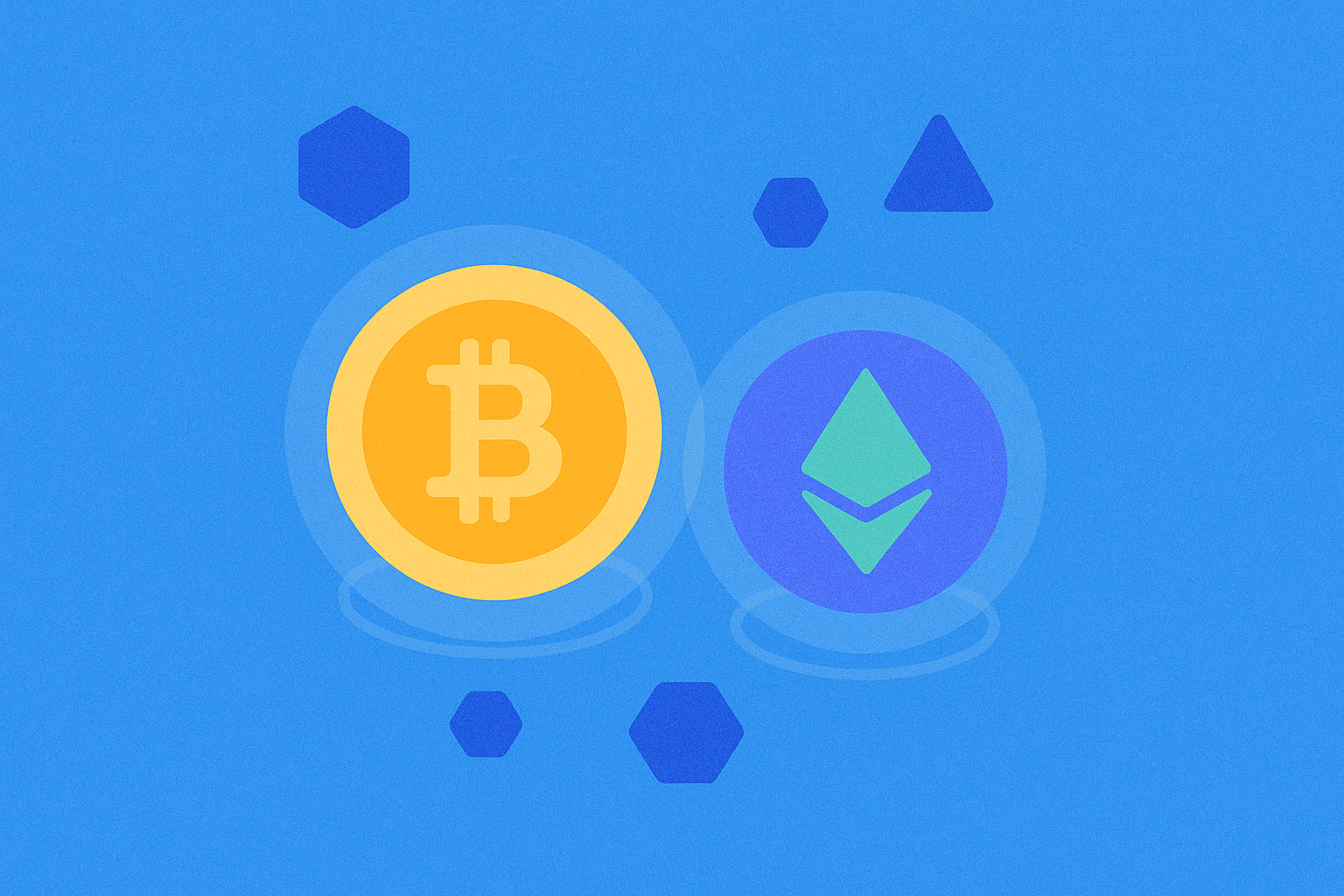
What Is a Coin?
In the cryptocurrency ecosystem, a coin represents a native digital asset that exists directly on its own blockchain infrastructure. Unlike tokens that are built on top of existing blockchains, coins are integral components of their respective blockchain networks. For instance, Bitcoin serves as the native cryptocurrency of the Bitcoin blockchain, Ether powers the Ethereum network, and Solana operates as the foundational asset of the Solana blockchain.
Coins function as the lifeblood of their blockchain networks, serving multiple critical purposes including transaction validation, network security, and economic incentives for participants. The distinction between coins and tokens is fundamental to understanding the broader cryptocurrency landscape and how different digital assets operate within the decentralized finance ecosystem.
How Do Coins Work?
The creation and management of coins rely on sophisticated blockchain mechanisms, with two primary models dominating the cryptocurrency space: the UTXO model and the account model. Each approach offers distinct advantages in terms of security, scalability, and transaction processing.
UTXO Model
The Unspent Transaction Output (UTXO) model represents a foundational approach to managing cryptocurrency transactions, most notably implemented in the Bitcoin blockchain. In this system, UTXOs are generated whenever a transaction occurs on the network. When miners successfully validate and add a new block to the blockchain, they create a transaction that generates new UTXOs as rewards for their computational work in maintaining network security.
A defining characteristic of the UTXO model is that each UTXO can only be used once as an input in a new transaction. This one-time use mechanism serves as a critical safeguard against double-spending attacks, ensuring that the same cryptocurrency units cannot be fraudulently spent multiple times. When a UTXO is consumed in a transaction, it is completely spent, and new UTXOs are created for the recipients, maintaining the integrity of the blockchain ledger.
Account Model
The account model presents a more intuitive approach to cryptocurrency management, closely resembling traditional banking systems that most users are familiar with. In this framework, each account maintains a running balance that increases or decreases with each transaction, similar to how a bank account operates.
When a transaction is initiated, the blockchain directly adjusts the account balances of both the sender and receiver. This model simplifies the process of tracking cryptocurrency holdings and makes it easier to implement complex smart contract functionality. Ethereum and many other modern blockchain platforms utilize the account model due to its flexibility and compatibility with programmable smart contracts.
What Are Coins Used For?
Coins serve multiple essential functions within their respective blockchain ecosystems, making them indispensable to network operations and user interactions.
Primarily, coins function as economic incentives for blockchain node operators who validate transactions and maintain network security. Whether through mining in proof-of-work systems or staking in proof-of-stake networks, node operators receive coin rewards for their contributions to block creation and network maintenance.
Additionally, coins are required to pay for gas fees and transaction costs when users interact with the blockchain. These fees compensate validators for processing transactions and help prevent network spam by requiring users to pay for computational resources. The native coin of each blockchain ensures seamless operation of the network's economic model and security mechanisms.
Popular Coins in the Cryptocurrency Market
The cryptocurrency landscape features numerous prominent coins, each serving unique purposes within their ecosystems:
-
Bitcoin: As the pioneering cryptocurrency, Bitcoin was originally designed as a peer-to-peer electronic cash system for everyday transactions. However, over time it has evolved into a widely recognized store of value, often referred to as "digital gold" by investors and institutions seeking a hedge against inflation.
-
Ethereum: Ether serves as the native cryptocurrency of the Ethereum blockchain, the world's leading platform for smart contracts and decentralized applications. Beyond transaction fees, Ether plays a crucial role in securing the network through staking mechanisms.
-
Solana: The native coin of the Solana network powers one of the fastest blockchain platforms in the industry. Solana tokens are essential for paying gas fees and transaction costs on this high-performance blockchain known for its scalability.
-
Avalanche: AVAX functions as the native cryptocurrency of Avalanche, a layer-0 protocol designed to enable interoperability between multiple blockchain networks. The coin facilitates network security, transaction processing, and serves as a governance token.
-
Cosmos: The ATOM coin powers Cosmos, often described as the "internet of blockchains." This hub enables seamless communication and asset transfers between different blockchain networks, promoting interoperability in the decentralized ecosystem.
What Is a Token?
Tokens represent a distinct category of digital assets that differ fundamentally from coins in their creation and implementation. Rather than building an entirely new blockchain from scratch, developers create tokens by deploying smart contracts on existing blockchain networks. This approach significantly reduces development complexity and leverages the security and infrastructure of established blockchains.
The characteristics, functionality, and management rules of tokens are entirely determined by the developers who create them through programmable smart contracts. This flexibility allows for diverse token implementations serving various purposes, from representing ownership rights to enabling access to specific services or applications.
Multiple token standards have emerged across different blockchain ecosystems to ensure compatibility and standardization. The most widely adopted standard is ERC-20 for the Ethereum ecosystem and EVM-compatible chains, which defines a common set of rules for token creation and interaction. Other prominent standards include BEP-20 for the BNB Chain, SPL for the Solana network, and BRC-20 for Bitcoin-based tokens.
How Do Tokens Work?
The operational logic of tokens exists entirely within smart contract code deployed on blockchain networks. This architecture creates an interesting technical distinction: blockchain addresses don't actually "hold" tokens in the traditional sense. Instead, the smart contract functions like an accountant's ledger, maintaining a record of token balances associated with each address.
When a token transfer occurs, the smart contract updates its internal records to reflect the new balance distribution, decreasing the sender's balance and increasing the recipient's balance. This accounting model allows for sophisticated programmability, enabling features like automated transfers, conditional logic, and integration with other smart contracts and decentralized applications.
Token Use Cases and Applications
Tokens serve diverse purposes within the cryptocurrency ecosystem, offering functionality that extends far beyond simple value transfer:
-
Governance: Governance tokens empower holders with voting rights and decision-making authority over protocol development, parameter changes, and resource allocation within decentralized applications and blockchain networks. This democratic approach to project management represents a fundamental shift from traditional corporate governance structures.
-
Utility: Utility tokens grant holders access to specific products, services, or features within a blockchain ecosystem. These tokens function as digital keys that unlock functionality, whether it's accessing computational resources, premium features, or exclusive content within decentralized platforms.
-
Medium of Exchange: Many tokens serve as units of account and exchange within their specific ecosystems, enabling users to measure value and facilitate transactions for goods and services. This functionality creates self-contained economies within decentralized applications.
-
Investment: Some tokens are designed primarily as investment vehicles, offering holders exposure to project success through potential value appreciation. These tokens may provide passive income opportunities through staking rewards or profit-sharing mechanisms.
Popular Tokens in the Cryptocurrency Ecosystem
The token landscape includes numerous successful projects serving various functions:
-
Chainlink: Renowned for its blockchain-agnostic oracle services, Chainlink enables smart contracts to securely interact with real-world data, APIs, and payment systems. The LINK token incentivizes node operators to provide accurate data feeds.
-
The Graph: Often called the "Google of Web3," The Graph indexes and organizes blockchain data, making it easily queryable for decentralized applications. The GRT token powers this decentralized indexing protocol.
-
Render: This project operates a decentralized GPU marketplace where users can buy and sell computational power for rendering graphics and processing AI workloads. The RNDR token facilitates transactions within this peer-to-peer network.
-
Uniswap: As one of the most popular decentralized exchanges on Ethereum, Uniswap revolutionized cryptocurrency trading through automated market-making. The UNI token provides governance rights and rewards to protocol participants.
-
Gala: This blockchain-based gaming platform enables players to truly own, develop, and trade in-game assets as NFTs. The GALA token powers the ecosystem's economy and grants governance rights to community members.
Coin vs Token vs Traditional Finance
Understanding the relationship between coins, tokens, and traditional financial instruments provides valuable context for their role in the broader economy. In traditional finance, currency exists in various forms—bank deposits, physical cash, government bonds, and other instruments—but remains fundamentally centralized under government control and regulation.
For example, the US dollar exists as digital entries in banking systems, physical bills and coins, and various debt instruments, all ultimately backed and controlled by the United States government and Federal Reserve. This centralization creates a single point of control and potential failure.
In contrast, blockchain-based coins operate on decentralized networks maintained by global communities of participants. No single entity controls the issuance, validation, or management of these digital assets. This decentralization provides resistance to censorship, reduces counterparty risk, and enables truly peer-to-peer value transfer without intermediaries.
Tokens further extend this paradigm by enabling programmable digital assets with customizable properties and functionality, creating possibilities that don't exist in traditional finance. This innovation has spawned entirely new economic models and organizational structures within the decentralized finance ecosystem.
What Are Stablecoins?
Despite their name suggesting they might be coins, stablecoins are predominantly implemented as tokens built on established blockchain networks. Developers create stablecoins by deploying smart contracts on proven blockchain platforms like Ethereum, taking advantage of existing network security and infrastructure.
Stablecoins aim to maintain a stable value, typically pegged to fiat currencies like the US dollar, making them useful for transactions, savings, and as a bridge between traditional finance and cryptocurrency markets. Popular stablecoins like USDT, USDC, and DAI demonstrate how tokens can serve specific use cases while leveraging the security and efficiency of established blockchain networks.
FAQ
What is the difference between Coin and Token?
Coin operates on its own independent blockchain like Bitcoin, while Token runs on existing blockchains like Ethereum. Coins serve as transaction mediums and value storage, whereas Tokens provide specific project functions. Coins are autonomous; Tokens depend on another blockchain's infrastructure.
What is a cryptocurrency Coin? What are common Coins?
A cryptocurrency Coin is a digital asset built on blockchain technology with its own independent network. Common Coins include Bitcoin (BTC), Ethereum (ETH), Ripple (XRP), and Binance Coin (BNB), each serving different purposes in the crypto ecosystem.
What is a Token? What are the main differences between Token and Coin?
A Token is a digital asset built on existing blockchains like Ethereum, without its own native blockchain. A Coin is a native cryptocurrency of its own blockchain. Key difference: Tokens rely on other blockchains, while Coins are independent cryptocurrencies with their own infrastructure.
Does a Coin must have its own blockchain? Does a Token need to?
Yes, a Coin must have its own blockchain as its native currency. A Token does not need its own blockchain; it operates on existing blockchains like Ethereum or Binance Smart Chain.
How to determine if a crypto asset is a Coin or Token?
A Coin has its own independent blockchain, while a Token operates on an existing blockchain like Ethereum. Check whether the asset has its own blockchain to distinguish between the two.
What are the different risks of investing in coins versus tokens?
Coins carry volatility and market manipulation risks with established blockchain backing. Tokens face additional risks including smart contract vulnerabilities, project failures, and security concerns due to lacking independent blockchains. Token risks are generally higher than coins.
What is ERC-20 Token? What is its relationship with Bitcoin?
ERC-20 is a standard for fungible tokens on Ethereum blockchain enabling smart contract-based token creation. Unlike Bitcoin's fixed protocol, Ethereum supports programmable token standards, making ERC-20 tokens more flexible and widely used in decentralized applications.
Why do some projects choose to issue tokens instead of creating their own coins?
Projects issue tokens to reduce development complexity and costs while leveraging existing blockchain networks. This approach enables faster market entry, easier regulatory compliance, and broader accessibility compared to building standalone coins.
Are Stablecoins classified as Coins or Tokens?
Stablecoins are classified as tokens because they are issued on existing blockchains like ERC-20, rather than having their own independent blockchain infrastructure.
What are the future development trends for Coins and Tokens?
Coins and Tokens will continue growing, especially in asset tokenization and DeFi sectors. Real-world assets (RWA) tokenization will accelerate, transforming traditional finance. Blockchain technology advancement will drive more efficient transactions and broader applications across industries.
Share
Content
How to Buy Cryptocurrency


Trending Cryptocurrencies



XZXX: A Comprehensive Guide to the BRC-20 Meme Token in 2025

Survey Note: Detailed Analysis of the Best AI in 2025

Detailed Analysis of the Best 10 GameFi Projects to Play and Earn in 2025

Kaspa’s Journey: From BlockDAG Innovation to Market Buzz

Best Crypto Wallets 2025: How to Choose and Secure Your Digital Assets
Popular GameFi Games in 2025

Comprehensive Guide to Recessions, Depressions, and Economic Downturns
What is Stellar & How Does it Work
Cryptocurrency Tax Guide: Who Needs to Pay and How to File Crypto Taxes

Candlestick Patterns in Trading: A Fundamental Guide
Cryptocurrency Scam Types and Prevention Methods: Essential Guide to Avoid Losses