Comprehensive Guide to Cryptocurrency Mining
What is Cryptocurrency Mining?
Cryptocurrency mining, also known as crypto mining, serves several important purposes in the blockchain ecosystem. First, it enables individuals to independently generate cryptocurrencies from the comfort of their own homes. The reward received for helping create new coins can be highly satisfying for those interested in being part of the cryptocurrency creation process. Second, mining contributes to increasing the security of the blockchain for specific projects. Being actively involved in securing the network can instill a sense of pride and contribution to the broader cryptocurrency community.
Cryptocurrency mining offers numerous advantages for participants. However, if you lack the appropriate hardware, the cost of purchasing mining equipment can present a significant barrier to entry. The initial investment required for professional mining rigs can range from hundreds to thousands of dollars, depending on the desired mining capacity. Nevertheless, certain coins have been specifically designed to be more accessible to average users, requiring less specialized equipment. There are many possibilities available depending on your expected level of control and desired return on investment. Understanding these options is crucial for making informed decisions about entering the mining space.
Easiest Methods for Cryptocurrency Mining: Mining Programs
Simple cryptocurrency mining programs require a compromise between hands-free operation and lack of precise control over the mining process, as well as associated costs. These entry-level solutions are ideal for beginners who want to explore mining without deep technical knowledge.
Home Cryptocurrency Mining: Plug-and-Play Devices
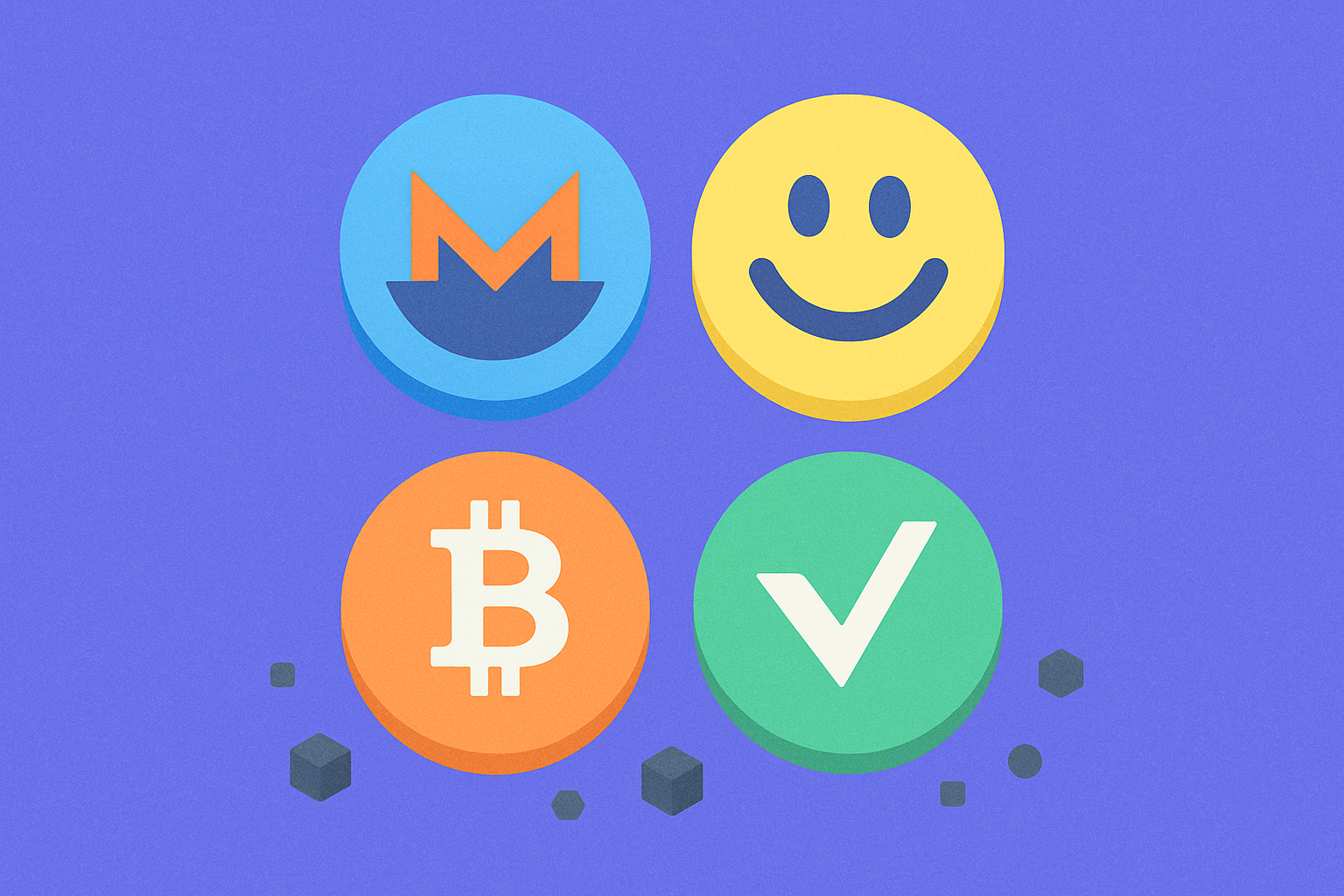
Plug-and-play mining devices represent one of the simplest entry points into cryptocurrency mining. These devices typically require only connection to power and synchronization with a dedicated mobile application to begin mining various cryptocurrencies such as Bitcoin, Ethereum alternatives, Monero, ZCash, or Grin. Prices for such devices generally range around several hundred dollars. However, it's important to understand that these mining devices typically generate only a few cents worth of coins daily. Even without factoring in electricity costs, it may take many years before the profits cover the initial cost of the mining device. These solutions are best suited for hobbyists or those wanting to learn about mining rather than serious profit-seekers.
Cryptocurrency Mining Programs: Honeyminer and NiceHash
These two services offer straightforward methods for starting cryptocurrency mining with minimal technical knowledge. Anyone can register an account, install the software, and begin using their computer's CPU and graphics card for mining operations. The algorithm automatically searches for the most profitable coins to mine at any given moment, then converts all earnings into Bitcoin for simplified tracking and withdrawal.
The software is available for both Windows and Mac operating systems, making it accessible to most computer users. However, it's important to note that Honeyminer and NiceHash reduce profits through additional fees and commissions that can reach several percentage points of your earnings. Despite these fees, these platforms remain popular choices for beginners due to their user-friendly interfaces and automated optimization features.
Cloud Mining: Online Mining in the Cloud
Cloud mining represents a service where you rent mining equipment with full management from a specialized company that handles the mining operations on your behalf. The company takes responsibility for all maintenance and monitoring of the mining equipment, while the client receives profits at the end of the agreed-upon period. This eliminates the need for purchasing, setting up, and maintaining your own hardware.
Prices for cloud mining contracts can vary significantly, ranging from a few hundred dollars to tens of thousands per month, depending on the allocated mining power and contract duration. When selecting a cloud mining service provider, you should carefully consider several key factors. First, examine the length of the contract and whether it aligns with your investment timeline. Second, evaluate the allocated mining power to ensure it meets your profit expectations. Third, understand all operational fees, as these can significantly impact your net returns. Be cautious of cloud mining scams, and always research the reputation and track record of any provider before committing funds.
More Advanced Cryptocurrency Mining Methods
If you want to become more actively involved in the mining process and have greater control over your operations, there are many coins that can be mined using either CPU or GPU (graphics card) resources. This approach requires more technical knowledge but offers greater flexibility and potentially higher returns.
Regardless of which cryptocurrency you choose to mine, you will need to obtain mining software and connect to a mining pool. Using a mining pool is generally easier for individual miners and provides better, more stable returns compared to solo mining. Mining pools combine the computational power of multiple miners, increasing the chances of successfully mining blocks and distributing rewards proportionally among participants.
Before beginning any mining operation, you should ensure that your graphics card drivers are fully updated to the latest versions. The mining software and its configuration may differ slightly for each cryptocurrency. In some cases, there are separate programs optimized specifically for Nvidia and AMD graphics cards, so selecting the appropriate version is important for optimal performance.
Ethereum: Transitioned to Proof-of-Stake, No Longer Mineable
Ethereum was until recently the most frequently mined cryptocurrency using graphics cards. It holds the position of the second-largest cryptocurrency by market capitalization, after Bitcoin. The Ethereum network's typical applications include smart contracts, which enable programmable and automated transactions.
In the past, mining Ethereum required special software such as ETHminer, CGMiner, or Claymore dual Ethereum miner. However, following Ethereum's transition to a proof-of-stake consensus mechanism, traditional mining is no longer possible on the Ethereum mainnet. This represents a significant shift in the cryptocurrency mining landscape.
These mining programs still support other cryptocurrencies based on the Ethash algorithm, which, unlike ETH, can still be mined. Examples include Expanse, Ellaism, Metaverse, Musicoin, Pirl, and Ethereum Classic. Miners who previously focused on Ethereum have largely migrated to these alternative coins or switched to different mining opportunities.
How to Mine Monero Cryptocurrency
Monero remains mineable using either CPU or graphics card resources, making it accessible to a wide range of miners. The cryptocurrency utilizes the RandomX algorithm, which is specifically designed to be CPU-friendly. The most popular software for mining Monero is xmr-stak, which offers good performance across different hardware configurations.
The Monero project actively maintains resistance to ASIC mining machines, which helps preserve decentralization by allowing ordinary users to participate in mining. To achieve this, the mining algorithm periodically changes through network upgrades. Monero is recognized as one of the most secure and private cryptocurrencies available, with strong focus on transaction anonymity and fungibility. This privacy focus has made it popular among users who value financial confidentiality.
How to Mine Grin Cryptocurrency
GRIN is a cryptocurrency based on the MimbleWimble consensus algorithm, which prioritizes transaction privacy through innovative cryptographic techniques. The project features an unlimited coin supply with no maximum cap, using algorithms referred to as Cuckoo Cycle. This design choice aims to maintain long-term mining sustainability.
GRIN is characterized by strong resistance to ASIC mining devices, to the extent that hard forks occur every six months to maintain this resistance. This frequent update schedule ensures that the network remains accessible to GPU miners and prevents centralization of mining power. The cryptocurrency appeals to miners who support decentralization and want to participate in a privacy-focused project.
How to Mine Bitcoin Gold Cryptocurrency
BTG represents one of the notable forks of Bitcoin. The project creators placed emphasis on re-enabling ordinary people to mine Bitcoin-like cryptocurrency without requiring expensive ASIC machines. The focus is primarily on GPU-based mining, making it accessible to home miners with gaming computers or dedicated mining rigs.
Bitcoin Gold utilizes the Zhash algorithm, which is optimized for graphics card mining. Typical mining software options include EWBF, Gminer, and Lolminer. Each of these programs offers different features and performance characteristics, so miners often experiment to find which works best with their specific hardware configuration.
How to Mine Vertcoin Cryptocurrency
Vertcoin was specifically designed to offer primarily graphics card-based mining, maintaining the principle of decentralization through accessible mining. It is exceptionally user-friendly thanks to its "One-Click Miner" program, which simplifies the setup process for beginners. This makes Vertcoin an excellent choice for those new to cryptocurrency mining who want a straightforward entry point.
Vertcoin uses the Lyra2REv3 algorithm, which is optimized for GPU mining while maintaining ASIC resistance. Remember that any crypto mining program may not work or may perform slowly if your graphics card drivers are not updated to the latest versions. Additionally, some integrated graphics cards found in laptops or budget computers are not supported by mining software and will not provide profitable mining results.
Conclusions
There are many other tokens and coins available for mining beyond those discussed in this guide, but the process of mining them will often be similar to the methods described above. An important principle to understand is that the more control you delegate to a platform or service, the more your earnings will be reduced through fees and commissions. Despite this trade-off, you should be able to take your first steps toward independently supporting the security of your chosen network and contributing to its decentralization.
Mining cryptocurrency also provides an opportunity to begin earning in the crypto space while learning about blockchain technology. Whether you choose simple plug-and-play solutions, cloud mining services, or more advanced GPU mining setups, each approach offers different levels of involvement, control, and potential returns. As you gain experience, you can adjust your mining strategy to optimize for your specific goals, whether those are maximum profits, supporting particular projects, or simply learning about cryptocurrency technology. The key is to start with a method that matches your technical skill level and gradually expand your knowledge and capabilities over time.
FAQ
What hardware equipment do you need to mine cryptocurrencies at home?
You need GPU (graphics processing units) or ASIC (application-specific integrated circuits) as the core components. GPUs suit mining altcoins like Ethereum, while ASICs are designed specifically for Bitcoin mining. Additionally, you'll need a reliable power supply and efficient cooling systems for optimal performance.
Home mining initial investment cost is approximately how much?
Initial setup costs typically range from hundreds to thousands of dollars, depending on equipment choice. Monthly electricity expenses also need consideration and vary by region and local power rates.
Will electricity costs exceed mining profits?
Electricity costs depend on your local energy prices and mining efficiency. With low electricity rates and efficient hardware, home mining can remain profitable. Calculate your specific costs versus current reward values to determine viability.
What is the difference between GPU mining and ASIC mining?
GPU mining uses graphics cards with higher power consumption but good versatility; ASIC mining employs specialized chips with lower power consumption and superior hash rates. ASIC miners gradually replace GPU miners as the industry standard for most cryptocurrencies.
What software and tools are needed for home cryptocurrency mining?
You need a cryptocurrency wallet(such as Bitcoin Core), mining software like GUIMiner or specialized mining programs, and a mining pool account. Ensure your hardware meets requirements, join a pool for better returns, and monitor electricity costs carefully.
Which cryptocurrencies are suitable for home mining?
Monero, Ethereum Classic, and Dogecoin are ideal for home mining in 2026. Monero supports CPU mining with strong privacy features, while Ethereum Classic and Dogecoin work well with consumer-grade GPUs. Bitcoin remains viable but requires expensive ASIC hardware and significant electricity costs.
How much wear and tear does home mining cause to computer hardware?
Home mining causes significant GPU wear through sustained high temperatures and continuous operation, potentially reducing lifespan by 1-3 years. Expect 10-30% performance degradation over time. Proper cooling and maintenance can mitigate damage.
Home mining legal restrictions?
Home mining is generally legal, but check local regulations on electricity usage and residential zoning. High power consumption may trigger utility scrutiny. Verify compliance with regional laws before setup.
How to choose a suitable mining pool?
Select a mining pool by comparing fees and payout models. Choose pools with strong reputation and proximity to minimize latency. Consider pool size and hashrate to balance earnings consistency and profitability potential.
How to solve heat dissipation and noise issues in home mining?
Use low-noise mining hardware or GPU miners placed in separate rooms. Consider water or oil cooling systems for better heat management. Install soundproofing materials as supplementary measures. Ensure proper ventilation and monitor electricity costs for profitability.
Share
Content
What is Cryptocurrency Mining?
Easiest Methods for Cryptocurrency Mining: Mining Programs
More Advanced Cryptocurrency Mining Methods
Ethereum: Transitioned to Proof-of-Stake, No Longer Mineable
How to Mine Monero Cryptocurrency
How to Mine Grin Cryptocurrency
How to Mine Bitcoin Gold Cryptocurrency
How to Mine Vertcoin Cryptocurrency
Conclusions
FAQ
How to Buy Cryptocurrency


Trending Cryptocurrencies



How to Mine Ethereum in 2025: A Complete Guide for Beginners

Exploring the Crypto World: The Ultimate Mining Guide and Profit Secrets

From Zero to Hero – Mining Technology and Trends Analysis

Mining Strategies – Building Your Digital Gold Factory
Pi Network (PI): Mobile-Friendly Cryptocurrency for Global Adoption
Pi Network 2025: Latest Mining Updates and Mainnet Launch Progress

What is AIX9: A Comprehensive Guide to the Next Generation of Enterprise Computing Solutions

What is KLINK: A Comprehensive Guide to Understanding the Revolutionary Communication Platform

What is ART: A Comprehensive Guide to Understanding Assisted Reproductive Technology and Its Impact on Modern Fertility Treatment
What is KAR: A Comprehensive Guide to Knowledge and Reasoning Systems in Modern Technology

What is MART: A Comprehensive Guide to Multi-Agent Reinforcement Learning Through Time