What is NFT minting and what are the costs associated with token minting
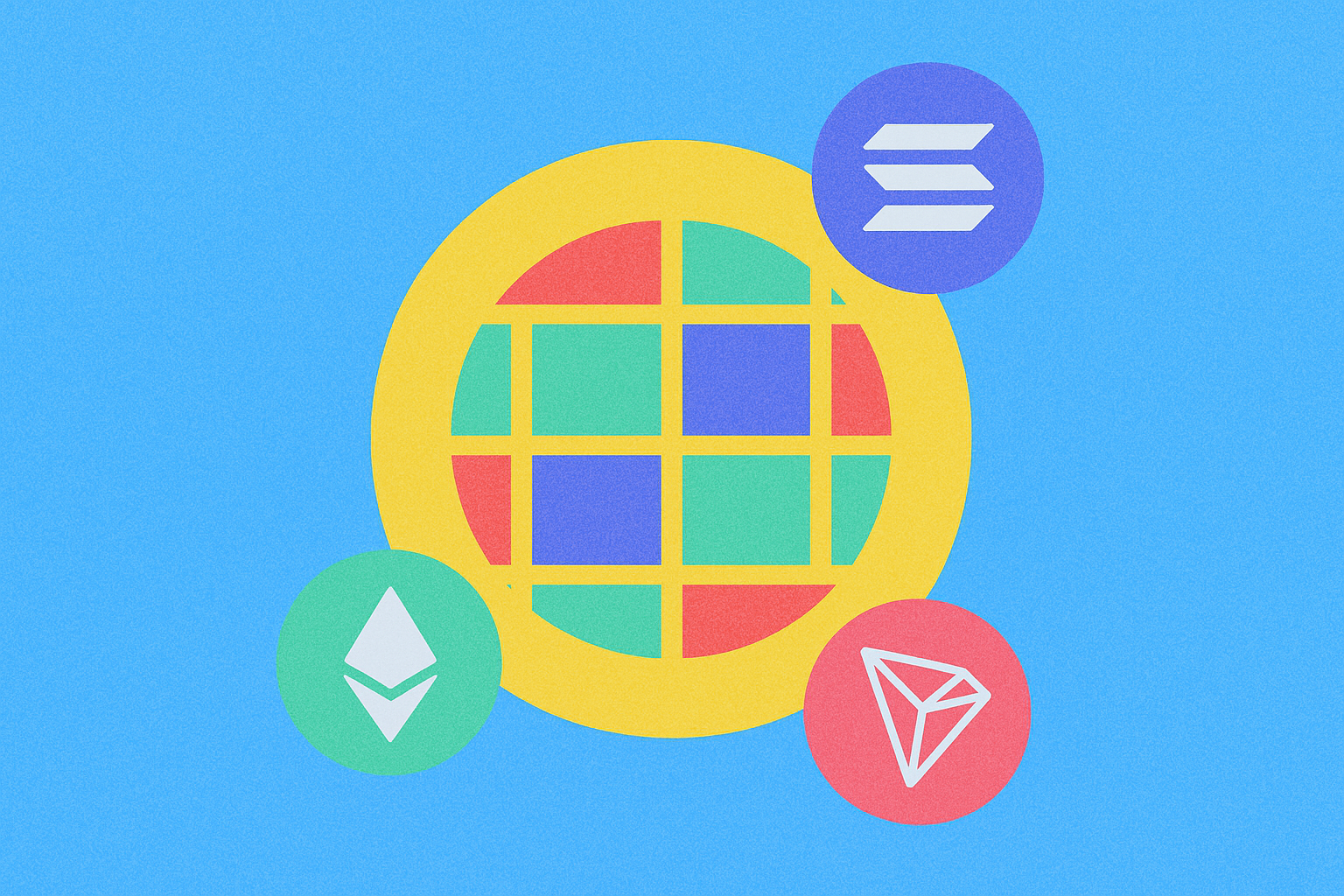
What Are NFTs?
Non-fungible tokens, or NFTs, are digital assets that are each entirely unique. This flexible format enables the tokenization of a wide array of assets—from music tracks and digital art to exclusive photographs and rights to physical items, including real estate.
The main advantage of NFTs is the ability to verify ownership of a digital asset. Information about the NFT and its owner is recorded on the blockchain, providing transparency and protection against forgery. NFT technology is supported by many leading blockchains, such as Ethereum, Flow, Tron, Tezos, Cosmos, EOS, WAX, Polkadot, and others.
Because blockchain is decentralized, NFT ownership records can't be altered or deleted without the owner's approval. This makes NFTs a reliable tool for establishing copyright and the uniqueness of digital assets.
What Is NFT Minting?
Minting—sometimes called "token creation"—is the process of creating a non-fungible token and recording it on a blockchain. In essence, it involves turning a digital file into a cryptographic asset that resides on a distributed ledger.
To mint an NFT, you must pay a network fee (gas fee), after which information about the NFT, its creator, and metadata is recorded on the blockchain. This entry becomes permanent and immutable, guaranteeing the token's authenticity and uniqueness.
Ethereum is the most popular network for NFT minting, thanks to its mature infrastructure, high degree of decentralization, and broad marketplace support.
Before minting, creators can set token parameters, including royalty terms—rewards that the creator receives from each subsequent resale of the asset on the secondary market. This lets artists and creators earn not only from the initial sale but also from all future transactions involving their work.
How Much Does Minting Cost?
The cost to mint an NFT can vary widely based on network congestion and the blockchain you select. During the NFT boom, Ethereum minting fees soared, making token creation expensive. As market activity normalized, minting costs dropped significantly.
Alternative blockchains usually offer much lower NFT minting costs than Ethereum. Still, many creators and collectors prefer Ethereum for its high decentralization, technical security, and liquidity.
Key factors influencing minting costs:
- Network congestion at the time of the transaction
- The chosen blockchain and its base fees
- The complexity of the token's smart contract
- Transaction processing speed (queue priority)
Does Paying for Minting Guarantee NFT Demand?
Paying to register an NFT on the blockchain doesn't guarantee its commercial success. Market analytics show that a significant share of minted collections never find buyers and remain unwanted.
The success of an NFT project depends on many factors:
- Artistic value and content uniqueness
- The reputation of the creator or project
- Marketing strategy and promotion
- The token's utility for holders
- Overall digital asset market conditions
Statistics show that about one in three minted NFT collections fails to meet expectations. This underscores the importance of thorough project preparation, audience research, and a robust promotional strategy before you mint.
How to Mint an NFT
There are two primary ways to create an NFT. One is to use a dedicated marketplace; the other is to mint directly via a project's official website. Each option has unique features and benefits.
Minting an NFT on a Marketplace
Marketplaces are the most accessible and user-friendly way for beginners to create NFTs. The typical marketplace minting process includes these steps:
-
Register on the platform by connecting your crypto wallet. Most marketplaces support popular wallets like MetaMask, WalletConnect, and others.
-
Create a single NFT or a collection. Here, you upload your digital file, add a description, set royalty parameters, and fill in other metadata.
-
Register your digital asset on the blockchain by paying the network fee. Once you confirm all the parameters, the system initiates a minting transaction that requires a gas fee payment.
To save on NFT minting, avoid registering tokens during peak network congestion, when fees are highest. Use network monitoring tools to choose the optimal minting time.
Some marketplaces offer "lazy minting," where a token is only created on the blockchain at its first sale, letting creators avoid upfront gas fees.
Minting an NFT on a Project Website
Certain NFT projects let you mint tokens directly on their websites. This method is often used for exclusive collections and involves interacting directly with the project's smart contract.
The standard minting process on a project's website includes:
-
Log in to the project using your crypto wallet. Connect your wallet to the project's site for verification.
-
Check your balance. Make sure your wallet holds enough cryptocurrency for the minting and network fees.
-
Mint the NFT. Once you confirm the transaction in your wallet, the token is minted and the NFT is automatically credited to your address.
Before minting on a project website, review the minting terms, including the price per token, NFT limits per address, and the total collection size. Also, verify the project's legitimacy by checking its social media, roadmap, and development team.
Practical Tips for NFT Minting
For successful NFT creation and promotion, consider these key factors:
Choose the right blockchain. Assess the pros and cons of different networks in terms of transaction costs, processing speed, and popularity within your target audience.
Optimize costs. Use network congestion monitoring tools to choose the best time to mint. Consider lazy minting if your platform supports it.
Focus on content quality. Prioritize high-quality digital assets—high-resolution images, professional execution, and unique concepts increase your chances of success.
Complete metadata and descriptions. Carefully provide all metadata, including detailed descriptions, tags, and attributes, to boost your NFT's visibility in marketplace searches.
Refine your pricing strategy. Analyze similar NFTs to set a competitive price. New creators may benefit from starting with accessible prices to build a collector base.
Promote actively. Creating an NFT is just the first step. Promote your work through social media, specialized communities, and forums focused on digital art and NFTs.
FAQ
What is NFT minting and what is the basic token creation process?
Minting an NFT means creating a unique digital asset on the blockchain. The process includes choosing a file, setting up a crypto wallet, funding it, uploading your file, and paying the network fee. Once minted, the NFT receives a unique blockchain identifier.
How much does it cost to mint an NFT? What are the main expenses?
Minting an NFT usually costs about $10, mainly covering blockchain gas fees and creator-set fees. If a transaction fails, you'll need to pay an additional fee to try again.
How do NFT minting costs differ across blockchains (Ethereum, Solana, Polygon, etc.)?
Minting costs vary greatly by blockchain. Solana is the cheapest—starting at $0.015. On Ethereum, fees are much higher, from $50 to $300. Polygon offers a middle ground, with fees ranging from $0.10 to $5 per transaction.
What is a gas fee and how does it affect NFT minting costs?
A gas fee is the transaction fee paid to miners on the Ethereum blockchain. It directly impacts NFT minting costs, determining both creation and trading expenses. Lower gas fees reduce the overall costs of minting NFTs.
How can you lower NFT minting costs? What optimization methods exist?
Choose blockchains with lower fees, like Polygon or Solana. Batch minting several NFTs at once reduces the cost per token. Use simplified smart contracts to minimize resource use.
What are the benefits of batch NFT minting compared to single minting?
Batch NFT minting reduces gas fees by executing minting functions in cycles, making the process more efficient and significantly cutting transaction costs when creating large numbers of tokens at once.
Share
Content
How to Buy Cryptocurrency


Trending Cryptocurrencies



XZXX: A Comprehensive Guide to the BRC-20 Meme Token in 2025

Survey Note: Detailed Analysis of the Best AI in 2025
Detailed Analysis of the Best 10 GameFi Projects to Play and Earn in 2025
Kaspa’s Journey: From BlockDAG Innovation to Market Buzz

Best Crypto Wallets 2025: How to Choose and Secure Your Digital Assets
Popular GameFi Games in 2025

What is SAVM: A Comprehensive Guide to Security-Augmented Virtual Machines and Their Applications in Modern Computing

Top Cryptocurrencies for Building a Diversified Investment Portfolio
Top 4 Cryptocurrencies with Highest Mining Profitability
2026 DON Price Prediction: Expert Analysis and Market Forecast for Donuts Token's Future Value
2026 APRS Price Prediction: Expert Analysis and Market Forecast for the Next Generation of Digital Asset Trading