


Former Trump Crypto Advisor: U.S. Government Bitcoin Reserves Stagnant, Warns of Lack of Political Capital
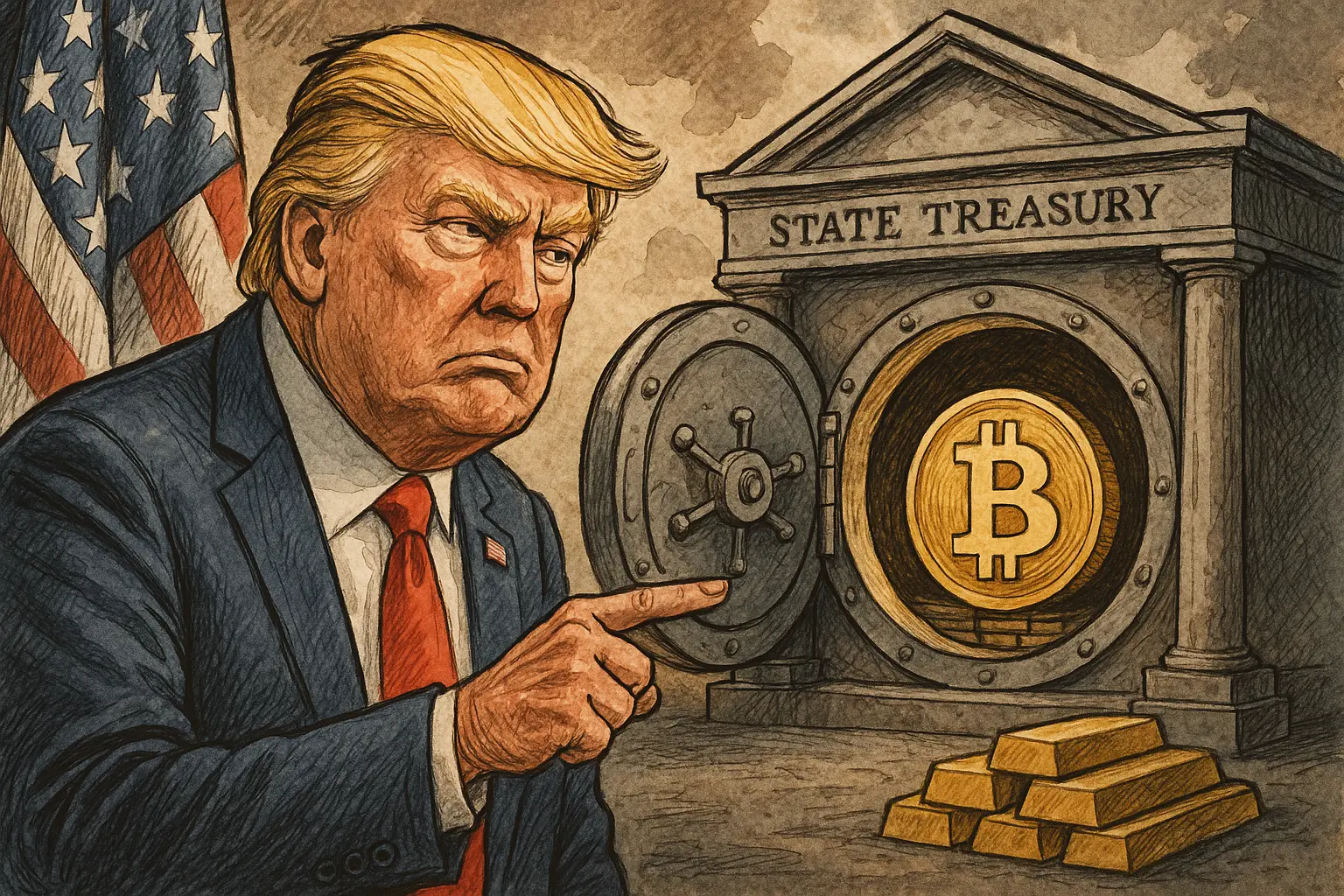
David Bailey, who previously served as a cryptocurrency advisor in the Trump administration, stated at the New York Bitcoin Investor Week that merely “liking Bitcoin” is far from enough for the U.S. government. He pointed out that while the Trump administration took an important first step, there is still a long way to go beyond words, especially as progress on strategic Bitcoin reserves has nearly stalled to date.
Bailey’s Core Criticism: Political Capital Is the True Test
 (Source: Anthony Pompliano)
“At the end of the day, liking Bitcoin isn’t enough,” Bailey directly addressed the core issue — expressing support for Bitcoin does not equate to actual policy action. He emphasized that only by investing necessary political capital and mobilizing resources to push concrete initiatives forward can Bitcoin’s policy environment truly change.
“Just because you like Bitcoin doesn’t mean you’ve invested the necessary political capital to make things happen,” Bailey said. “Whether you like Bitcoin or not, without real action, you’ll ultimately get the same results.” He added that Trump is the first politician to genuinely embrace the “Bitcoin worldview,” but changing perspectives alone isn’t enough to push Bitcoin to $1 million per coin.
Bailey’s Five Key Points
“Liking Bitcoin” isn’t enough: Support is the first step, but political capital must be converted into concrete policy actions.
Stalled Bitcoin Reserves: Executive orders have been signed, but the U.S. government still doesn’t know how much Bitcoin it holds.
Bitcoin Will Ultimately Succeed: Long-term success doesn’t require government intervention, regardless of whether the government takes action.
Voters Are Key: More annual Bitcoin holders are needed to make this issue an unavoidable election issue.
The Timeline Could Be Long: Favorable policy environments may take 10 to 20 years to truly establish.
Broader Context of Stalled Bitcoin Reserves and Policy
Bailey’s criticism is backed by concrete facts. In March 2025, Trump signed an executive order to establish a strategic Bitcoin reserve, but a year later, the U.S. government had yet to begin accumulating new holdings outside of confiscated Bitcoin. Bailey directly pointed out, “As far as I know, we don’t even know how much Bitcoin we actually hold.” According to Arkham Intelligence, the U.S. government currently holds about 378,372 Bitcoins, valued at approximately $22.48 billion at the time of writing.
White House AI and Cryptocurrency Director David Sacks explained two months after the executive order that accumulating Bitcoin requires a “budget-neutral” approach to avoid tax increases or expanding national debt, leading to a conservative accumulation pace. Galaxy Digital research head Alex Thorn predicted a high likelihood of accumulation by the end of 2025, but this forecast has yet to materialize.
However, Bailey remains optimistic about Bitcoin’s long-term prospects: “Bitcoin’s success doesn’t require government intervention. Whether in four, ten, or twenty years, we will eventually have a government that creates favorable rules for Bitcoin’s success.” Besides the strategic reserve, the potential passage of the CLARITY Act is also attracting market attention, with Trump stating on Truth Social that “the U.S. needs to complete market structure reforms as soon as possible.”
Related Articles
The US-Iran conflict highlights the advantages of 24/7 cryptocurrency trading, with on-chain markets becoming the new global financial hub
Goldman Sachs Chief Solomon Warns: US-Iran War Impact Could Trigger Several Weeks of Continuous Crypto Market Decline
Dubai stock market reopens and drops 4.7%, geopolitical tensions and energy concerns trigger investor panic
White House Bill Negotiation Sprint: Trillions of Dollars in Institutional Funds Could Benefit from Clarified Cryptocurrency Regulations
Brian Armstrong visits the White House; new developments in negotiations for the U.S. CLARITY Act
The first shot of the U.S. midterm elections has been fired, with the crypto industry pouring heavy funds to support Trump's pro-crypto agenda