Comprehensive Guide to AI Cryptocurrencies: Applications, Projects, and Investment Strategies

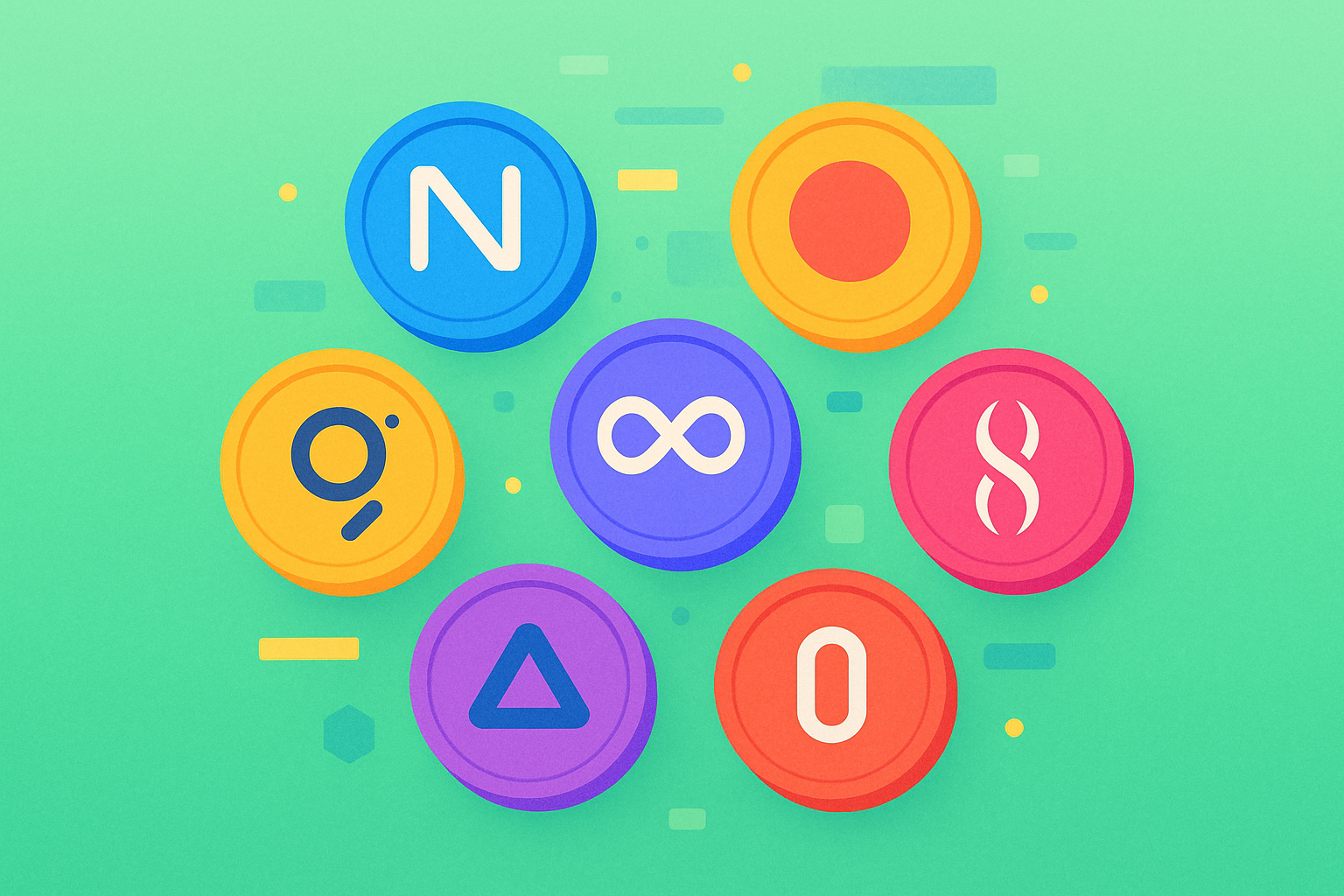
What Are AI-Related Cryptocurrencies? Understanding the Fusion of Blockchain and AI
AI-related cryptocurrencies are digital assets that leverage artificial intelligence technology to enhance their functionality and create innovative use cases. These tokens combine the power of AI with decentralized blockchain networks to unlock new possibilities across various sectors. By integrating machine learning algorithms, natural language processing, and predictive analytics, these cryptocurrencies enable the following applications:
-
Task Automation: AI-powered trading bots analyze market data in real-time, identifying optimal trading opportunities and executing transactions automatically. This reduces human error and enables 24/7 market participation without constant monitoring.
-
Data Process Optimization: AI algorithms process massive volumes of blockchain data at high speed with exceptional accuracy. This capability enhances data management, pattern recognition, and analytical insights within decentralized networks.
-
Decentralized AI Applications: By combining AI with blockchain technology, these projects eliminate the need for centralized control while improving transparency, security, and accessibility. Users can interact with AI services without relying on single points of failure.
Concrete examples of AI cryptocurrency applications include:
- Market Prediction: AI models analyze historical data, trading volumes, and market sentiment to forecast future price trends and investment opportunities.
- Fraud Detection: Machine learning algorithms identify suspicious transaction patterns and potential security threats in real-time.
- Algorithmic Trading: AI systems calculate optimal entry and exit points based on multiple market indicators and risk parameters.
- Portfolio Management: Automated systems optimize asset allocation according to individual risk profiles and investment goals.
- Smart Contract Optimization: AI enhances the efficiency, security, and functionality of self-executing contracts on blockchain networks.
- Regulatory Compliance: Real-time transaction monitoring ensures adherence to legal requirements and reporting standards.
- Know Your Customer (KYC): AI streamlines identity verification processes while maintaining privacy and security standards.
- ICO Success Prediction: Predictive models evaluate the potential success rate of initial coin offerings based on multiple factors.
- Energy Consumption Optimization: AI algorithms reduce the energy footprint of mining operations and network maintenance.
- Wallet Security Enhancement: Intelligent systems detect abnormal activities and potential security breaches in digital wallets.
AI-related cryptocurrencies primarily function as utility tokens within AI-based platforms. They facilitate payments for services, incentivize active participation, and reward contributors to the ecosystem. These tokens enable users to purchase or rent AI models, access various platform services, and receive compensation for their contributions and engagement. The token economy creates a self-sustaining ecosystem where value flows between AI service providers, data contributors, and end users.
Advantages and Disadvantages of AI-Related Cryptocurrency Tokens
Advantages:
-
High-Speed Data Processing and Analysis: AI-powered systems process information exponentially faster than traditional methods, enabling rapid market trend identification and decision-making. This speed advantage is particularly valuable in volatile cryptocurrency markets where timing is crucial.
-
Improved Operational Efficiency: Automation of complex tasks reduces manual intervention, minimizes errors, and optimizes resource allocation. Smart contracts combined with AI can execute sophisticated operations without human oversight, reducing costs and increasing throughput.
-
Scalability: AI systems can handle massive amounts of data and transactions simultaneously, making them ideal for blockchain networks that need to process millions of operations. This scalability ensures that platforms can grow without compromising performance.
-
Enhanced Security: AI-powered security systems detect anomalies, identify potential threats, and respond to attacks in real-time. Pattern recognition algorithms can identify suspicious behaviors that might escape traditional security measures, protecting user assets more effectively.
Disadvantages:
-
High Implementation Costs: Developing and maintaining AI infrastructure requires significant financial investment in computing resources, specialized talent, and ongoing research. These costs can be prohibitive for smaller projects and may impact token economics.
-
Technological Immaturity: Many AI cryptocurrency projects are still in experimental phases, facing technical uncertainties and implementation challenges. The integration of AI and blockchain is complex, and unforeseen issues may arise as these systems scale.
-
Market Volatility: AI tokens often experience significant price fluctuations due to speculation, technological developments, and market sentiment. This volatility creates both opportunities and risks for investors.
-
Data Privacy and Transparency Concerns: Balancing the need for data to train AI models with user privacy requirements presents ongoing challenges. Projects must implement robust privacy protections while maintaining the transparency benefits of blockchain technology.
Use Cases and Applications of AI Tokens
-
AI Agents: Autonomous intelligent agents execute tasks independently, making decisions based on predefined parameters and learning from outcomes. These agents can manage portfolios, execute trades, and optimize strategies without human intervention.
-
Decentralized Computing Systems: Distributed networks share computational resources, enabling efficient utilization of idle processing power across the globe. This approach reduces costs while increasing accessibility to powerful AI computing capabilities.
-
Zero-Knowledge Machine Learning (zkML): This innovative approach protects user privacy while enabling high-performance AI computations. zkML allows models to be trained and executed without exposing sensitive data, combining the benefits of AI with blockchain privacy features.
-
AI Model Transactions: Marketplaces enable the buying, selling, and sharing of AI models as digital assets. Developers can monetize their creations while users gain access to specialized AI capabilities through token-based transactions.
Top 6 Notable AI Cryptocurrency Projects
NEAR Protocol (NEAR): Available on Domestic Exchanges
NEAR Protocol represents a cutting-edge Proof-of-Stake (PoS) blockchain platform specifically designed to address scalability challenges through its innovative sharding technology called "Nightshade." This architectural approach allows the network to process transactions in parallel, with each node maintaining only a small portion of the platform's total data. This design significantly improves efficiency and enables the network to scale horizontally as demand increases.
The platform features the "Rainbow Bridge," which facilitates bidirectional token transfers between NEAR and Ethereum networks. This interoperability solution allows users to move assets seamlessly between ecosystems without relying on centralized intermediaries. Additionally, NEAR offers "Aurora," an Ethereum Virtual Machine (EVM) implementation that enables developers to deploy Ethereum-based decentralized applications on NEAR's infrastructure while benefiting from lower fees and faster transaction speeds.
In the realm of AI integration, NEAR Protocol champions the concept of "User-Owned AI." This framework empowers users to maintain complete control over their data and digital assets within decentralized AI systems. The NEAR Foundation actively promotes open and transparent AI development, rejecting closed, profit-driven approaches that concentrate power in the hands of few entities. This philosophy enables users to enjoy productivity improvements, personalized experiences, and new economic opportunities while preserving their privacy and autonomy.
In the past few years, NEAR launched an incubation program dedicated to building user-owned AI infrastructure. The initial cohort included six innovative teams: Mizu, Pond, Nevermined, Hyperbolic, Ringfence, and Exhibits. These projects explore various aspects of decentralized AI, from data marketplaces to privacy-preserving computation platforms.
Render (RNDR): Available on Domestic Exchanges
Render Network creates a decentralized marketplace that connects users requiring GPU computational power with individuals possessing idle GPU resources. This peer-to-peer system provides low-cost, high-quality 3D rendering services by leveraging underutilized hardware across the globe. The network democratizes access to professional-grade rendering capabilities that were previously available only to large studios with expensive infrastructure.
RNDR serves as the native utility token within the Render Network ecosystem. It functions as the primary payment method for rendering services, creating a seamless transaction system between service providers and consumers. GPU owners receive RNDR tokens as compensation for completing rendering jobs, incentivizing participation and ensuring a robust supply of computational resources. This mechanism maximizes the utilization of computing power while forming a global resource pool accessible to creators worldwide.
The platform leverages blockchain technology and smart contracts to establish a secure, transparent rendering marketplace. These technologies ensure transaction reliability, fair pricing, and efficient resource allocation. Smart contracts automatically execute agreements between parties, eliminating the need for intermediaries and reducing transaction costs. The system guarantees transparency and fairness throughout the rendering process, from job submission to payment distribution.
Recently, Render Network migrated its token infrastructure from the Ethereum blockchain to the Solana blockchain. This strategic move significantly improved transaction speeds while reducing costs for users. Solana's high-throughput architecture enables the network to process thousands of transactions per second, making it ideal for the high-volume, time-sensitive nature of rendering services.
The Graph (GRT): Available on Domestic Exchanges
The Graph provides essential infrastructure for indexing and querying blockchain data through a decentralized protocol. Developers utilize subgraph manifests to define how data should be read and organized, then retrieve indexed information using the GraphQL query language. This approach simplifies the process of building decentralized applications by providing easy access to blockchain data without requiring developers to maintain their own indexing infrastructure.
The protocol launched its mainnet several years ago and has since expanded to support over 30 different blockchain networks. This broad compatibility makes The Graph a crucial piece of Web3 infrastructure, enabling applications across multiple ecosystems to access and utilize blockchain data efficiently. The protocol processes billions of queries monthly, demonstrating its critical role in the decentralized application landscape.
Semiotic Labs, one of the primary development teams behind The Graph, actively promotes the integration of AI and cryptographic technologies into the protocol. They have developed sophisticated tools including AutoAgora and Allocation Optimizer to enhance indexer operations. AutoAgora automatically generates pricing models based on market conditions and query complexity, while Allocation Optimizer helps indexers make optimal resource allocation decisions to maximize returns.
Looking forward, the team is developing AI-powered natural language interfaces that will allow users to access Graph data using conversational queries. This innovation will dramatically lower the technical barriers to blockchain data access, making it possible for non-technical users to extract insights from decentralized networks. The integration of AI with The Graph's indexing capabilities represents a significant step toward making blockchain data universally accessible and useful.
Internet Computer (ICP): Available on Overseas Exchanges
The Internet Computer Protocol represents a next-generation blockchain platform built on innovative consensus algorithms including threshold cryptography and state machine replication. These advanced cryptographic techniques enable the network to achieve unprecedented levels of scalability and security while maintaining decentralization. The protocol's architecture allows multiple independent computers to maintain synchronized states, ensuring consistency and reliability across the network.
ICP seamlessly integrates with existing internet technologies to realize the vision of Web3. Smart contracts on the platform can host websites, respond to HTTP requests, and interact with traditional web services directly. This capability eliminates the need for centralized intermediaries and enables truly decentralized web applications that combine the benefits of blockchain technology with the accessibility of traditional internet services.
In terms of AI integration, ICP actively promotes Decentralized AI (DeAI) to enhance the trustworthiness and reliability of AI models. The platform's smart contracts can guarantee that AI models remain tamper-proof and operate as intended, providing verifiable assurance to users. This approach addresses critical concerns about AI transparency and accountability by leveraging blockchain's immutability and auditability.
Notable projects on the Internet Computer include ELNA AI, a platform that enables developers to create and monetize AI agents within the ICP ecosystem. These agents can perform complex tasks autonomously while benefiting from blockchain's security and transparency features. Another example is Kinic, which leverages AI to optimize the user experience of Web3 applications, making decentralized services more intuitive and accessible to mainstream users.
SingularityNET (AGIX): Available on Overseas Exchanges
SingularityNET operates as a decentralized marketplace designed to democratize access to AI services. The platform utilizes blockchain technology to ensure transparency and trustworthiness in all transactions, creating a fair and open environment for AI service providers and consumers. By removing centralized gatekeepers, SingularityNET enables direct interaction between AI developers and users, fostering innovation and competition.
The AGIX token serves as the primary medium of exchange within the ecosystem, facilitating the publication and trading of AI models and services. Developers can offer diverse AI capabilities including image recognition, speech analysis, natural language processing, and predictive analytics. This marketplace model allows specialized AI services to reach global audiences while enabling users to access cutting-edge technology without massive upfront investments.
Through strategic partnerships with major blockchain platforms including Cardano and Filecoin, SingularityNET has significantly enhanced its platform's functionality and user experience. These collaborations provide additional infrastructure, storage solutions, and interoperability features that expand the platform's capabilities and reach.
Recently, SingularityNET, Fetch.ai (FET), and Ocean Protocol (OCEAN) initiated a token merger as part of the Artificial Superintelligence (ASI) Alliance. This consolidation represents a major step toward creating a unified ecosystem for decentralized AI. Under this merger, AGIX and OCEAN tokens are transitioning to FET, with plans to ultimately unify under the ASI token. This alliance aims to combine the strengths of multiple AI blockchain projects, creating a more powerful and comprehensive platform for decentralized artificial intelligence.
Bittensor (TAO): Available on Overseas Exchanges
Bittensor establishes a decentralized network that connects machine learning models owned by individuals worldwide. Built on the Substrate framework with Polkadot support, the platform provides a robust and flexible infrastructure for distributed AI. The network adopts an energy-efficient Proof-of-Stake (PoS) consensus mechanism, significantly reducing environmental impact compared to traditional Proof-of-Work systems while enhancing data privacy and security.
The platform creates a marketplace where machine intelligence can be evaluated, traded, and utilized efficiently. Researchers and developers receive direct compensation for their contributions to the network, incentivizing high-quality AI model development. Consumers can easily access and deploy the most suitable intelligent systems for their specific needs, creating a dynamic ecosystem where supply meets demand efficiently.
TAO tokens serve multiple functions within the Bittensor ecosystem. They act as rewards for network participants, cover transaction fees, and serve as the primary governance mechanism. Token holders can participate in proposals and voting, ensuring that the network's development aligns with community interests. This governance structure distributes decision-making power among stakeholders, preventing centralized control and promoting sustainable development.
The network's unique approach to incentivizing AI development creates a competitive environment where the most valuable and accurate models rise to prominence. This market-driven mechanism ensures continuous improvement and innovation, as participants are motivated to create superior AI solutions to maximize their rewards.
How to Purchase AI Cryptocurrencies in Japan: Exchanges and Procedures
Overseas Exchanges (Example: Leading International Platforms)
-
Account Creation
- Visit the official website of a major international exchange and create an account
- Complete the Know Your Customer (KYC) verification process by submitting required identification documents
- Enable two-factor authentication (2FA) for enhanced security
-
XRP Purchase and Transfer
- Purchase XRP from a domestic Japanese exchange that supports fiat currency deposits
- Navigate to the withdrawal section and enter the destination wallet address from your international exchange account
- Transfer the purchased XRP to your international exchange wallet, noting that XRP typically offers fast transfer speeds and low fees
-
AI Token Purchase
- Access the trading interface on the international platform
- Select the appropriate trading pair (for example, XRP/USDT or direct AI token pairs)
- Choose between market orders for immediate execution or limit orders to set specific price targets
- Review transaction details and confirm the purchase
Japanese Exchanges (Example: Domestic Platforms)
-
Account Creation
- Register on the official website of a licensed Japanese cryptocurrency exchange
- Complete the mandatory KYC verification by providing identification documents and personal information
- Wait for account approval, which typically takes 1-3 business days
-
Japanese Yen Deposit
- Navigate to the deposit section of your exchange account
- Select your preferred deposit method: bank transfer, convenience store payment, or other supported options
- Follow the instructions to complete the deposit, noting that bank transfers may take several hours to process
-
AI Token Purchase
- Access the trading section and locate the desired AI cryptocurrency
- Select the JPY trading pair for direct purchases with Japanese yen
- Choose your order type: market order for immediate purchase at current prices, or limit order to specify your desired price
- Enter the amount you wish to purchase and review all transaction details
- Confirm the transaction and monitor your order status until completion
Important Considerations:
- Always verify the legitimacy of exchanges before creating accounts
- Store significant holdings in secure wallets rather than keeping them on exchanges
- Be aware of transaction fees, withdrawal limits, and processing times
- Consider tax implications of cryptocurrency transactions in your jurisdiction
- Never share your private keys or sensitive account information
Summary
The convergence of AI technology and blockchain in recent years has catalyzed significant growth in AI-related cryptocurrencies, positioning them as potential cornerstones of the future digital economy. These innovative projects combine artificial intelligence with decentralized networks to create revolutionary use cases, demonstrating particularly impressive results in areas such as market prediction, fraud detection, automated trading, and decentralized computing.
The six projects highlighted—NEAR Protocol, Render, The Graph, Internet Computer, SingularityNET, and Bittensor—each bring unique approaches to integrating AI with blockchain technology. From NEAR's user-owned AI framework to Bittensor's decentralized machine learning marketplace, these platforms are pioneering new models for how AI services can be developed, distributed, and monetized in a decentralized manner.
However, investors must acknowledge the challenges inherent in this emerging sector. High implementation costs, technological immaturity, market volatility, and data privacy concerns present significant risks that require careful consideration. The regulatory landscape for AI cryptocurrencies remains uncertain in many jurisdictions, potentially affecting project viability and token value.
For those interested in participating in this space, thorough research and appropriate risk management strategies are essential. Diversification across multiple projects, understanding the underlying technology and use cases, and staying informed about regulatory developments can help mitigate risks. As the technology matures and adoption increases, AI-related cryptocurrencies may play an increasingly important role in shaping the future of both artificial intelligence and decentralized finance.
Investors should approach this market with realistic expectations, recognizing both the transformative potential and the inherent uncertainties of emerging technologies. By maintaining a balanced perspective and implementing sound investment practices, participants can position themselves to benefit from the growth of AI-blockchain convergence while managing downside risks effectively.
FAQ
What are AI cryptocurrencies? How do they differ from other cryptocurrencies?
AI cryptocurrencies combine artificial intelligence with blockchain technology to power intelligent applications. Unlike other cryptocurrencies, AI tokens feature built-in AI platforms enabling users to create AI-driven apps, develop advanced algorithms for better investment decisions, automate trading, and analyze blockchain data to detect fraud and predict market trends more effectively.
What are the Top 6 AI-related cryptocurrencies and what are their main uses?
The six major AI-related cryptocurrencies are AGIX, SingularityNET, Fetch.ai, Enjin Coin, Tezos, and Chainlink. They are primarily used for paying AI service fees, governance voting, staking rewards, in-game transactions, executing smart contracts, and powering decentralized prediction markets.
How to purchase AI-related cryptocurrency tokens in Japan? Which exchanges support this?
In Japan, you can buy AI-related crypto tokens through major exchanges using multiple payment methods including credit cards, bank transfers, and e-wallets. Simply create an account, complete identity verification, select your desired AI token, and execute the purchase order.
What are the risks of investing in AI cryptocurrencies? What security issues should I be aware of?
AI crypto investments face high market volatility and rapid price fluctuations. Key risks include fraud, hacking attacks, regulatory uncertainty, and technical vulnerabilities. Protect yourself by using secure wallets, enabling two-factor authentication, and verifying all transaction details carefully.
Are these AI tokens legal in Japan? Do I need to pay taxes?
AI tokens are legal in Japan under regulatory compliance. All crypto income, including trading gains and mining rewards, requires tax reporting to Japanese authorities.
What are the future prospects of AI cryptocurrencies? Are they worth holding long-term?
AI cryptocurrencies show strong growth potential as artificial intelligence integration expands across blockchain. Long-term holders may benefit from increasing adoption and technological breakthroughs. The sector is positioned for significant growth through 2026-2027.
Share
Content
What Are AI-Related Cryptocurrencies? Understanding the Fusion of Blockchain and AI
Advantages and Disadvantages of AI-Related Cryptocurrency Tokens
Top 6 Notable AI Cryptocurrency Projects
NEAR Protocol (NEAR): Available on Domestic Exchanges
Render (RNDR): Available on Domestic Exchanges
The Graph (GRT): Available on Domestic Exchanges
Internet Computer (ICP): Available on Overseas Exchanges
SingularityNET (AGIX): Available on Overseas Exchanges
Bittensor (TAO): Available on Overseas Exchanges
How to Purchase AI Cryptocurrencies in Japan: Exchanges and Procedures
Summary
FAQ
How to Buy Cryptocurrency


Trending Cryptocurrencies



Survey Note: Detailed Analysis of the Best AI in 2025
What Is the Best AI Crypto in 2025?

What is the Best AI Now?

How Does Solidus Ai Tech's Market Cap Compare to Other AI Cryptocurrencies?
Why ChatGPT is Likely the Best AI Now?

MomoAI: AI-Powered Social Gaming Revolution on Solana

What is GMRT: Understanding the Giant Metrewave Radio Telescope and Its Role in Modern Astronomy

What is DEAI: Decentralized Ethical AI and Its Impact on the Future of Technology

What is LOULOU: A Comprehensive Guide to the Emerging Fashion and Lifestyle Brand
What is RFD: A Comprehensive Guide to Request for Discussion in Software Development
What is AIR: A Comprehensive Guide to Understanding Artificial Intelligence and Robotics