Comprehensive Guide to NFT Minting Costs: Ethereum vs Polygon vs Solana
The NFT Market in Recent Years
Although non-fungible tokens have existed for several years, their popularity surged dramatically in 2021. The entire NFT space increased its valuation from $340 million in 2020 to $24.9 billion in 2021, representing a remarkable 7,200% growth in value. This explosive growth has attracted artists, collectors, and investors worldwide, transforming the digital asset landscape and creating new opportunities for creators to monetize their work through blockchain technology.
What Is NFT Minting?
NFT minting is the process of creating an NFT and registering it on the blockchain. Individual artworks and collectibles must first be minted on the blockchain to transform them into unique NFTs. The artwork stored on the blockchain is encrypted with a unique code that enables personalized ownership verification.
During the minting process, the digital file is converted into a crypto asset on the blockchain network. This process involves creating a new block, validating the information by validators, and recording the data permanently on the distributed ledger. Once minted, the NFT receives a unique token ID and metadata that distinguishes it from all other tokens, ensuring its authenticity and provenance can be traced throughout its entire lifecycle.
What Are the Costs Associated with NFT?
The main costs associated with NFT creation include several key components:
-
Gas Fees: All blockchain operations require at least one transaction to be executed, which incurs gas fees. These fees compensate network validators for processing and validating transactions on the blockchain. Gas fees fluctuate based on network congestion and the complexity of the transaction.
-
Account-Related Fees: This depends on the chosen NFT marketplace. Some platforms require initial account setup fees or charge for maintaining creator profiles and storage space for digital assets.
-
Listing Fees: Some platforms allow NFT minting for free but may charge fees for listing NFTs for sale or take a commission from successful transactions. These marketplace fees typically range from 2.5% to 15% of the sale price.
The prices for minting NFTs range from $1 to $500, and sometimes can be even higher, depending on the blockchain network, current gas prices, and the complexity of the smart contract involved.
NFT Minting Costs Depend on the Chosen Blockchain
Polygon
Digital artists can mint NFTs on the Polygon blockchain using platforms like OpenSea. You can mint and list your NFT completely free of charge if you choose the Polygon network for this purpose. The platform uses lazy minting by default, which defers the actual blockchain transaction until the NFT is purchased.
Polygon offers significantly lower transaction costs compared to Ethereum's mainnet, making it an attractive option for creators who want to experiment with NFT creation without substantial upfront investment. However, the platform charges a 2.5% handling fee, deducted from the NFT sale price. This fee structure makes Polygon particularly appealing for emerging artists and creators who are just entering the NFT space.
Solana
Solana is the second most popular blockchain for NFTs after Ethereum, known for its high-speed transactions and minimal costs. Minting an NFT on the Solana blockchain involves three blockchain transactions: two approval transactions and one to set the price. Each transaction costs approximately 0.00045 SOL, which amounts to less than $0.04 in total.
The Solana network's efficient consensus mechanism and high throughput enable these remarkably low fees while maintaining fast transaction speeds. This makes Solana an excellent choice for creators who plan to mint multiple NFTs or collections, as the cumulative costs remain negligible even for large-scale projects.
Ethereum
Traditional Minting
Creating an NFT on the Ethereum blockchain can be costly and depends on the time of day and the current price of Ethereum. Gas fees range from $59 to $123 for a standard minting transaction. During periods of high network congestion, these fees can spike even higher, sometimes reaching several hundred dollars.
The Ethereum network's popularity and widespread adoption mean that competition for block space drives up transaction costs. However, Ethereum offers the most established NFT ecosystem with the largest marketplace liquidity and the strongest network effects, which can justify the higher minting costs for serious creators and collectors.
Lazy Minting
Lazy minting allows artists to mint NFTs without incurring any upfront costs. The actual process of registering the NFT on the blockchain does not occur until the NFT is purchased. In this case, the buyer bears the costs of the blockchain transaction.
This innovative approach democratizes NFT creation by removing financial barriers for artists. The NFT exists off-chain as metadata until someone purchases it, at which point the minting transaction is executed and the gas fees are paid by the buyer. This method has become increasingly popular on major marketplaces and has enabled countless creators to enter the NFT space without capital investment.
Cost of Creating an NFT: Ethereum vs Polygon vs Solana
The most popular NFT marketplaces offer lazy minting for both Ethereum and Polygon networks, which translates to creating NFTs completely free of charge for the creator. Minting NFTs in the Solana ecosystem involves truly minimal network fees that add up to less than one dollar per transaction.
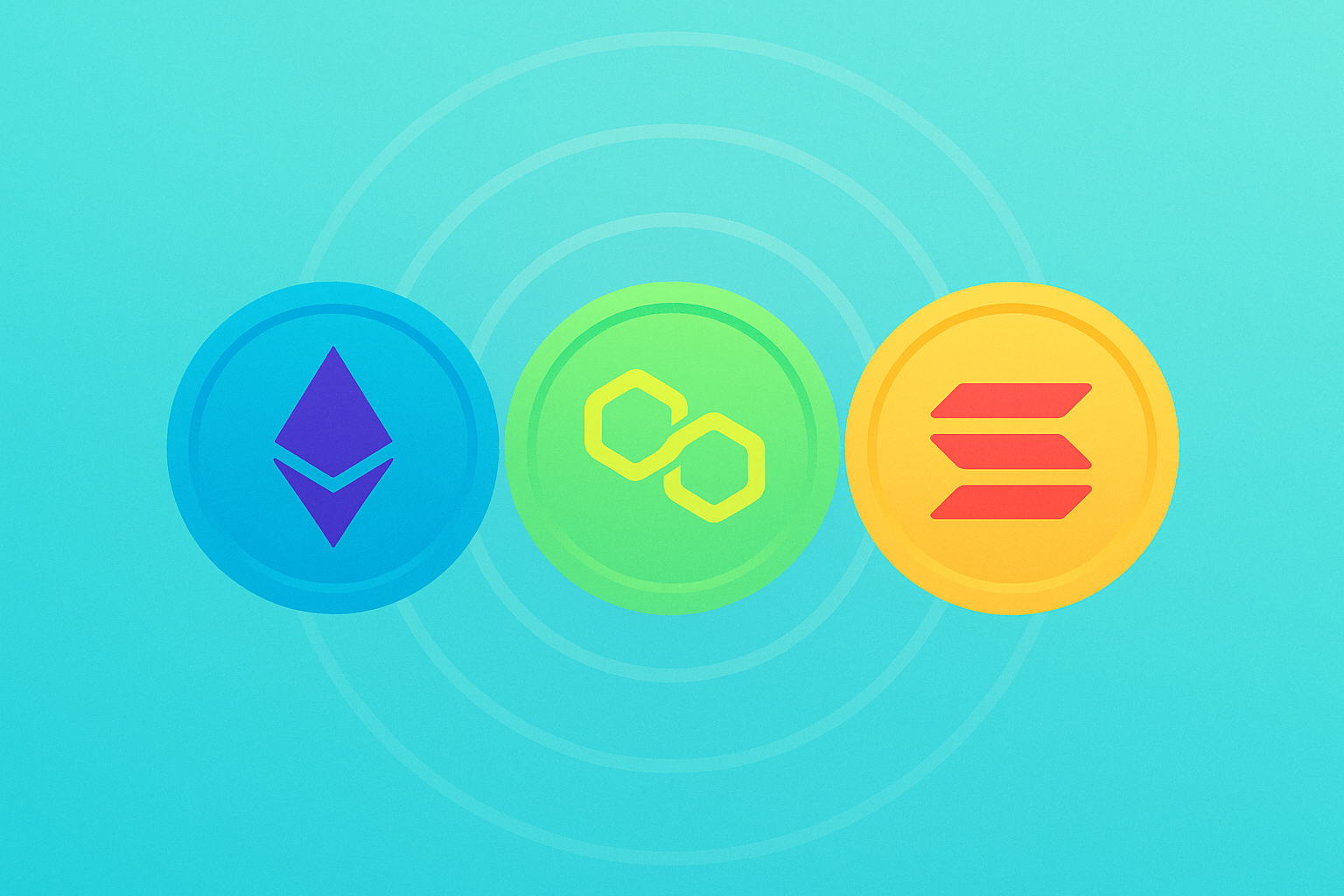
When comparing these three major blockchain networks, creators should consider not only the minting costs but also factors such as marketplace liquidity, community size, environmental impact, and long-term sustainability. Ethereum offers the most established ecosystem but comes with higher costs. Polygon provides a cost-effective alternative with Ethereum compatibility. Solana delivers the lowest fees with high-speed transactions but has a smaller NFT ecosystem compared to Ethereum.
How Much Does It Cost to Create an NFT?
Creating an NFT does not cost much in practice. In fact, it can be completely free if you choose a popular platform such as OpenSea, Rarible, or Mintable and select the lazy minting option. These platforms have revolutionized NFT creation by eliminating upfront costs and making the technology accessible to creators worldwide.
The actual cost of creating an NFT ultimately depends on your chosen strategy. If you opt for lazy minting on Polygon or use platforms that support gasless minting, you can create and list NFTs without spending anything upfront. The only costs you'll encounter are marketplace fees when your NFT sells, which are automatically deducted from the sale proceeds. For creators using traditional minting on Ethereum, costs can range from tens to hundreds of dollars depending on network conditions, but this investment may be worthwhile for high-value artworks or collections targeting serious collectors.
FAQ
How Much Does It Cost to Create an NFT?
Creating an NFT typically costs between $20 and $200, depending on the platform and complexity. Minimal fees apply for minting and listing. Some platforms offer free minting options, making NFT creation accessible to everyone.
What is NFT gas fee and why is it so expensive?
NFT gas fees are transaction costs on the Ethereum network, calculated in gwei units and paid to miners for validating transactions. Fees are high due to increased network demand from DeFi and NFT activity, plus rising ETH prices. Layer 2 solutions like Arbitrum can significantly reduce these costs.
What are the cost differences for creating NFTs on different blockchains?
Ethereum has the highest costs due to gas fees from Proof of Work. Polygon offers free minting with lazy minting technology, charging only when sold. Solana provides extremely low costs around $0.01 per mint due to efficient Proof of Stake processing.
Are there free or low-cost methods to create NFTs?
Yes. Platforms like OpenSea on Polygon network and Mintable offer free or minimal-fee NFT minting options. Layer 2 solutions significantly reduce gas costs compared to mainnet transactions.
What are the components included in the total cost of minting an NFT?
NFT minting costs include platform fees and gas fees. Platform fees vary by marketplace, while gas fees depend on current network congestion. Total costs fluctuate based on blockchain network conditions and chosen platform.
How much more expensive is creating an NFT on Ethereum compared to other blockchains?
Ethereum NFT creation typically costs 0.01-0.05 ETH, significantly higher than other blockchains due to network gas fees. Alternatives like Polygon, Solana, and Flow offer substantially lower costs, often under 1 dollar, making them more economical options for NFT minting.
How to choose the NFT creation platform with the lowest cost?
Choose platforms like Rarible or OpenSea with minimal fees. Rarible offers simplified protocols with lower costs, while OpenSea charges 2.5% per transaction. Compare fee structures and select based on your specific needs and budget requirements.
Do I need to pay additional fees to list and sell an NFT after creation?
Yes, listing NFTs for sale typically requires transaction fees that vary by blockchain. Ethereum charges higher gas fees, while Solana offers minimal costs under 0.01 USD. Creators can also set royalties to earn a percentage on future resales.
Share
Content
How to Buy Cryptocurrency


Trending Cryptocurrencies



How to Mine Ethereum in 2025: A Complete Guide for Beginners

Ethereum 2.0 in 2025: Staking, Scalability, and Environmental Impact

What is Ethereum: A 2025 Guide for Crypto Enthusiasts and Investors
How does Ethereum's blockchain technology work?

What are smart contracts and how do they work on Ethereum?
Ethereum Price Analysis: 2025 Market Trends and Web3 Impact
Cryptocurrency for Beginners: Which Coin Should You Invest In
A Comprehensive Overview of the Future Potential and Types of Altcoins

Comprehensive Guide to Decentralized Finance (DeFi)
Mining Calculator: How to Calculate Cryptocurrency Mining Profitability
What is Polygon?